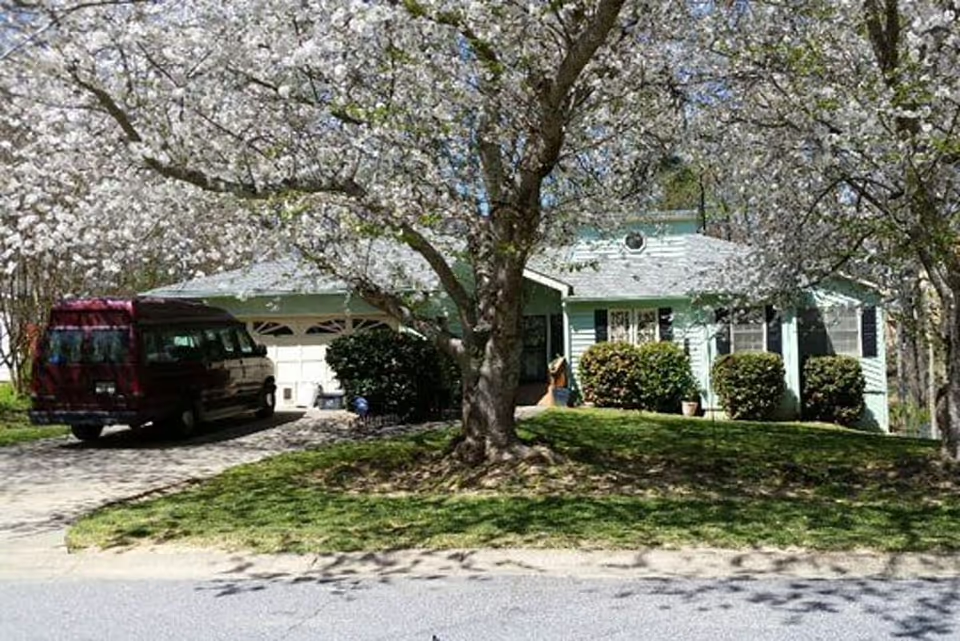
Tender Personal Care Home #2 is described across reviews as a small, family-operated personal care home that emphasizes individualized attention and a homelike environment. The facility’s small census and direct involvement from owners (identified as Mary and Daniel in reviews) are noted as operational strengths: staff-to-resident familiarity, seamless admissions, and personalized care plans. Reviewers consistently referenced compassionate, attentive caregivers, stable leadership, and a hands-on approach to transitions and bereavement support.
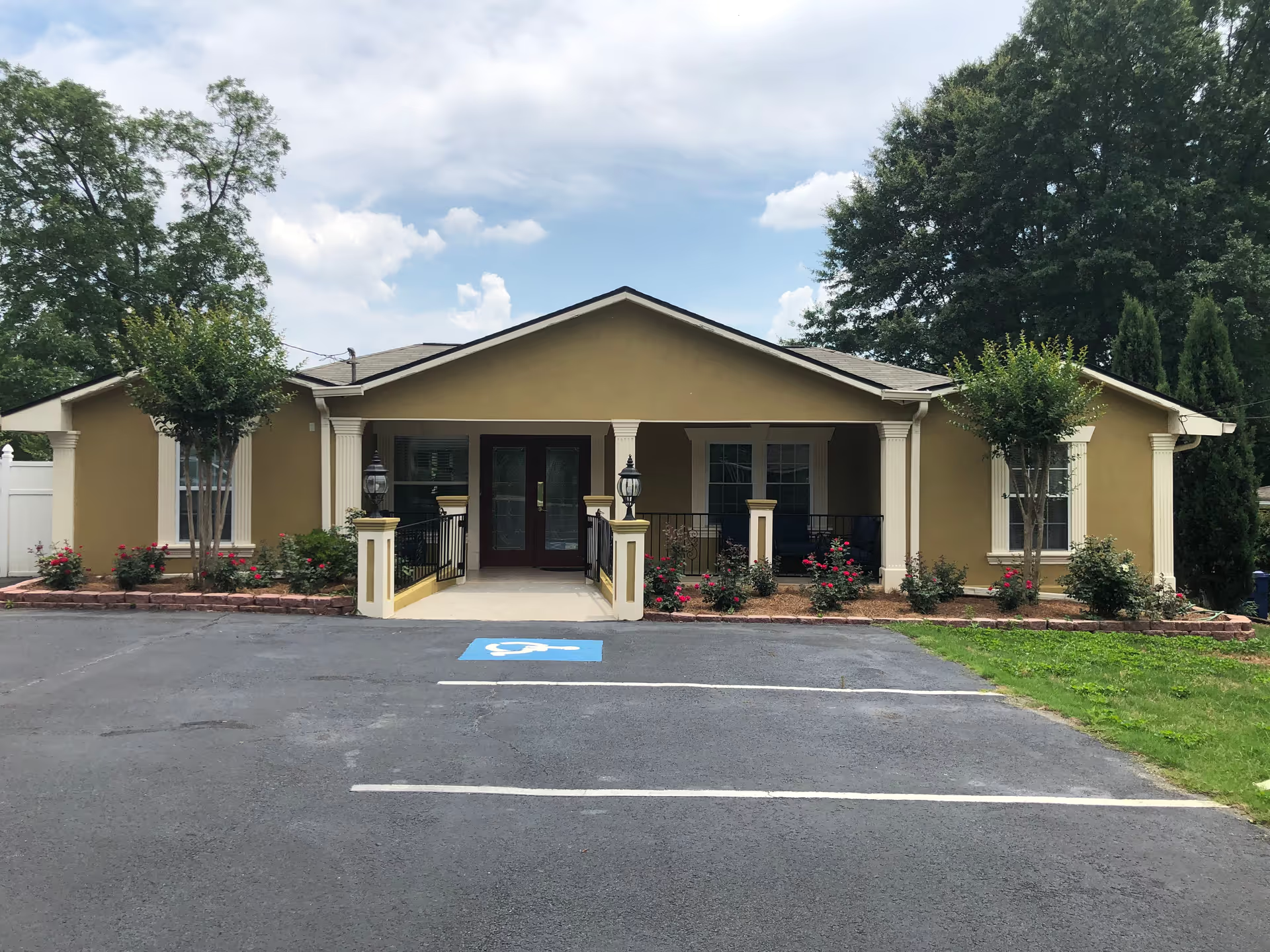
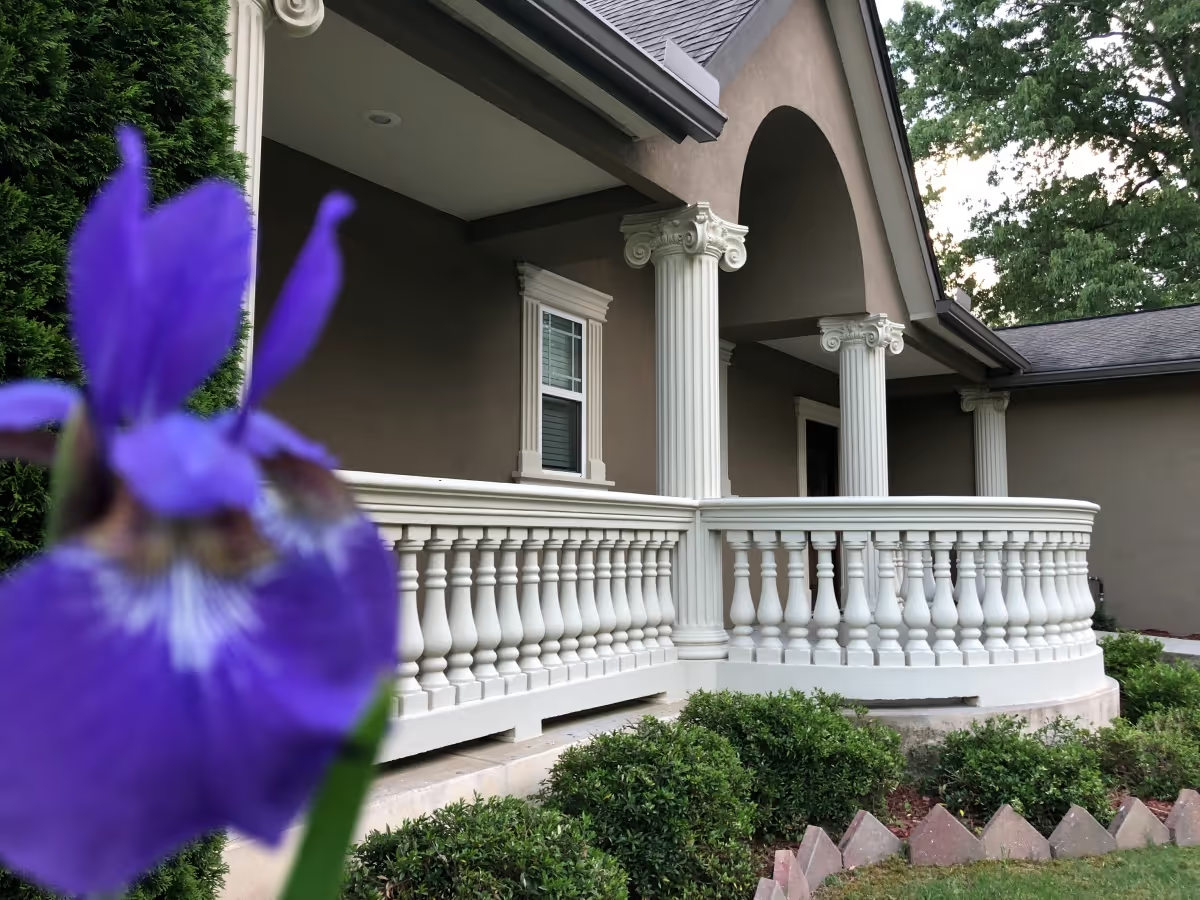
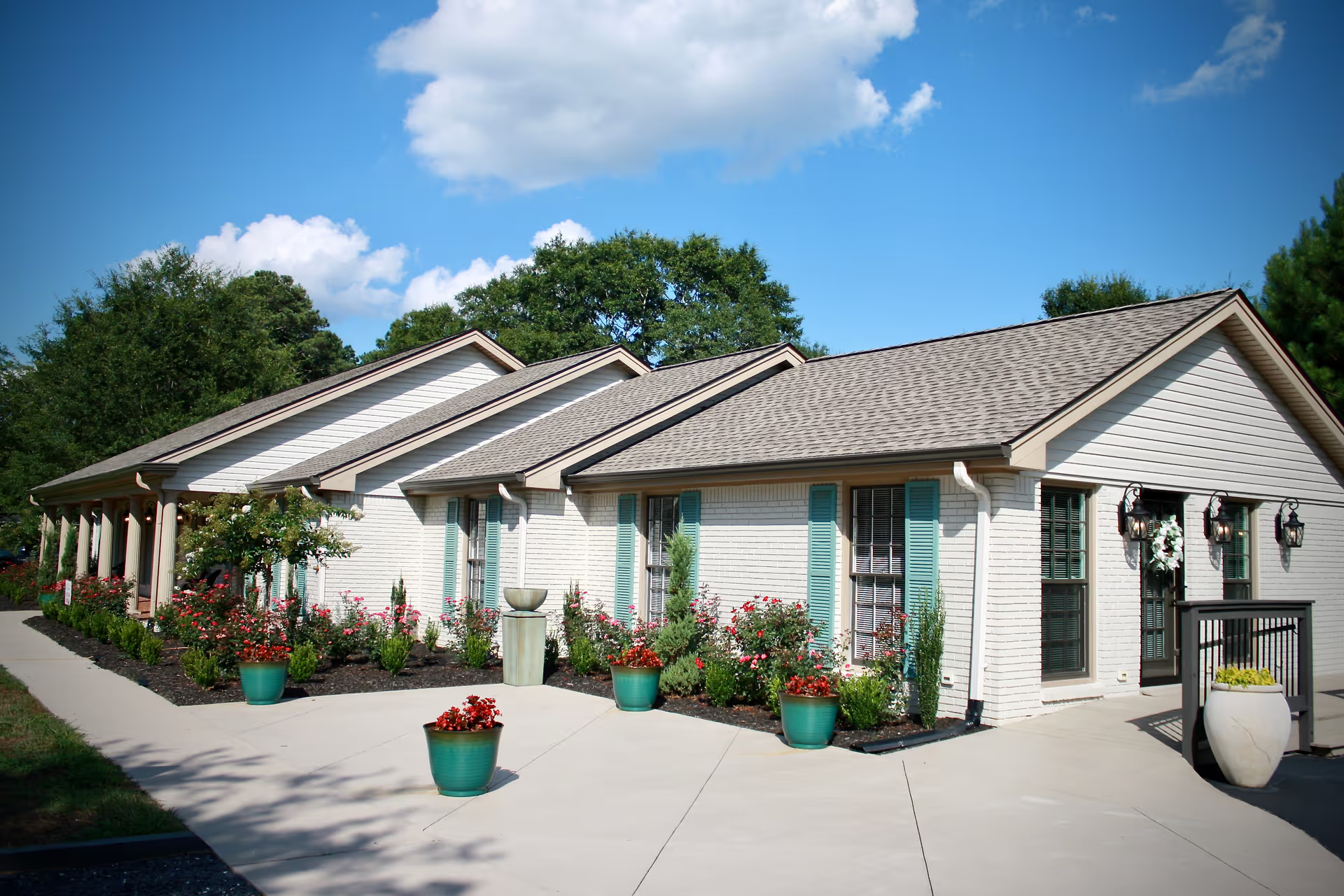
Facility and logistics are frequently praised. Reviewers describe the home as clean, well-maintained, and updated, with bright private rooms and organized common areas. The property includes a fenced outdoor yard and gazebo, which families viewed as a safe outdoor option. Communication with families is highlighted as a positive feature — staff provide photo updates and timely information during placement and thereafter. Several accounts mention a dedicated on-site physician and a cohesive caregiving team, which reviewers associate with consistent clinical oversight and ease of coordination.
Dining and programming receive favorable notes: meals are characterized as nutritious, home-style, and family-oriented, and residents are described as content and well-fed. Daily activities and engagement appear to be part of the routine, and multiple families commented that their relatives were thriving or comfortable in the setting. The small size is also linked to more personalized dementia and memory-care approaches in many accounts, with reviewers citing attentive, compassionate dementia support and familiar staff who know residents’ preferences.
Notable patterns of caution include capacity, cost, and suitability for certain clinical profiles. The home’s limited bed availability and comparatively higher cost were cited as practical barriers for some families. While many families valued the quiet, low-stimulation, homelike atmosphere, at least one reviewer characterized the environment as subdued and closer to an institutional “nursing-home” feel for residents with more active Alzheimer’s or advanced behavioral needs. This points to a potential mismatch for residents who require higher-intensity memory-care programming or a more stimulating/secure memory-care unit.
Practical considerations for prospective families: confirm current availability; review pricing and compare with other local options; discuss the facility’s approach to advanced memory-care needs, staffing ratios, and clinical oversight; and evaluate parking and physical-access arrangements during a visit. Overall, the pattern in reviews indicates strong interpersonal care, cleanliness, and family-centered communication, with trade-offs related to capacity, cost, and appropriateness for residents with complex, high-intensity memory-care requirements.