Overall impression: The reviews portray Lee County Health & Rehabilitation as a facility with strong bedside care and a consistently clean environment. Frontline staff are repeatedly described as compassionate, attentive, and willing to go beyond standard duties to support residents and family members. Families frequently cite clear communication from caregivers and a general sense that resident safety and happiness are prioritized.
Care quality and staff: Clinical and caregiving staff receive the most positive attention. Comments emphasize compassionate interactions, dedicated caregiving, and staff who act in a family-like manner toward residents. Several reviewers highlight staff responsiveness and a willingness to provide individualized attention. This positive staff performance contributes to perceptions of safety and attentive care.
Dining and activities: Dining is described positively, with specific praise for meal quality. Reviewers characterize food as enjoyable and appropriate for residents. There is limited specific commentary about formal activities programming in the provided summaries; the overall tone suggests a caring environment but does not include detailed accounts of recreational or therapy offerings.
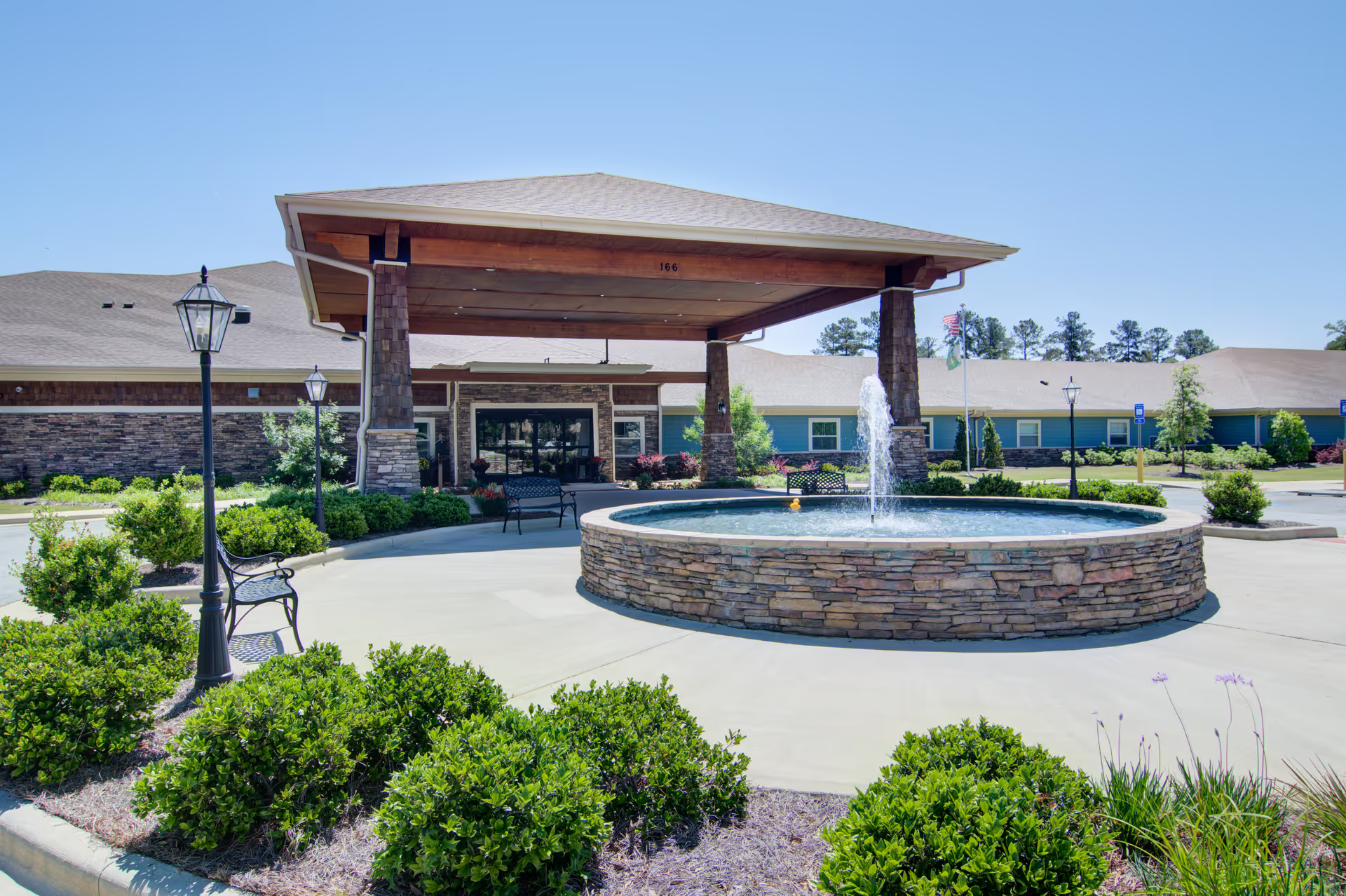
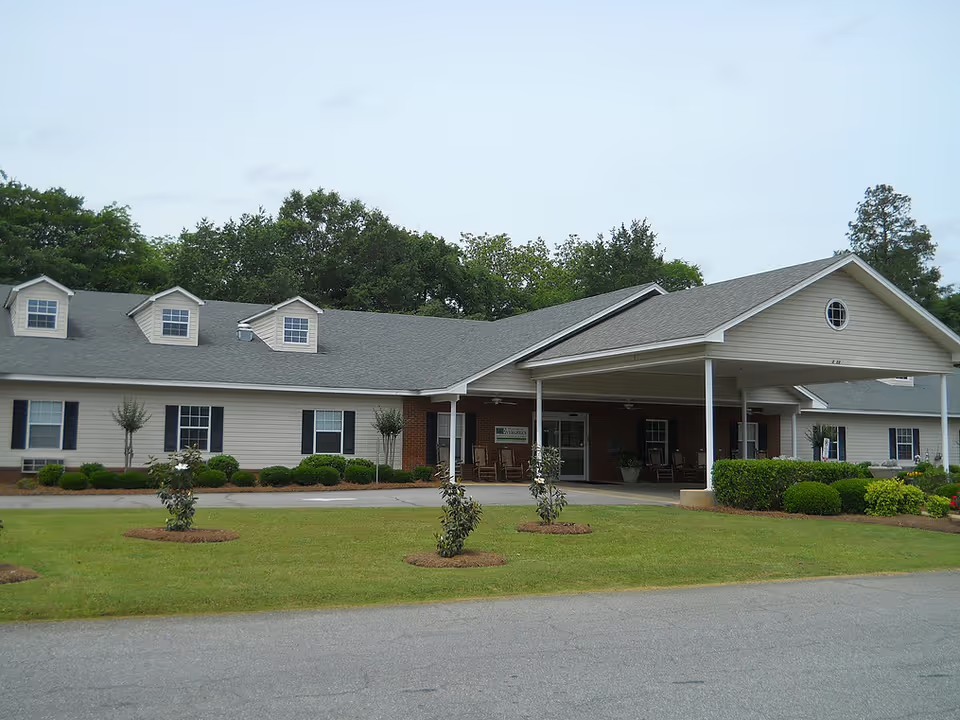
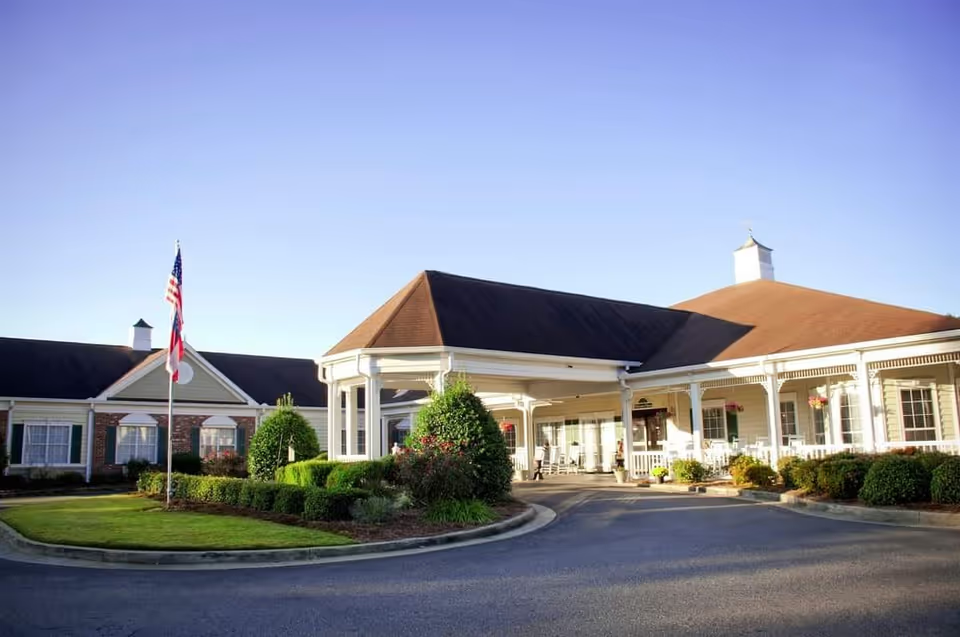
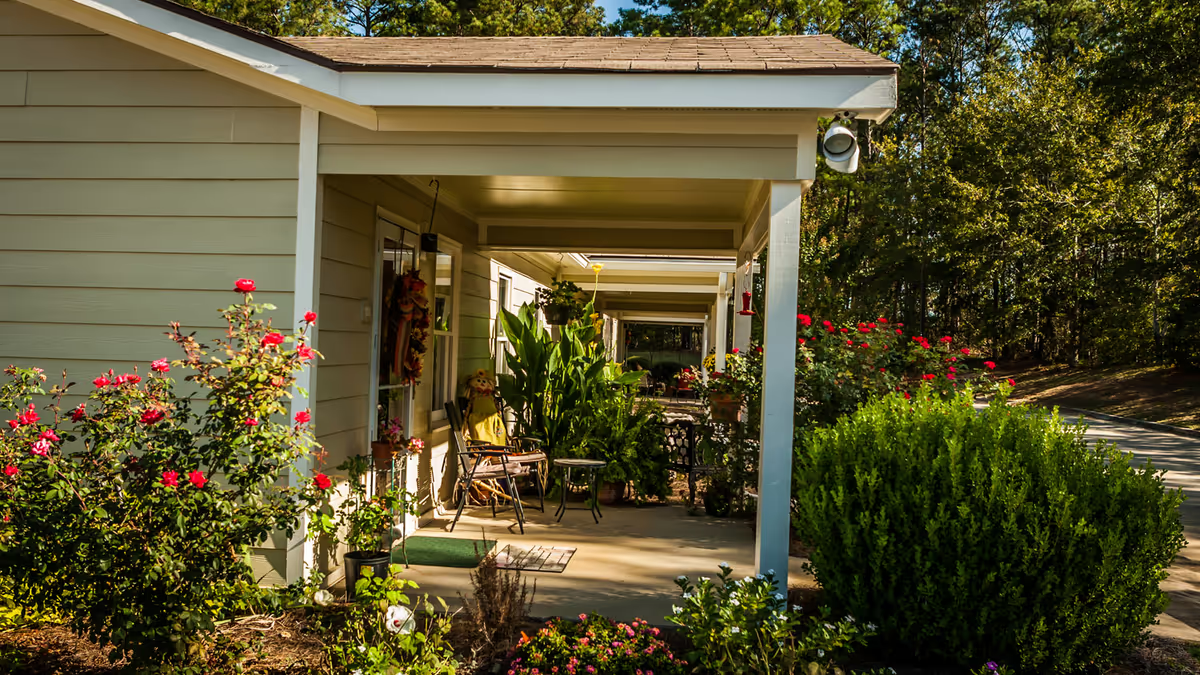
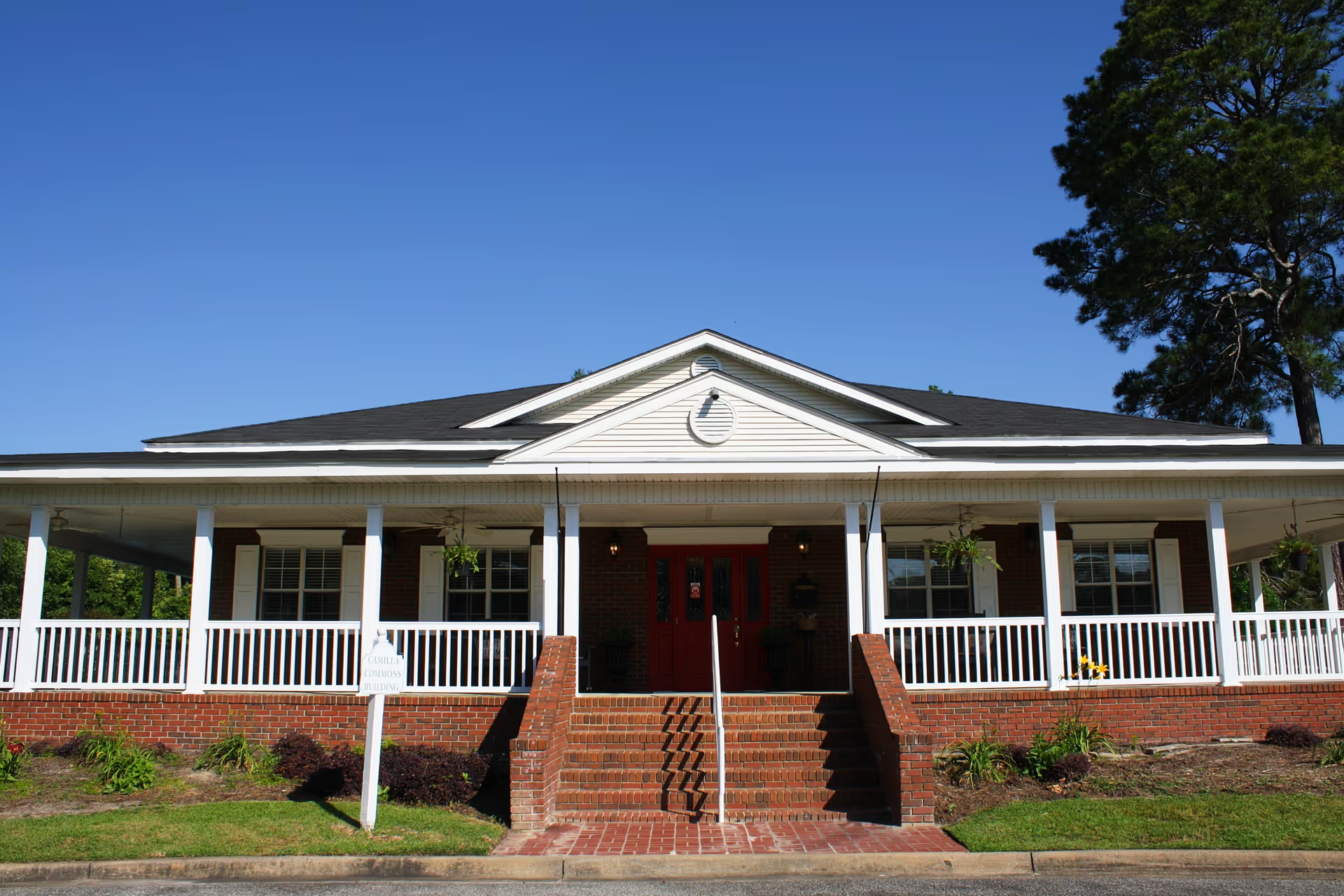
Facilities and sanitation: Facility-level feedback is uniformly favorable regarding cleanliness and maintenance. The building is described as immaculate, well-kept, and free of the common odor concerns often associated with long-term care settings. These observations suggest effective housekeeping and environmental-maintenance practices.
Management and workplace climate: A notable pattern contrasts strong frontline caregiving with concerns about leadership. Several comments express unease with management behavior, describing unprofessional decision-making influenced by personal feelings, alleged favoritism, and retaliatory actions toward staff. Some reviewers perceive managerial warmth as inauthentic. These leadership-related concerns appear separate from direct resident care but could affect staff morale, workplace stability, and long-term continuity of care if they persist.
Notable patterns and guidance for families: The dominant themes are high-quality, compassionate care and an orderly, clean facility, balanced against leadership and management-style concerns. Prospective residents and family members may benefit from asking about current leadership tenure, staff turnover rates, grievance/complaint procedures, and examples of how management supports staff development and conflict resolution. A visit and conversations with both frontline staff and administrators can clarify whether the praised caregiving culture is supported by consistent, professional leadership.