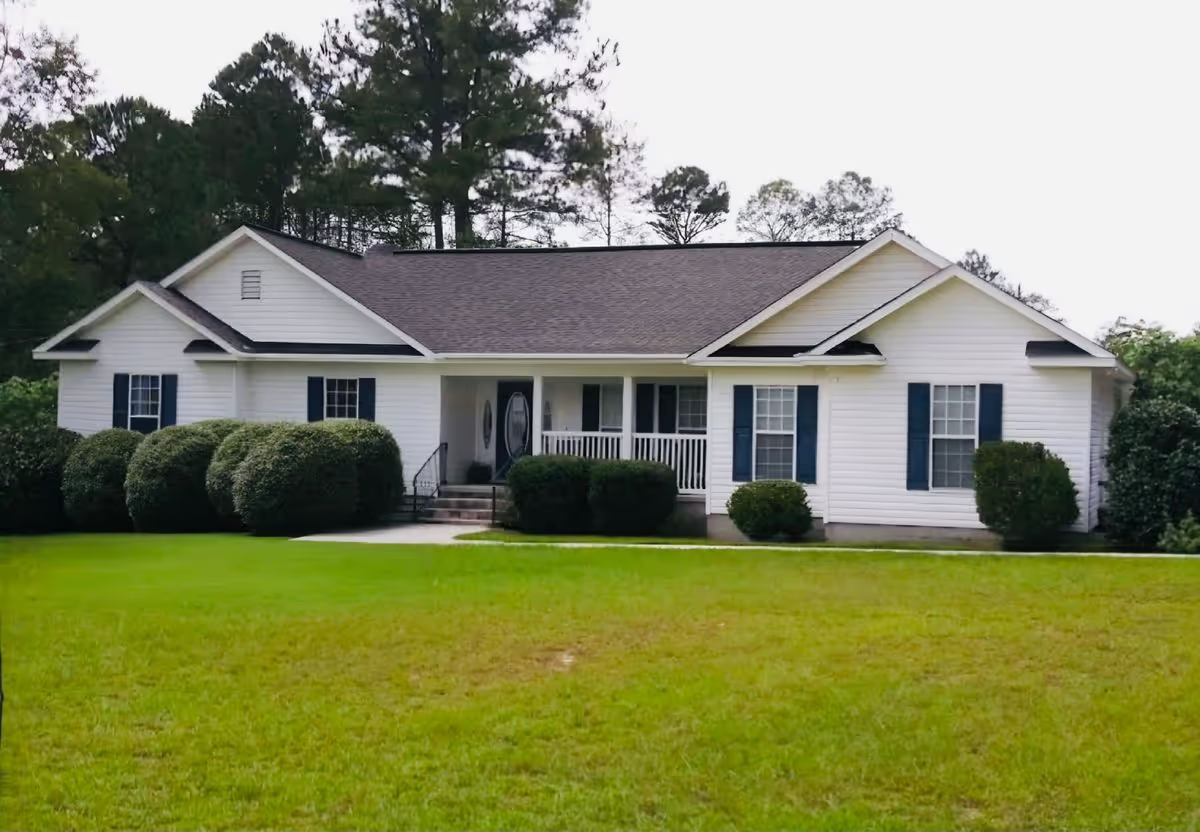
The reviews present a mixed picture of Willow Creek–Macon Personal Care Home. Positive accounts emphasize a small, home-like environment with private rooms, personable tour staff, and affordability through Medicaid acceptance. Several families described a recently renovated interior and clean common areas, and a subset of reviewers noted attentive administrators and direct-care staff who provided individualized attention. The facility's small size and domestic scale are seen as strengths by those who prioritized a quieter, more intimate setting.
Care quality descriptions are divided. Some families experienced compassionate, attentive care and direct involvement from administrators; others raised substantive concerns about clinical continuity. Notable operational themes include medication-management lapses, missed medication refills, and instances where clinical escalation and physician contact were delayed. There are also allegations of medication misadministration that contributed to hospital transfers; these are serious individual claims and underline the need for careful review of the facility's medication-safety protocols. Reviewers also referenced incidents suggesting weaknesses in transfer and fall-prevention practices.
Staffing and conduct present inconsistent patterns. Many reviewers praised friendly, caring staff and helpful tours, while other accounts described unprofessional conduct, difficulty locating staff, and perceived gaps in training. Staffing shortages and unpredictable scheduling were frequently mentioned, which reviewers linked to delays in care, limited activities, and variable responsiveness to family communication. Some families credited specific administrators for positive involvement, suggesting that leadership presence can improve individual cases, but overall facility-level management and organization were characterized as disorganized by multiple sources.
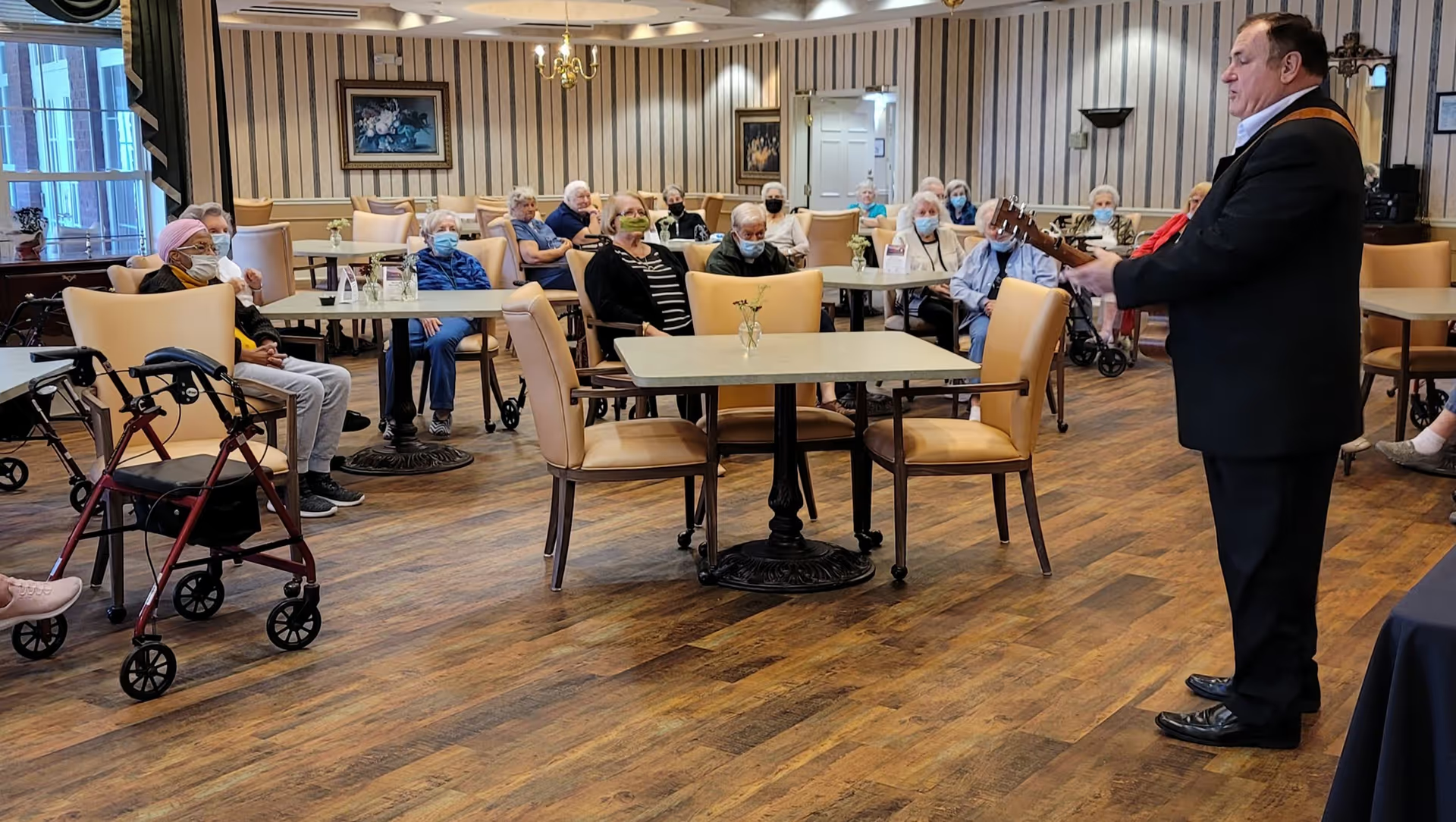
Dining and activities appear uneven. Several reviewers found lunchtime meals satisfactory, but overall meal quality was described as inconsistent and, for some residents, inadequate to maintain weight or dietary needs. Activity programming is limited; reviewers often described few structured social or recreational options, which may be typical for smaller personal care homes but represents a limitation for residents seeking more engagement.
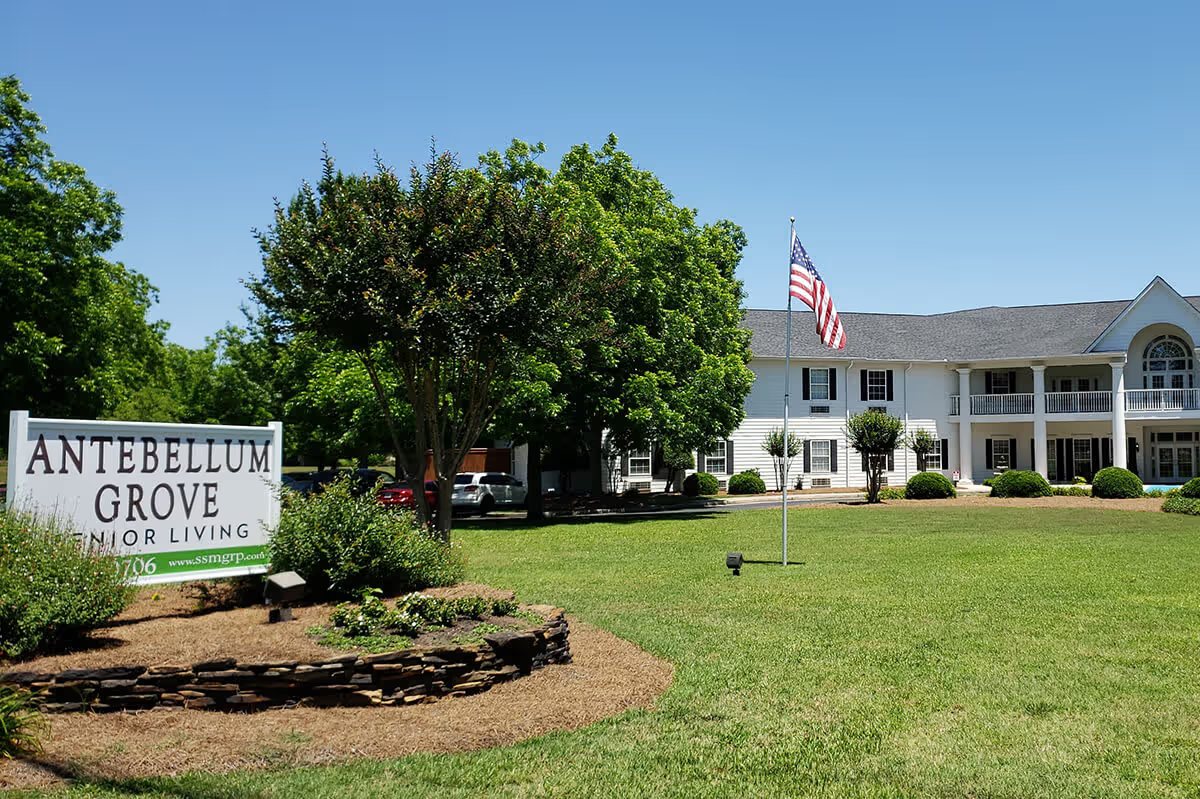
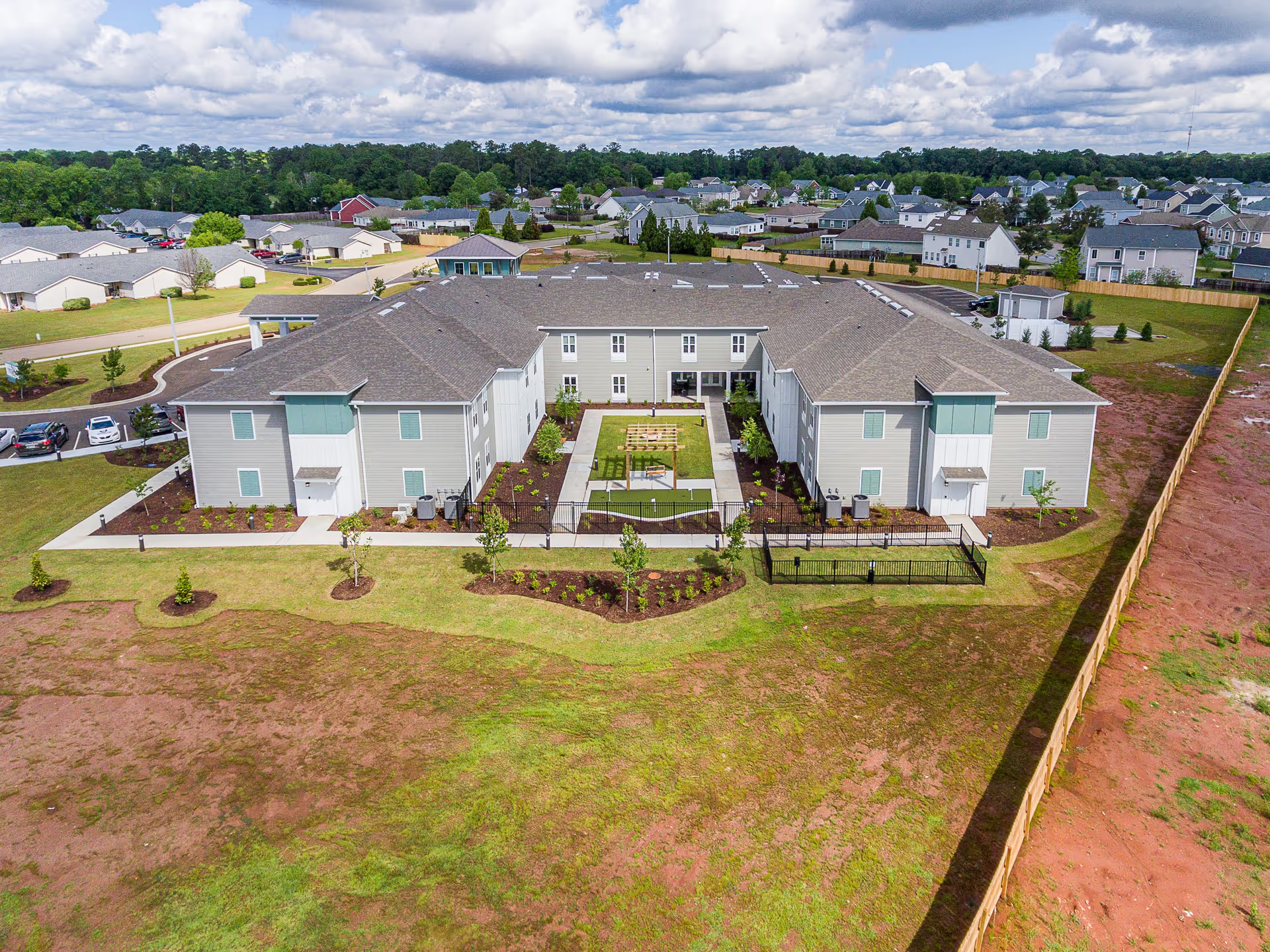
The physical plant shows both improvements and shortcomings. Interior renovations and updated rooms were noted alongside descriptions of dark or austere common spaces, small rooms without private baths, and exterior maintenance issues. Specific maintenance and sanitation concerns were raised, including pest-control concerns in food-preparation areas and unresolved minor repairs, indicating uneven upkeep across the property. Safety-related equipment and environmental features such as handrails in bathing areas were identified as lacking or in need of improvement.
Taken together, the pattern in reviews suggests a facility that can offer a warm, small-scale environment with affordable options and some strong individual staff members, but with notable operational weaknesses that have tangible clinical and quality-of-life consequences for some residents. Prospective residents and families should weigh the advantages of a smaller, home-like setting against the documented areas of concern—particularly medication safety, clinical escalation procedures, staffing consistency, meal adequacy, activity availability, and building maintenance—and consider asking for detailed, current policies and documentation on medication protocols, staffing levels, incident reporting, and recent corrective actions during tours or prior to placement.