Overall impression: Magnolia Manor presents a mixed but recognizable pattern: the facility's physical environment, rehabilitation services, and many front-line caregivers receive consistent praise, while operational weaknesses—primarily around staffing, responsiveness, and care-plan adherence—contribute to uneven family experiences.
Care and clinical services: The rehabilitation program is a clear institutional strength. Reviewers consistently describe knowledgeable, goal-oriented therapists and strong functional outcomes for short-term rehab patients. Several families credited therapy staff with measurable mobility and speech improvements. Nursing care assessments are described as competent in many accounts, with examples of attentive medication management and effective wound care. However, other reviews identify gaps in clinical follow-up, delayed medical updates, and inconsistent implementation of physician and dental care plans. These contrasting accounts suggest variability in clinical oversight and follow-through between different units, shifts, or individual teams.
Staff and culture: Daytime staff, therapists, and many nurses received praise for professionalism, compassion, and individualized attention, creating a family-like atmosphere for some residents. At the same time, a recurrent theme is inconsistent staffing—especially nights—and staff who appear overworked. Families describe delays responding to call lights, slow bathroom assistance, and variable conduct and communication tone from some caregivers. These patterns point to workforce strain that affects resident experience and safety, particularly during off-peak hours.
Dining and activities: Activities programming and socialization opportunities are frequently cited as positive features; the activities director and therapy-led social engagement are strengths. Dining quality is uneven in the reviews: some families praise flavorful meals and pleasant dining spaces, while others report cold or poorly timed meals and food-handling concerns. Prospective families should ask about meal schedules, special-diet accommodations, and monitoring of weight and intake when nutrition is a concern.
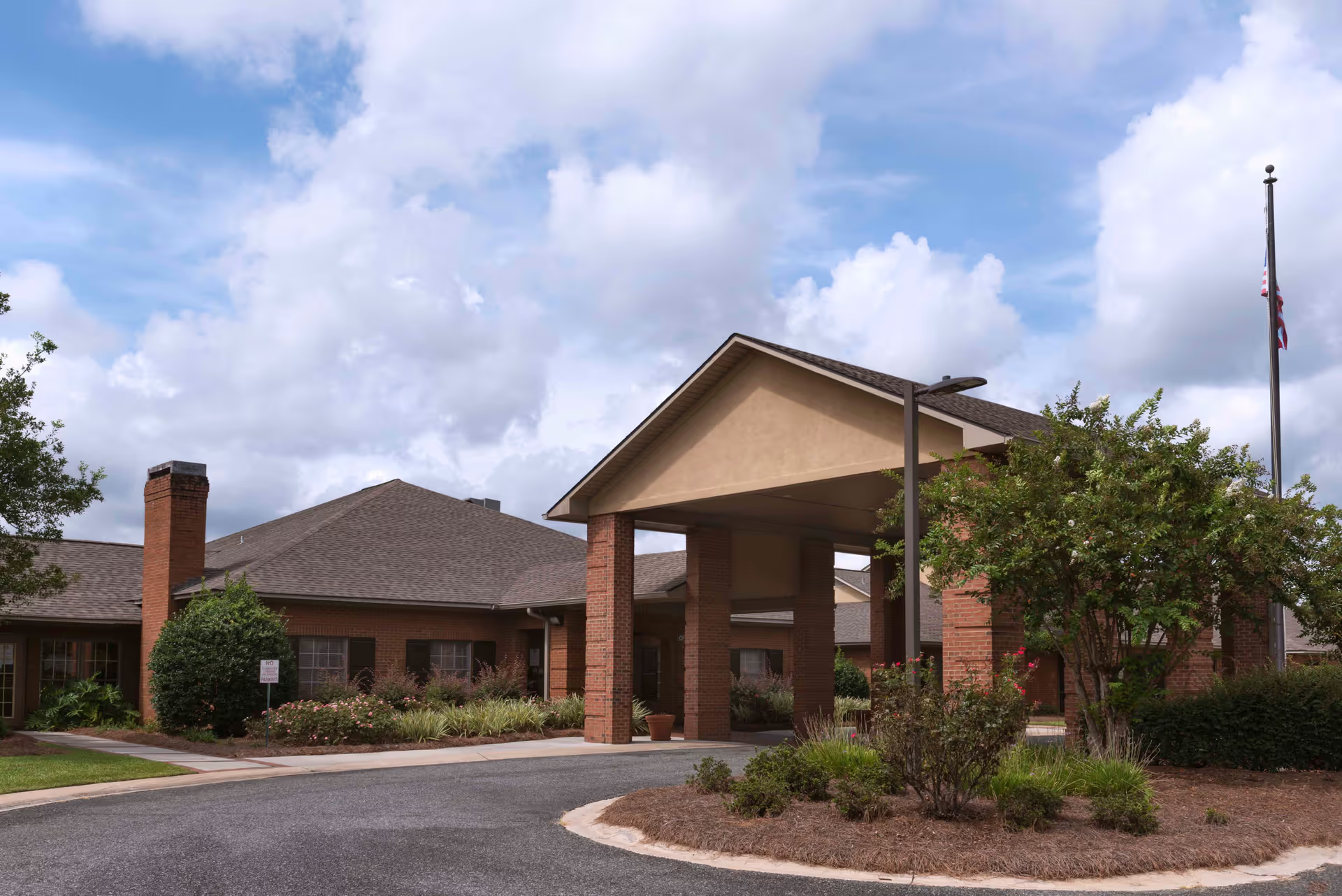
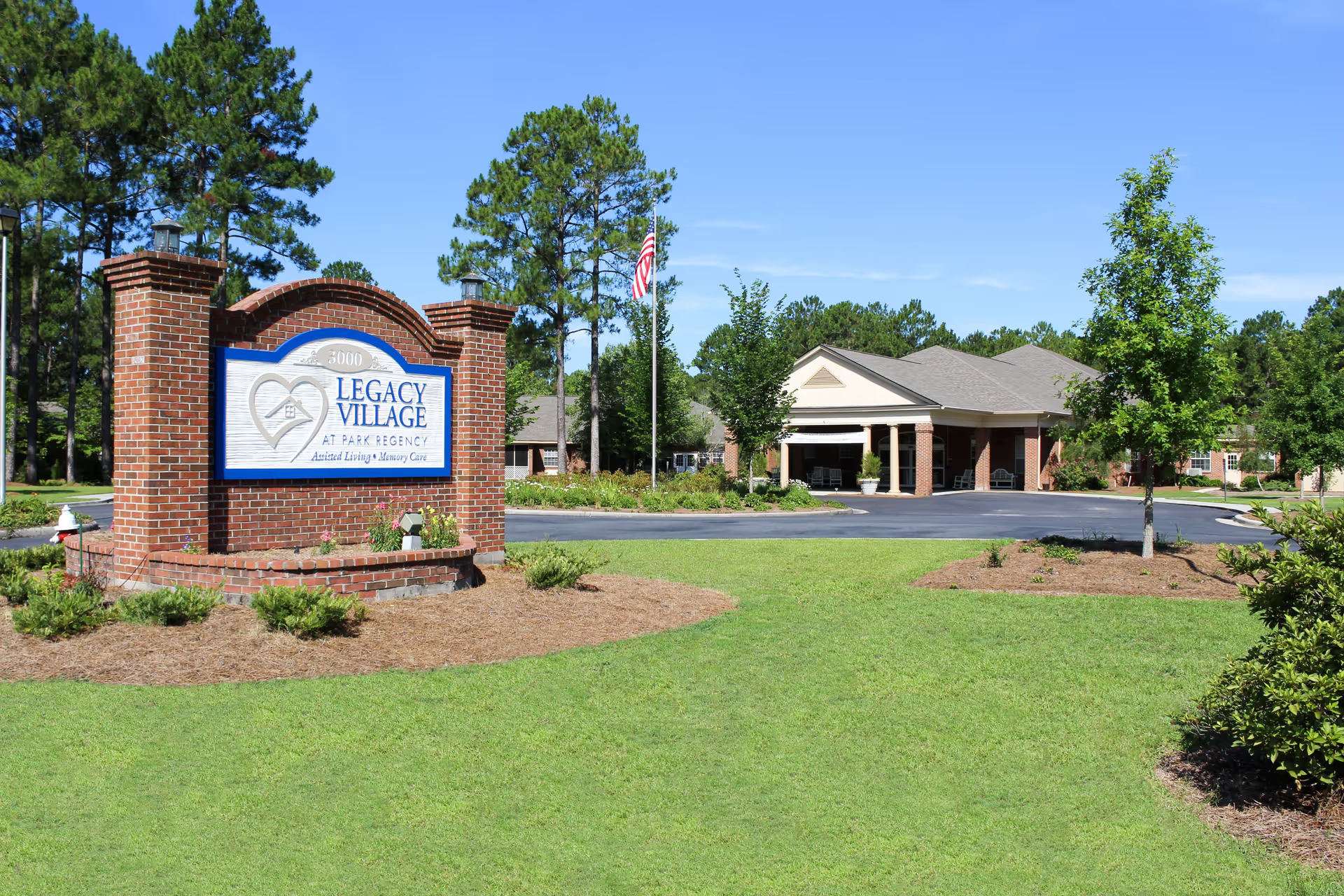
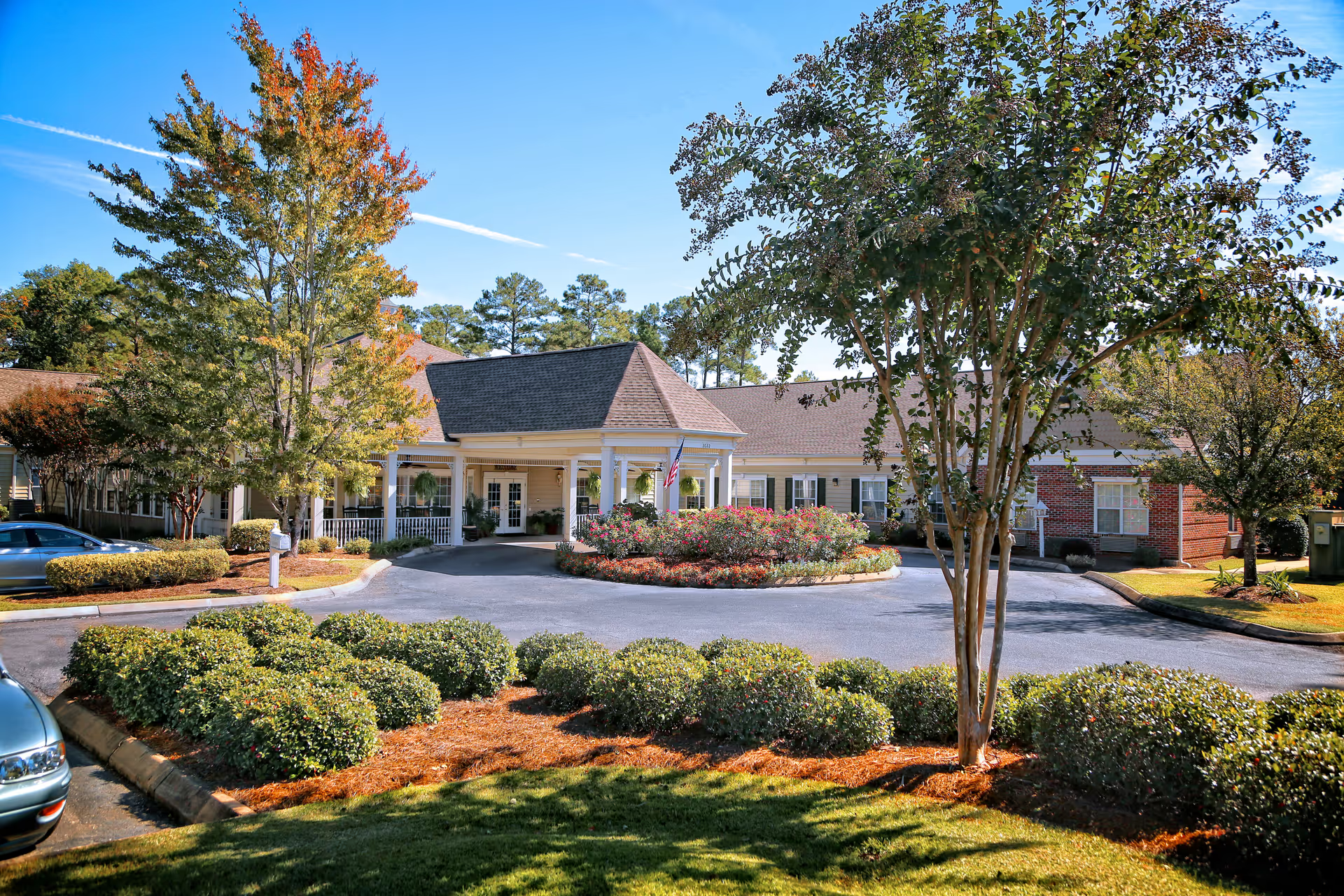
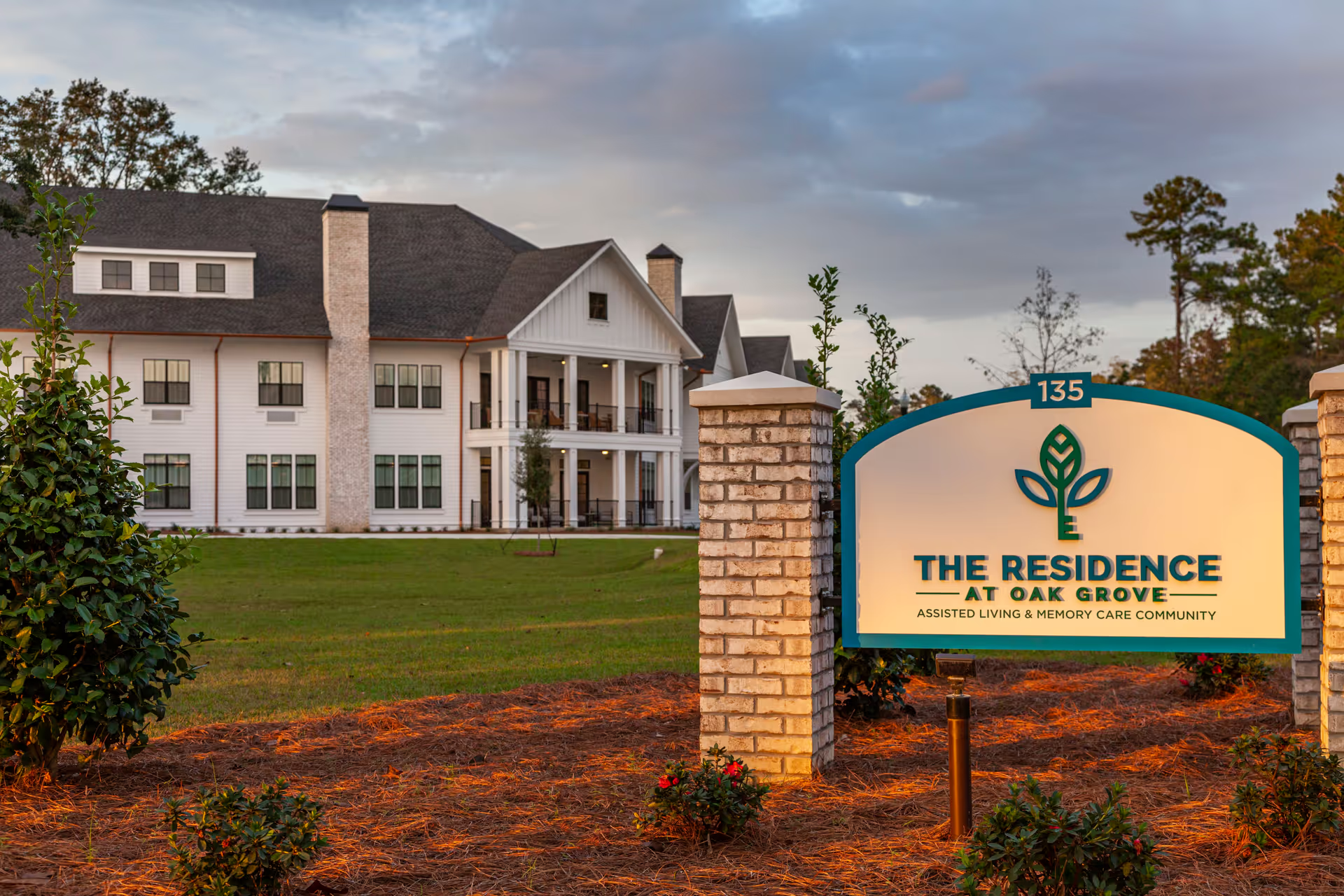
Facilities and sanitation: The building, common areas, and therapy equipment are repeatedly described as clean, attractive, and well-maintained, contributing to a resort-like feel for many. Nevertheless, some reviews raise sanitation and room-maintenance issues (including bedding changes and localized pest-control concerns). These appear episodic but are significant where they occur; they suggest variability in environmental services performance across units or shifts.
Management, communication, and care coordination: Administrative responsiveness is uneven. Some families report timely email communication, helpful social work coordination, and effective use of video conferencing for family contact. Others cite poor phone responsiveness, long hold times, and insufficient communication about hospitalizations and discharge planning. There are also isolated but serious allegations related to documentation accuracy and missed medications; while these do not appear universal, they merit careful inquiry by prospective residents and families.
Patterns and recommendations: The dominant pattern is one of strong rehabilitation and many dedicated daytime staff, combined with operational fragility tied to staffing levels, night-shift coverage, and inconsistent adherence to care plans. Prospective residents and families should (1) observe staffing levels and shift handoffs, especially at night; (2) inquire about call-light response times, transfer safety protocols, and fall-prevention measures; (3) review how the facility documents and communicates clinical updates and care-plan changes; (4) ask about infection control, pest management, and environmental-services schedules; and (5) clarify meal-service policies and weight-monitoring procedures if nutrition is a concern.
Conclusion: Magnolia Manor offers notable strengths in rehabilitation, therapy-driven outcomes, and a generally well-maintained environment. These positives are tempered by operational inconsistencies—most prominently staffing, responsiveness, and variable adherence to individualized care plans—that can materially affect resident experience. Families considering placement should validate the facility's performance on the specific operational areas most important to their loved one (night staffing, clinical follow-up, transfers, and nutrition) before committing.