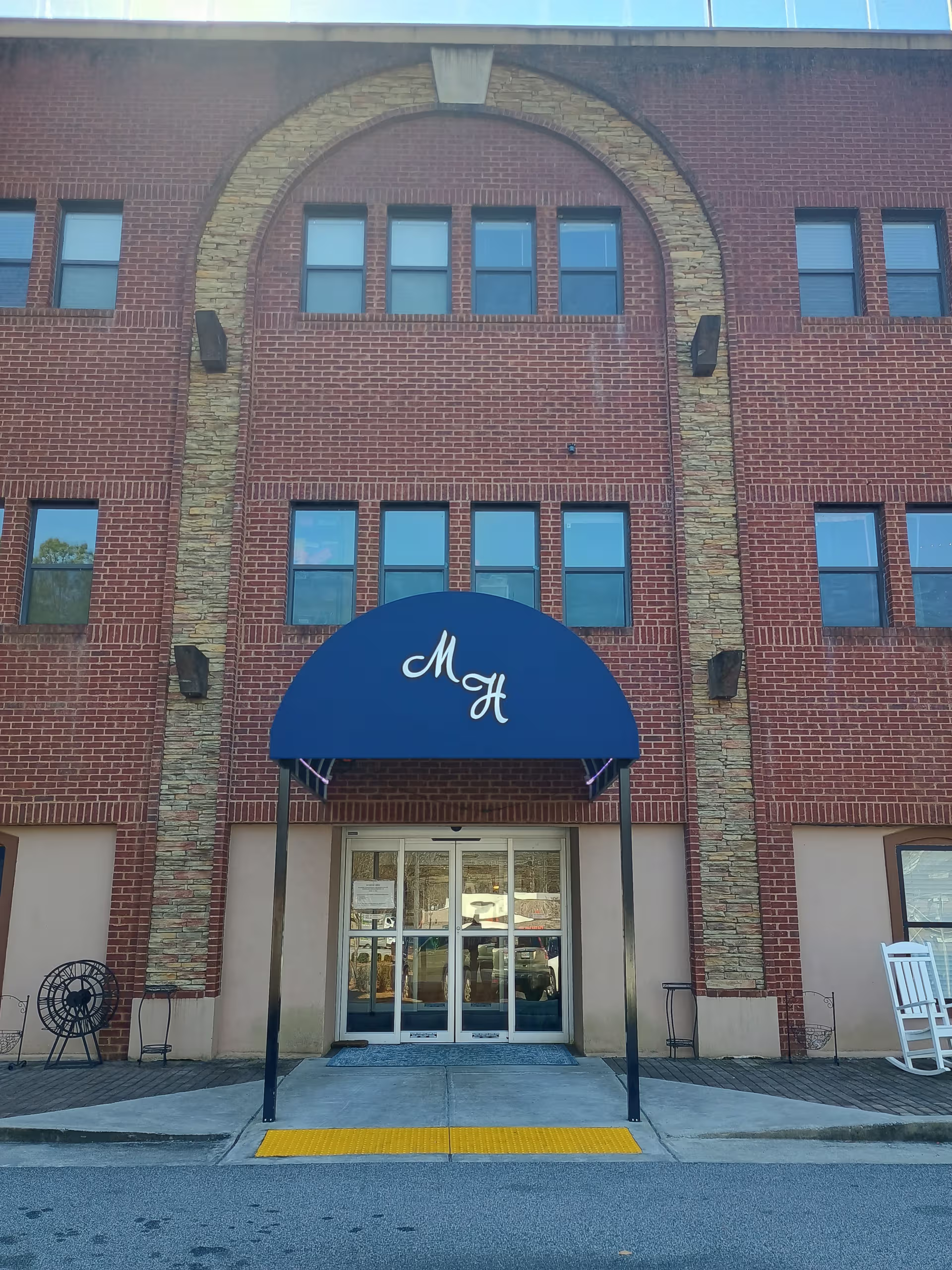
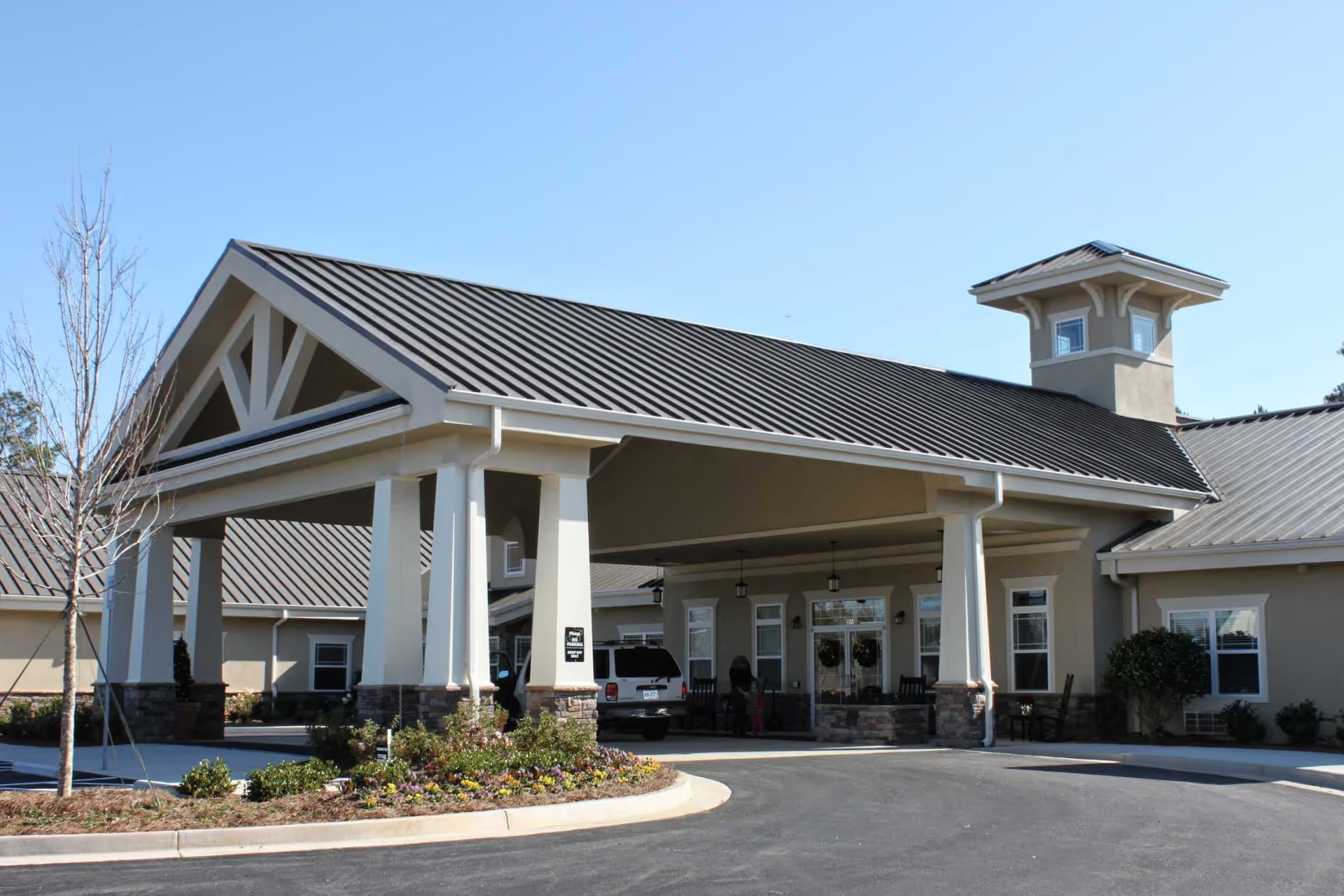
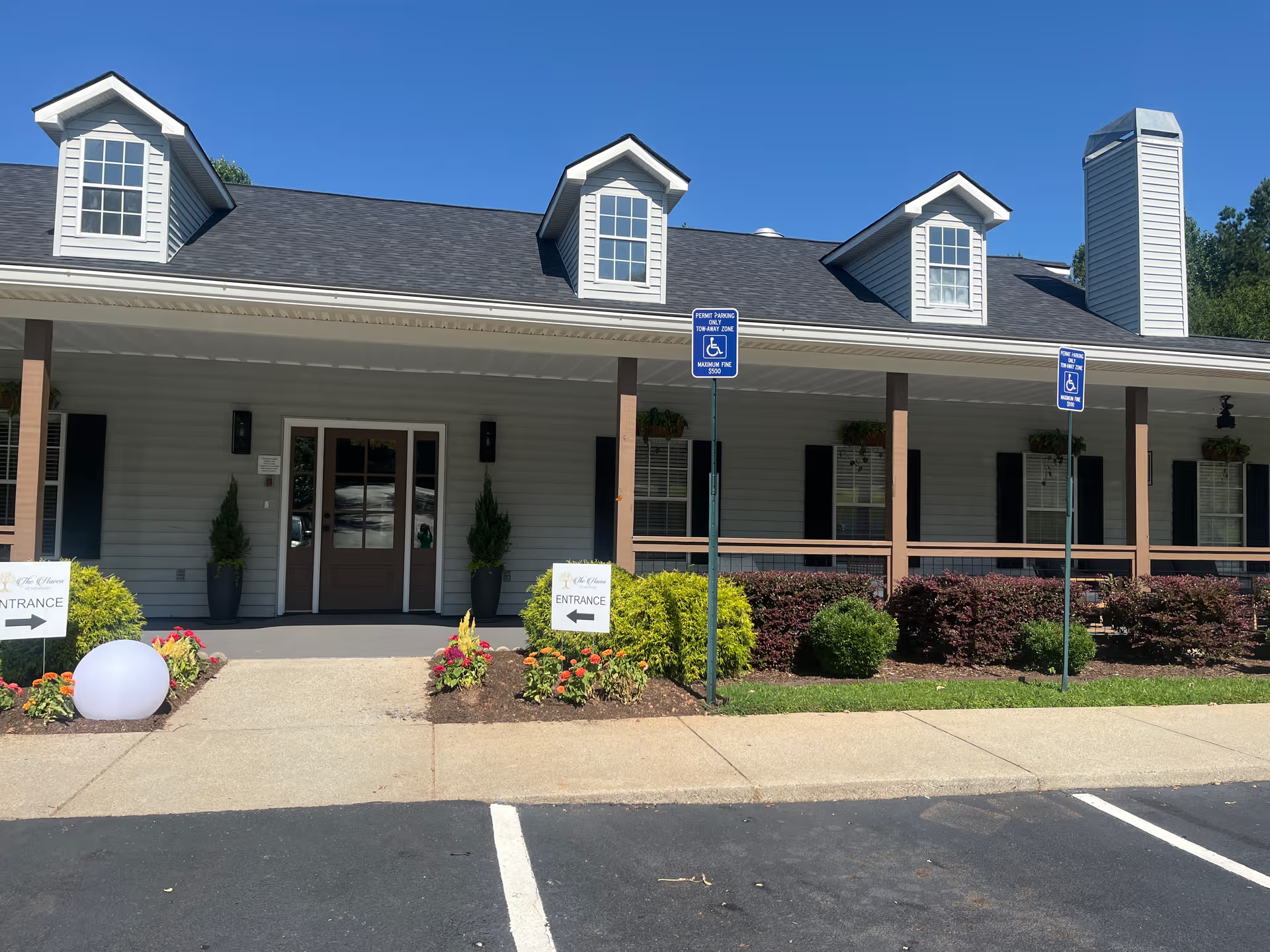
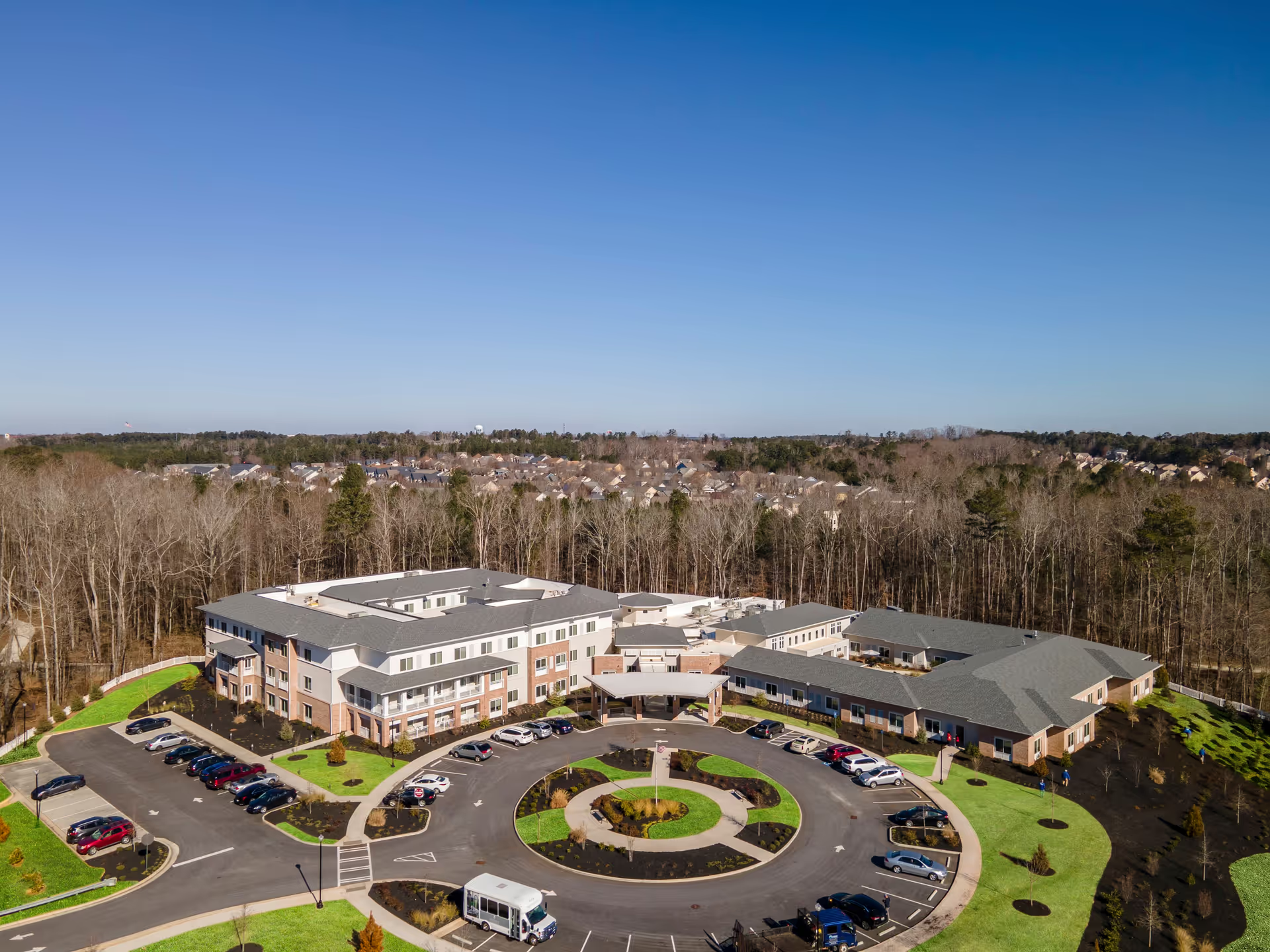
Overall impression: Reviews present a mix of consistently strong operational areas alongside recurring operational concerns. Many families and residents describe a warm, family-like atmosphere supported by staff who are attentive, welcoming, and relationship-oriented. At the same time, a pattern of variability emerges: some households report an excellent, nearly turnkey experience while others identify service gaps that affect daily comfort and confidence.
Care and staff: The facility's strongest and most frequently praised element is staff attitude and resident rapport. Numerous accounts highlight compassionate caregivers, attentive nursing, friendly reception, and staff who ease move-in transitions. However, staffing stability is a notable operational risk. High turnover and inexperienced staff were linked to uneven care continuity and occasional lapses in routine assistance. Reviewers also described delays or errors in prescription handling and medication coordination, indicating gaps in medication-management processes that prospective families should monitor.
Dining and nutrition: The dining program is generally viewed as an asset: a varied daily menu, attractive cafeteria, and options for room delivery are cited positively. Several accounts describe fresh fruit, good presentation, and accommodating staff. At the same time, meal quality is inconsistent for some residents—substitute kitchen staffing and occasional service interruptions were associated with declines in perceived food quality. Overall, dining is a strength but one that can fluctuate with staffing and kitchen continuity.
Activities and social life: Programming is broad and includes bingo, trivia, outings, worship services, bus trips, and field trips. The calendar reflects an active social environment and opportunities for engagement, and many residents enjoy the offered events. Execution of the calendar, however, appears inconsistent: activity staff availability, communication about schedule changes, and resident participation levels vary. Prospective residents should ask about current activity staffing and how program changes are communicated.
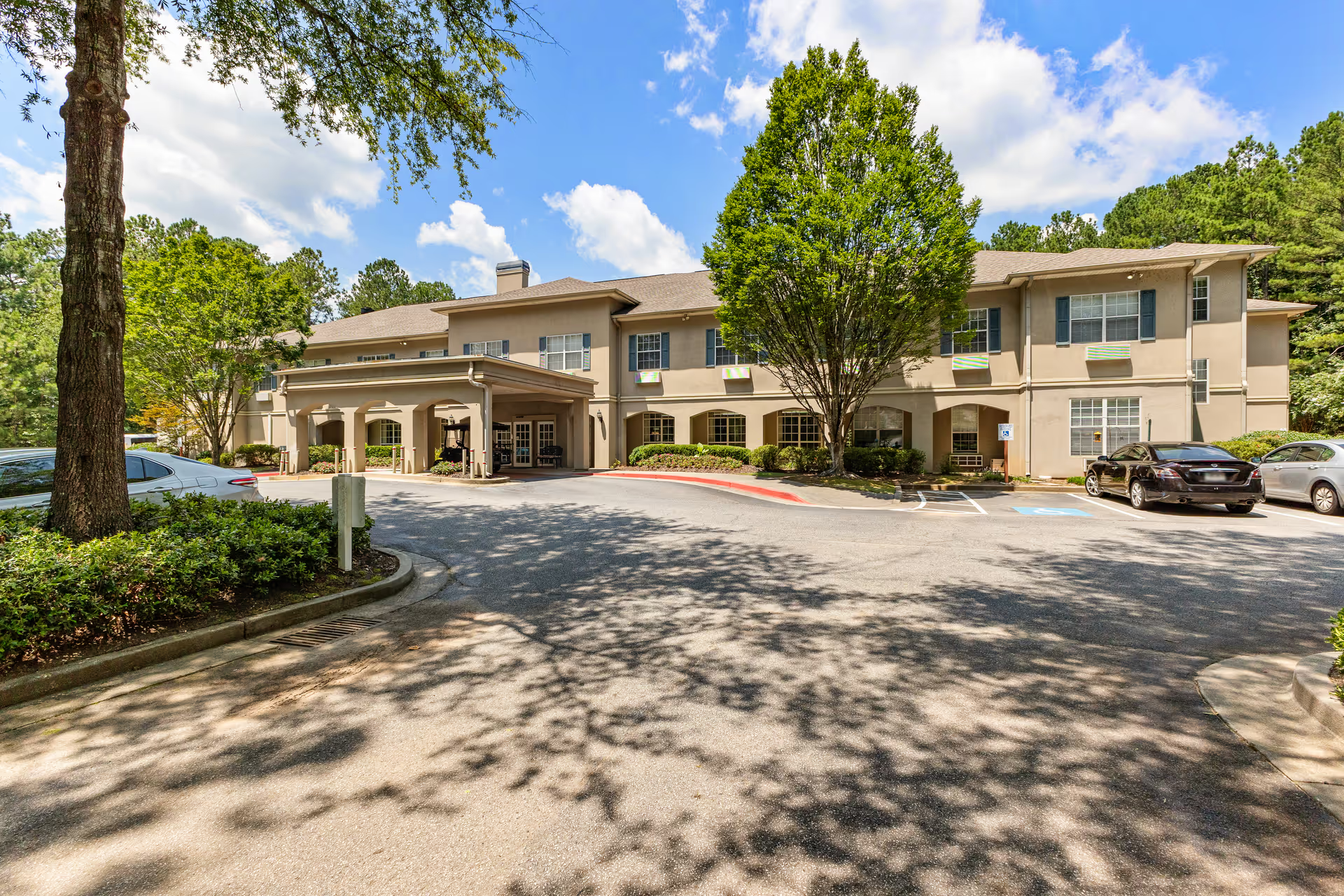
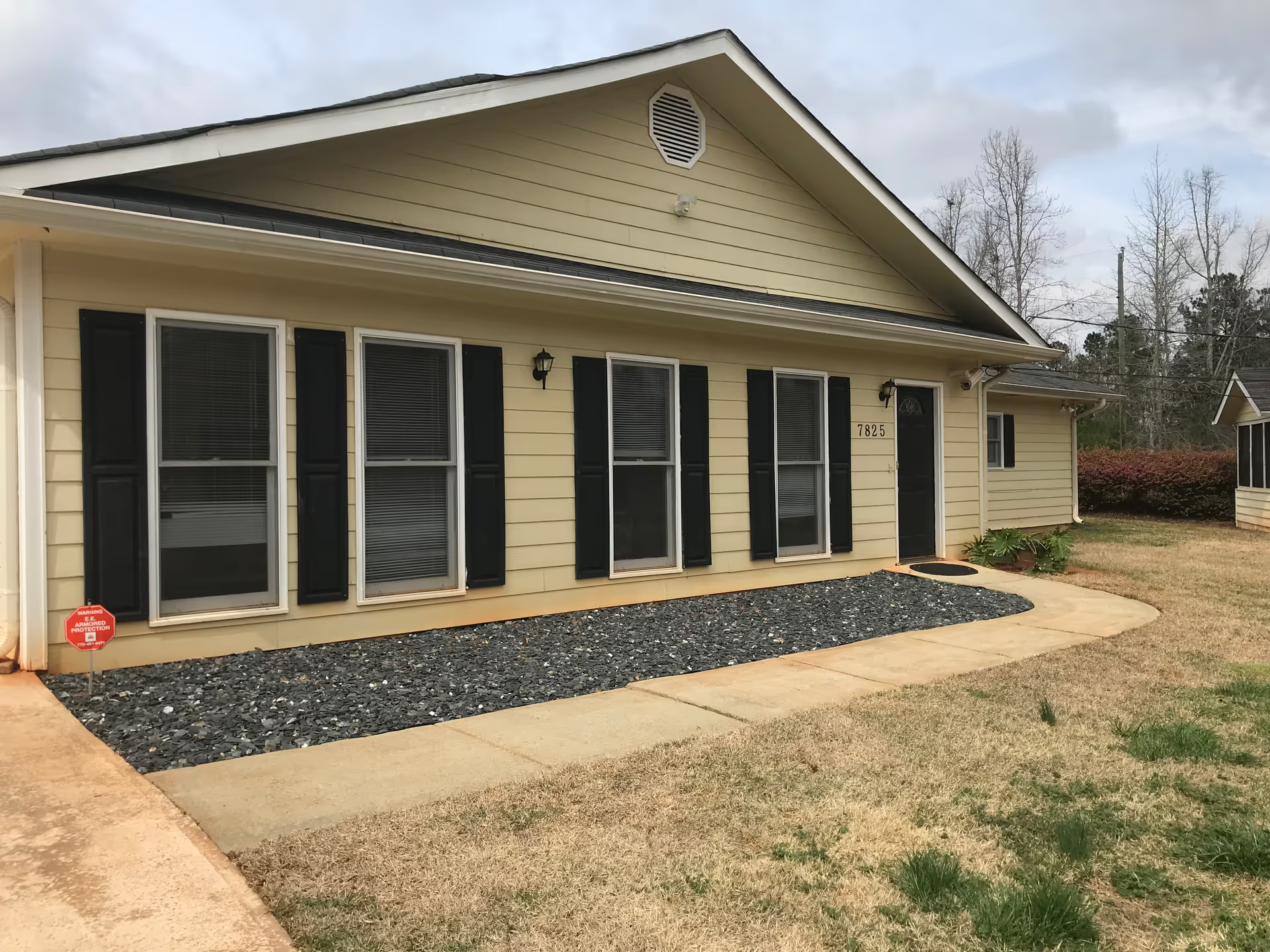
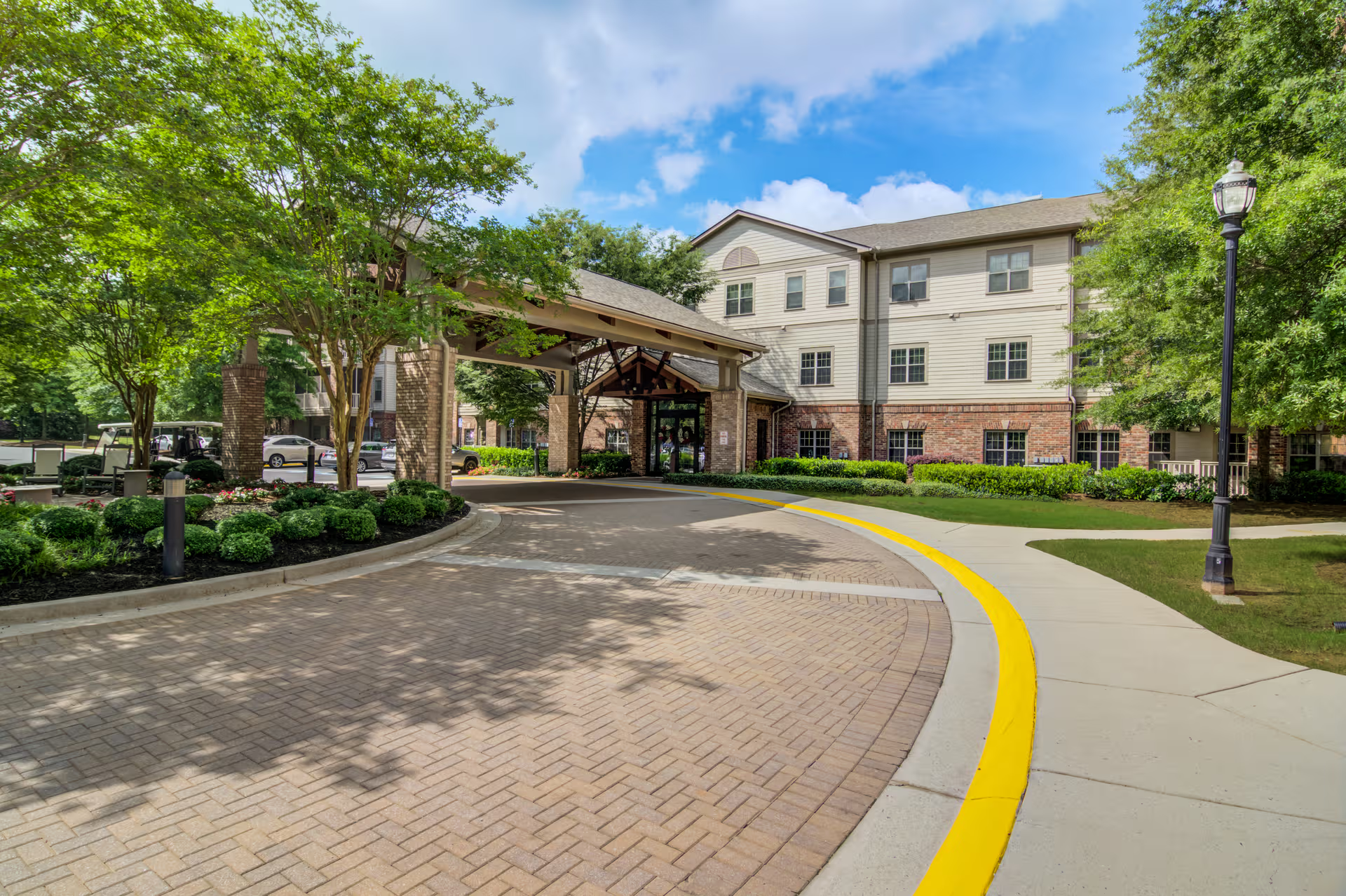
Facilities and housekeeping: Many reviewers praise clean, modern, well-maintained apartments, common areas, and outdoor spaces such as courtyards and patios. Safety features in units (grab bars, accessible showers) and conveniences like balconies and two-bedroom layouts are noted positively. Conversely, some comments indicate maintenance and accessibility issues (door access challenges, equipment damage), and sanitation or pest-control concerns were called out in certain units. Housekeeping frequency is generally a plus (weekly cleaning, linen service), but others reported inconsistent personal-care schedules and linen changes, suggesting variability in execution.
Management, communication, and cost: Experiences with management range from highly positive—responsive executive directors and helpful admissions teams—to critical observations of weakened oversight after leadership changes. Communication gaps appear in areas such as medication updates, care-team coordination, billing paperwork, and COVID-testing procedures; corporate billing assistance was identified as helpful in several cases. Cost perception is mixed: some families feel services justify the price and see good value, while others cite affordability concerns tied to upcoming rate increases or perceived declines in service for the price.
Notable patterns and recommendations: The facility offers many of the attributes families seek in assisted living—compassionate staff, engaging programming, on-site dining, and a clean, modern environment—but reported inconsistency is the dominant theme. Differences in experience appear linked to staff turnover, specific shifts or teams, and episodic maintenance or sanitation issues. Prospective residents and families would benefit from targeted questions during a tour: current staffing stability and turnover rates, medication-management protocols, pest-control and housekeeping schedules, how activity cancellations are handled, and recent or planned rate changes. Asking for references from current families and observing meal service and an activity in real time can help assess whether the facility’s strengths are consistent with a particular household’s needs.