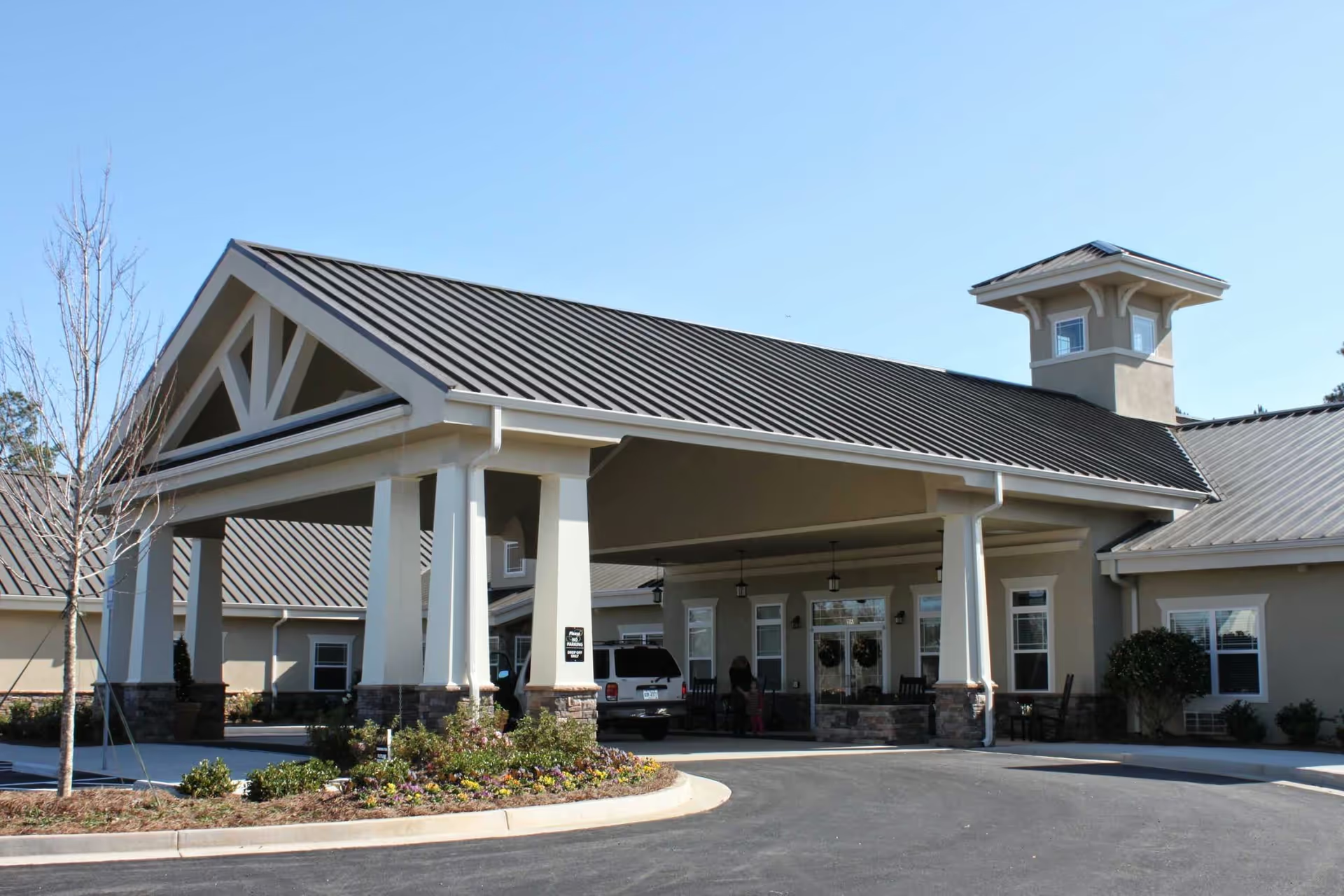
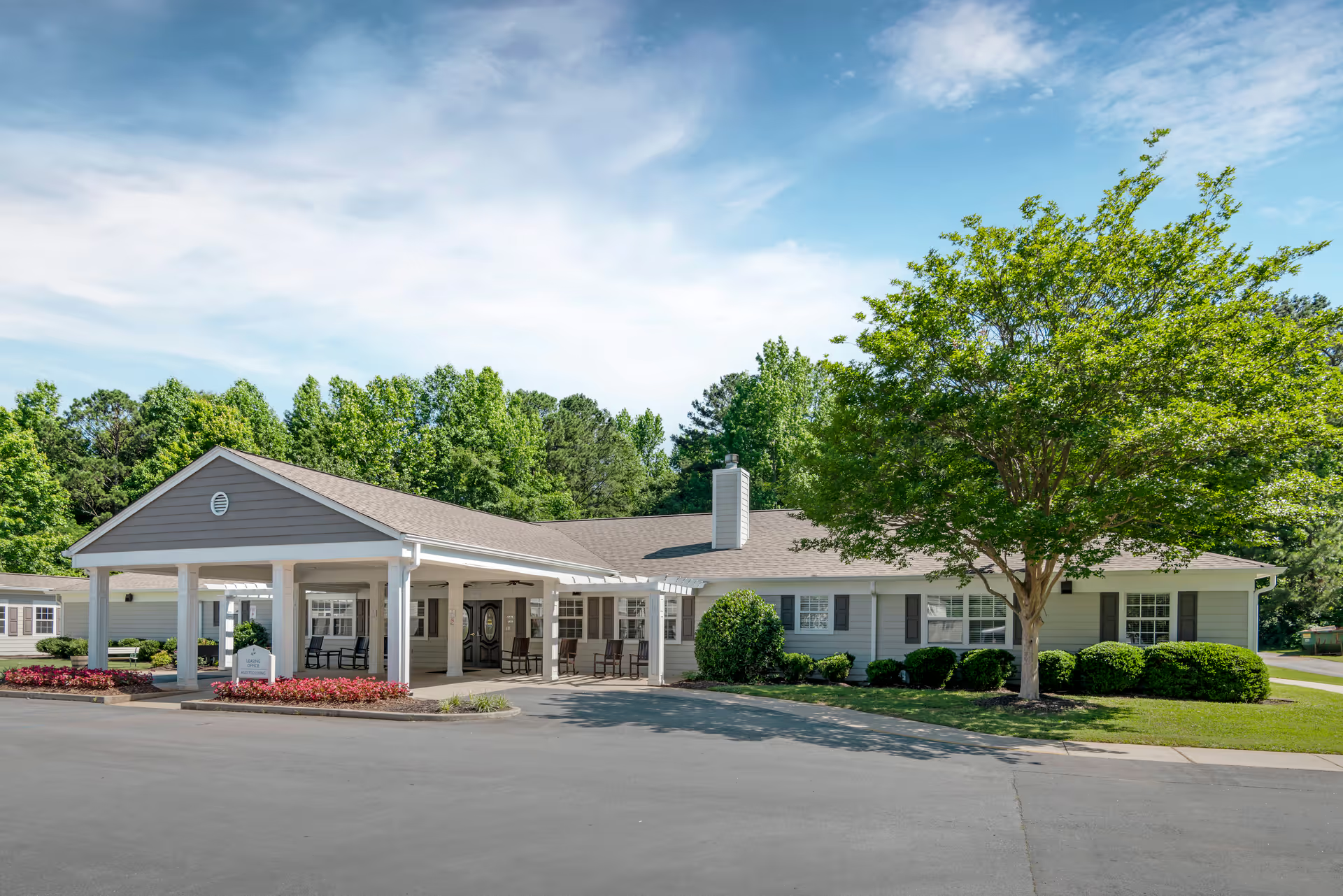
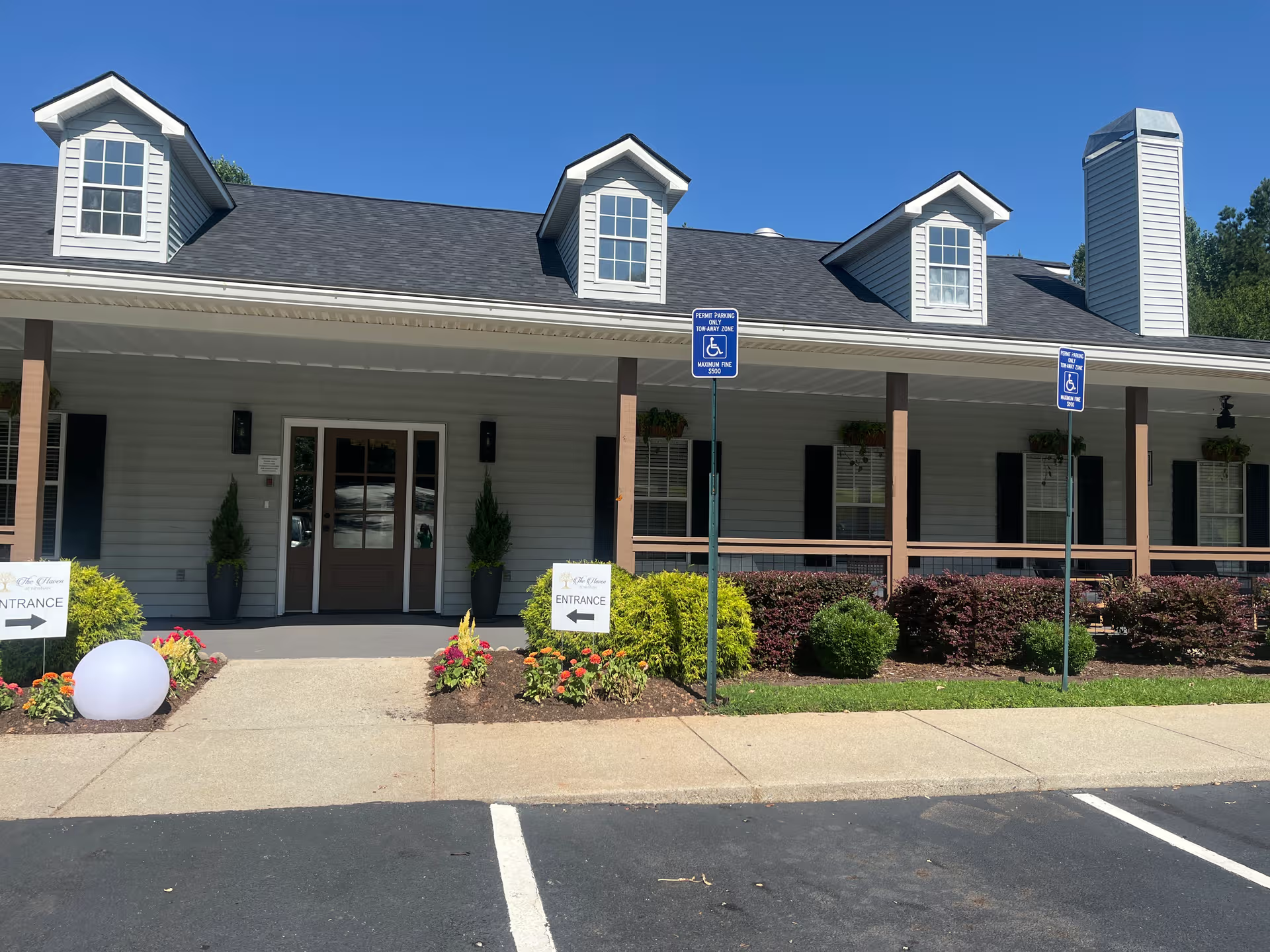
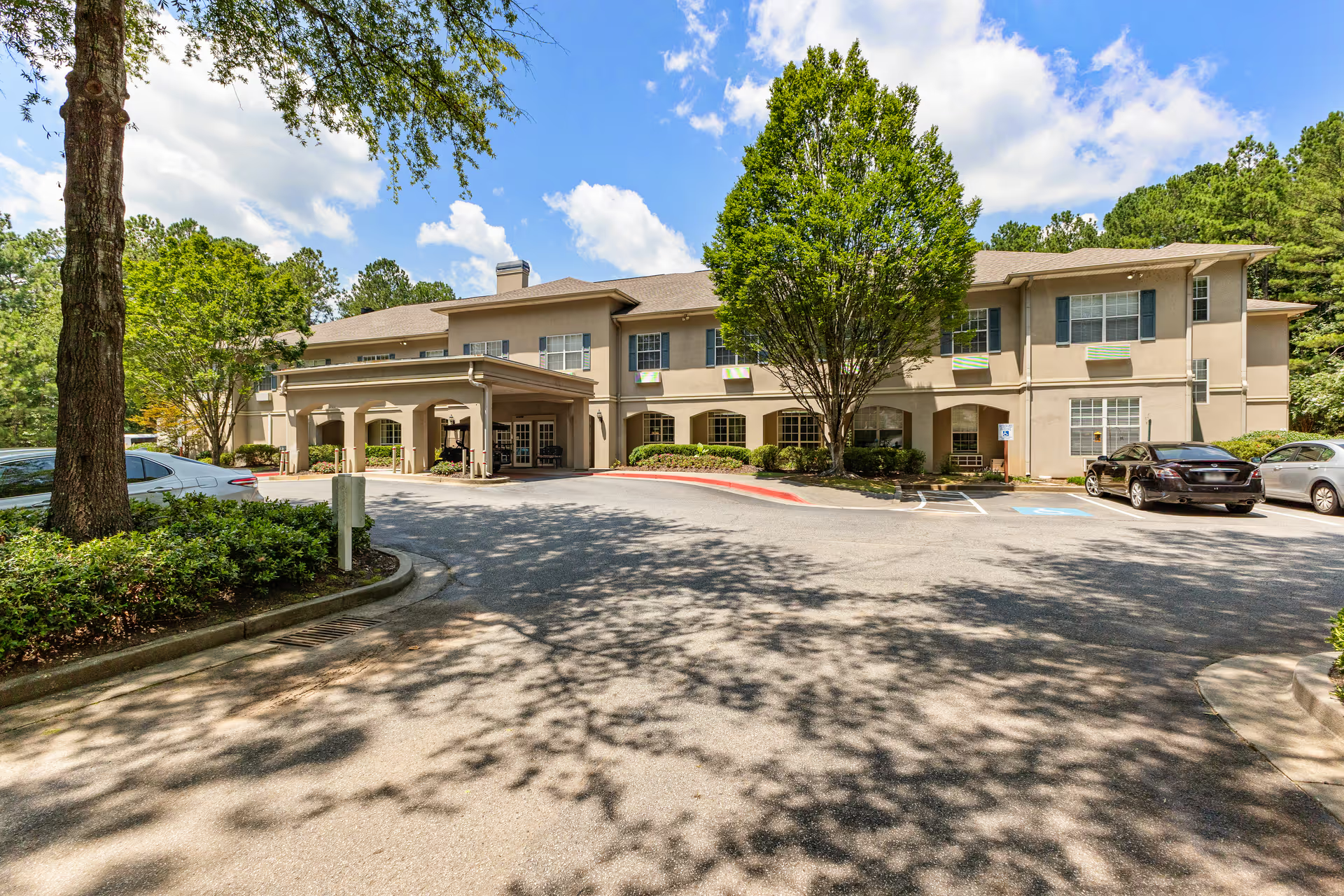
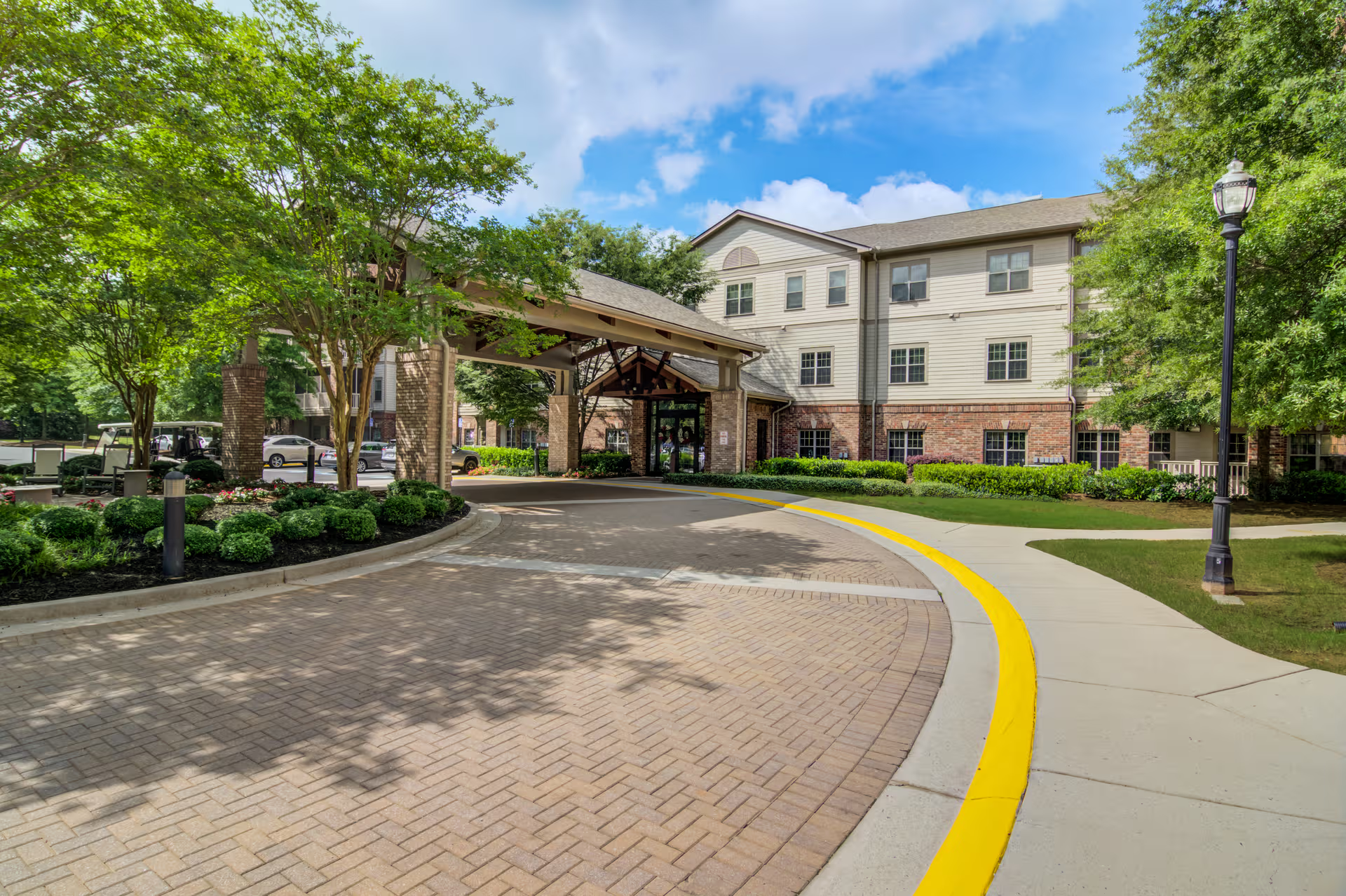
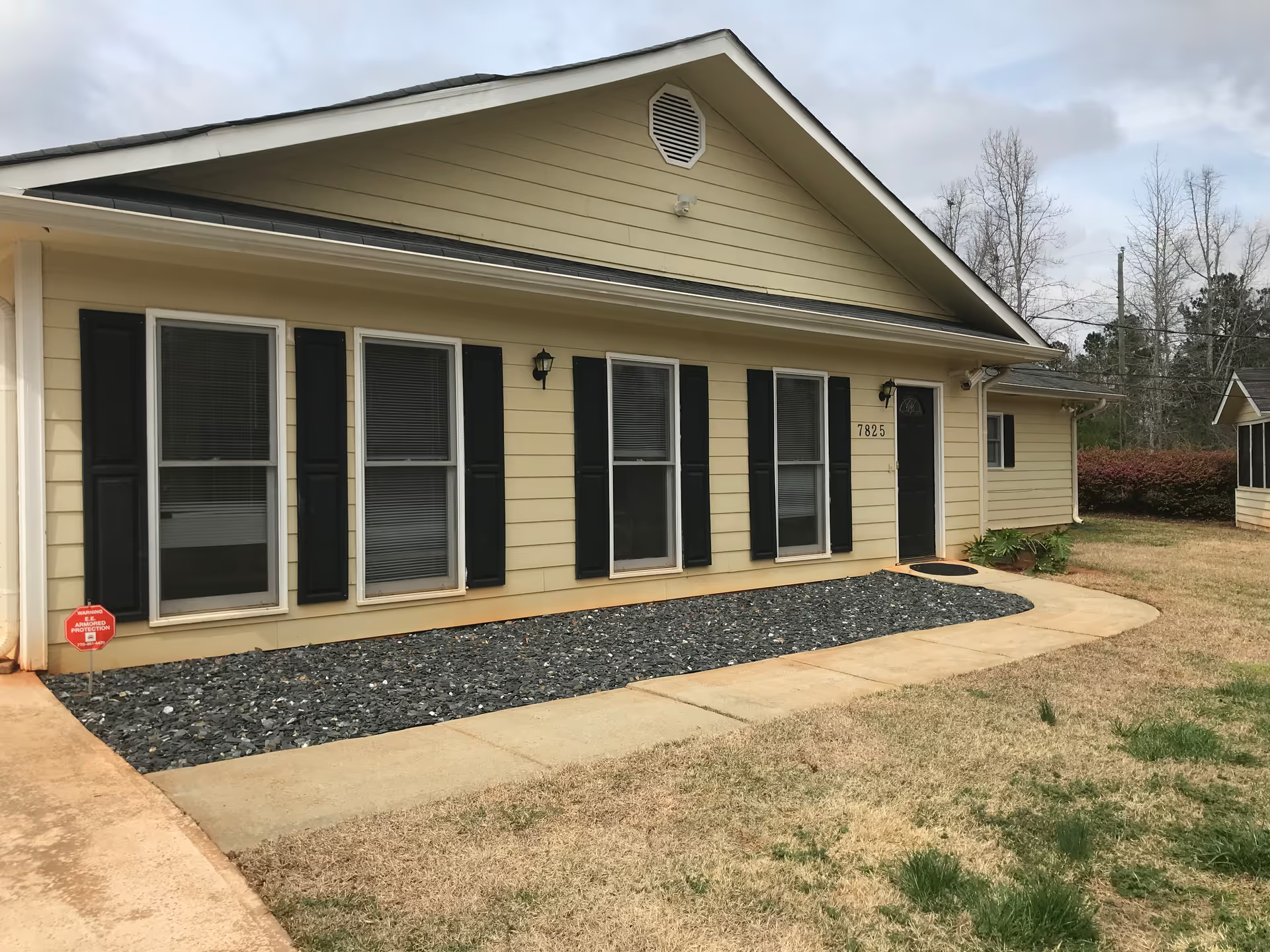
Westhill Newnan Crossing receives strongly positive feedback for its attractive, clean setting and the warmth of many staff members. Families and residents frequently describe a welcoming atmosphere, supportive move-in experiences, and staff who learn residents’ names and help them feel at home. Positive accounts also describe attentive nursing, individualized support as needs change, and good communication with families. Other accounts, however, raise significant concerns about staffing levels and consistency, especially in memory care and during off-hours. These differing experiences suggest that care can vary by department, staffing period, and resident needs.
Dining feedback is mixed. Many residents and families praise the food, menu variety, dining room, and chefs’ efforts to accommodate preferences such as vegetarian meals. Other accounts cite meals that are inconsistent in quality, slow to arrive, or not well suited to specific dietary needs, including diabetic diets. Some families also describe delays in assistance, uneven delivery of bathing and laundry services, and concerns about medication administration or clinical monitoring. These issues are particularly important for families considering memory care or residents who need more frequent hands-on support.
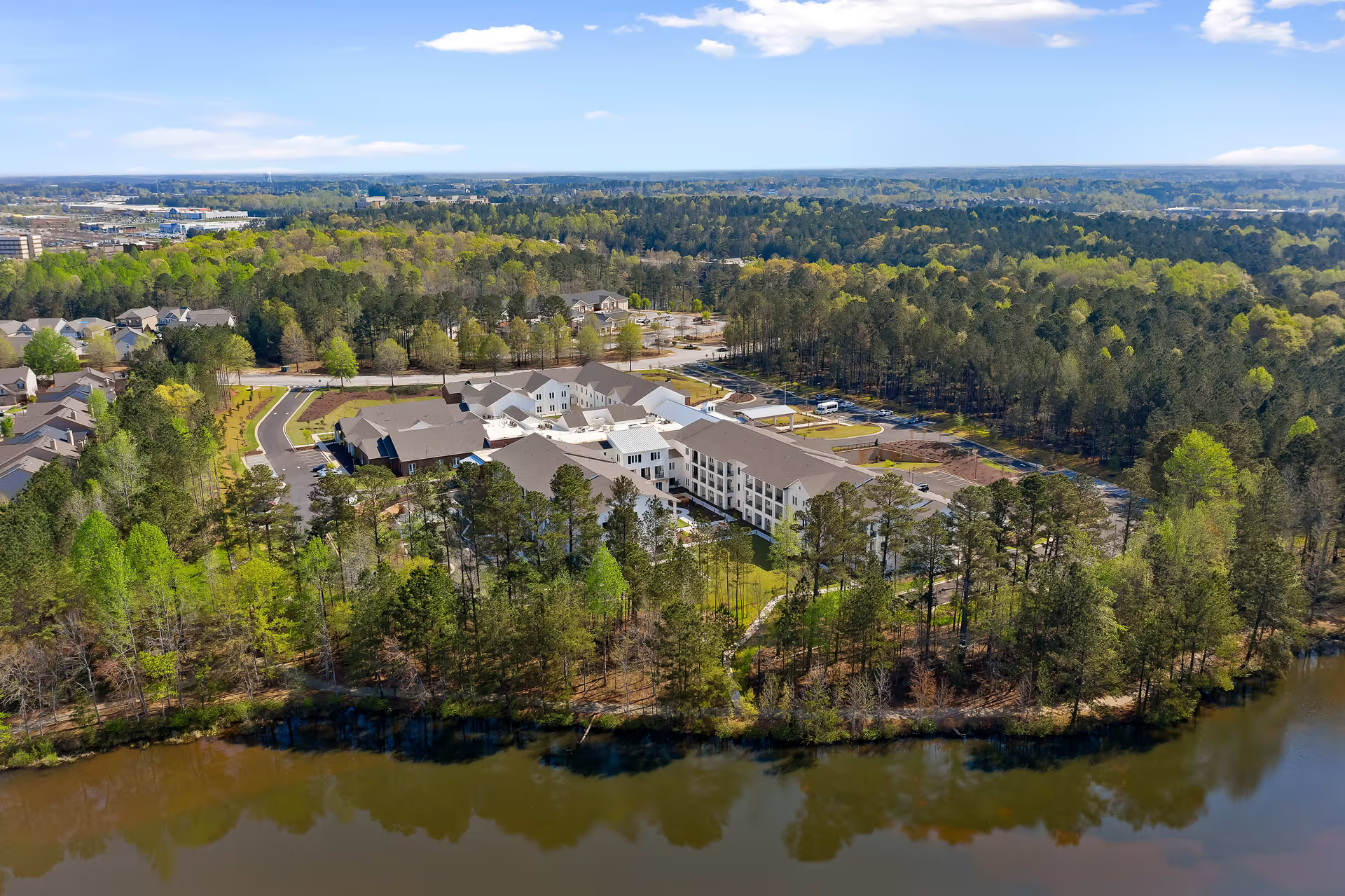
The community’s physical environment is a consistent strength. Reviews describe spacious, comfortable rooms, attractive outdoor areas, and amenities including a pool, spa, fitness equipment, bistro, and inviting common spaces. Residents and visitors also cite a broad activity calendar, social events, music, exercise, art, and cooking activities. At the same time, some families—particularly those discussing memory care—found engagement and stimulation inconsistent. Transportation, maintenance response, and the pace of meal service also receive mixed feedback.
Views of management and operations vary. Some families praise accessible leaders, clear communication, and prompt attention to concerns; others describe leadership changes, limited follow-through, and staffing pressures that they believe affect daily care. One family raised end-of-life care concerns following a resident’s death after a urinary infection during COVID-era visitation restrictions. This is an individual account, but it underscores the importance of asking about infection monitoring, escalation procedures, and family communication. Prospective residents and families may wish to visit during different shifts, review staffing and care capabilities for their specific needs, and ask how the community monitors medication, personal care, meals, and response times.