Care quality: Reviewers consistently praise the direct-care staff for compassionate, person-centered attention. Multiple accounts highlight nurses and aides who take time to know residents, include families in care planning, and provide strong end-of-life support. Rehabilitation and therapy services are described as active and accessible, with frequent PT visits and physician access noted. At the same time, reviewers described variability in responsiveness across shifts, with daytime staff generally perceived as stronger; this points to an operational inconsistency in staffing or supervision.
Staff and management: The facility receives considerable positive feedback for individual caregivers identified by name for professionalism and warmth. Families noted inclusion in the plan of care and a supportive approach from many team members. However, there are also concerns about staff conduct and communication tone in certain interactions; one review raised concerns about the director of nursing's professionalism. In addition to interpersonal issues, reviewers mentioned delays in addressing clinical needs (for example, equipment provisioning), indicating gaps in supply-response workflows and clinical-incident follow-up.
Dining and activities: Meal service is a recurring positive theme—residents are described as receiving three meals daily and eating well. Recreational offerings such as bingo are present and contribute to residents' social engagement. Still, some reviewers implied that activity levels vary by unit, and the secured dementia wing may offer fewer opportunities for interaction, creating a potential risk of social isolation for memory-care residents.
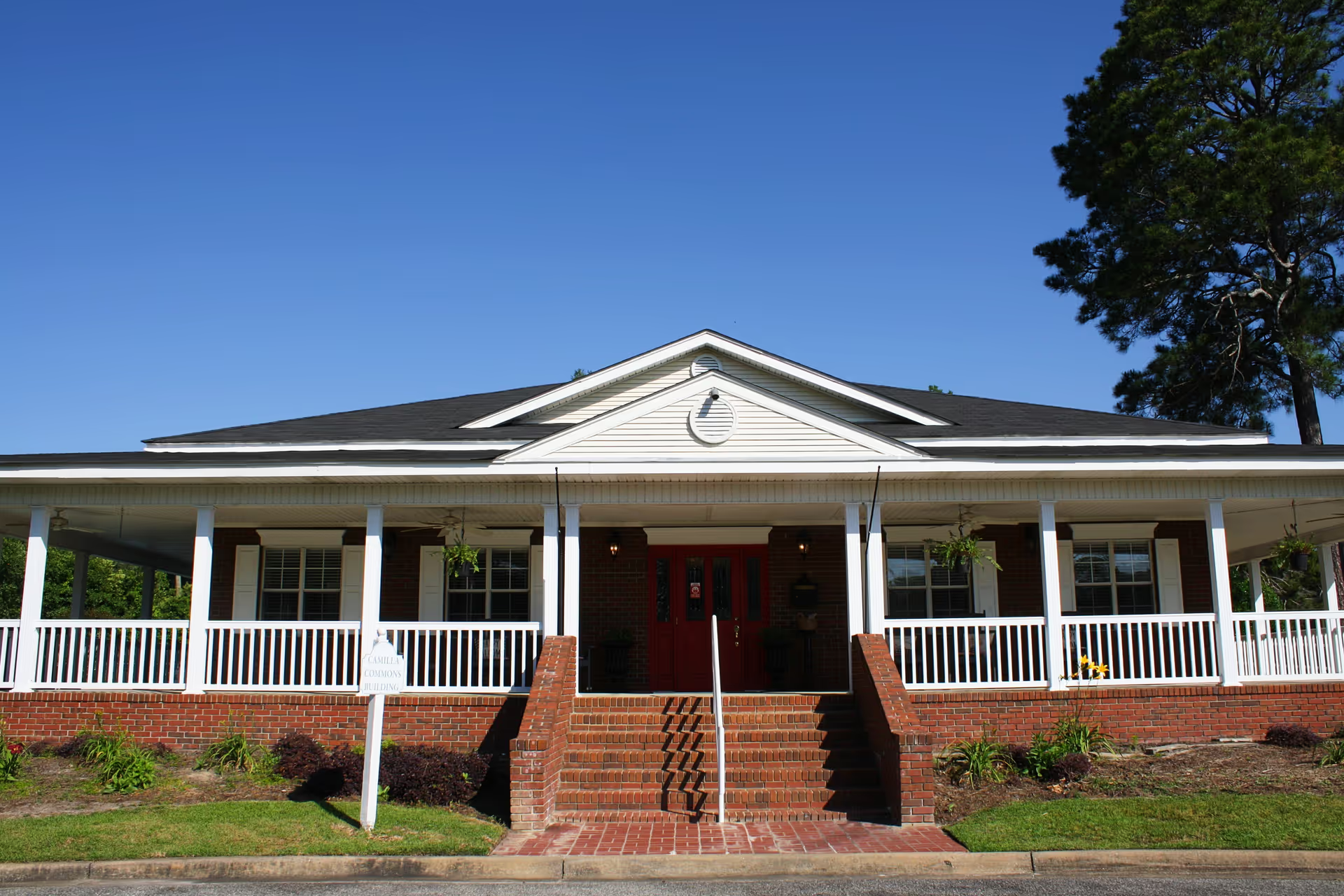
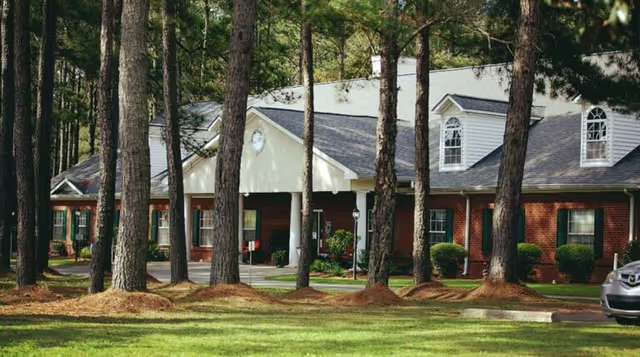
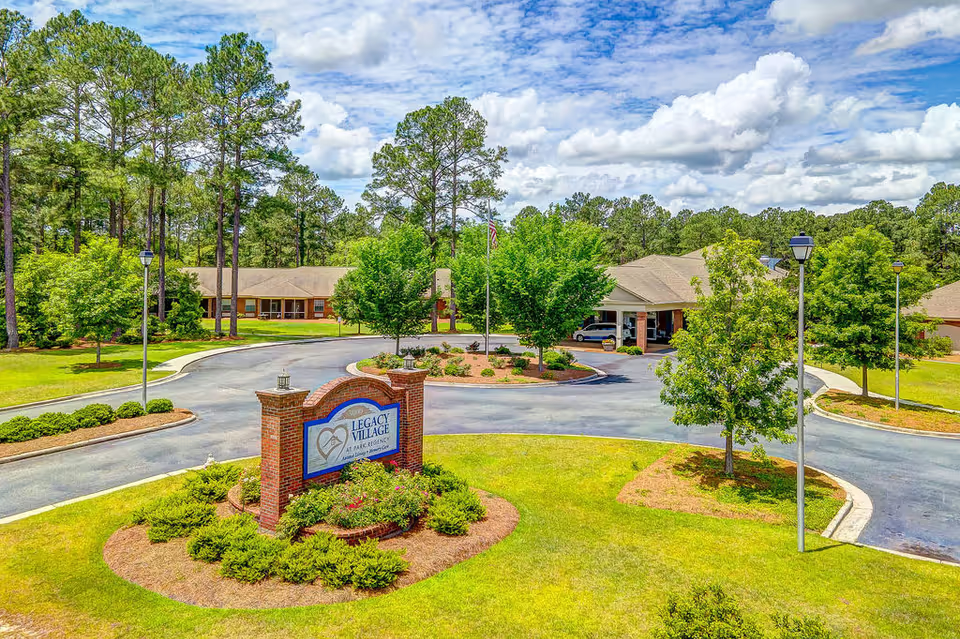
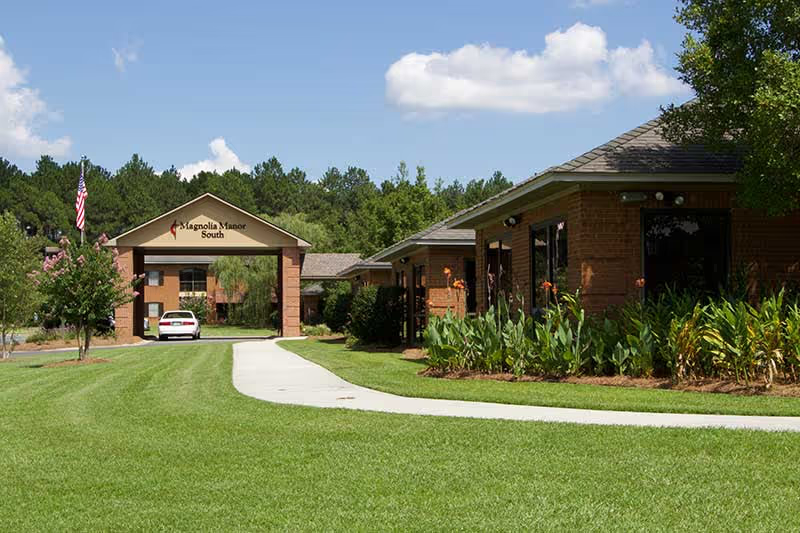
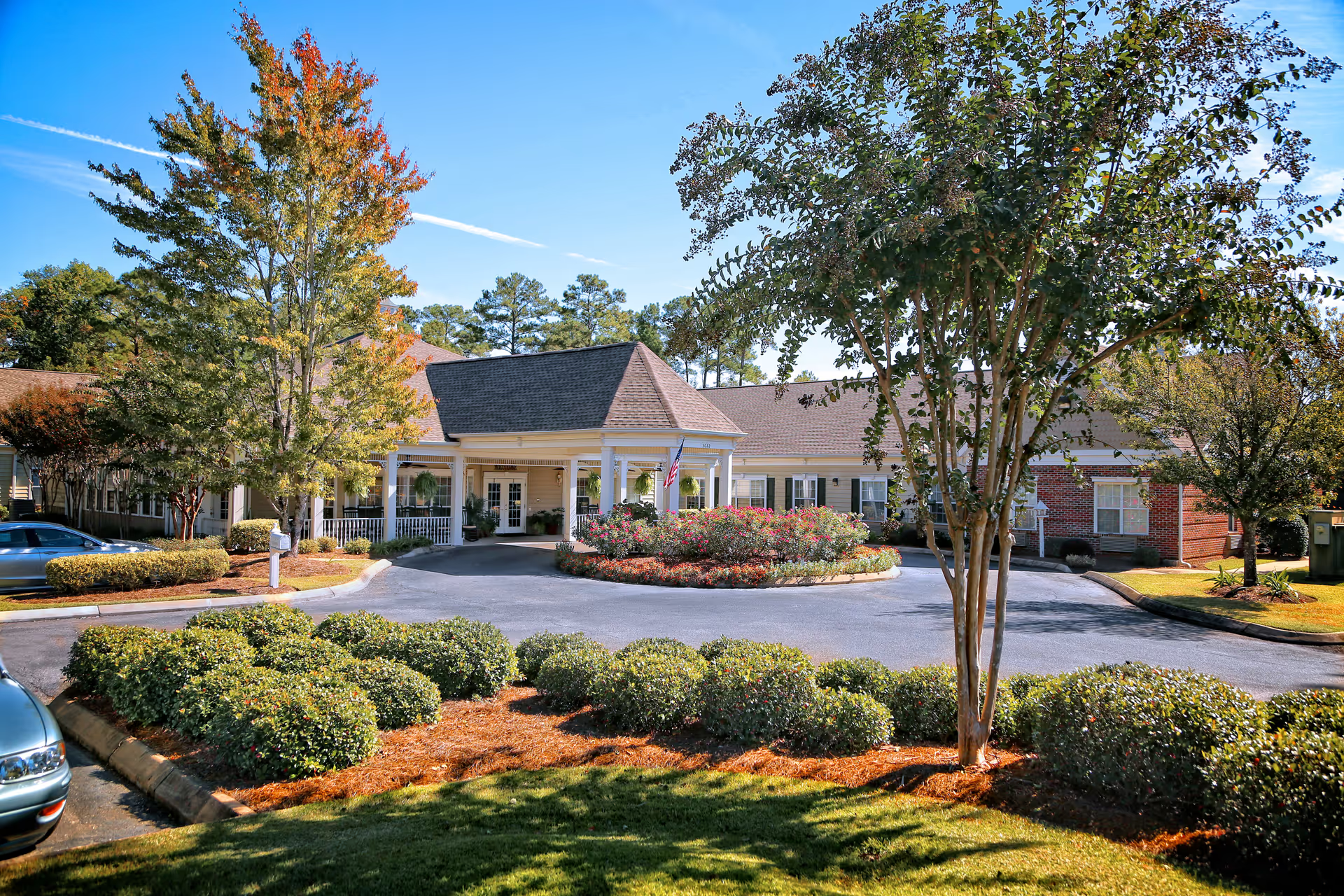
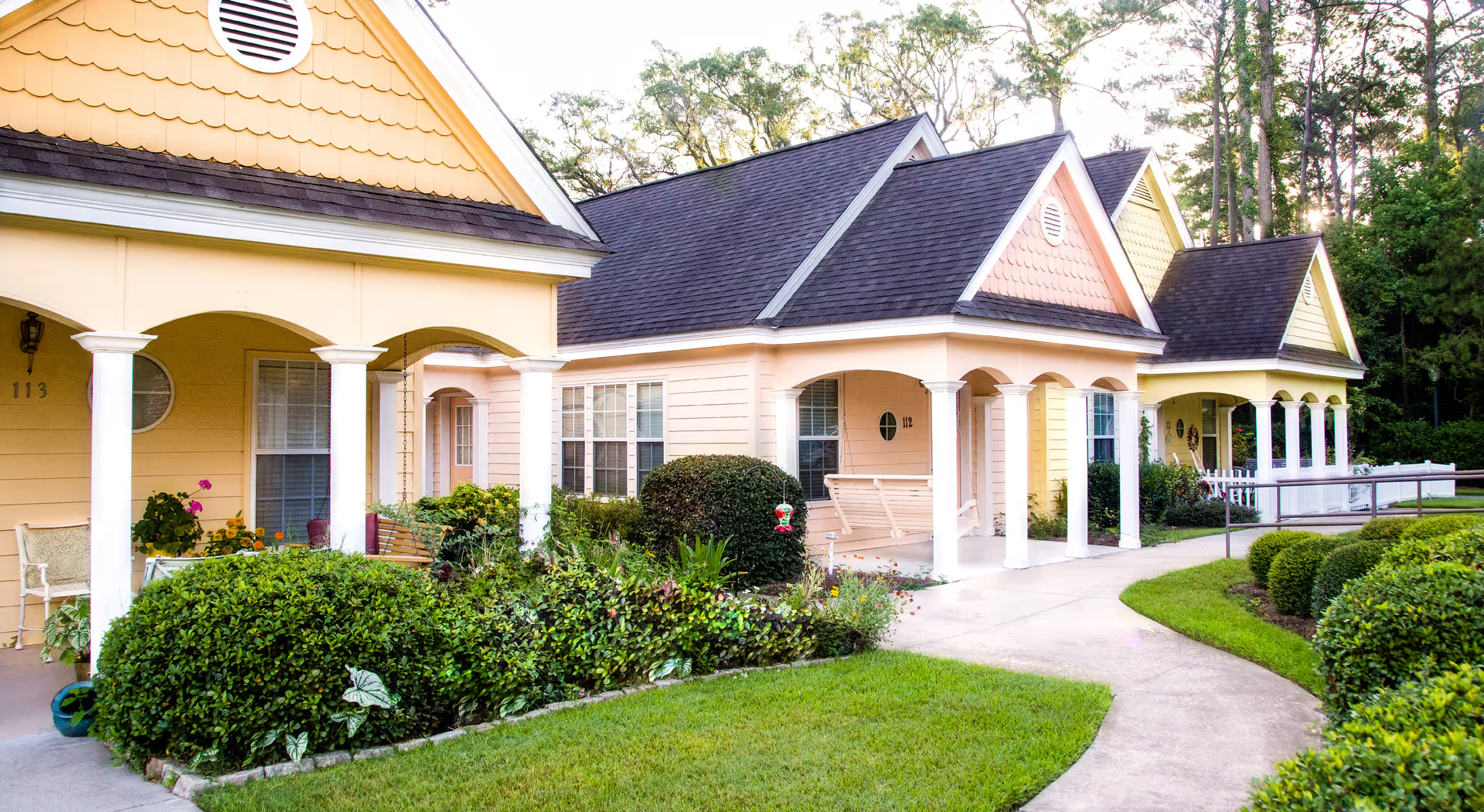
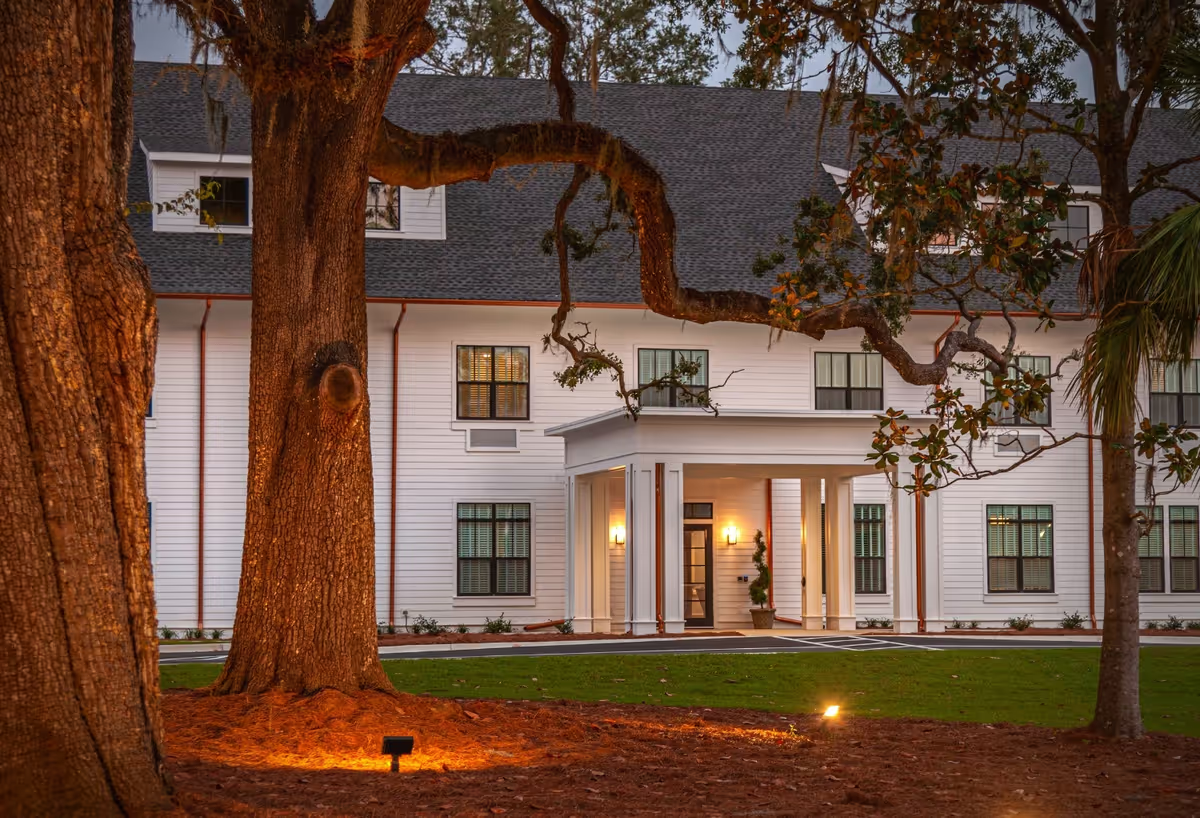
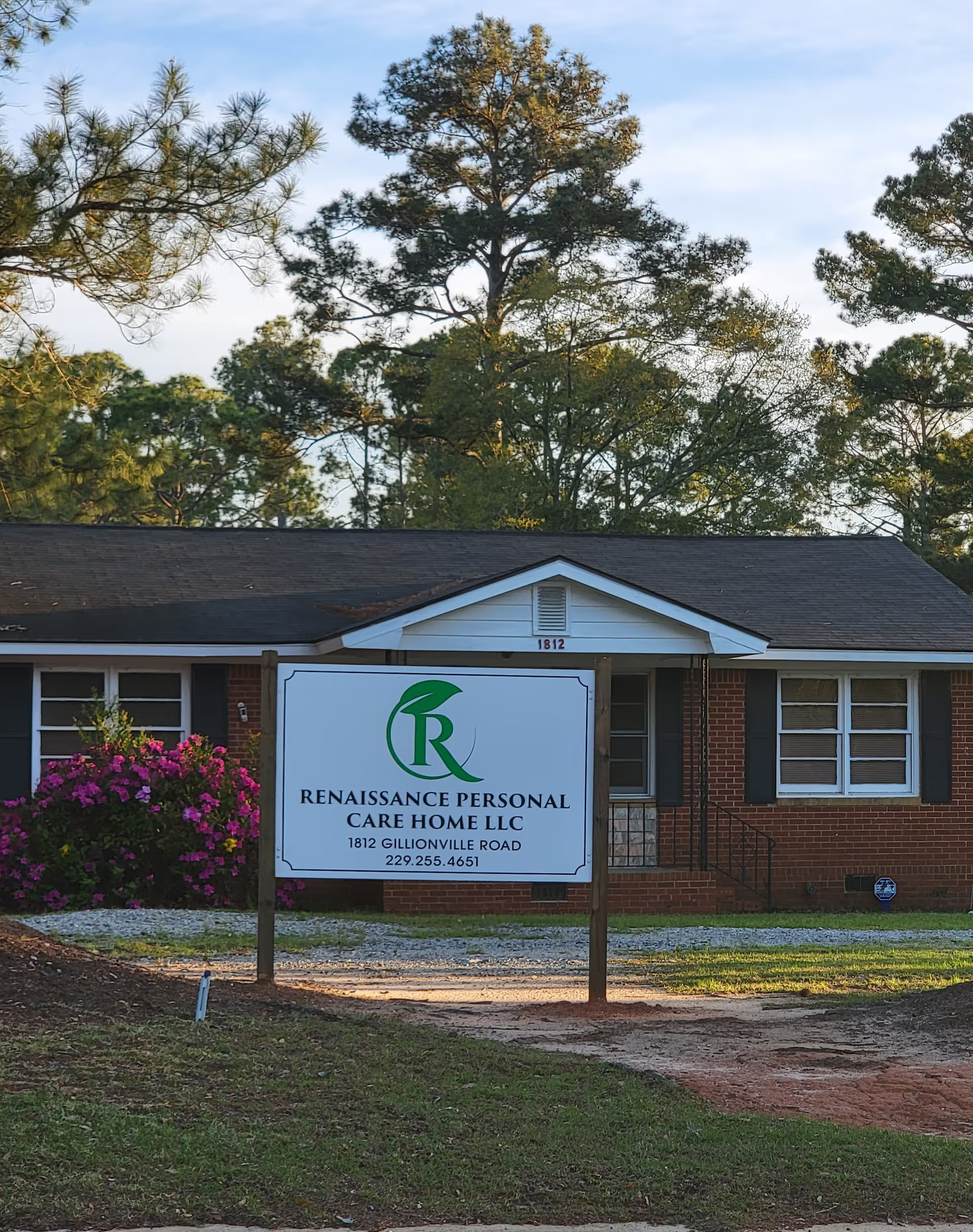
Facilities and environment: Cleanliness and sanitation are frequently praised; multiple comments describe the building as neat and well-kept in that respect. Conversely, there are consistent remarks about dated decor, worn furniture, and rooms that feel institutional or in need of updating. Specific physical shortcomings include limited bathing facilities in some rooms (no tub or shower) and a general need for cosmetic maintenance. These physical-condition concerns feed into a perception that the facility's fees do not always match room condition—one reviewer cited a daily rate of $185 as an example of perceived poor value.
Notable patterns and considerations: Overall, the facility appears to deliver strong hands-on caregiving, effective therapy services, and a clean environment, with particular strengths in individualized care and family involvement. Key operational weaknesses to weigh are inconsistent staffing quality across shifts, delays in clinical-equipment response, uneven activity access within specialized units, and facility-maintenance deficits that affect perceived value. Prospective residents and families should consider visiting at different times of day to evaluate shift consistency, ask about bathing options and room types, and discuss response protocols for clinical equipment and hospice needs before making a placement decision.