Overall impression PruittHealth - Seaside elicits a mixed but distinct pattern in family feedback. Many families praise the facility for its compassionate, family-oriented culture, strong therapy services, and a clean, welcoming environment. At the same time, recurring operational issues—particularly around nursing consistency, responsiveness, and certain aspects of clinical management—appear frequently enough to warrant attention from prospective residents and families.
Care quality and clinical patterns Clinical strengths are notable: reviewers consistently highlight effective physical and occupational therapy, helpful social work support, and high-quality end-of-life care. Several families described meaningful rehabilitation progress and coordinated discharge planning when appropriate. However, there are also repeated concerns about variable nursing competency and coverage. Specific clinical themes include catheter-related infection problems, persistent urinary tract infections, hydration concerns for residents with sensory impairments, and at least one report of a serious diabetic emergency. These indicate gaps in ongoing clinical monitoring and condition-management protocols for some residents. Families who emphasized clinical risk recommend clear care plans, more supervisory nursing presence (e.g., charge RNs), and proactive family updates.
Staff, management, and communication Staff behavior and leadership receive sharply divergent comments. Many reviewers praise individual caregivers, therapists, the admissions team, and visible leadership for professionalism, empathy, and hands-on involvement. Admissions and Medicaid processing were described as timely and seamless by multiple families. Conversely, other families report inconsistent staff conduct, perceived insincerity, rude interactions, and variable management follow-through. Communication is a recurring operational weakness: families describe slow or missed phone callbacks, insufficient daily updates, and difficulty contacting nurses—especially overnight. These communication gaps compound anxiety for families and contribute to perceptions of inconsistent care.
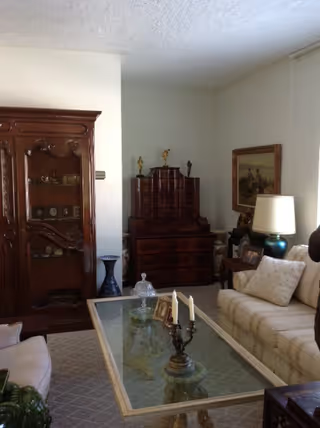
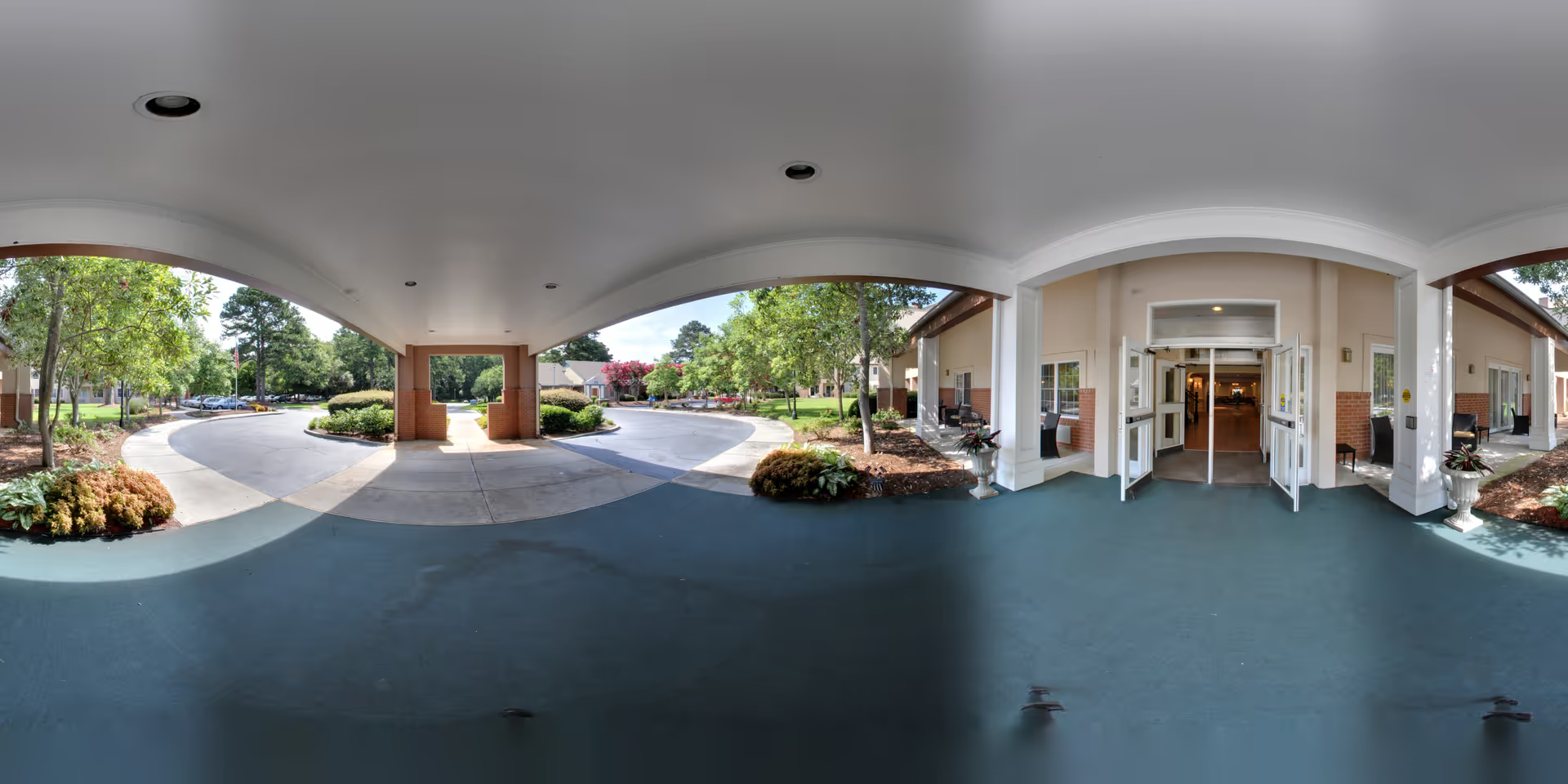
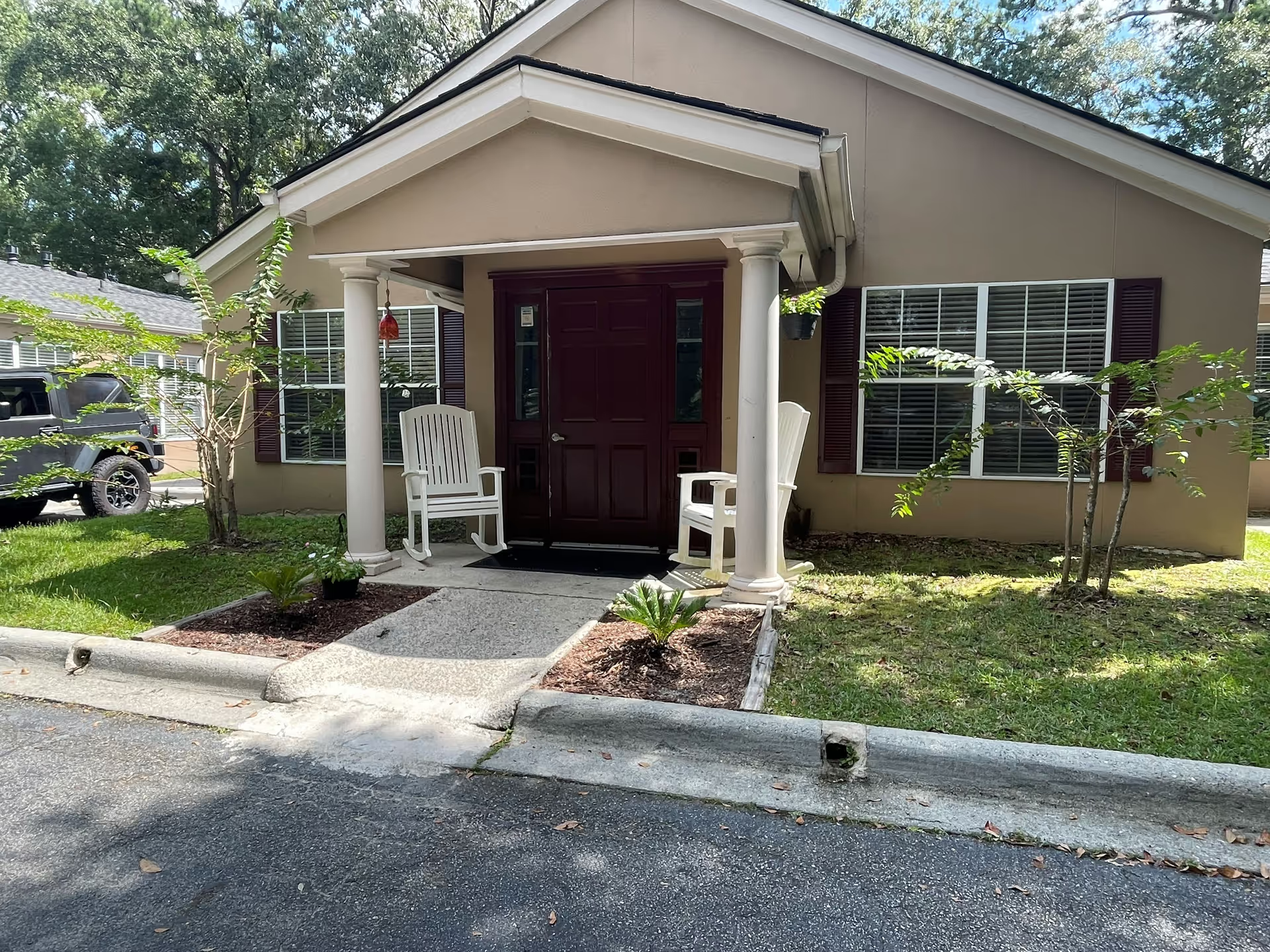
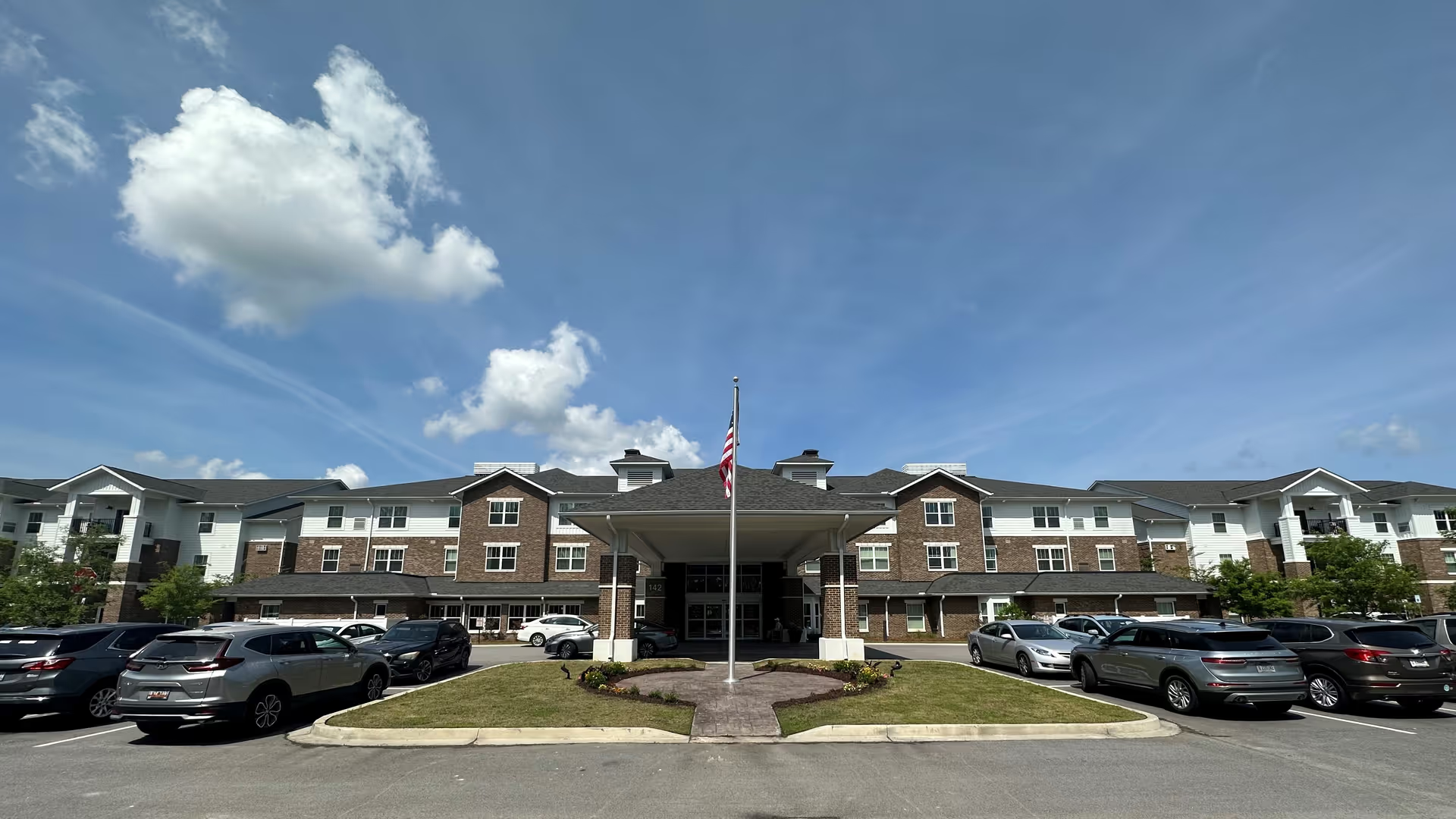
Dining, activities, and facility environment The physical environment is commonly described as clean, bright, and home-like, with many positive remarks about communal warmth and resident well‑being. That said, some reviews note odor concerns in parts of the building and uneven sanitation or personal-care practices across shifts. Dining feedback is mixed: several families enjoyed the food, while others found meals mediocre or relied on supplemental snacks. Activity programming similarly varies—some residents find the schedule engaging, while others observe hit‑and‑miss offerings and staff turnover among activities personnel.
Notable risks and practical recommendations A small number of serious allegations (including a claim of missing personal items) emerged and should be treated as high-priority for verification; families are advised to document valuables and review inventory procedures. Given the pattern of inconsistent nursing coverage and communication lapses, prospective families should inquire about staffing ratios, nighttime nurse coverage, clinical supervision (charge RN availability), infection‑control protocols for catheterized residents, and the facility's process for family notifications. Establishing a clear point of contact and expected update cadence on admission can help mitigate many reported frustrations.
Bottom line PruittHealth - Seaside shows clear strengths in therapy services, compassionate individual caregivers, admissions/administrative support, and a generally well-maintained environment. However, operational variability—most notably in nursing consistency, responsiveness to family communication, and certain clinical practices—creates a mixed experience. Families considering this facility should weigh the facility's rehabilitative and hospice strengths against the need for proactive oversight and clear communication expectations, and should ask targeted questions about staffing, clinical protocols, and personal‑item safeguards during the decision process.