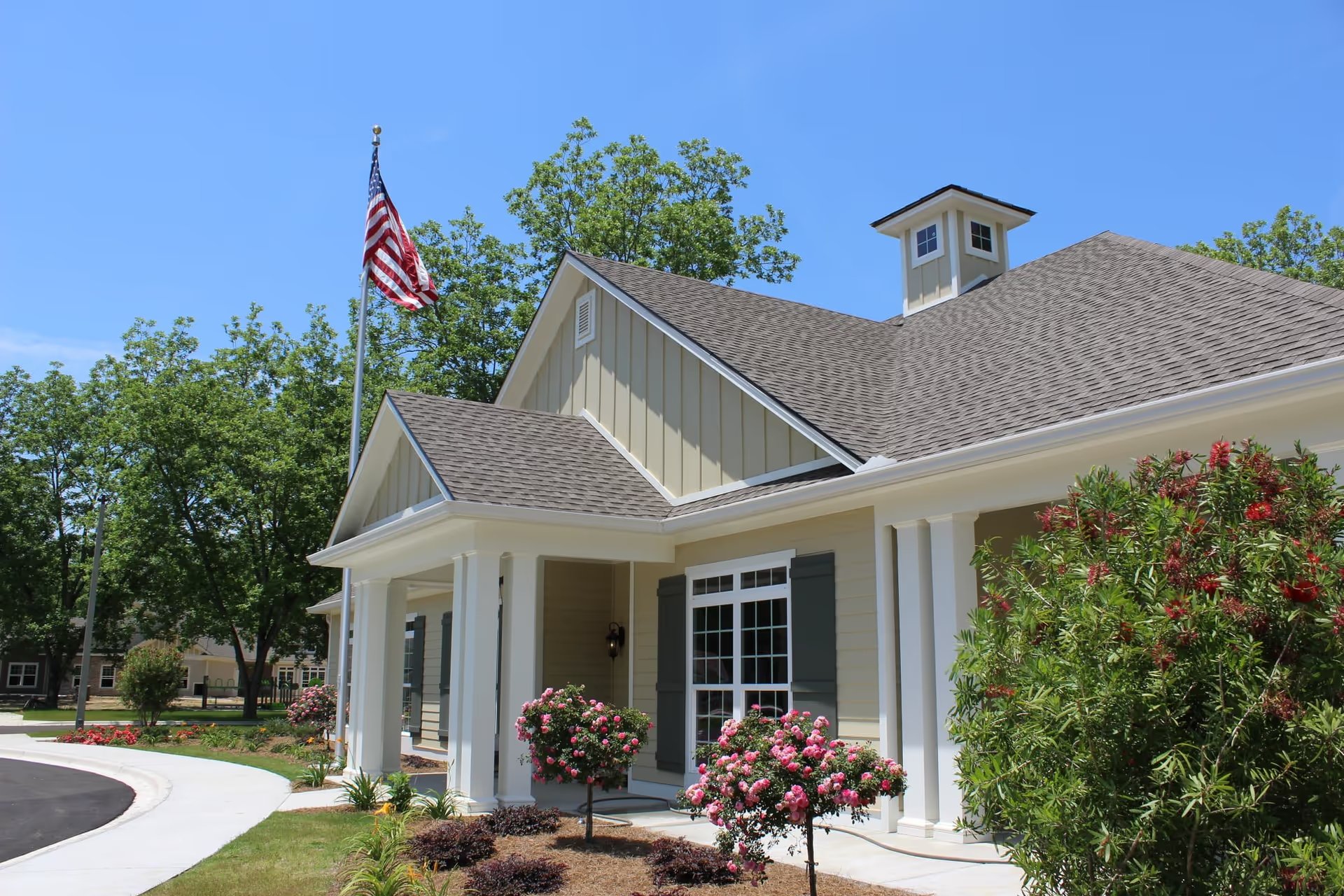
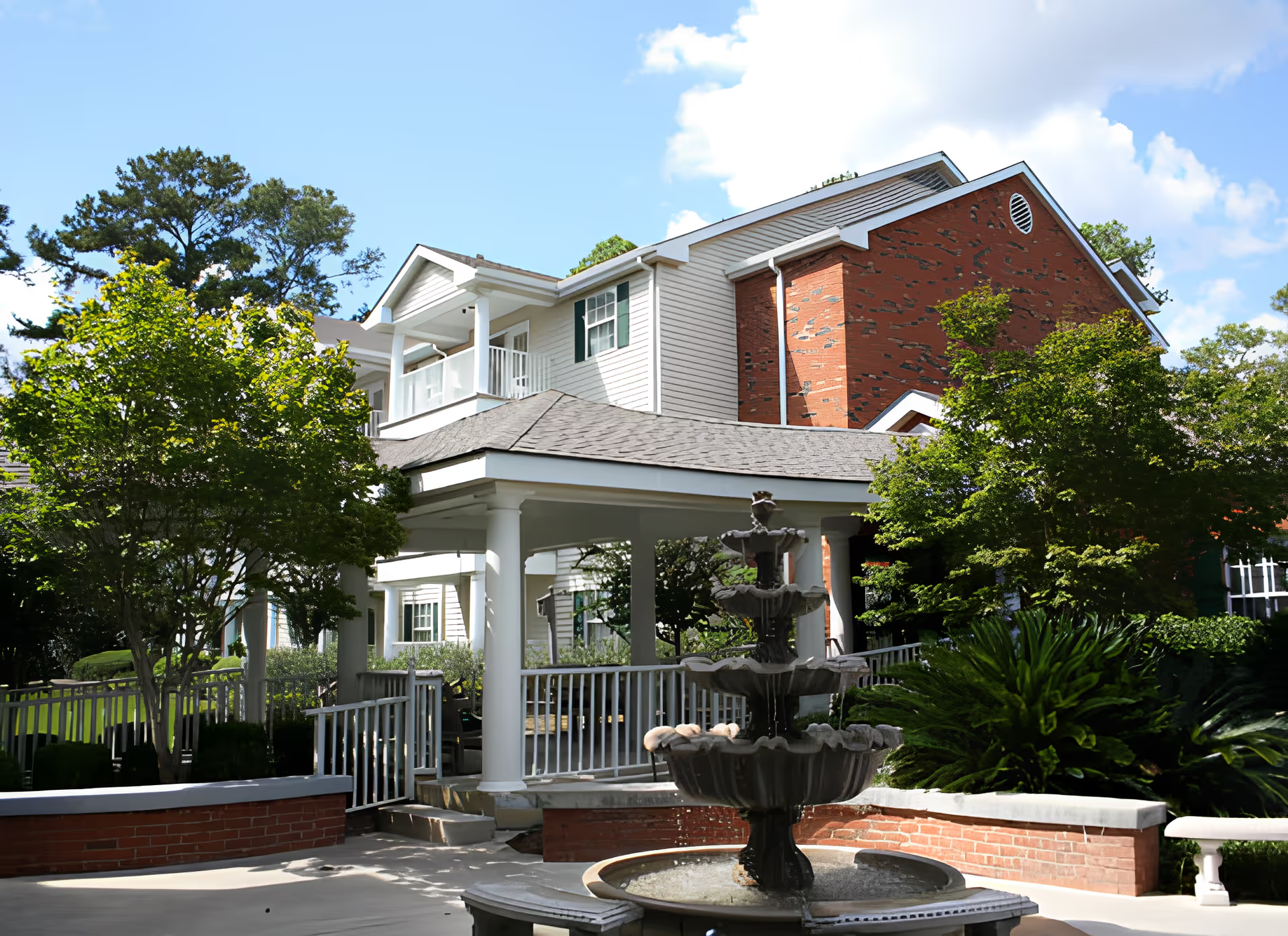
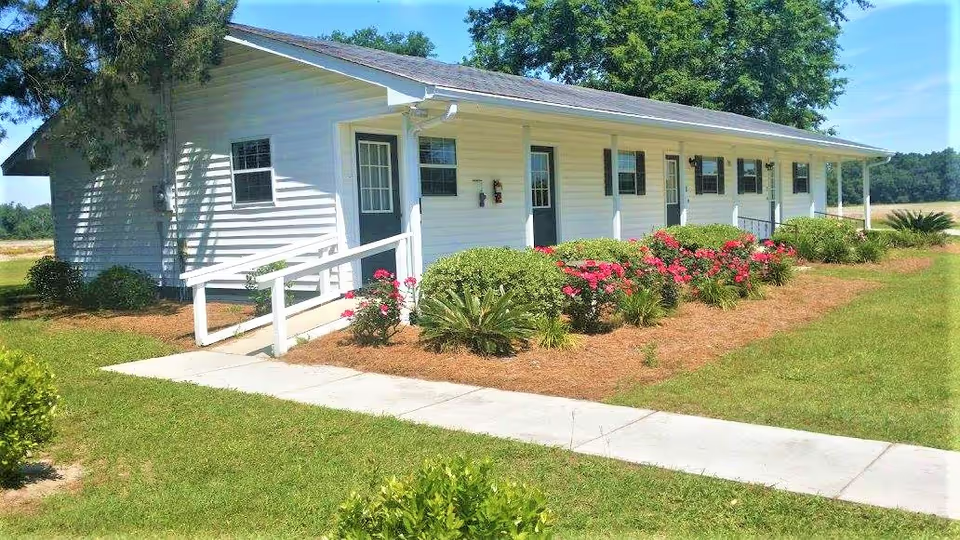
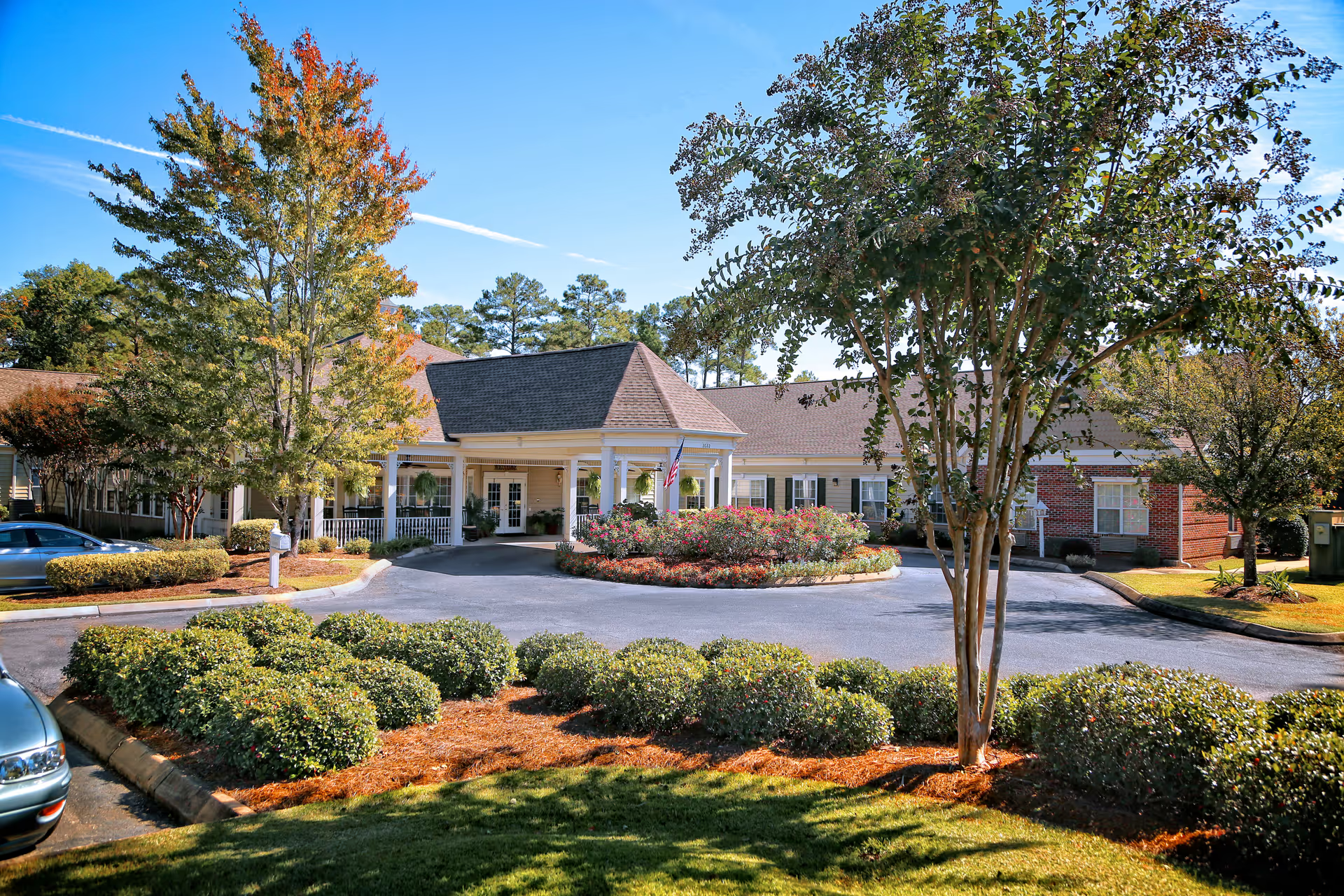
Presbyterian Home and Retirement Community elicits a mixed but informative set of impressions. Strengths commonly described include a compassionate caregiving culture, effective short-term rehabilitation, and a welcoming, family‑like environment. Several accounts highlight successful therapy outcomes and improved mobility that supported transitions to assisted living or home. Staff members are frequently characterized as attentive, professional, and helpful; one staff member (Stephanie Thomas) was specifically noted for effective assistance. Ancillary and logistical supports such as package delivery and transition coordination are also cited positively.
Clinical quality appears uneven. While rehabilitation and many day‑to‑day care interactions are praised, there are notable concerns about the facility’s approach to cognitive assessments and care planning for residents with dementia. Reviewers described delays and disagreements around diagnosis and management, indicating potential gaps in dementia-focused protocols and clinical follow‑through. Families should ask how dementia screening, specialist consultation, and individualized care plans are handled.
Communication and admissions processes are a recurrent theme. Positive reports describe proactive, clear communication from certain staff; however, other reports point to inconsistent admissions coordination, broken assurances about room availability, and a lack of courtesy follow‑up. These patterns suggest that front‑line admissions and administrative communication can vary, and prospective residents may experience delays or unexpected room assignments.
Operationally, the community offers an inclusive activity program—examples include piano‑led church services and social groupings within a three‑section layout that foster friendships. Dining is generally well received. At the same time, families note variability across units and occasional short staffing, which contributes to a hit‑and‑miss experience for some residents. These staffing and consistency issues can affect timeliness of care, responsiveness, and overall continuity, particularly during transitions between care levels.
For prospective residents and decision-makers, the facility’s strengths are most evident in hands‑on caregiving, rehabilitation outcomes, and community life. Areas to evaluate further on a tour or during intake include the admissions timeline and room‑assignment policies, dementia assessment and specialist access, staffing levels at different times of day, and the mechanisms for family communication and follow-up. These inquiries will help determine whether the facility’s positive aspects align with an individual’s clinical needs and expectations for operational reliability.