Overall impression: Reviews describe a facility with clear strengths alongside serious operational concerns. Positive accounts emphasize compassionate caregivers, strong rehabilitation services, attractive outdoor grounds, and recent improvements to interior spaces and therapy equipment. At the same time, multiple accounts identify persistent lapses in day-to-day care and facility operations that warrant careful inquiry by prospective families.
Care quality and clinical oversight: Many families praised individual caregivers and therapists for empathy, hands-on assistance, and successful recovery outcomes. However, reviews also indicate variability in clinical responsiveness and supervision. Concerns include delays in attending to resident needs, gaps in hygiene and incontinence care, lapses in securing residents during transfers or while seated, and reports of falls. These suggest inconsistencies in transfer- and fall-prevention practices and in shift-to-shift clinical oversight.
Staff behavior and communication: The facility receives mixed feedback on staff conduct. Positive comments note warm greetings, professional front-desk interactions, and timely condition-change alerts to families. Contrasting accounts describe brusque or inattentive bedside manner, gossiping, and isolated allegations of unprofessional conduct. Communication during acute events and hospital transfers is a recurring theme—families reported both clear, helpful updates and, in other cases, significant communication gaps when residents required higher-level care. These patterns point to inconsistent staff training and supervisory follow-through.
Dining and activities: Several reviewers complimented the food and the availability of engaging recreational programming, with reports of fun activities and a generally social environment in parts of the facility. Conversely, other families described minimal engagement, limited activities for some residents, and uneven program quality across shifts or units. Activity consistency appears to vary depending on staffing and unit leadership.
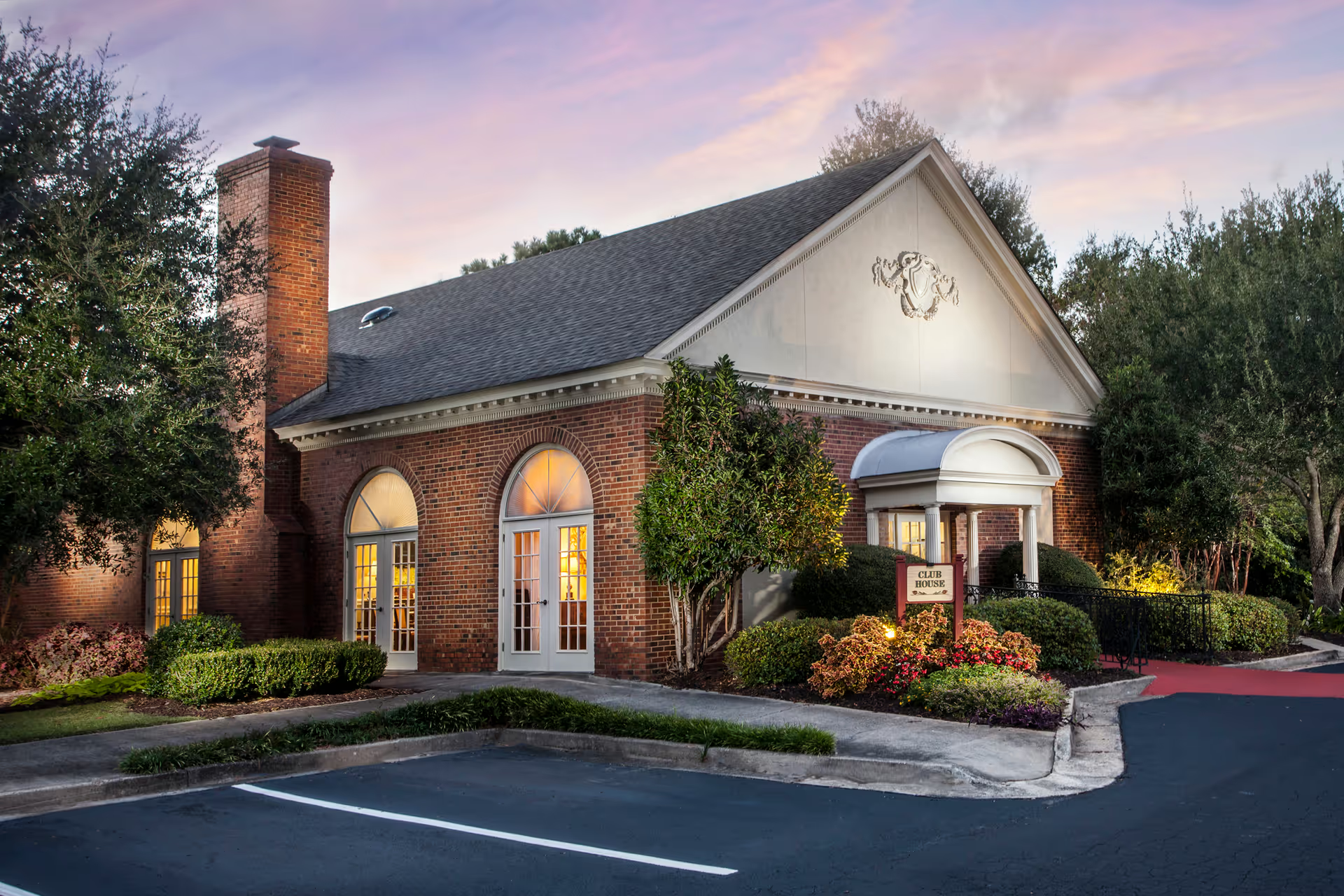
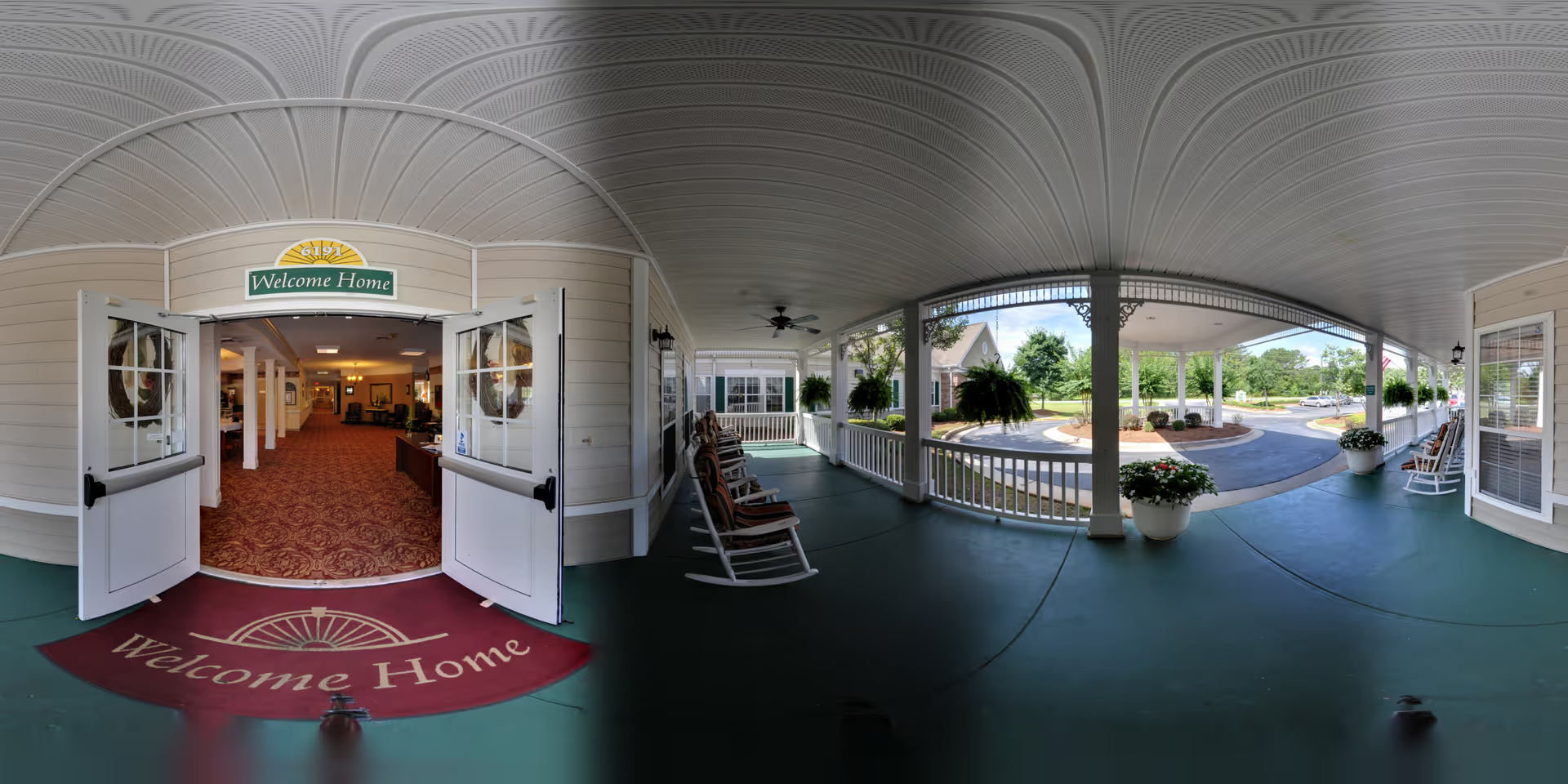
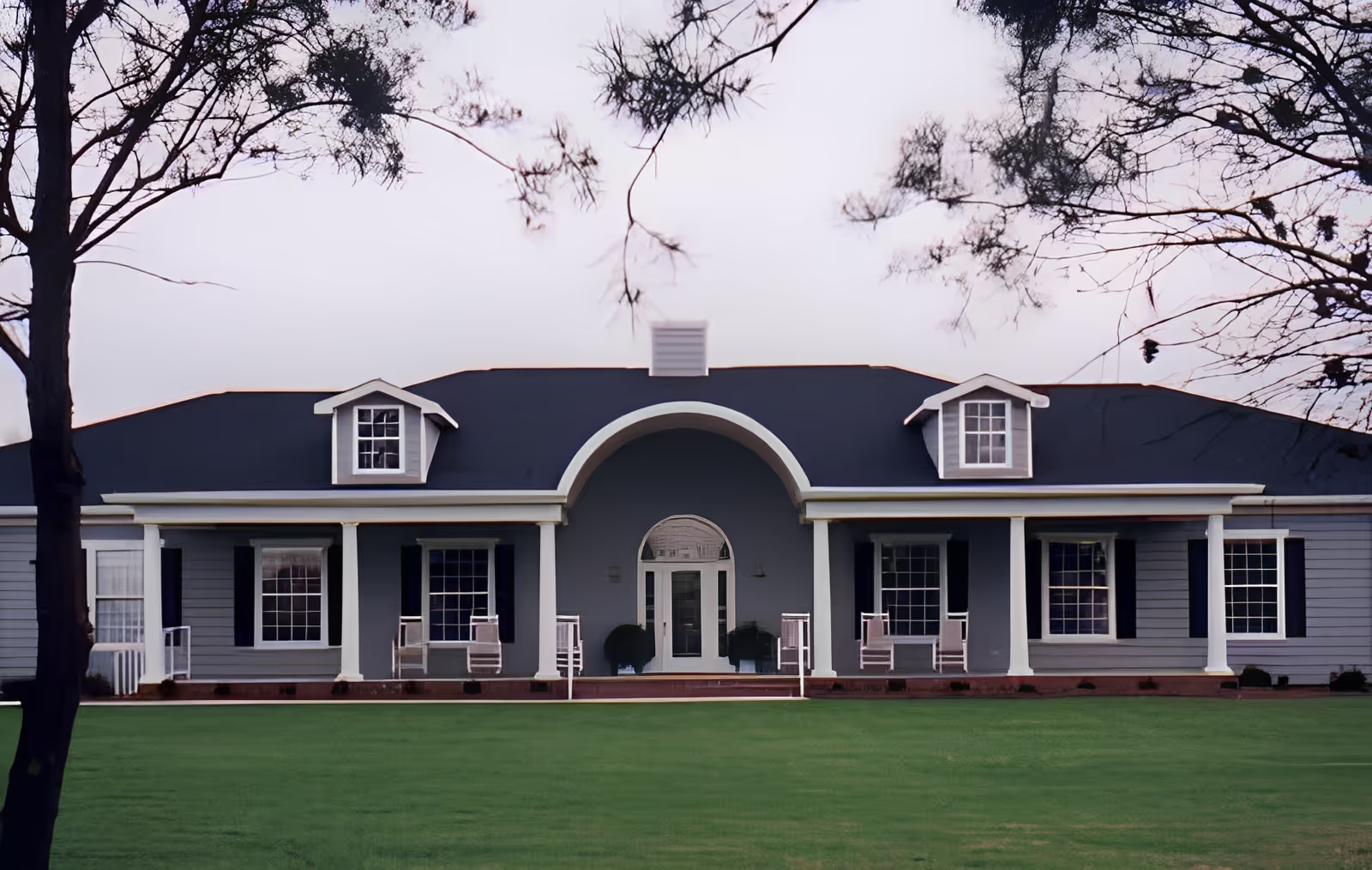
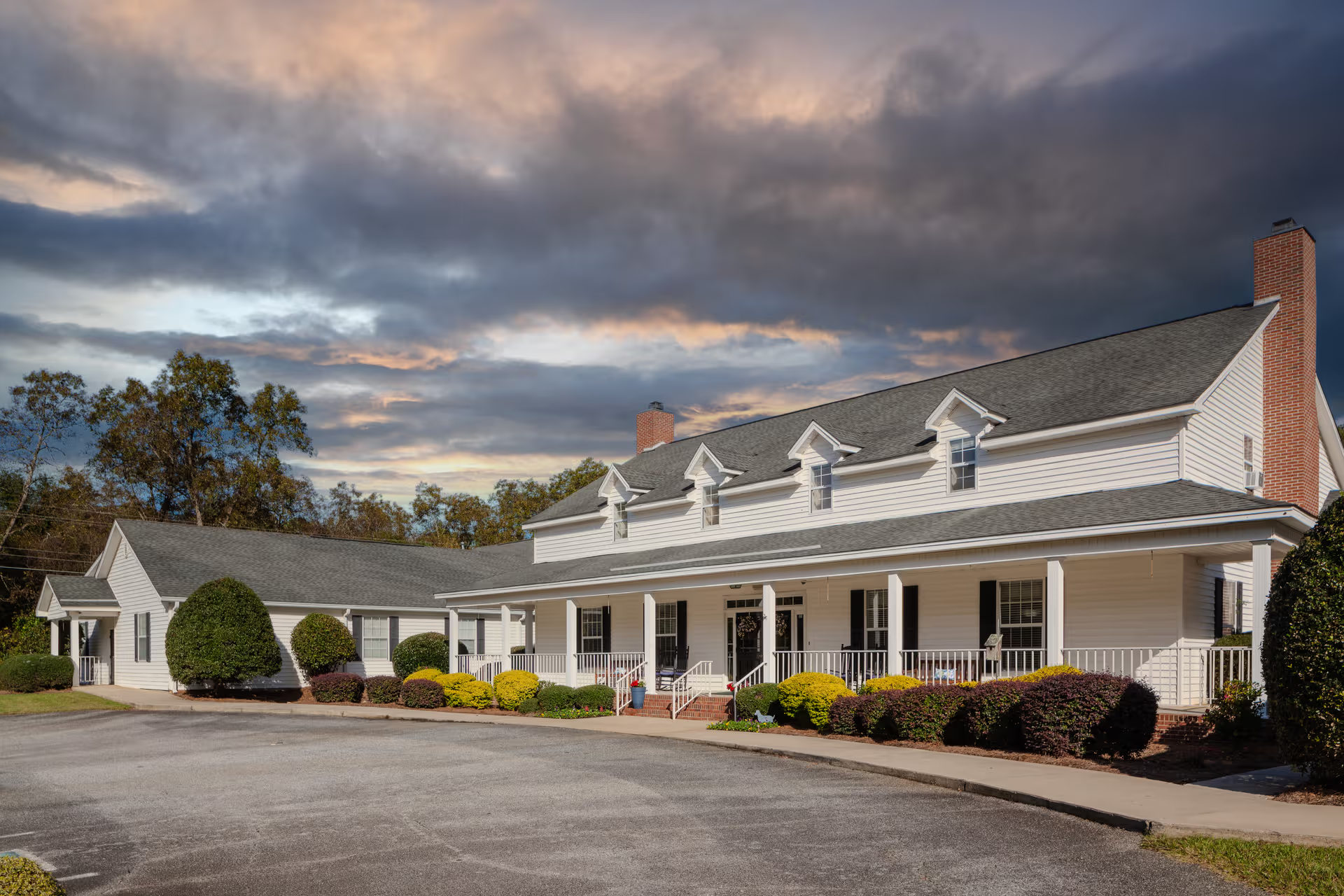
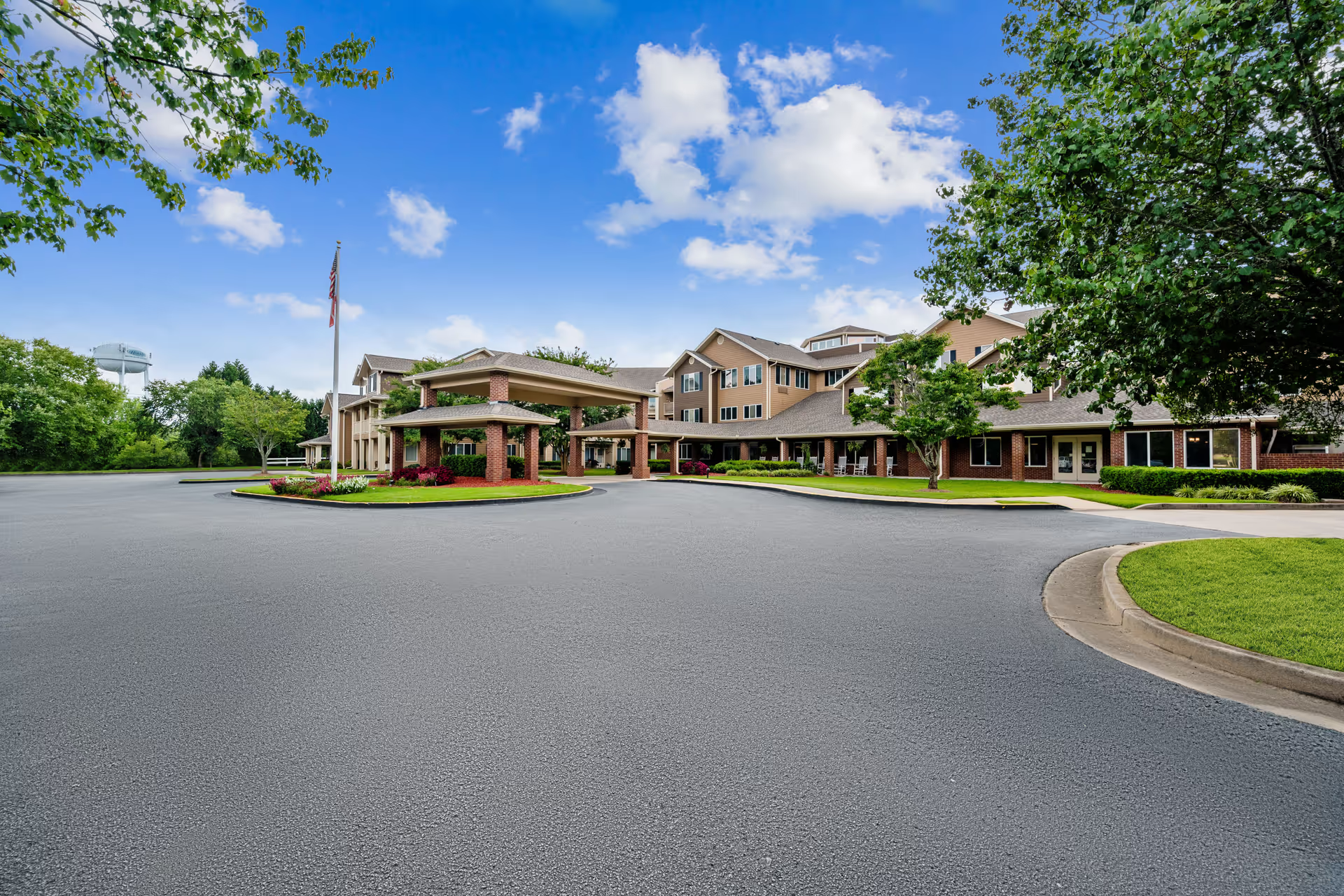
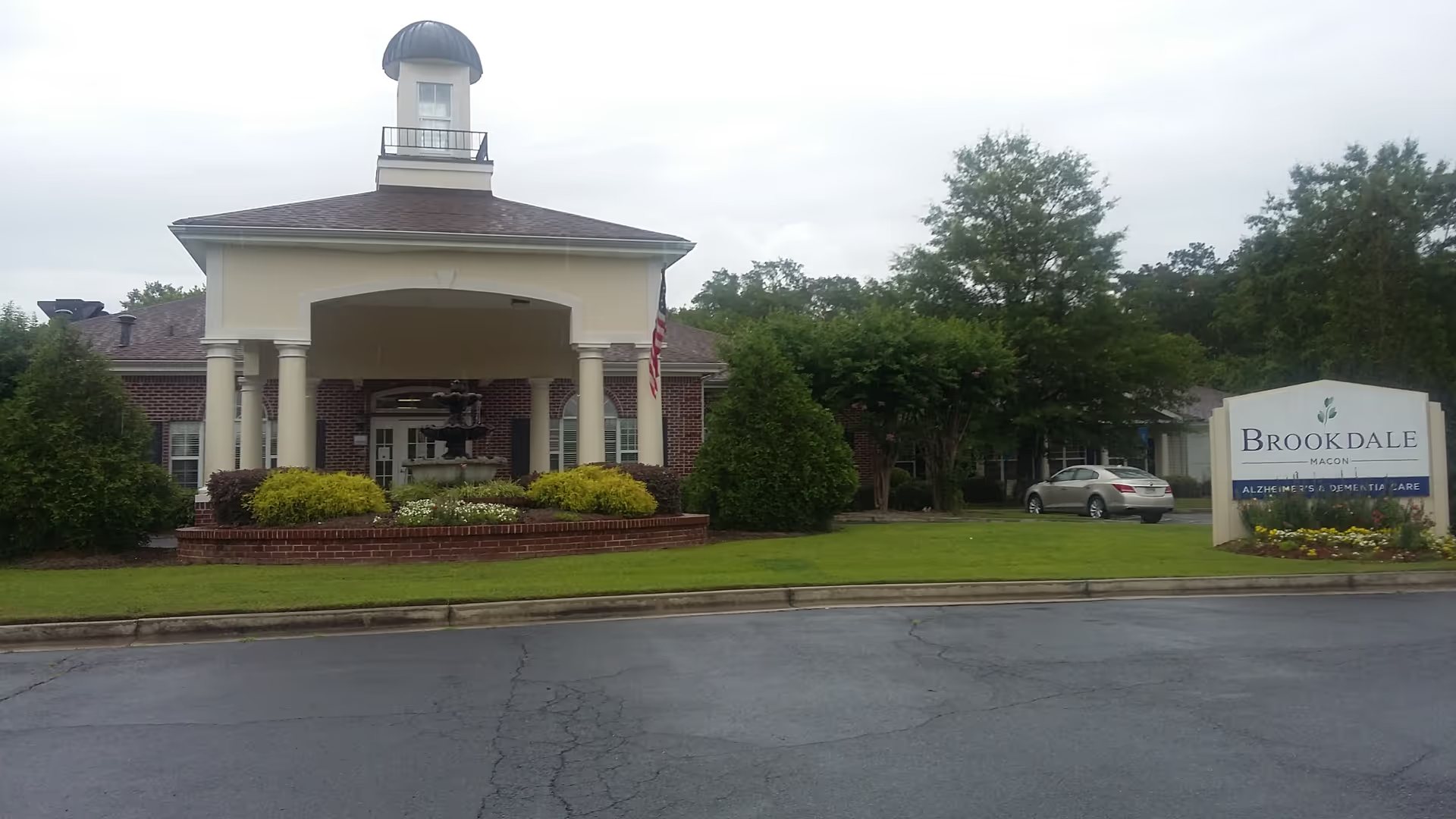
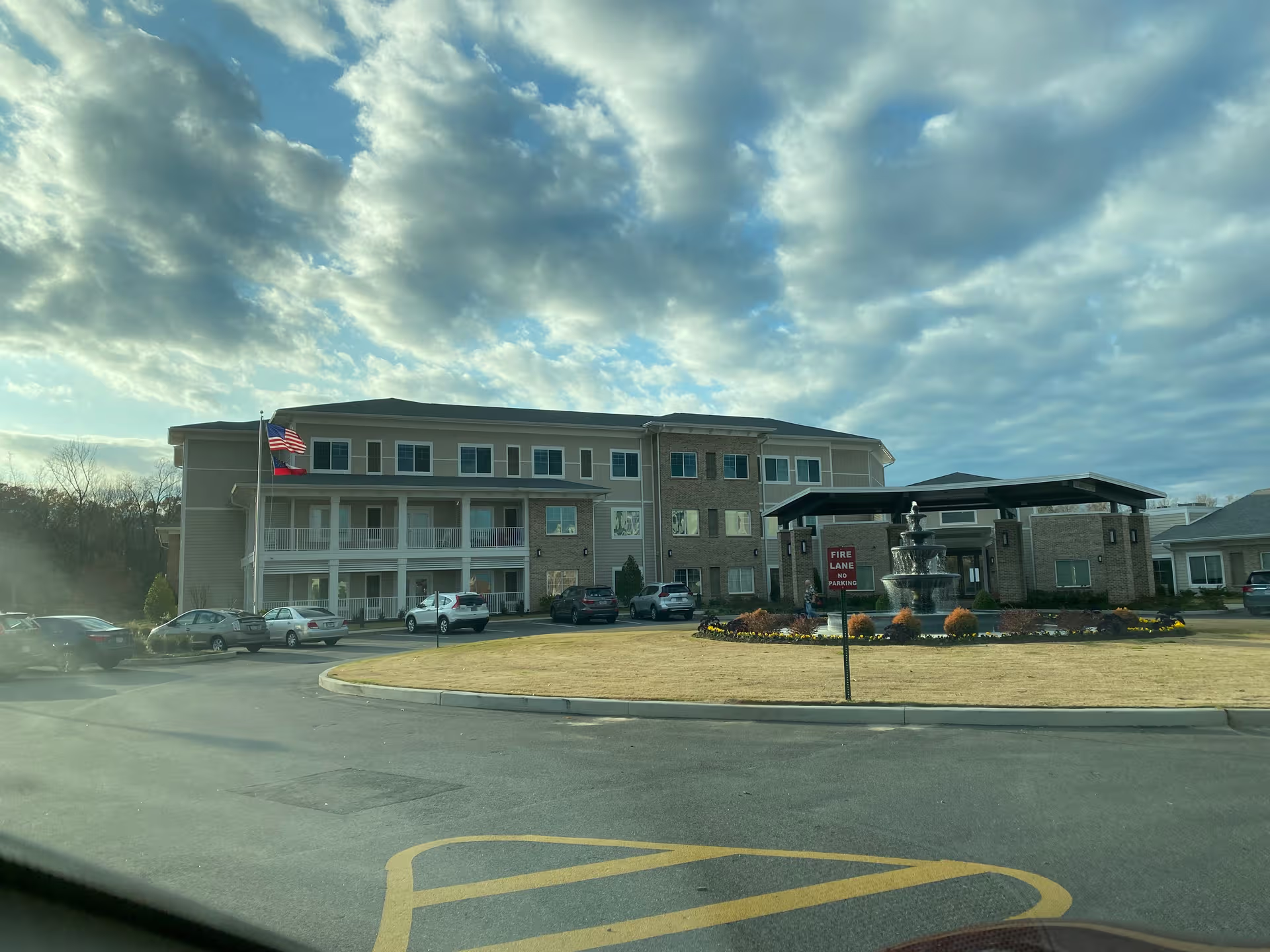
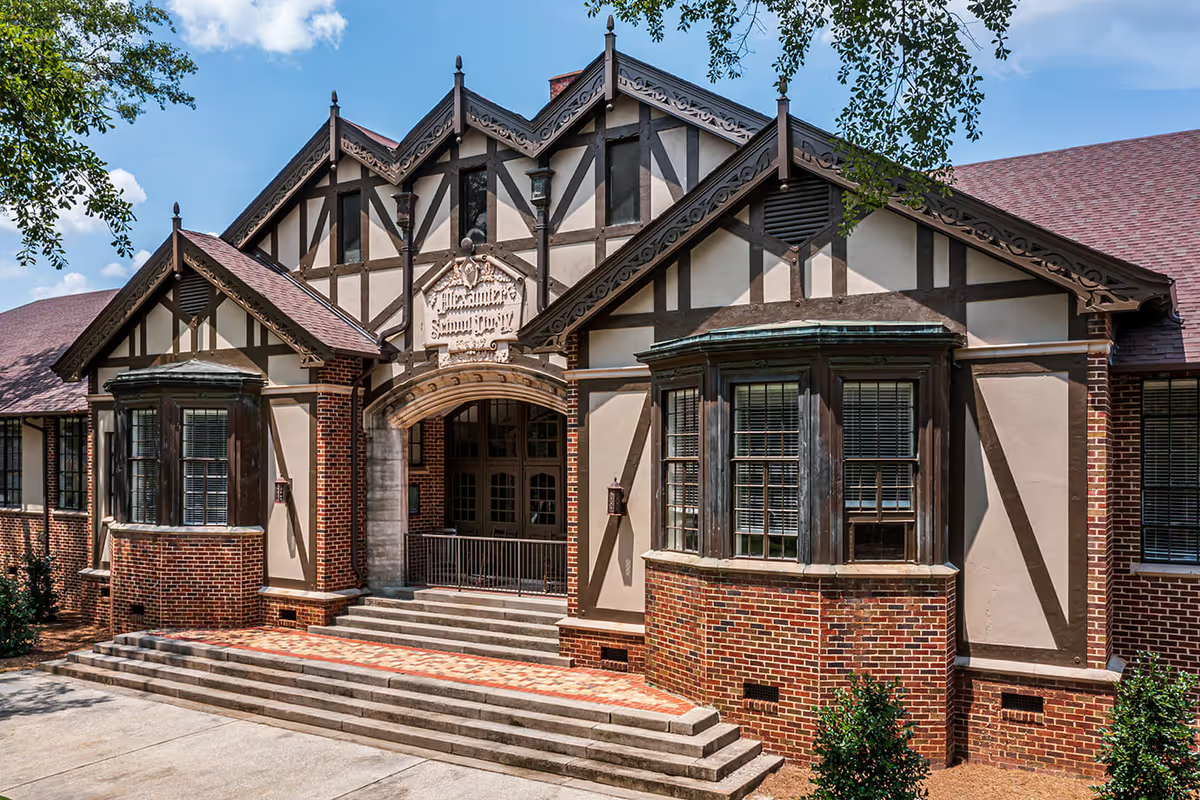
Facilities and cleanliness: The campus grounds and landscaping receive regular praise for maintenance and a peaceful outdoor environment. Interior conditions are described as mixed: some areas are clean and freshly painted following renovations, while other areas reportedly experience odor and sanitation concerns. The building’s age was noted alongside ongoing remodeling efforts; prospective families should evaluate both recently updated and older sections during a visit.
Management and patterns of improvement: There are indications of active management efforts—new leadership, remodeling projects, and upgraded therapy equipment are cited positively. Yet, the coexistence of serious complaints, including concerns following resident deaths and other significant incidents, indicates uneven implementation of quality controls. There are also allegations regarding staff professionalism that management should address decisively.
What to consider when evaluating this facility: Given the mixed signals, prospective residents and families should conduct a focused tour at different times (day/evening), ask about staffing ratios by shift, review fall-prevention and incontinence-care protocols, request recent state inspection results and corrective-action plans, and speak with current resident families about consistency of care and activities. Confirm how the facility communicates during clinical changes and hospital transfers, and ask for documentation of staff training, substance-use policies, and incident-response procedures.
In summary, the facility shows clear strengths in rehabilitation services, compassionate individual caregivers, and well-maintained outdoor spaces, while exhibiting operational weaknesses in consistent bedside conduct, responsiveness across shifts, certain hygiene and sanitation practices, and supervision/safety procedures. These mixed patterns merit careful, specific inquiries during any placement decision.