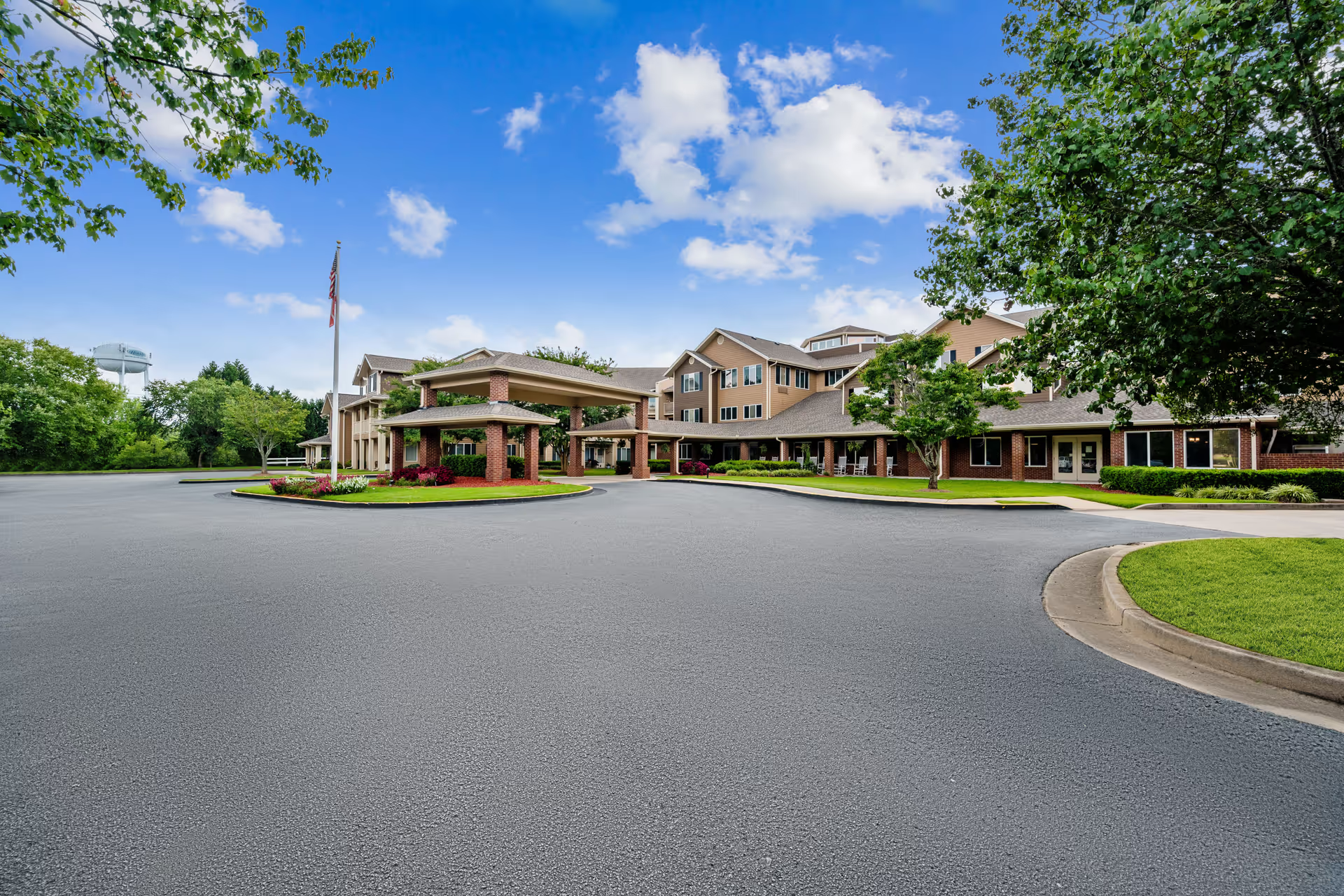
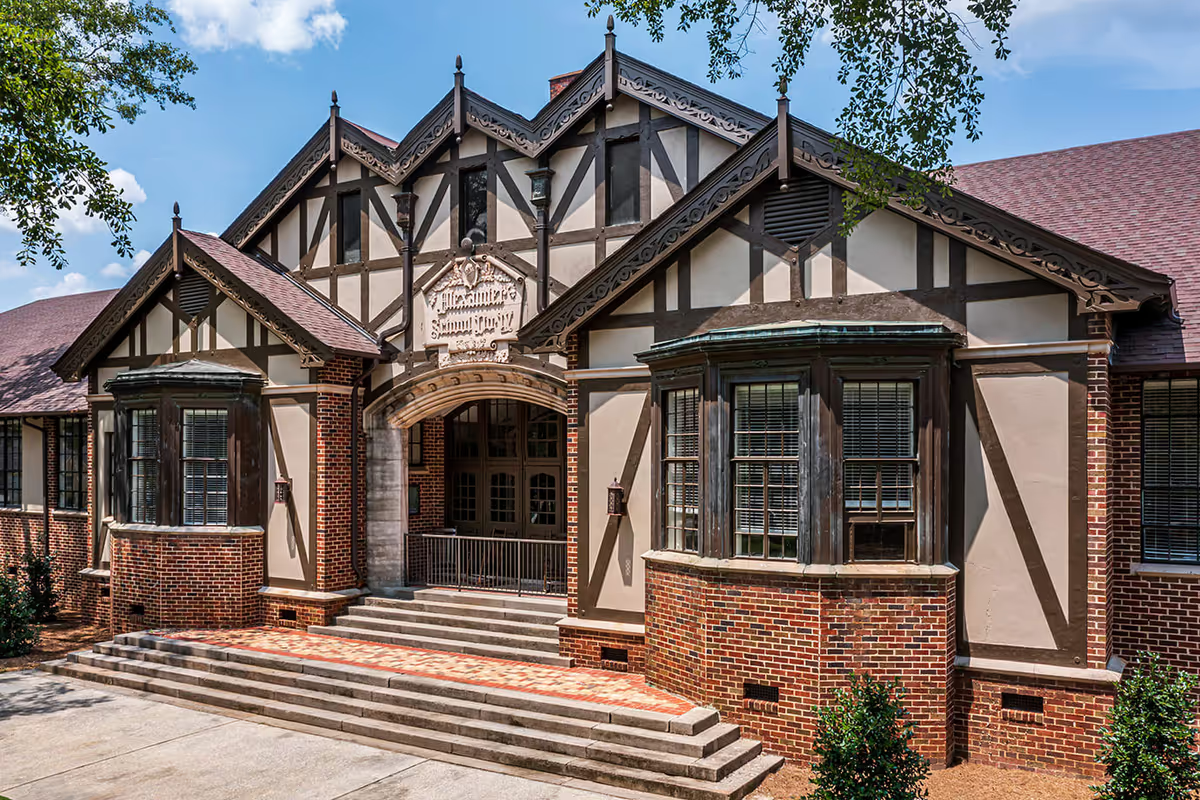
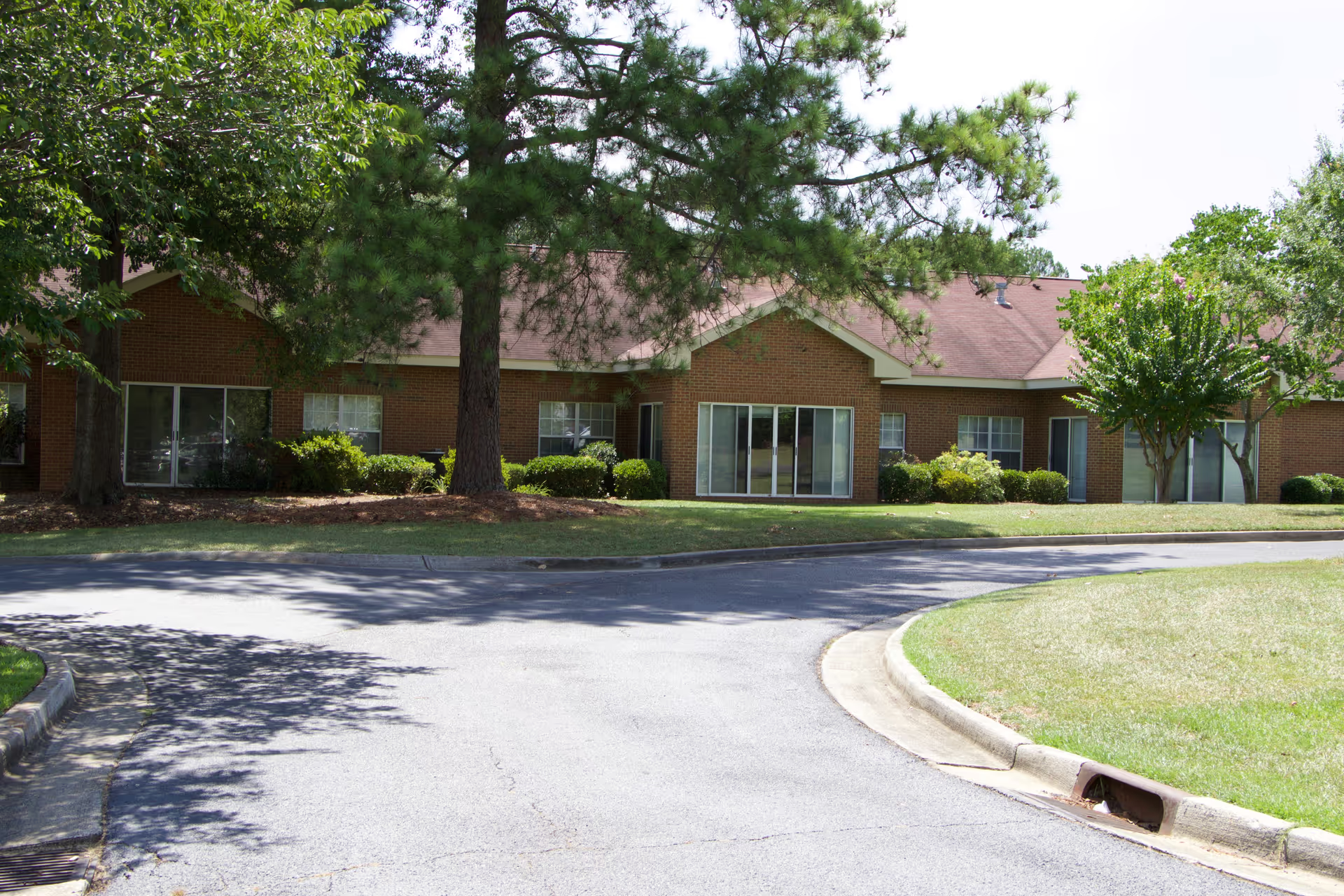
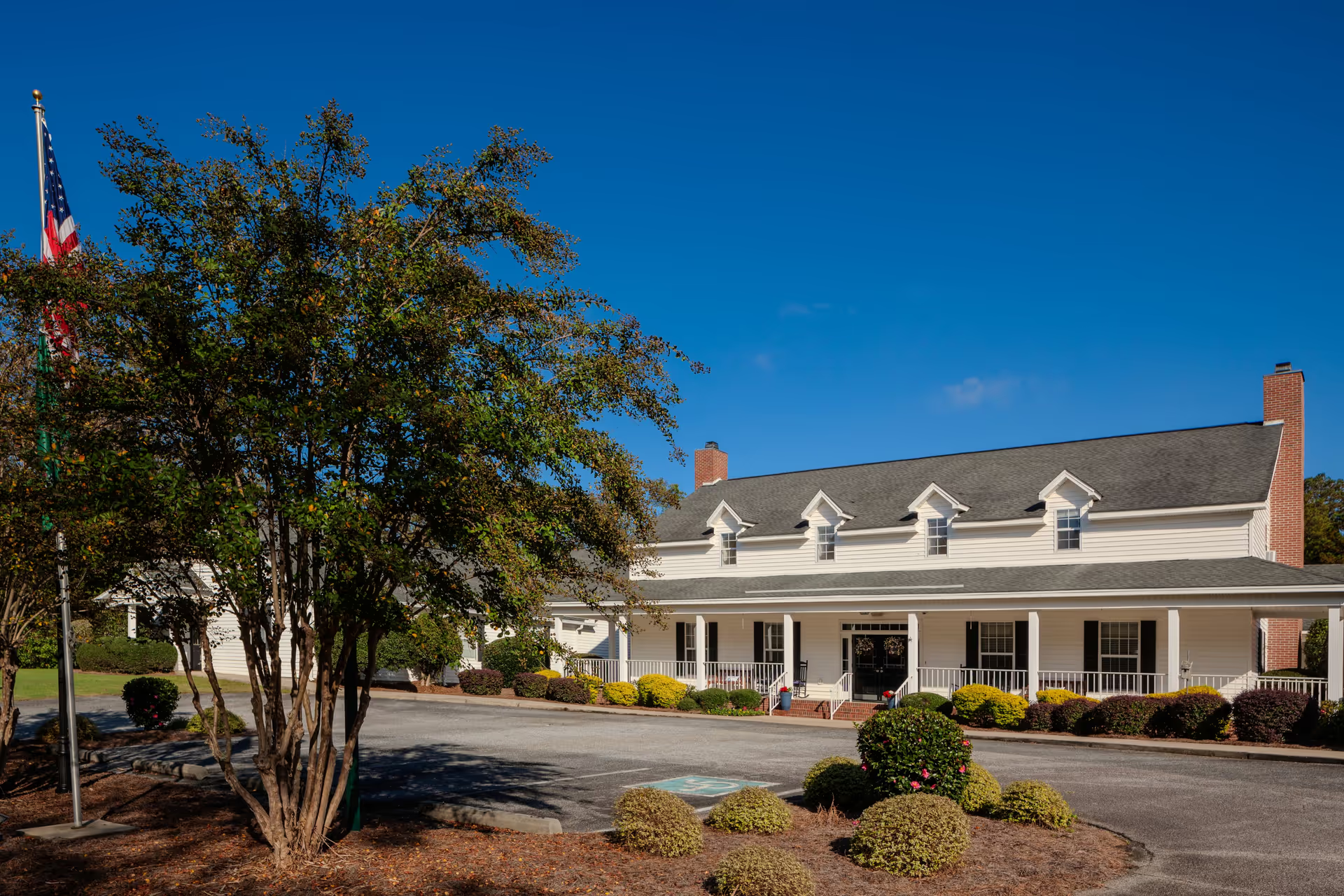
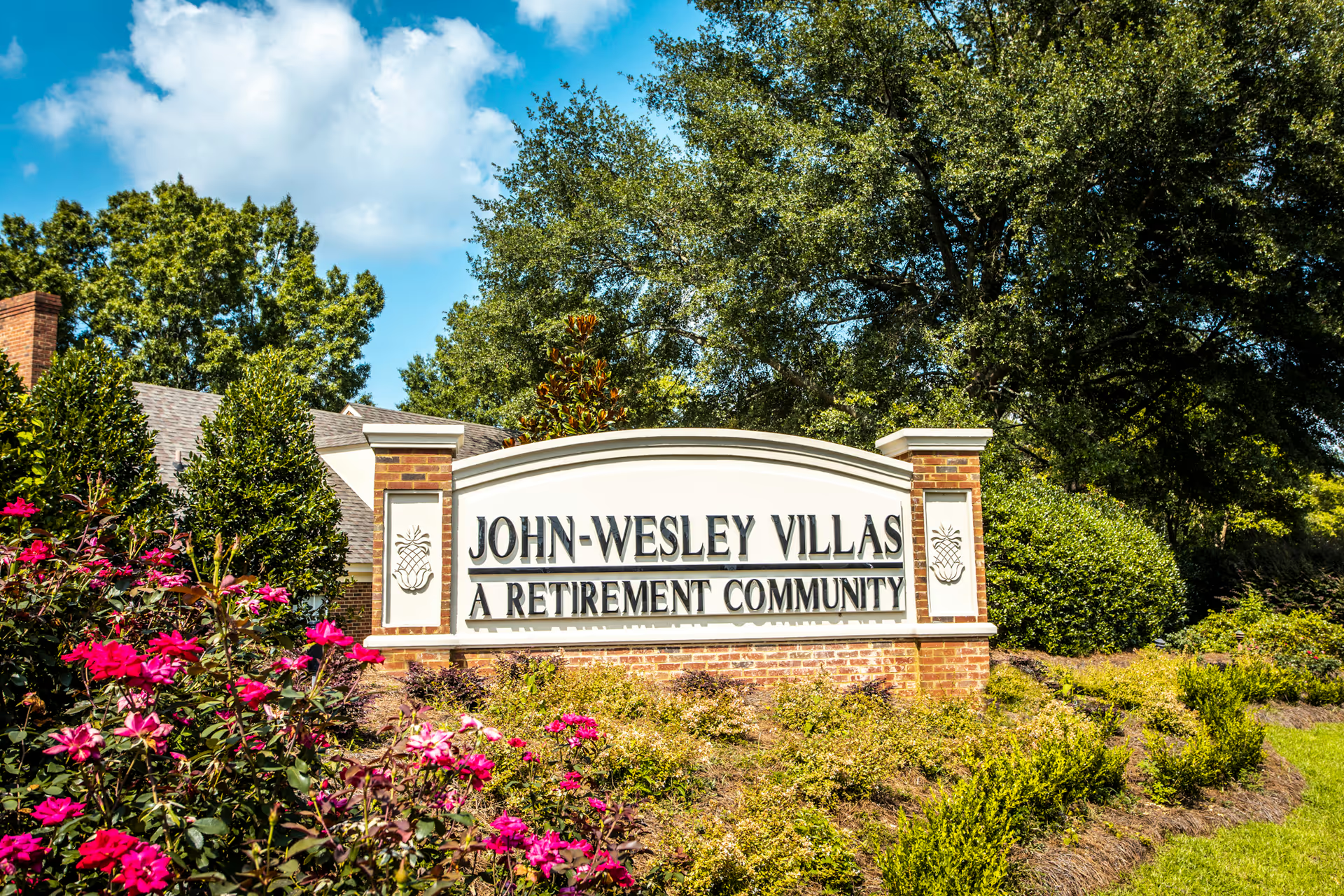
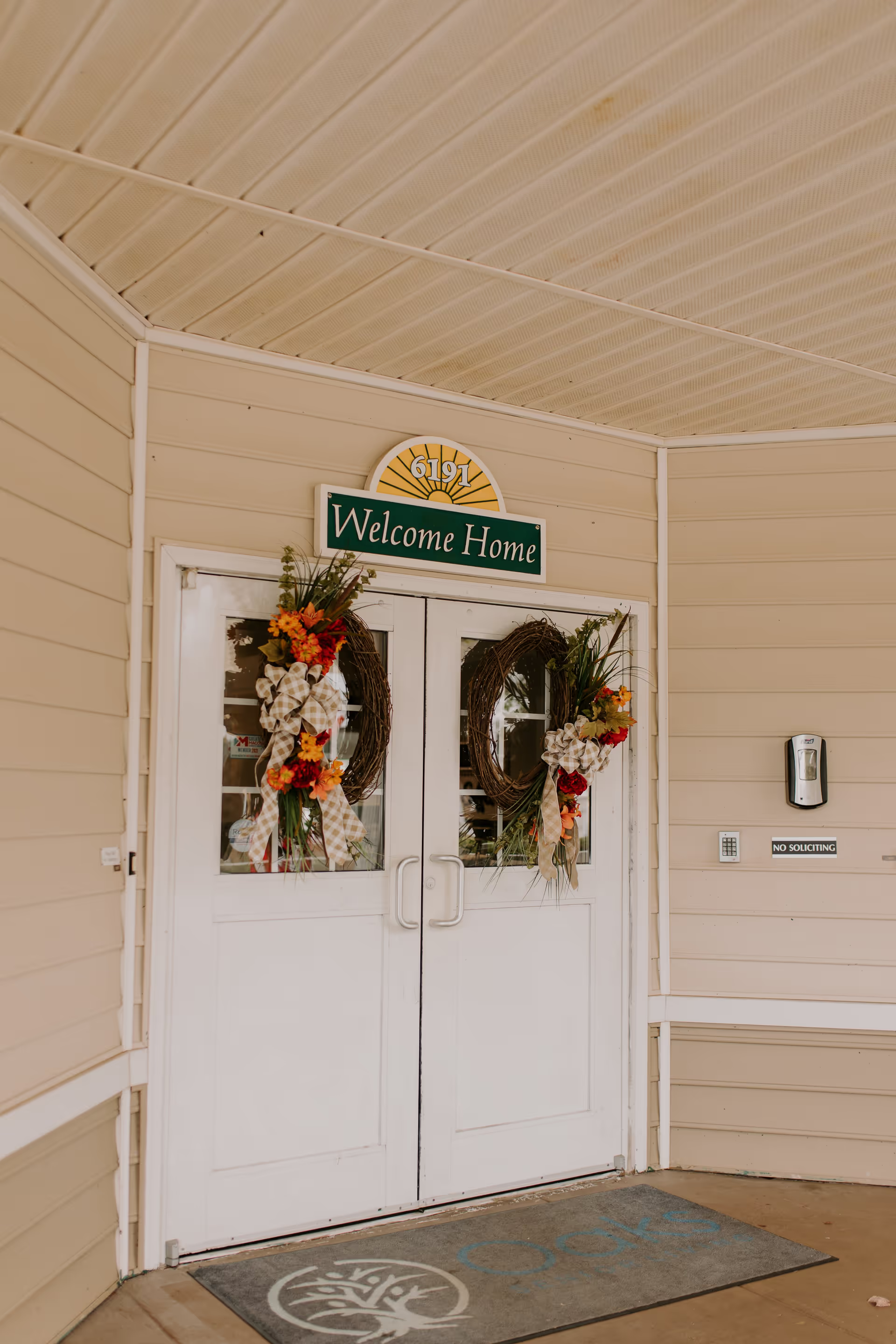
PruittPlace - Wesleyan receives consistent praise for its caregiving culture and campus amenities, while reviewers also identify operational weaknesses that prospective families should consider. Many families emphasize a compassionate, resident-focused staff and a nursing team with dementia-specific training. Wellness leadership and certain administrators are frequently described as accessible and proactive, contributing to a family-like atmosphere and providing reassurance through frequent updates and photos. The small-neighborhood layout, enclosed gardens, and an emphasis on personalized rooms support a home-like environment that several reviewers find beneficial for residents with memory-care needs.
Care quality is generally characterized as attentive and relationship-driven. Reviewers highlighted hands-on interactions, staff who learn residents' names, and staff who engage residents in social activities. There are multiple references to dedicated wellness and activities leaders who facilitate outings, holiday events, and therapeutic programming. At the same time, accounts indicate inconsistent staffing levels and periodic turnover, which correlate with descriptions of slower response times during busy periods and reduced visible staff presence at mealtimes and other peak times. Supervision gaps have been linked to wandering behaviors and occasional cross-traffic between rooms in memory-care neighborhoods.
Dining and activities are described positively in many accounts: the dining area is often called pleasant with restaurant-like ambiance, and meals are described as appealing and nutritious in multiple reports. The activity program is noted as vibrant when the activity director is engaged, offering group games, outings, and events that increase resident participation. However, there are recurring comments about discrepancies between posted calendars and actual programming, and variability in food quality between time periods and meal services.
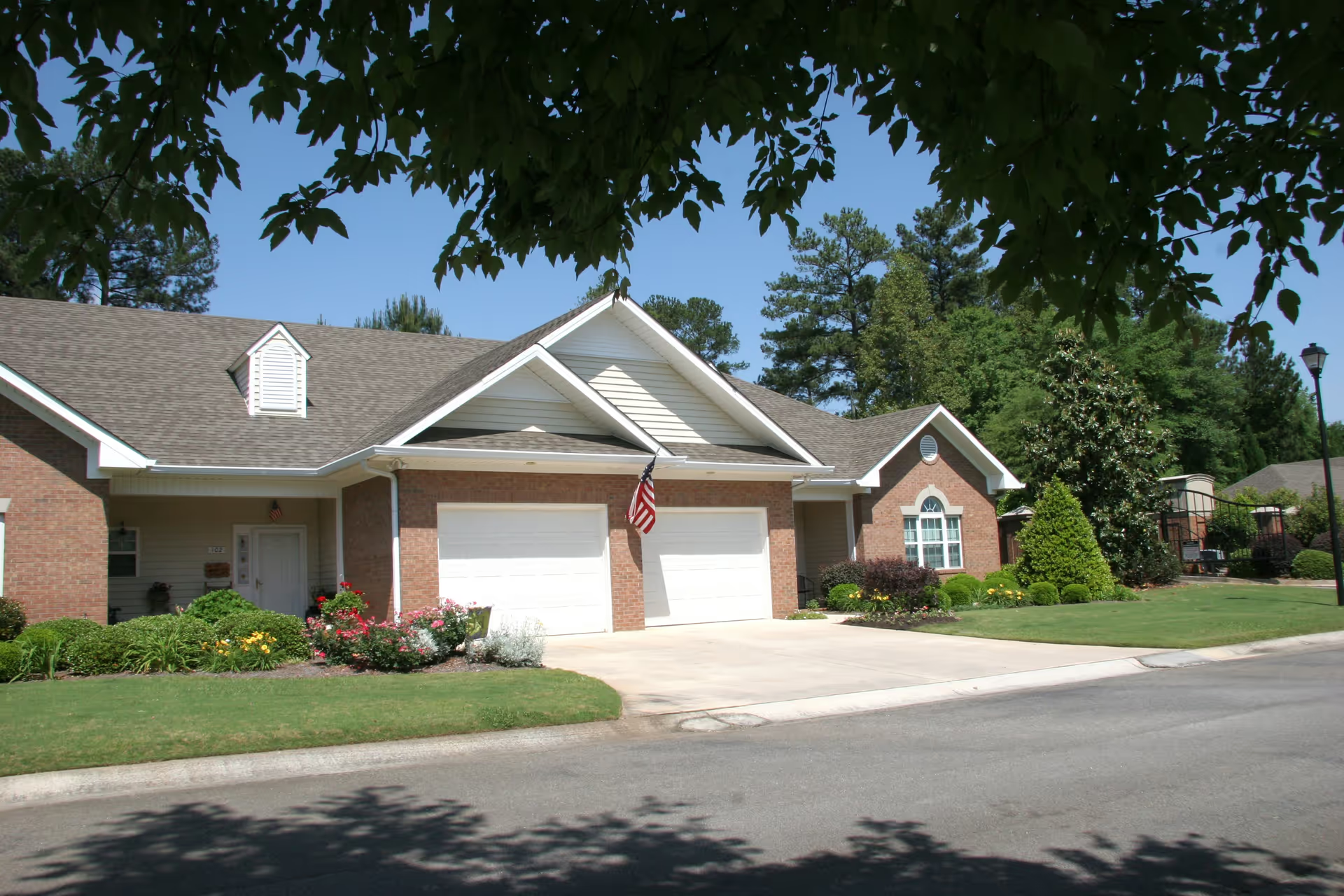
The physical environment earns strong marks for cleanliness of common areas, well-kept courtyards, and accessible room features such as visibility-focused fixtures and workable storage for furnishings. Reviewers appreciate secure outdoor spaces and opportunities to personalize rooms. Contrasting perspectives exist, however: some families note housekeeping inconsistencies and occasional sanitation concerns, and a subset of reviewers describe small private-room storage and restrictive policies on personal appliances as limiting.
Management and administrative patterns are mixed. Many families commend an open-door leadership style and proactive communication; others describe transitional disorganization tied to ownership or leadership changes, with attendant impacts on staffing and execution of services. Financial and contract issues appear repeatedly as a theme: some reviewers expressed dissatisfaction with high entry fees, nonrefundable deposits, and a need for clearer written confirmations of financial and contract terms prior to move-in. A serious operational concern reported by a number of reviewers involves missing personal items; these statements rise to the level of allegations that warrant discussion with leadership and thorough contract and inventory practices during move-in.
Overall, PruittPlace - Wesleyan presents as a community with notable strengths in person-centered care, trained dementia staff, attractive grounds, and engaging activities when staffing and leadership are stable. Prospective residents and families should weigh the facility’s caregiving culture and amenities against patterns of staffing variability, housekeeping inconsistencies, contract clarity, and security practices. Visiting multiple times, asking for current staffing ratios, reviewing the contract and refund policies in detail, and discussing inventory and personal-item safeguards will help families evaluate fit and risk before committing.