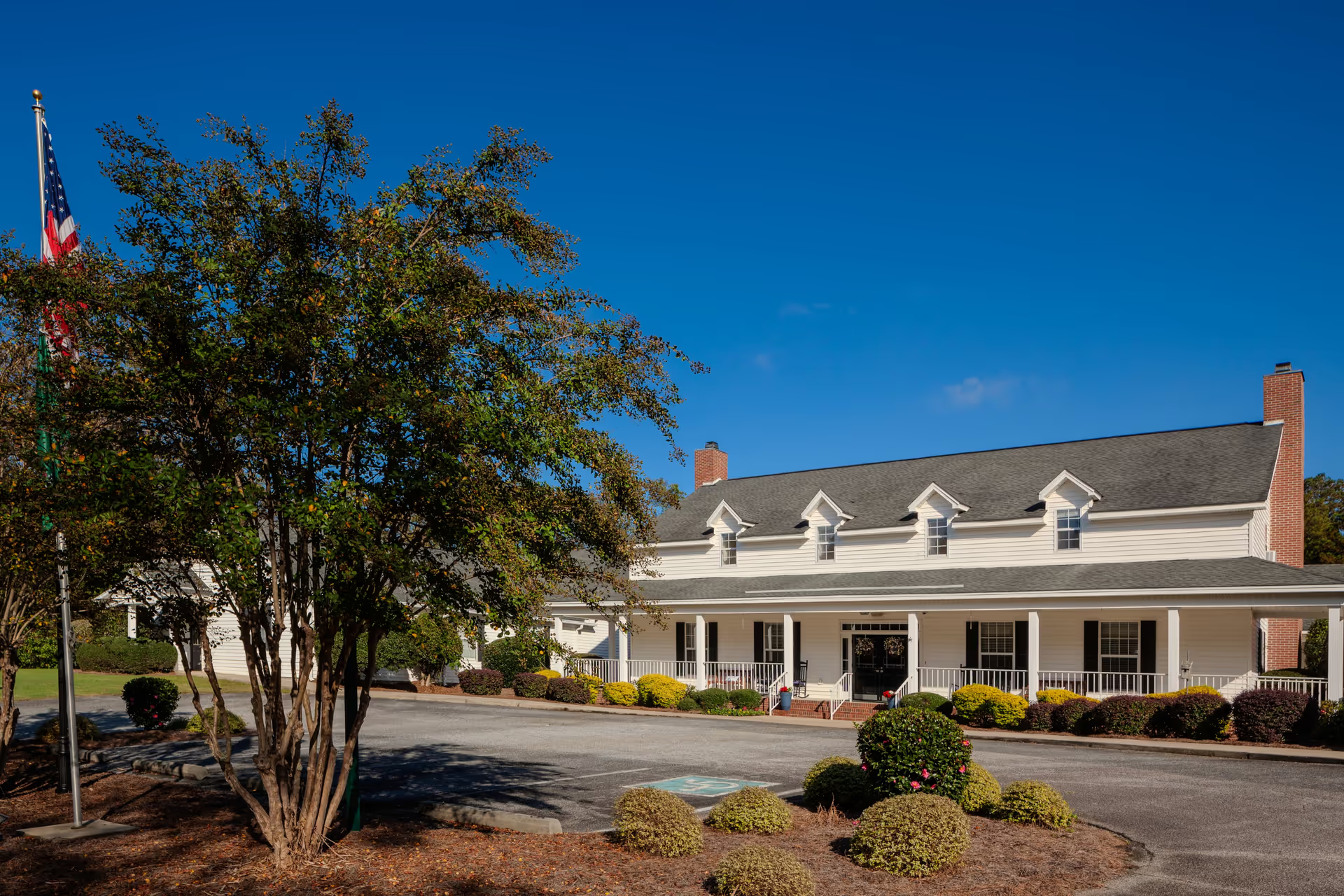
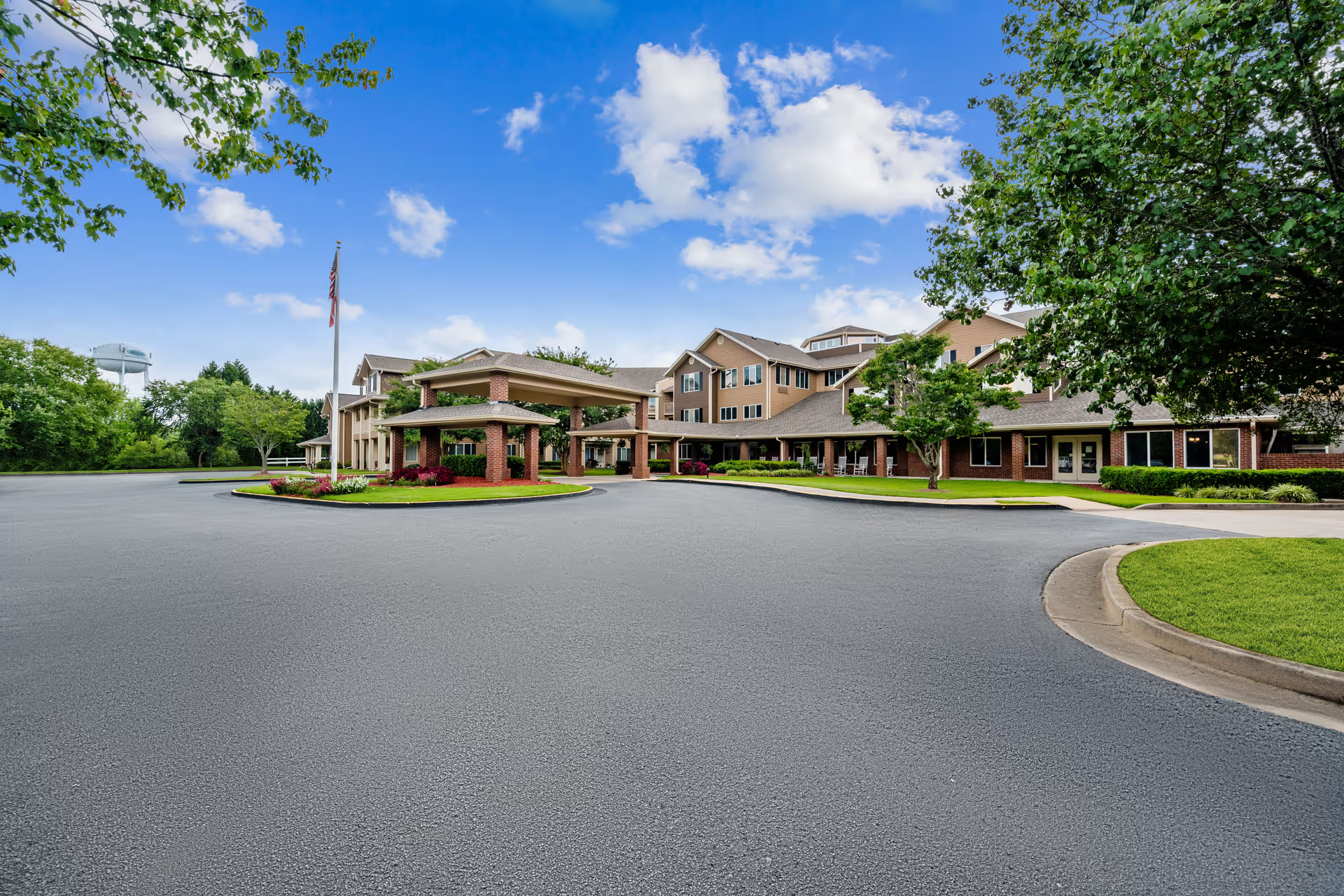
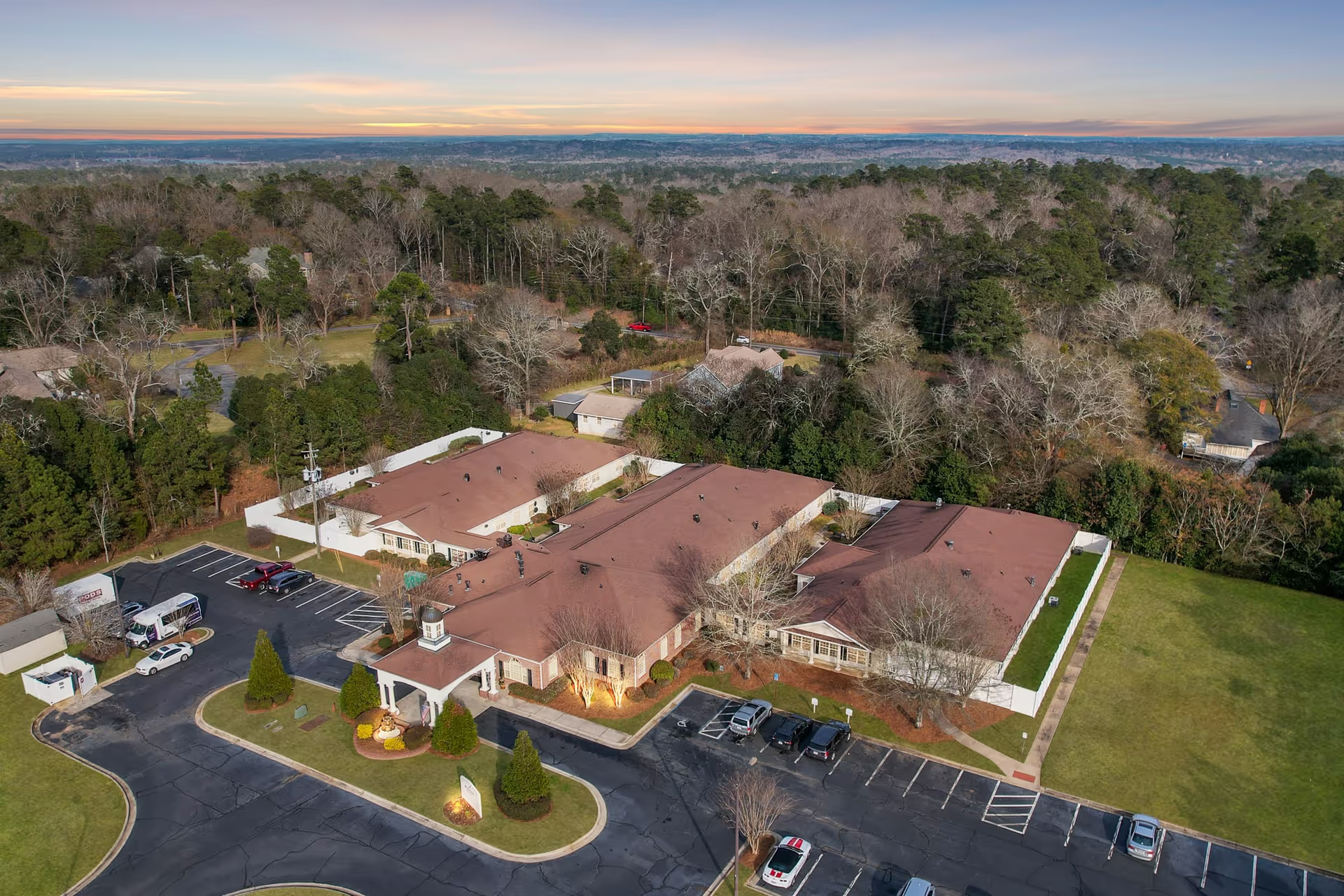
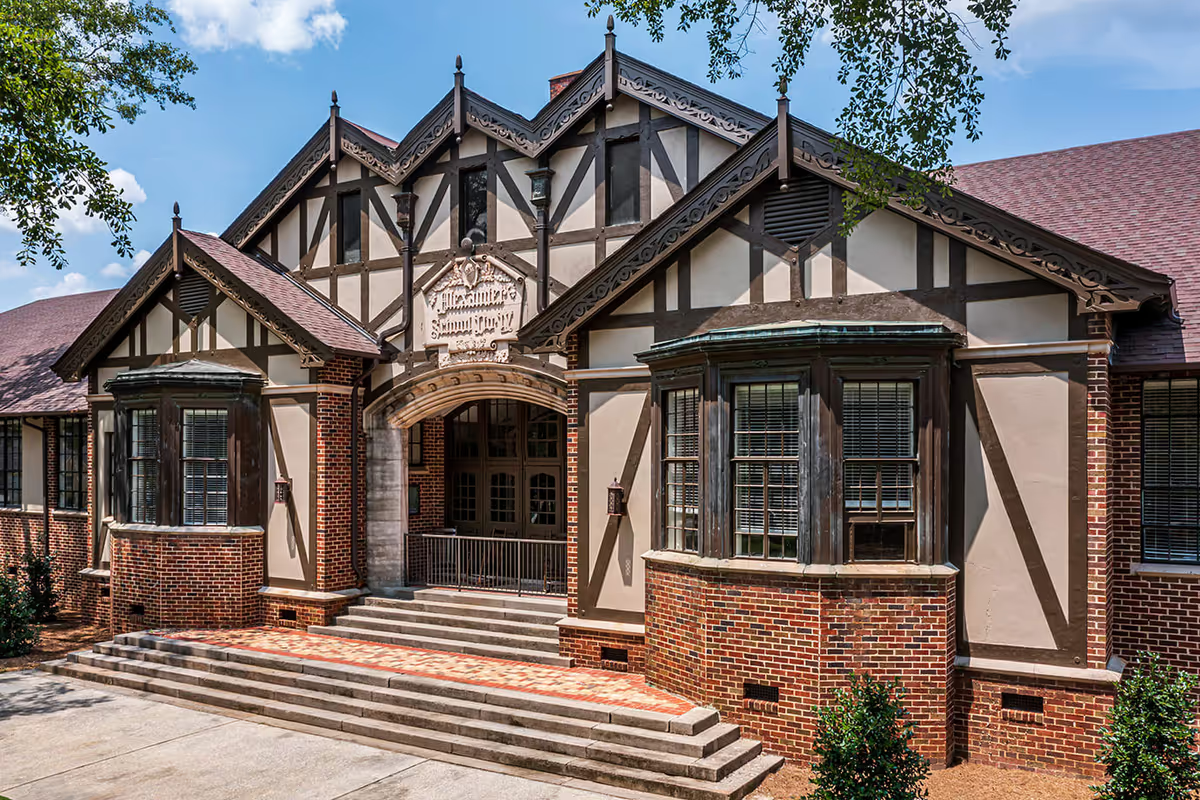
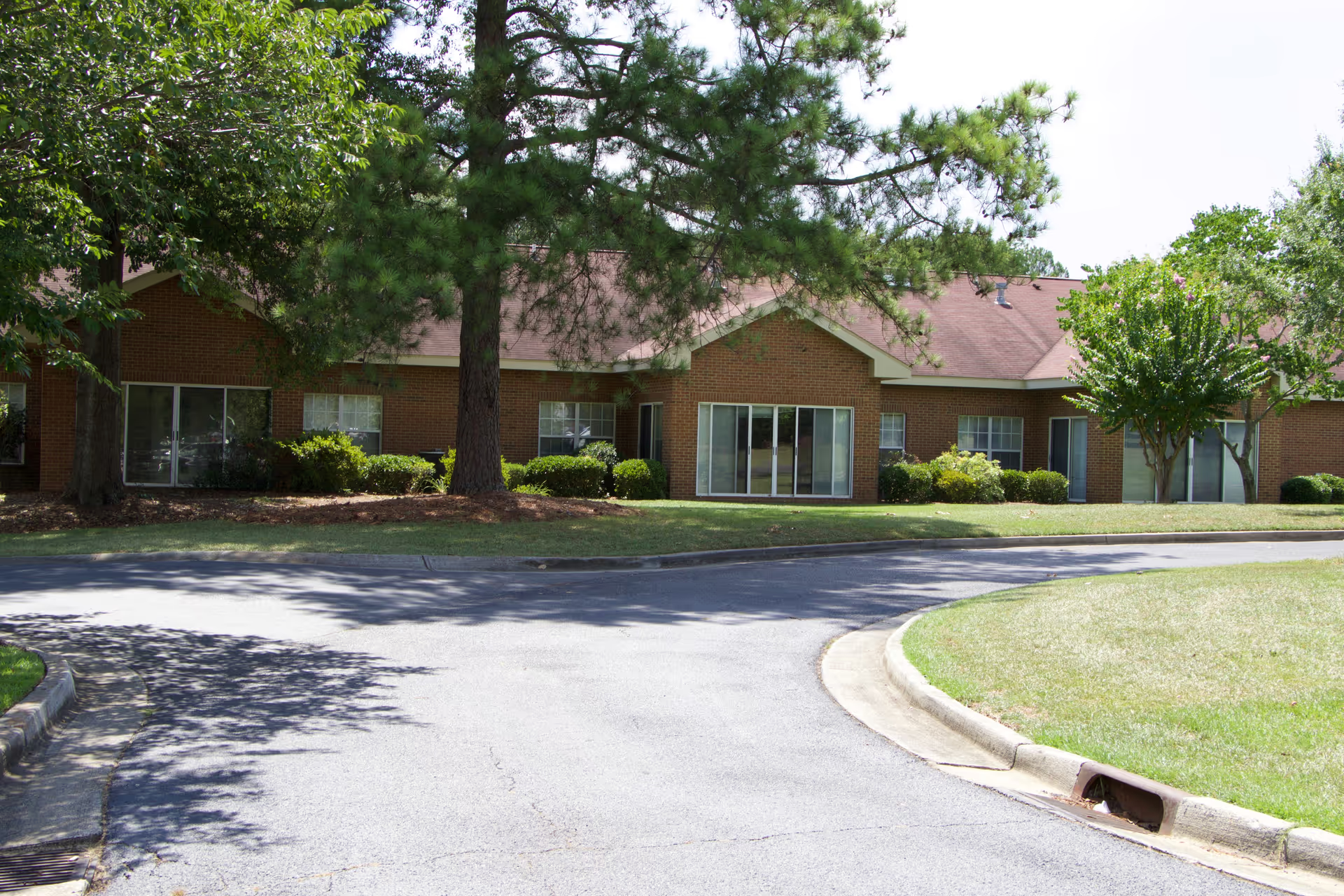
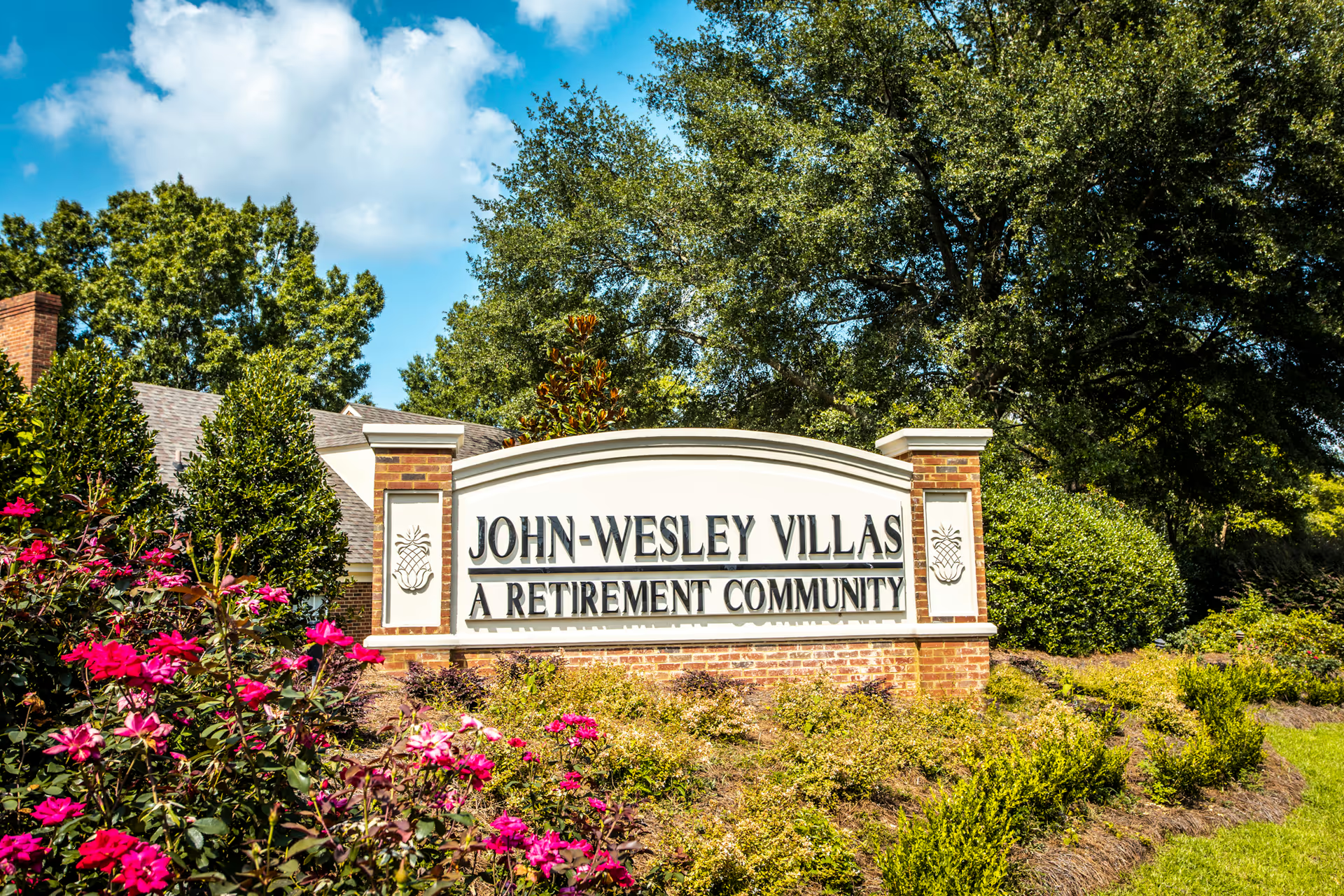
The Cottages on Wesleyan presents as a well-kept, upscale senior-living community with a strong emphasis on appearance, independent-living cottages, and a neighborhood-style atmosphere. Many elements stand out: manicured grounds, modern interiors, private units with kitchens and sunrooms, attached garages and patios, and an active social calendar that includes games, bridge, occasional live music, and programmed outings. The campus layout and single-floor options support accessibility, and the community offers several convenience services such as on-site maintenance, a beauty salon, and regular transportation to medical appointments and shopping.
Staff and direct care are frequent strengths in reviewer descriptions. Staff are commonly described as friendly, courteous, and helpful; reviewers highlight a professional director, attentive nursing presence, and availability of round-the-clock assistance and in-home services (personal care, meals, laundry, and housekeeping). This combination of staff attentiveness and a family-like culture is a recurring theme, and many families and long-term residents express confidence in day-to-day care and safety when services meet expectations.
Dining and activities are also prominent positives. Multiple accounts describe good-to-excellent meals, meal-delivery service to cottages when needed, and an extensive activities calendar that supports social engagement. The community organizes regular events and outings, and reviewers frequently note that residents appear engaged and enjoy a communal atmosphere.
Notwithstanding these strengths, several operational patterns merit attention for prospective residents and families. Cost and payment flexibility are consistent practical barriers: pricing is often described as higher than competitors, with limited acceptance of public programs such as Medicaid. Availability is another constraint; a waiting list and limited unit supply were mentioned. Facility amenities are more modest than some competitors — there is no pool, fitness equipment is limited, and amenity breadth may not meet expectations for those seeking an extensive wellness complex.
There are also care-delivery and management concerns that prospective residents should clarify. Some families described experiences suggesting the memory-care capacity or admissions criteria are unclear or insufficiently differentiated from basic assisted living; this points to a need for explicit, documented explanations of memory-care programming and staffing ratios before move-in. Other operational issues include inconsistent maintenance follow-through, intermittent pest-control and site-safety management concerns, and occasional gaps in on-site clinical supplies or emergency preparedness. Communication variability is another recurrent theme: while many families praise staff responsiveness, others described delays in communication or difficulty getting clinical concerns addressed promptly.
In summary, The Cottages on Wesleyan appears well suited to older adults and families who prioritize a clean, attractive environment, a strong social program, and amiable staff in a neighborhood-cottage setting, and who can accommodate higher monthly costs. Prospective residents with memory-care needs, tight budgets, reliance on Medicaid, or specific clinical-safety priorities should conduct targeted due diligence: review written memory-care policies, confirm staffing levels and emergency-supply procedures, inspect pest-control and maintenance records, sample the dining program, and verify unit sizes and pricing alignment. Visiting at different times of day and speaking directly with clinical leadership and current families can help resolve the mixed operational signals seen in some accounts.