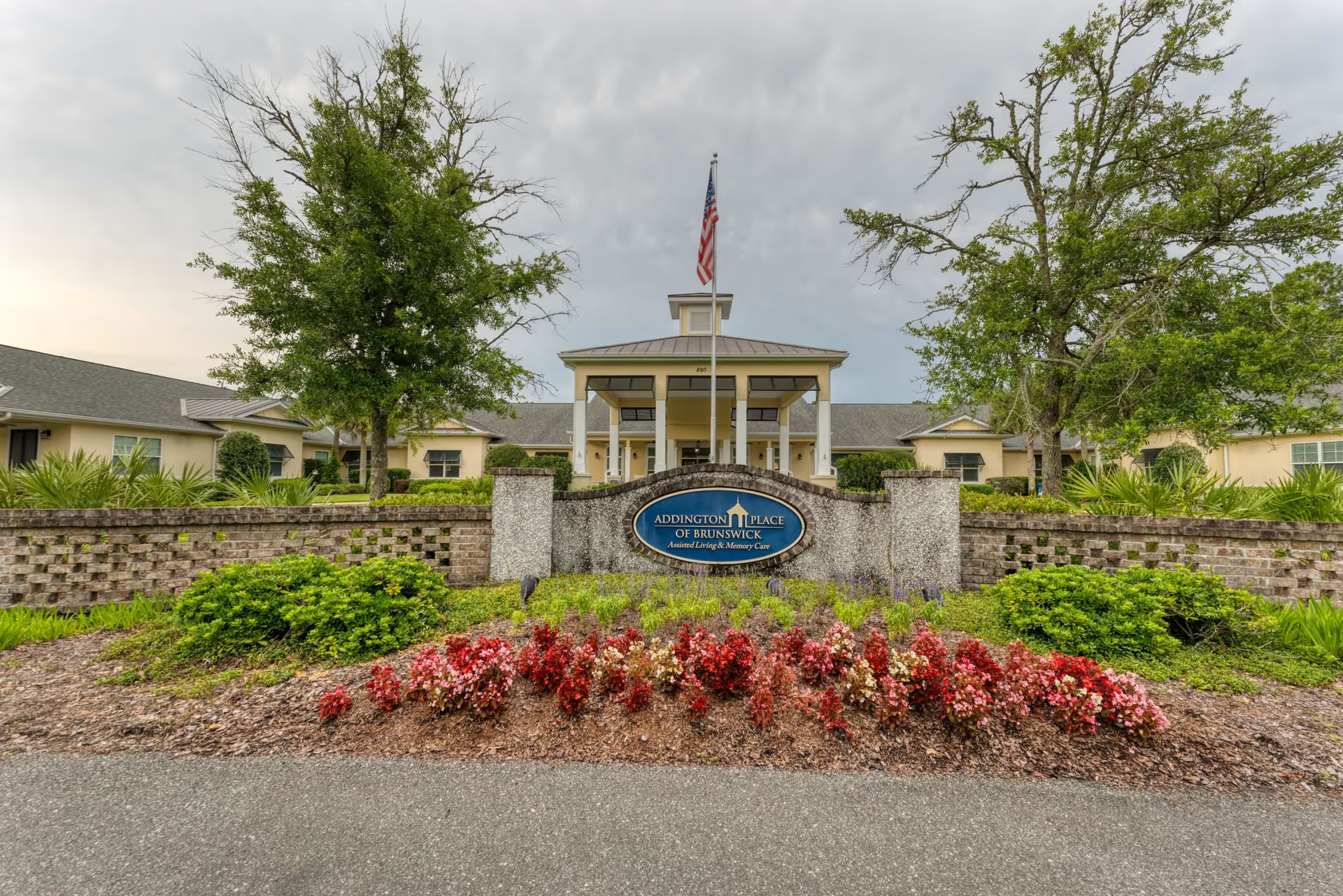
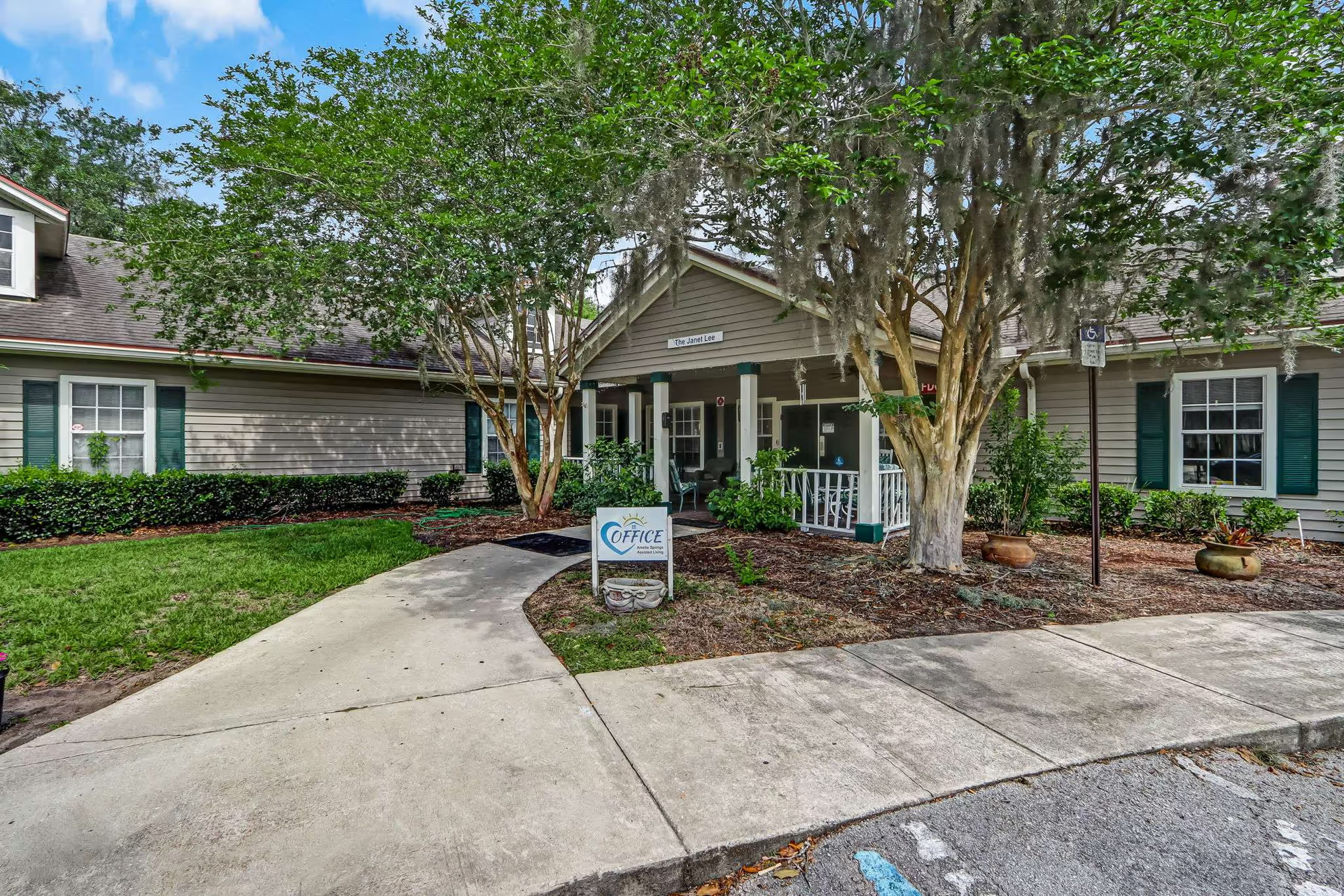
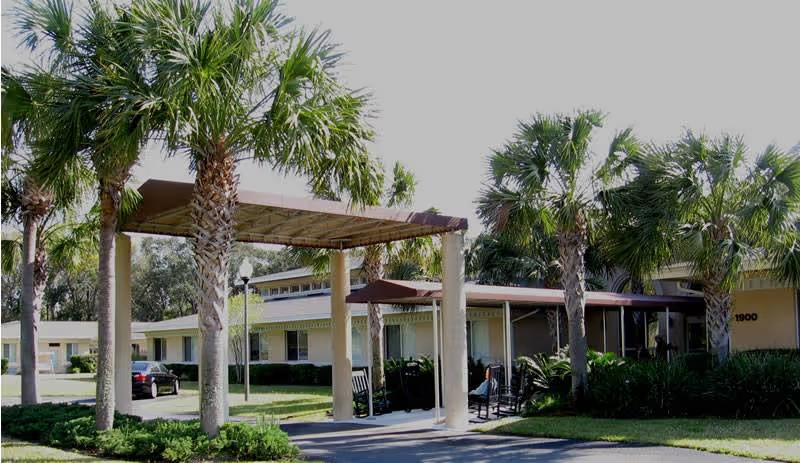
Heritage Oaks presents as a well‑established, home‑like retirement community with many families praising its campus, social dining, and interpersonal culture. Reviewers frequently highlight friendly, accommodating caregivers and administrative staff, long‑tenured team members, and a smooth move‑in experience. The site and grounds are described as pleasant and shaded with porch and courtyard spaces that support social engagement; apartments are generally characterized as comfortable and homey. Several families specifically noted helpful assistance with errands and medical appointments, routine weekly medical checkups, and 24/7 supervision that contributed to feelings of safety and increased resident energy.
Care quality perceptions are mixed. A substantial number of comments describe attentive nursing and supportive daily assistance, including effective medicine management for many residents. Conversely, there are several serious concerns about timeliness and consistency of care in some cases — principally delays in medication administration and meal service timing. These operational weaknesses appear to have led, for a subset of families, to a decision to transfer a resident to a higher level of care. Reviewers also flagged limitations in the facility’s ability to manage higher‑acuity medical needs, suggesting that some complex post‑surgical or cardiac care needs may exceed the community’s current clinical capacity.
Staff and culture are prominent strengths, with many families describing staff as caring, personable, and family‑like; activity offerings such as art classes, church services, and salon services were repeatedly appreciated. At the same time, there are consistent comments about inconsistent staff professionalism and occasional concerns about the tone of staff–family communication. Some reviewers described breakdowns in coordination between admissions, physical therapy, and nursing that affected transitions and the continuity of care. A few reviewers associated these coordination problems with recent leadership changes.
Dining is generally seen as nutritious and supportive of weight gain and appetite improvement for some residents, while others noted variability in taste and consistency. Activity programming and engagement opportunities are present and valued, but several reviewers observed that programming quality can fluctuate. Management and administration are often described as professional and helpful, though communication gaps around care coordination and incident response were called out as areas needing improvement.
In summary, Heritage Oaks offers a warm, well‑kept environment with many strengths in staff relationships, campus amenities, and social programming. Prospective residents and families should weigh those strengths against operational concerns about medication and meal timeliness, care coordination during transitions, and the community’s ability to manage higher‑acuity clinical needs. Visiting in person, asking specific questions about medication administration protocols, escalation pathways for clinical changes, and how leadership handles transitions will help families assess fit for individual care requirements.