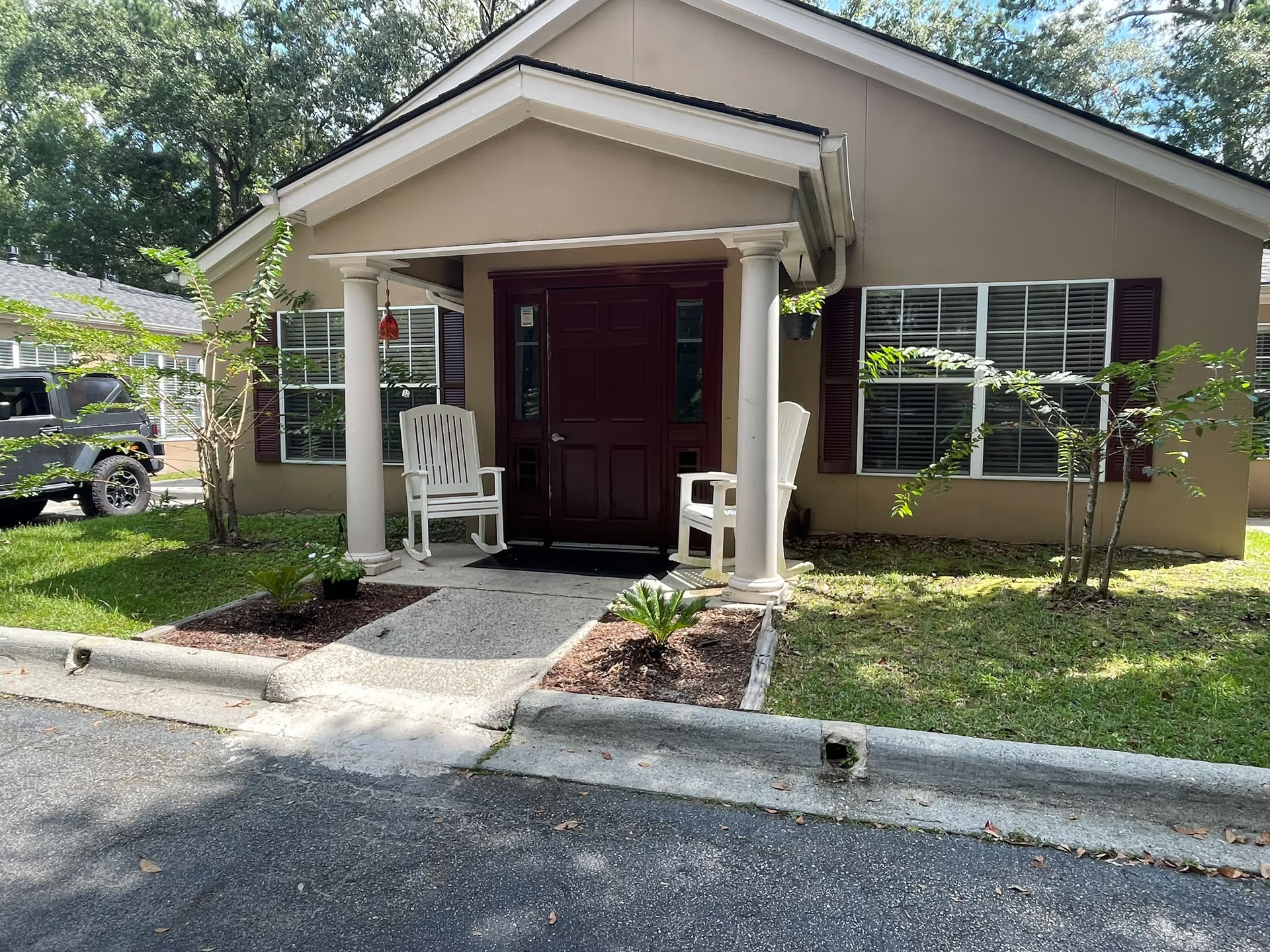
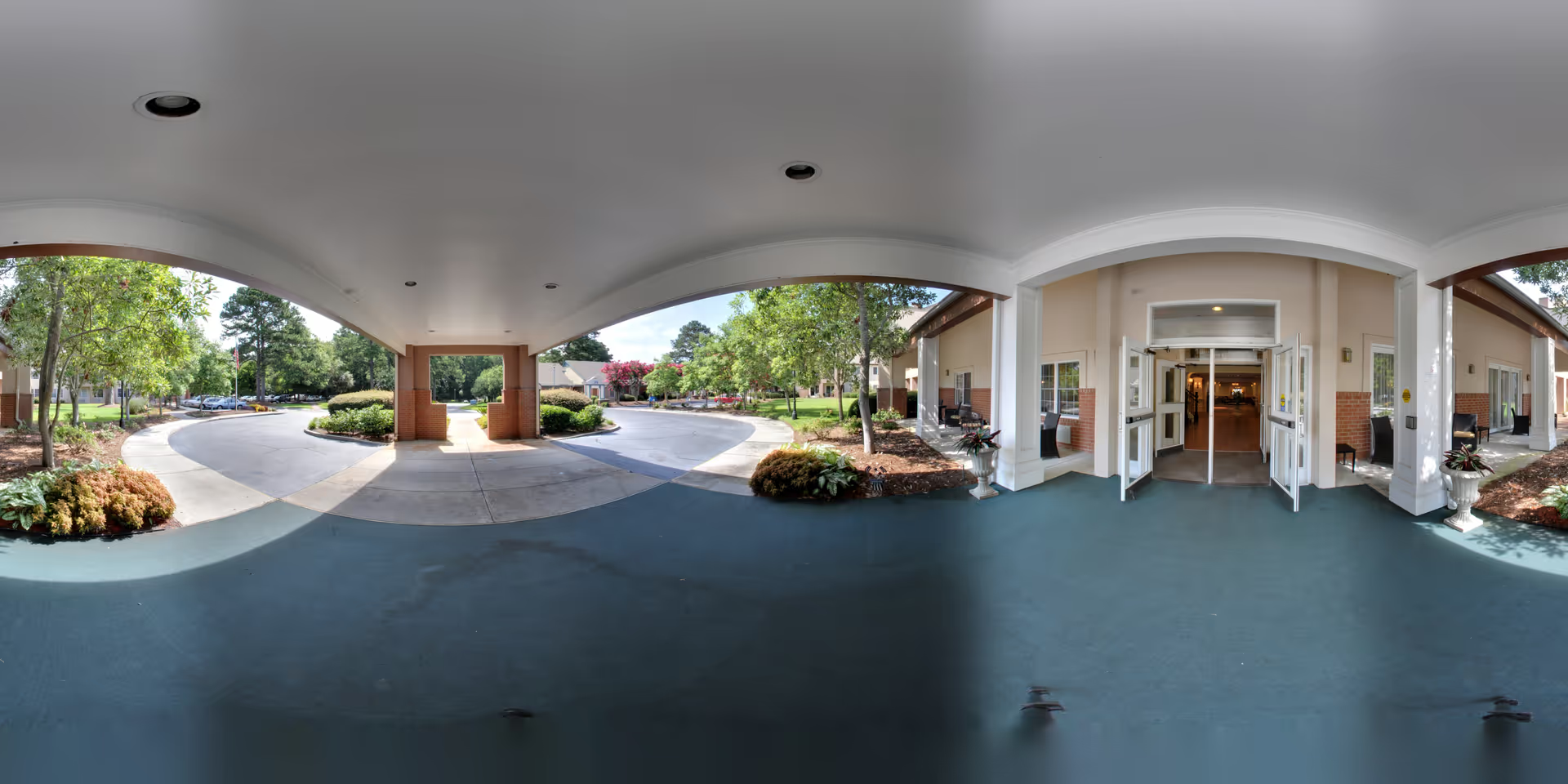
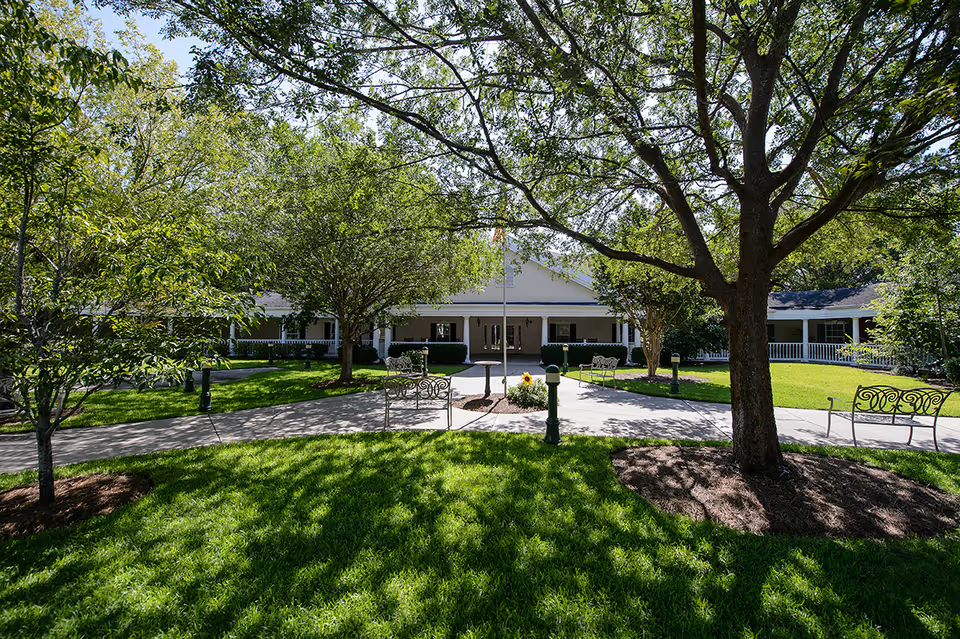
Sunabella at Savannah presents as a home‑style memory care community with several clear strengths alongside operational inconsistencies prospective families should verify. Many accounts emphasize compassionate, dementia‑aware caregiving supported by on‑site nursing and a visiting physician. The facility’s small scale, bright interior, large common rooms and a secure courtyard contribute to a family‑oriented, comfortable environment. Residents and families frequently praise the activity program—live music, games, exercise classes and a proactive Activities Director—and multiple comments highlight nutritious, well‑presented meals and frequent opportunities for social engagement.
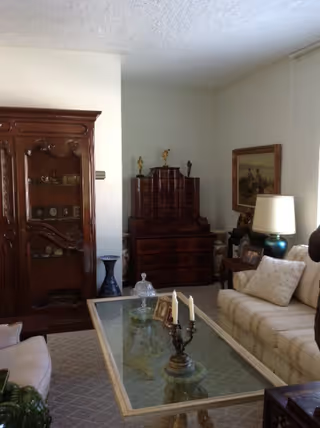
Care and staffing reflect a generally strong memory‑care focus, with numerous positive anecdotes about individualized attention, prompt responses in emergencies, and caregiving staff who encourage personalization of rooms. Clinical oversight is present through nursing staff and visiting medical providers, and families report helpful communication in many cases (photo updates, follow‑up calls, collaborative care planning). At the same time, recurring operational themes include periodic understaffing and variability in staff coverage that appear to affect housekeeping, activity delivery and responsiveness on occasion. A subset of families described unintended weight loss, reduced engagement, and delays in attending to needs—issues that prospective families should explore by asking about staffing ratios, typical schedules, and response protocols.
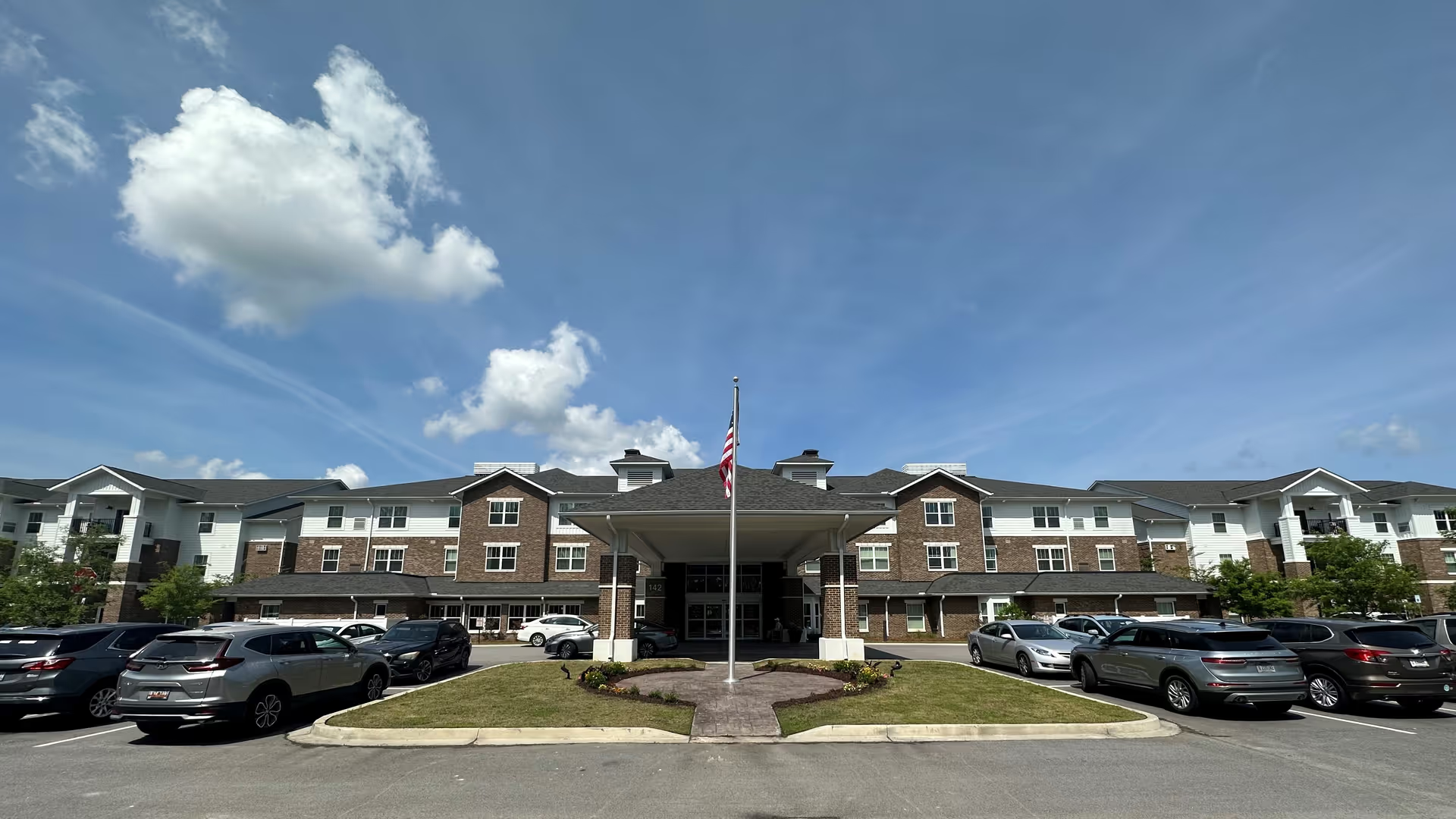
Dining and activities are a notable strength: reviewers often describe three well‑presented meals, healthy snacks, and an active events calendar that fosters social connection. There are intermittent comments about meal‑service consistency (for example, temperature control) and that medication costs can be higher when an out‑of‑network pharmacy is used; families may wish to confirm pharmacy arrangements and meal‑service practices during a tour. The facility’s layout—lots of windows, courtyards, large dining room and a library—supports walking and socialization, though impressions of parking and outdoor access vary across accounts.
Facility operations and management present mixed impressions. Several families commend attentive managers and staff who create a family‑like culture; other families report communication gaps with leadership, difficulty obtaining records, inconsistent housekeeping in resident rooms, and concerns about weekend supervision and accountability. Safety monitoring is generally described as secure, but there are also accounts indicating gaps that created risk for unsupervised exits; these should prompt questions about exit alarms, supervision levels and individualized safety plans. Overall care quality appears to depend in part on staffing consistency and management stability.
In summary, Sunabella at Savannah is frequently described as a warm, activity‑rich memory care community with strong daily programming and generally compassionate staff. However, there are recurring operational themes—leadership turnover, communication gaps, intermittent understaffing, and housekeeping inconsistencies—that produce variable family experiences. Prospective families should tour in person, observe staffing patterns (including weekend coverage), review housekeeping and medication/pharmacy arrangements, and ask about safety monitoring and record access to determine whether the facility’s strengths will meet their loved one’s needs.