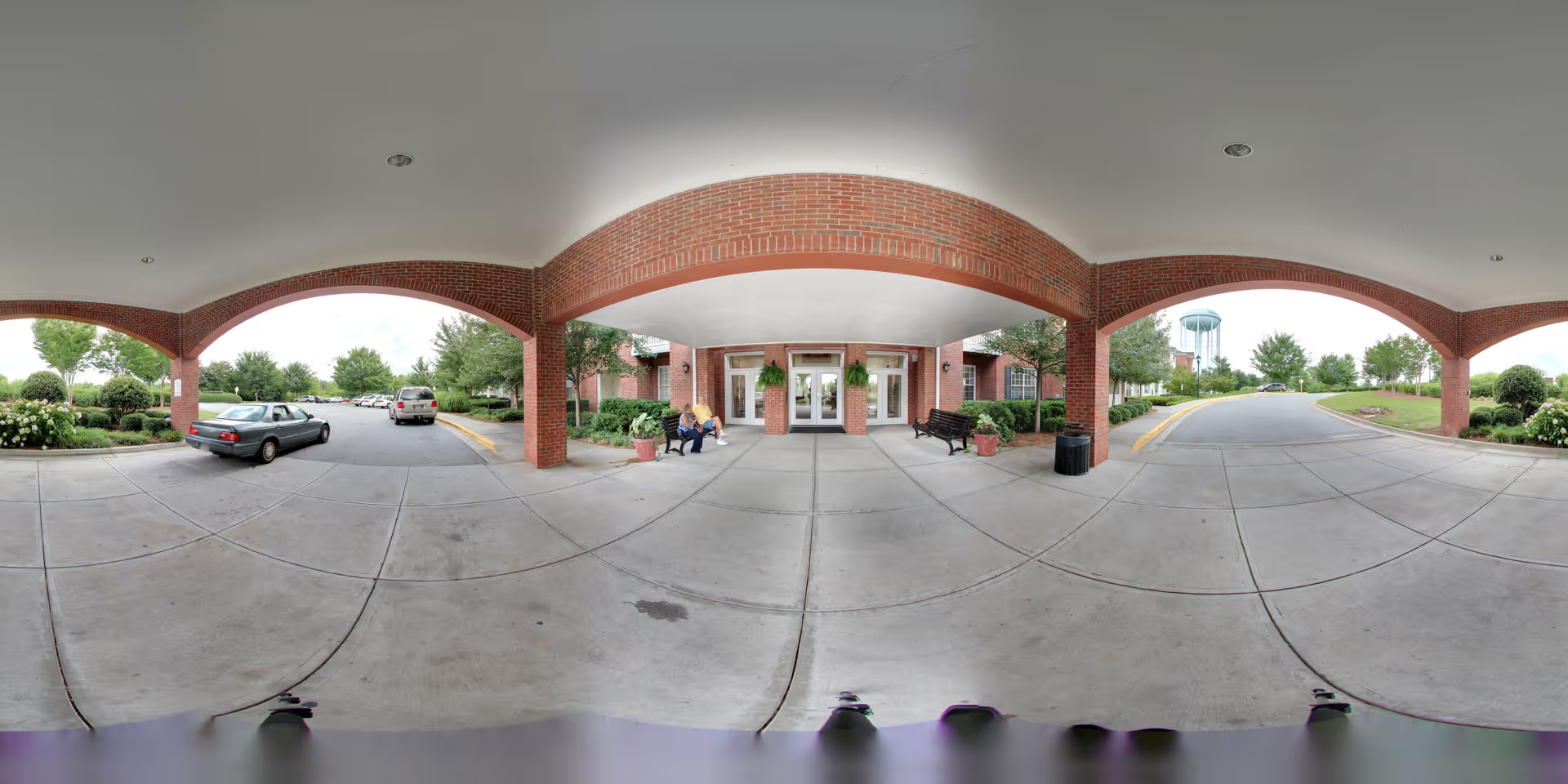
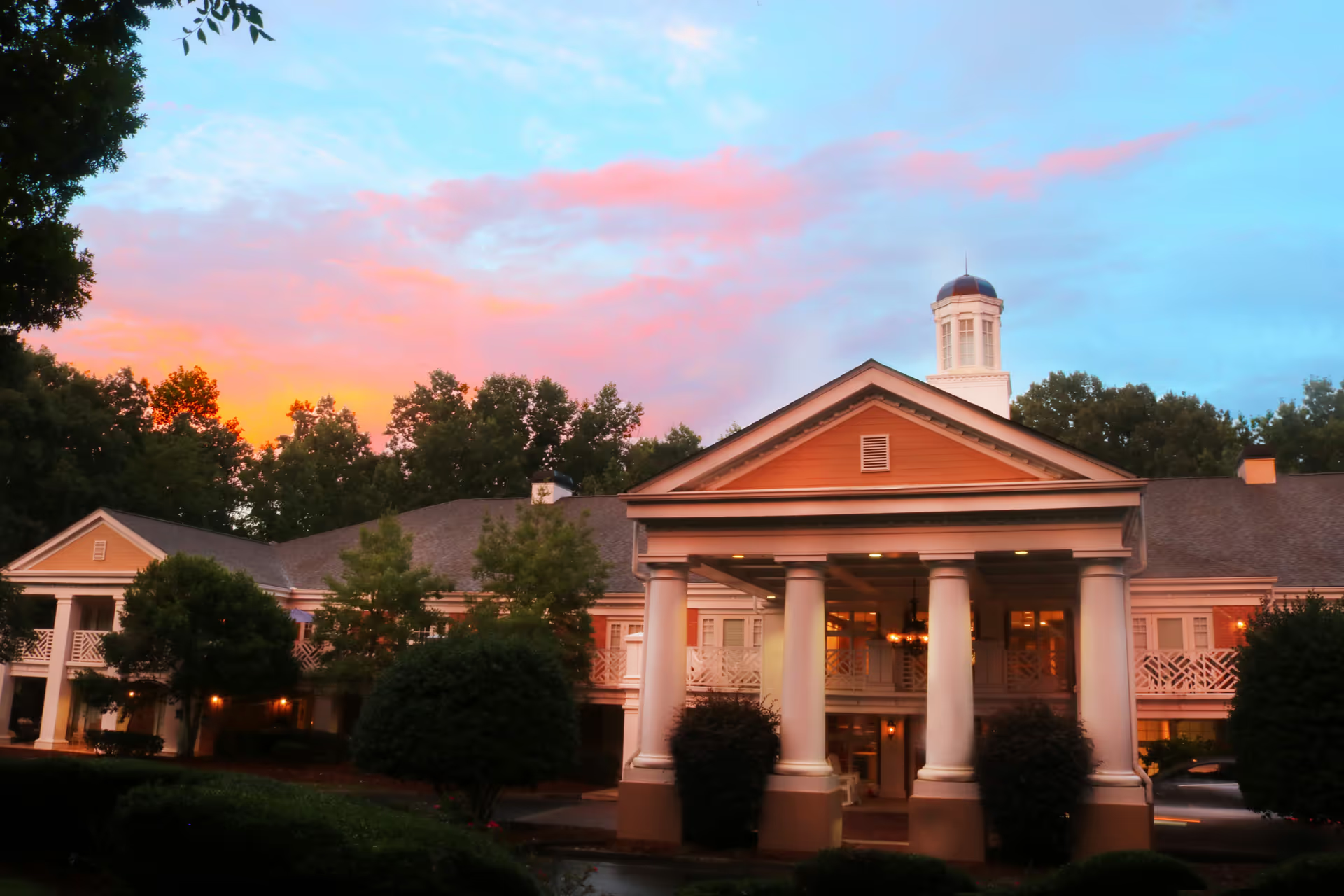
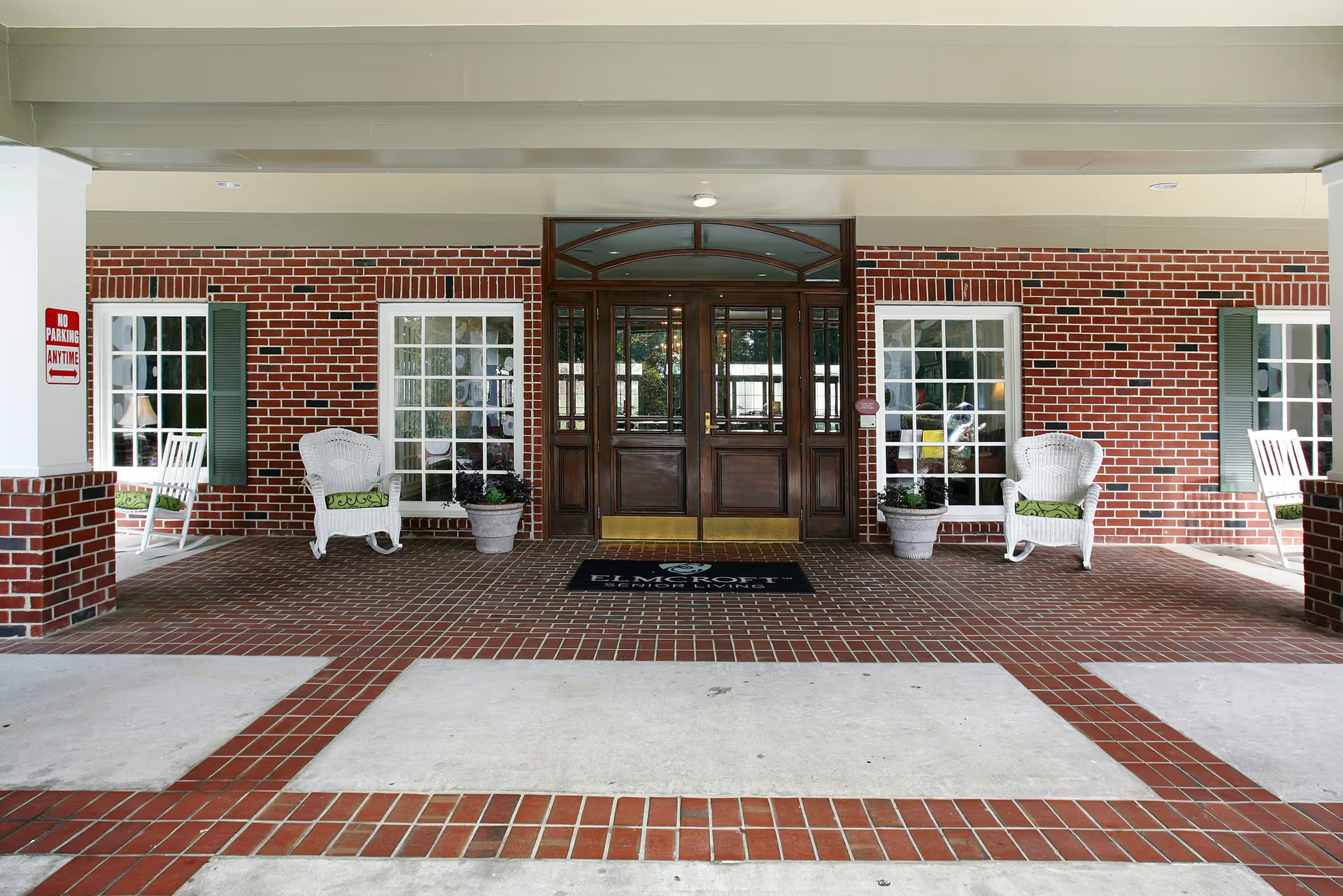
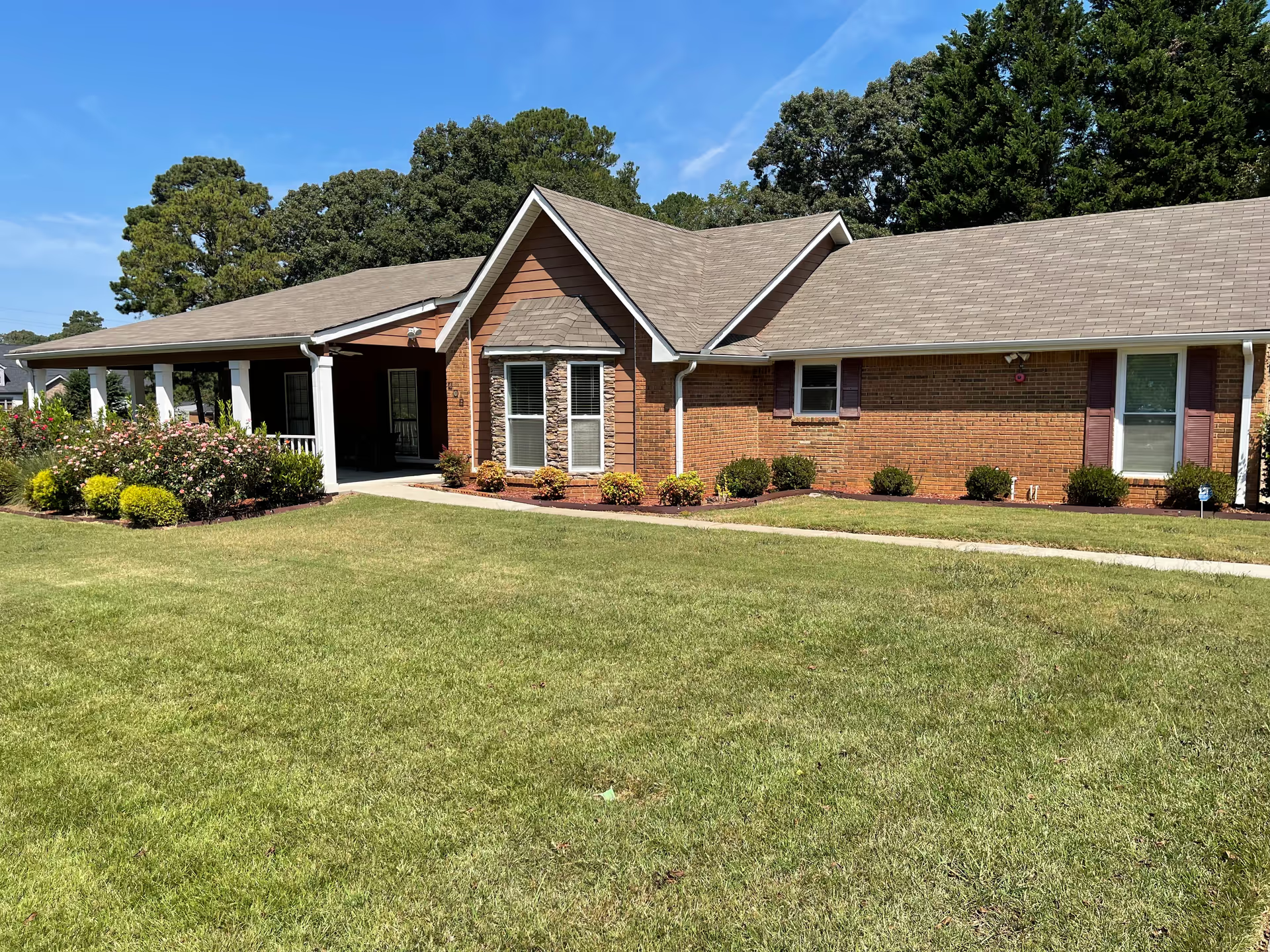
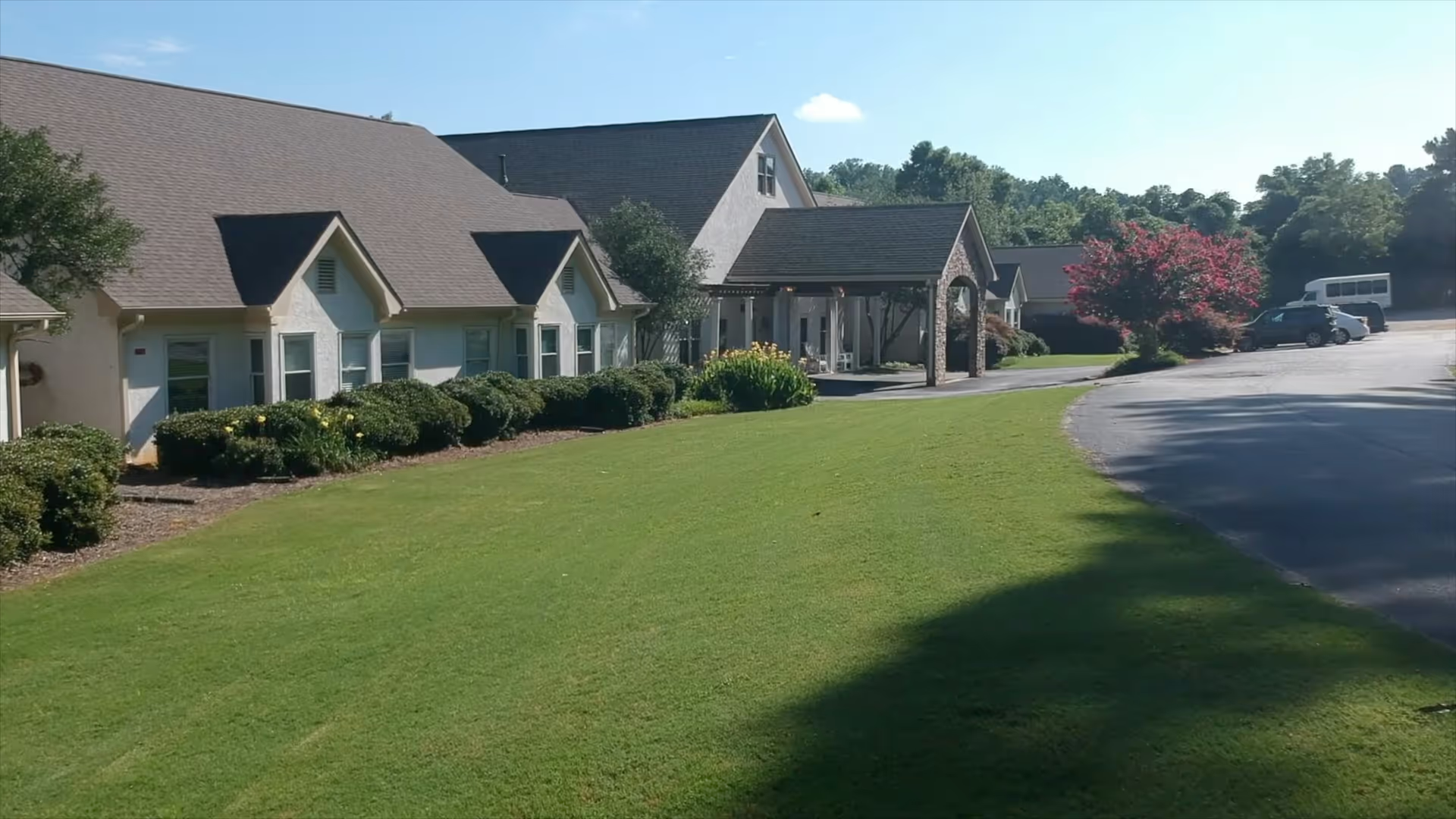
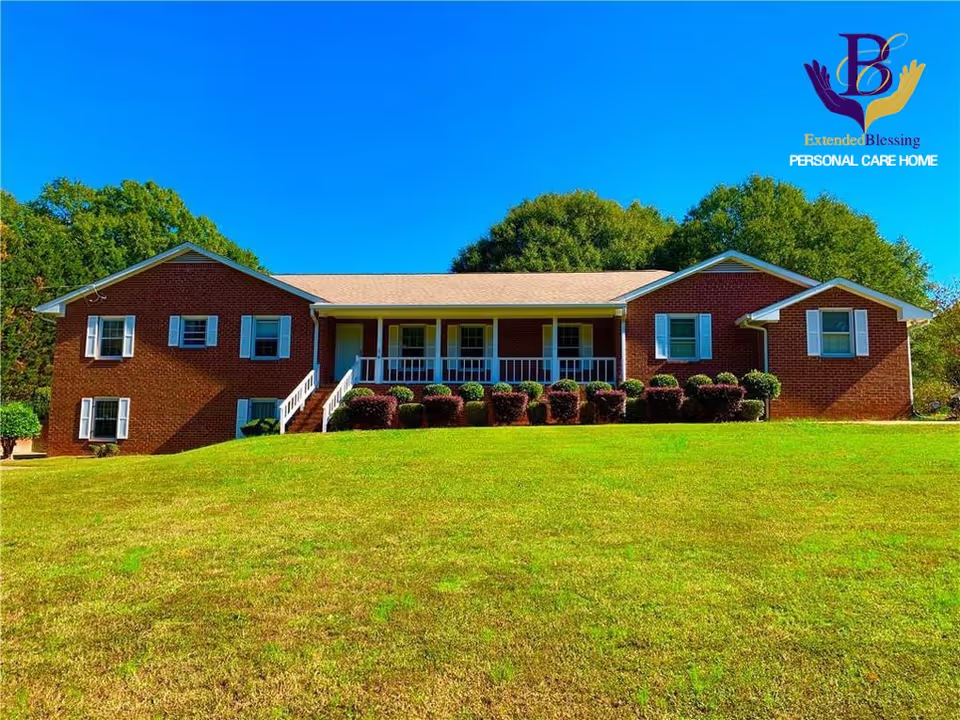
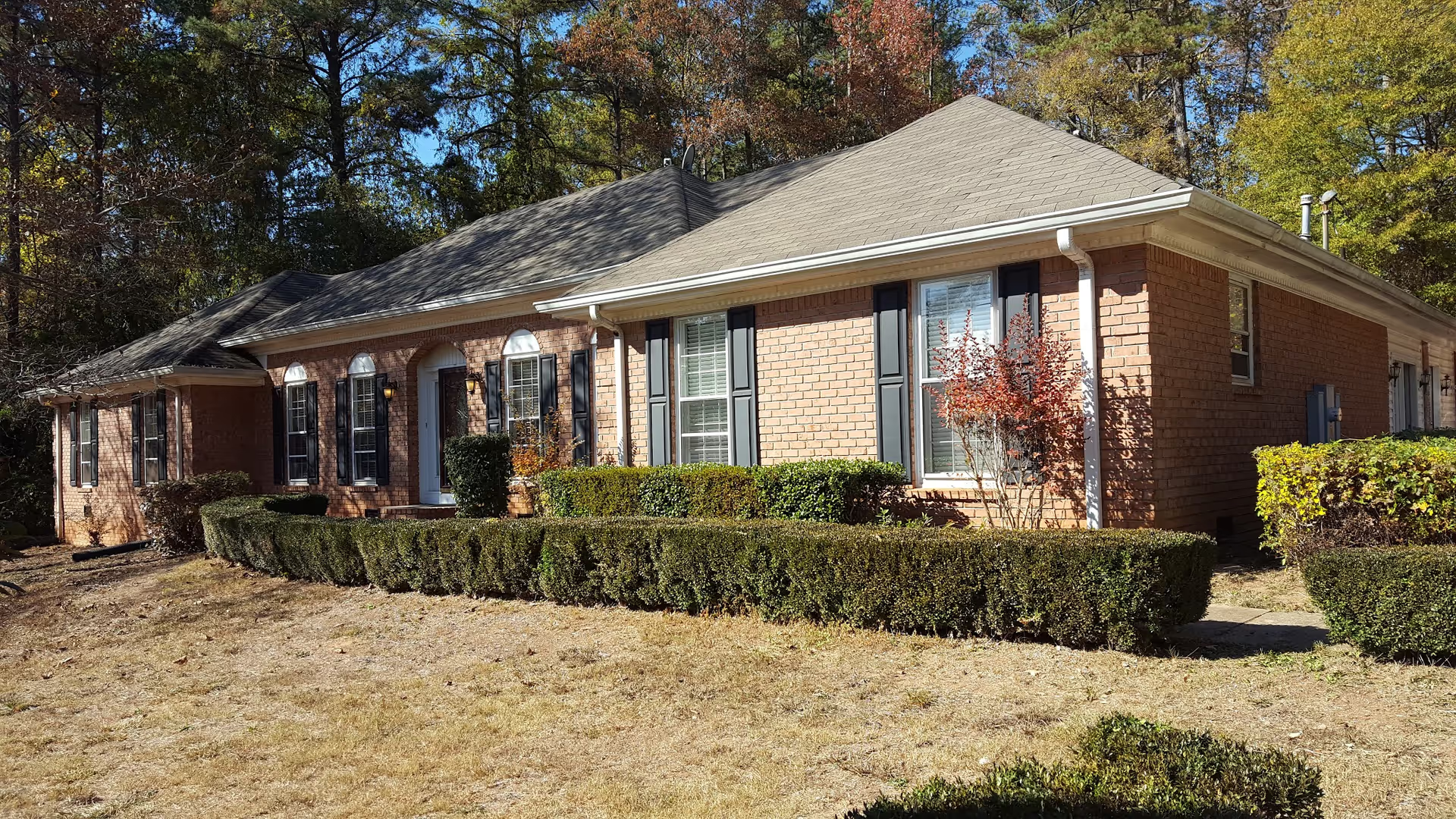
This facility is repeatedly characterized by an upscale, well-maintained environment with attractive landscaping, sunlit courtyards and multiple outdoor patios. The interior finishes and themed artwork give a residential, small-community feel; unit sizes and common areas are described as clean, tidy, and thoughtfully arranged for memory-care circulation. The controlled-entry design and dementia-friendly layout—open sight lines without heavy locking doors—are commonly cited as strengths for families looking for a secure but home-like setting.
Care and daily-staff performance receive mixed but specific feedback. Many families praise compassionate, personable caregivers who know residents and relatives by name, and several named staff in activities and admissions are described as attentive and effective. At the same time, there are operational patterns that concern clinical continuity: inconsistent care planning, variable nursing responsiveness, and uneven medical-staff competence. These clinical gaps are associated in some accounts with fall-prevention and skin-integrity monitoring issues. Staffing instability—cited as driven by low pay, scheduling pressures, and turnover—appears to contribute to uneven care and to limit consistent assignment of experienced caregivers.
Dining and activities are consistent positives. The dining areas are described as accommodating and pleasant, with families noting improved appetite for some residents. The activity program is active and varied (music, social evenings, wine-and-cheese nights, family events), and leadership in activities is singled out as a real asset. Those aspects support social engagement and a lively community atmosphere that several families said helped their relative thrive.
Management and administrative patterns are mixed. Many reviewers praise helpful, professional admissions and office staff who communicate clearly during intake and routine updates. Conversely, recurring concerns include abrupt leadership changes, ownership/management instability, billing and refund delays, and questions about surveillance and privacy practices (including use of tracking programs and potential extra charges). In several accounts this instability culminated in sudden operational changes that disrupted resident placement, indicating a risk to continuity of care that prospective families should evaluate.
Overall, the facility offers a strong physical environment and a robust social program supported by caring front-line staff. The principal operational weaknesses to weigh are inconsistent clinical oversight, staffing turnover, limited assistive equipment availability, night-time supervision gaps in memory care, and administrative/management instability. Prospective families should verify current staffing levels and turnover, request written care-plan examples and fall-prevention protocols, confirm availability of lifting/assistive equipment, and obtain clear written policies on billing, privacy, and contingency plans for unexpected operational changes before making a placement decision.