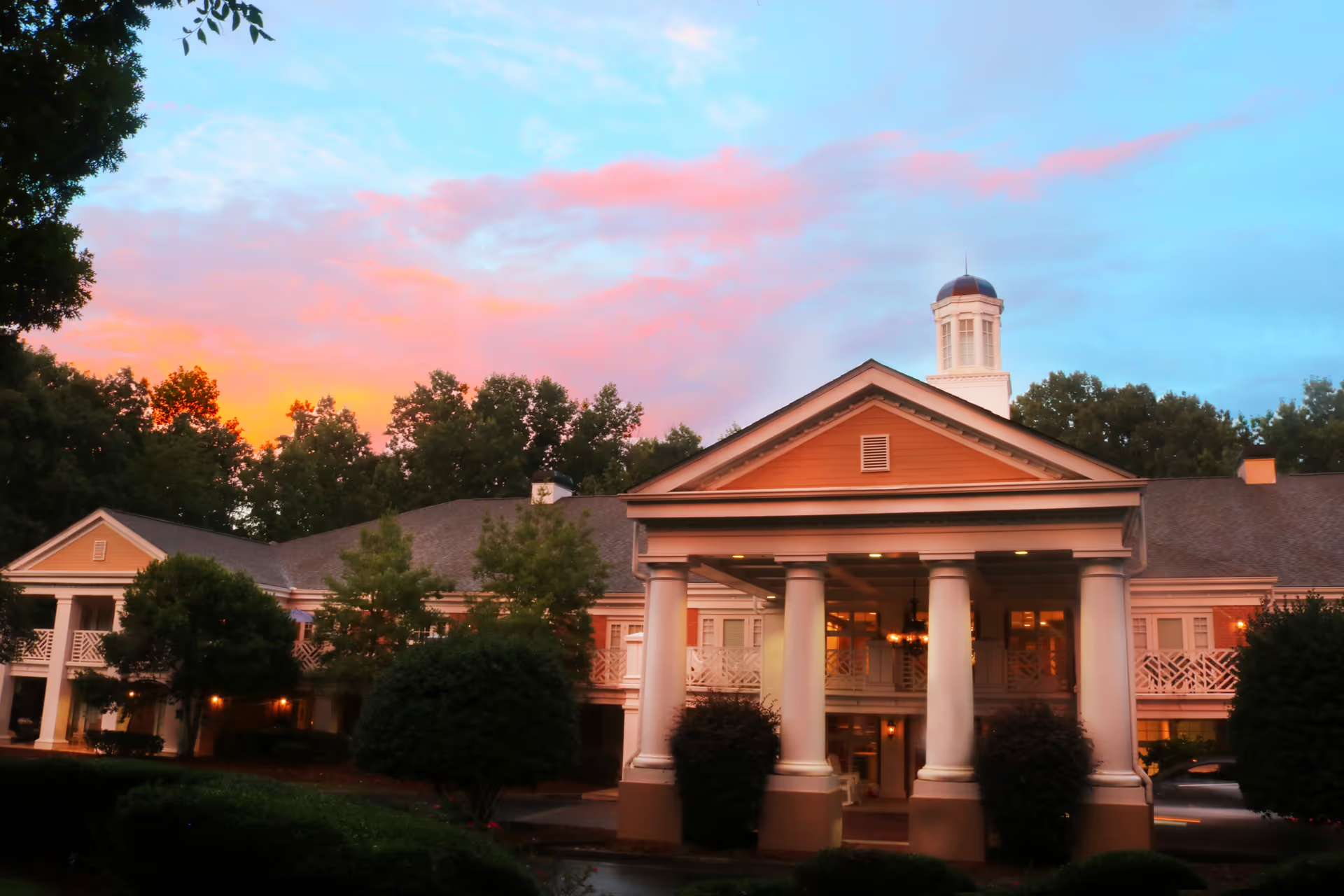
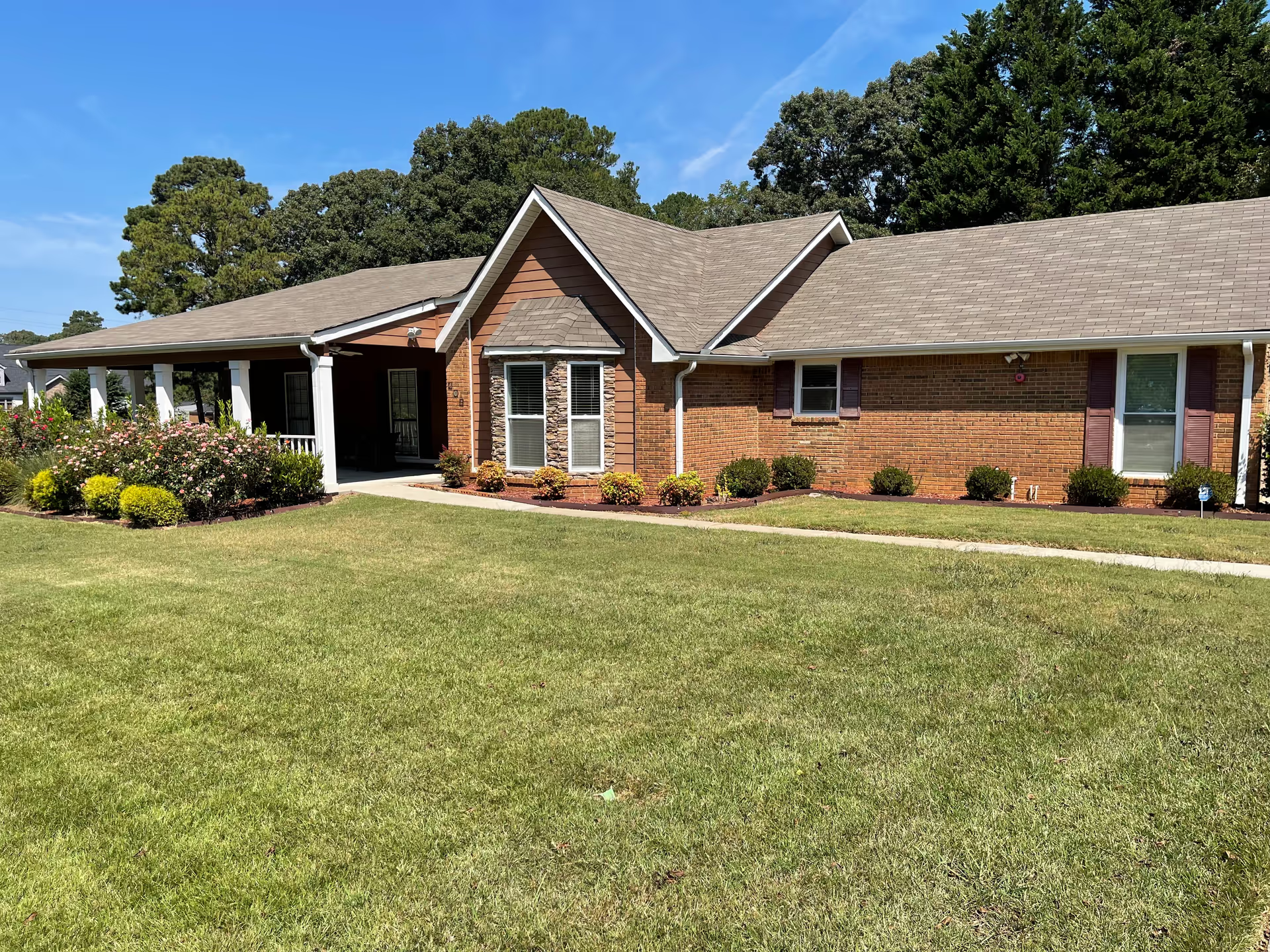
Reviews present a mixed but clear pattern: many families describe a small, home-like memory care community with caring staff and an active program of activities, while other accounts point to operational inconsistencies that affect resident experience. The site is frequently described as having attractive grounds, a warm ambience, and a quiet, nature-oriented location with lake access. Memory-care units are noted for an apartment-like layout and private rooms with bathrooms, and several reviewers praise long-tenured kitchen staff and home-cooked meals. The facility is also commonly characterized as more affordable than some alternatives in the area.
Care and staff: Many reviews emphasize compassionate, family-style caregiving and staff who are comfortable with dementia care. Leadership with dementia experience and an accommodating director are cited as strengths; some families also praised communication during crises and flexibility for end-of-life visits. Contrasting accounts describe staffing shortages, frequent turnover, and lapses in staff conduct and responsiveness. These dichotomous descriptions suggest variability in day-to-day staffing levels and supervisory consistency, which can translate into uneven resident supervision and safety practices.
Dining and sanitation: Dining impressions are polarized. Several reviewers highlight enjoyable, home-cooked meals prepared by long-tenured culinary staff, while others report inconsistent food quality and specific sanitation-practice concerns in the kitchen. This pattern implies variability in meal-service consistency and food-safety adherence that prospective families should verify directly.
Activities and engagement: The facility is frequently credited with an active calendar — exercise programs, arts and crafts, bingo, memory games, group singing, and regular outings or field trips. These offerings can support engagement and socialization for many residents. However, some accounts indicate limited programming or residents who remain withdrawn and unengaged, pointing to inconsistency in activity delivery or in how effectively programming reaches all residents.
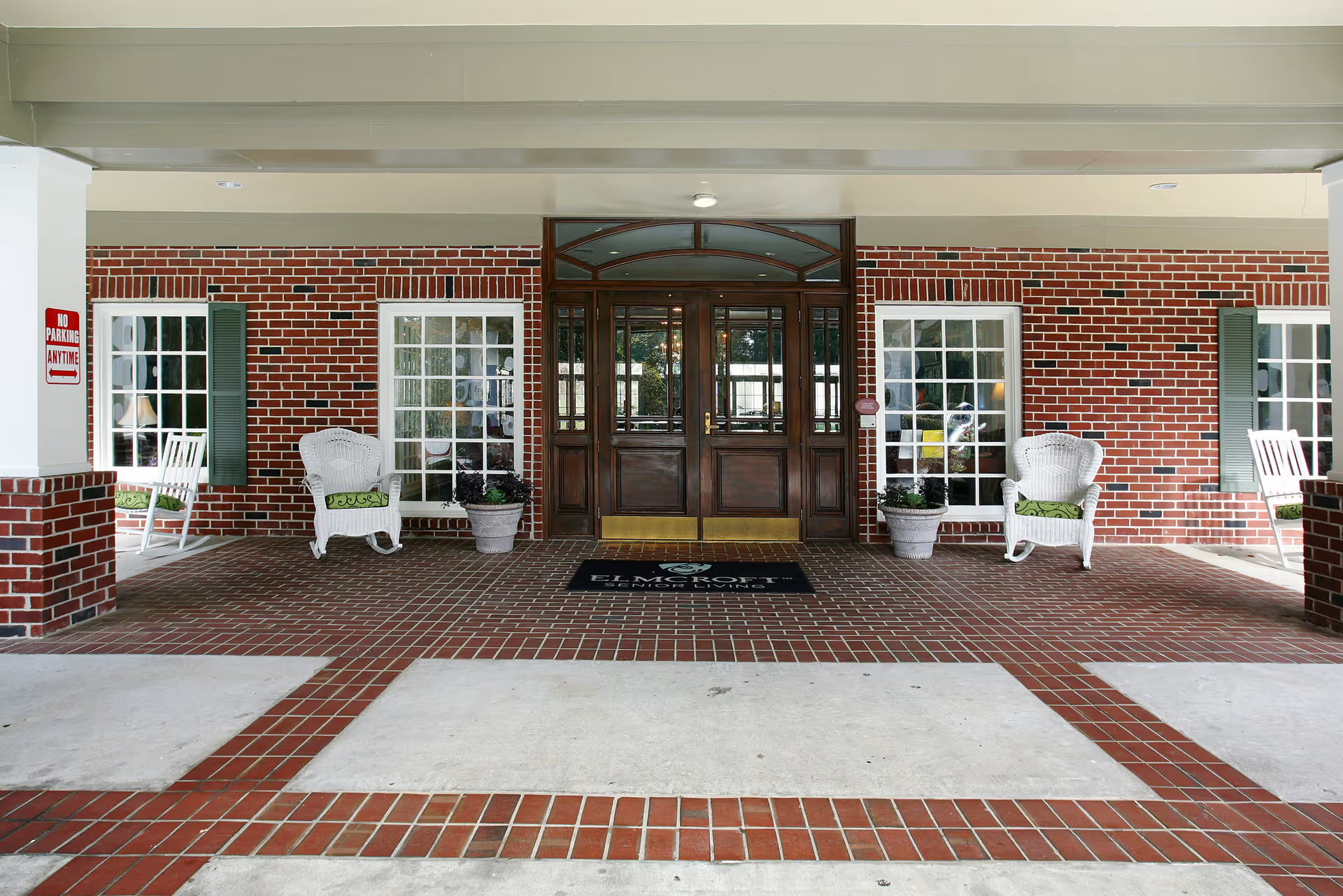
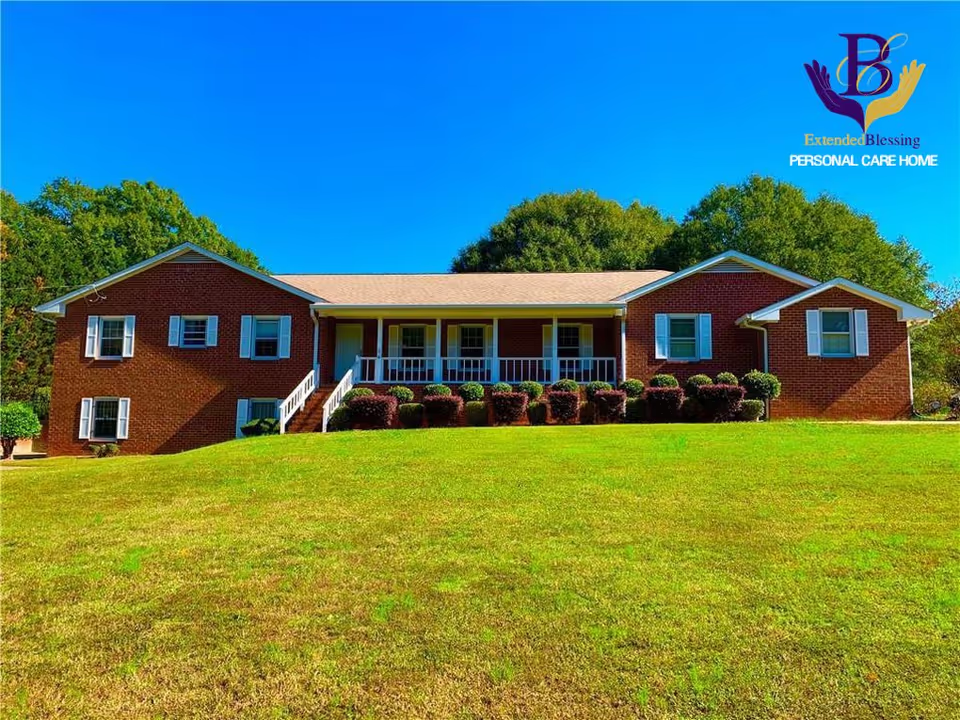
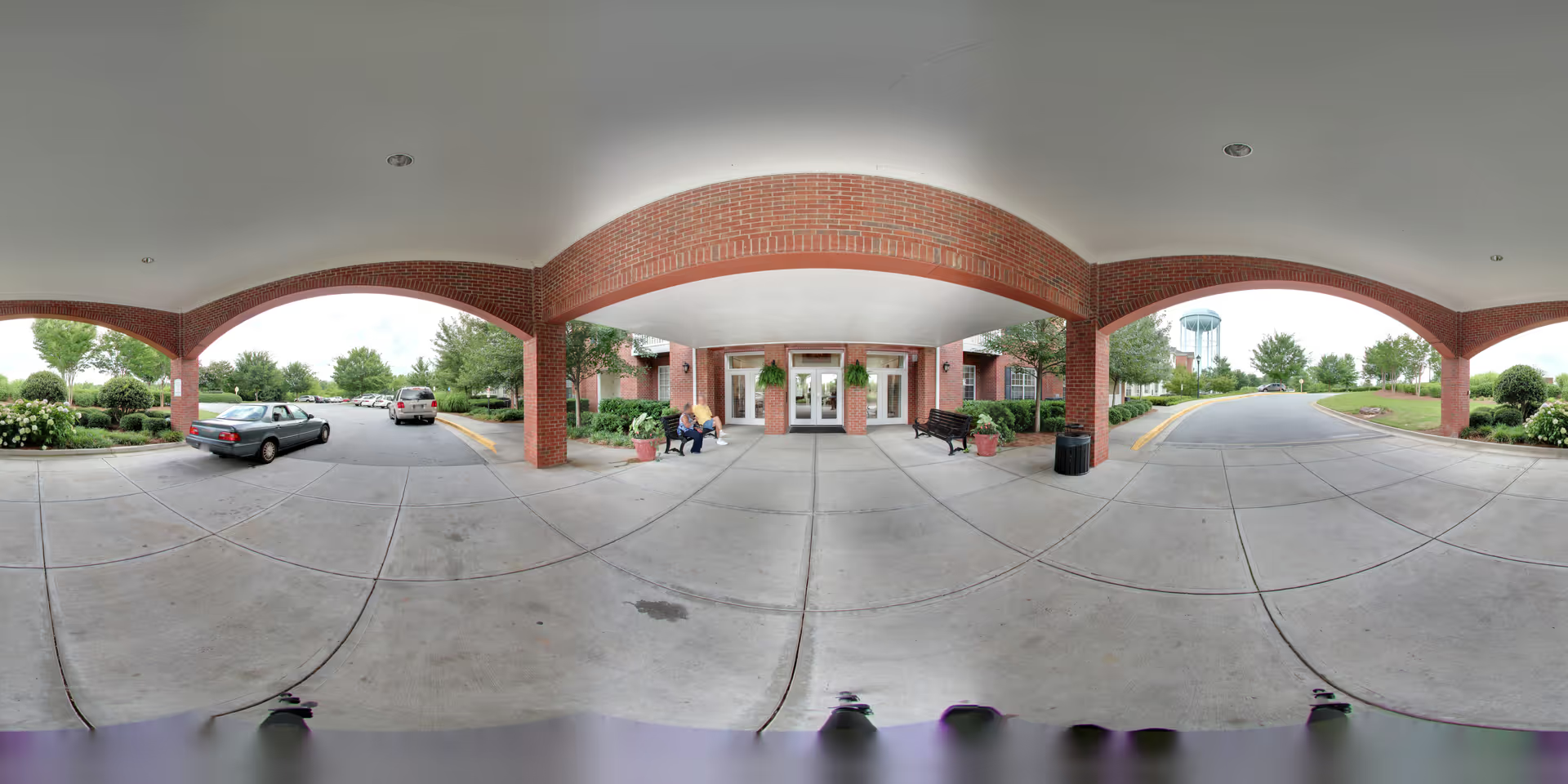
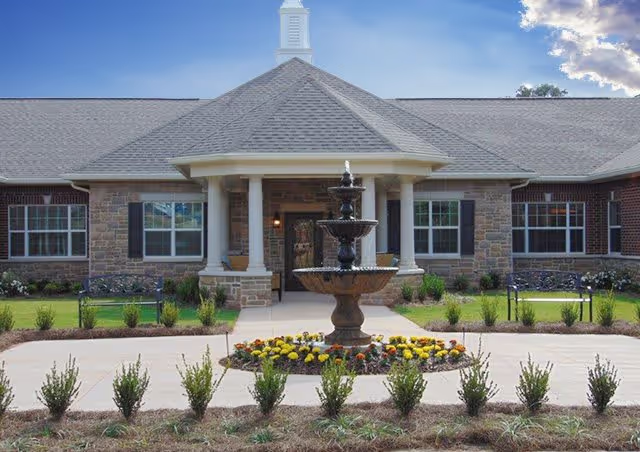
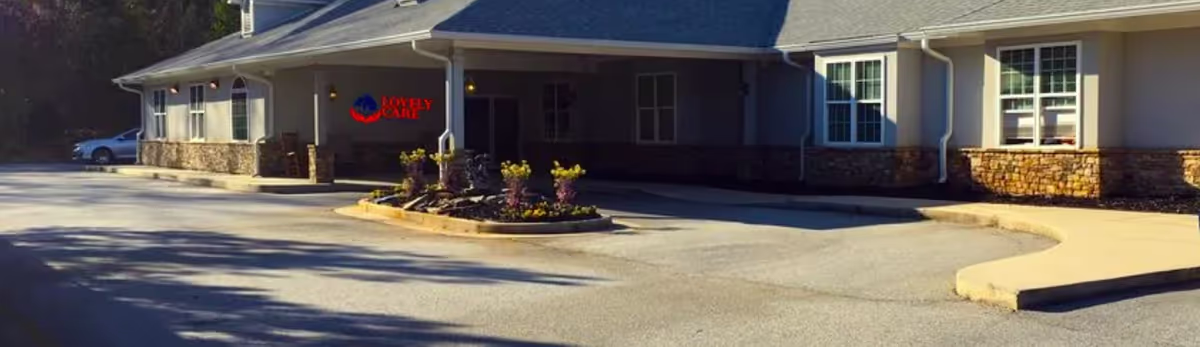
Facilities and maintenance: Physical descriptions vary. Positive comments highlight attractive landscaping, pleasant public areas, and clean common spaces. Conversely, some reviewers describe older, darker rooms and common areas in need of updating. Outdoor amenities are specifically noted as needing refurbishment. These mixed observations suggest that maintenance and capital-investment levels may differ across the property.
Management and notable patterns: Reviewer feedback clusters into two broad patterns: families who experience stable leadership, attentive staff, and a supportive, engaging environment, and others who encounter variable management responsiveness, staffing shortfalls, and operational lapses that affect safety and daily care. A final, material note in the reviews is that the facility may be closed or has ceased operations; prospective families should confirm current operating status, licensing, staffing ratios, recent inspection results, and any outstanding corrective actions before making decisions.
Overall, Goldencrest at Morrow - Memory Care is described as having important strengths in dementia-focused culture, outdoor setting, and activity programming, but it also shows recurring operational weaknesses around staffing consistency, management oversight, dining consistency, and some maintenance needs. An in-person visit with targeted questions about staffing, fall-prevention protocols, hydration and basic care routines, kitchen procedures, activity schedules, and current operational status is recommended to assess how those strengths and weaknesses apply to an individual resident's needs.