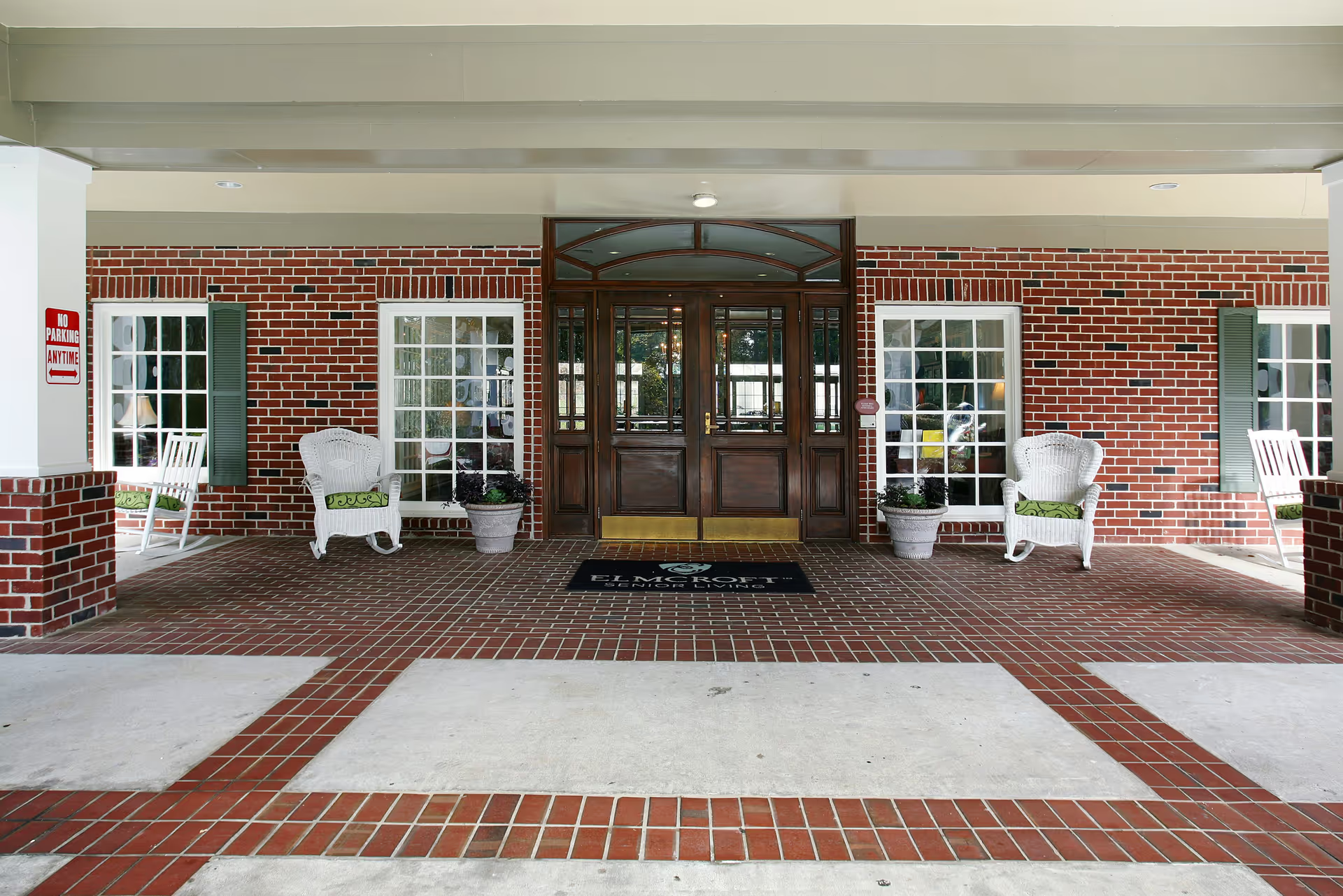
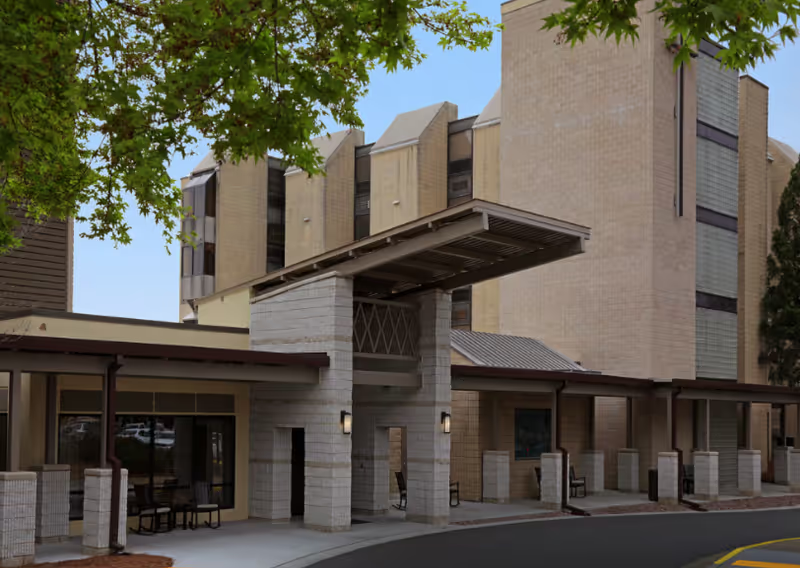
The reviews present a polarized picture of care at this facility, with many families praising the staff and home-like environment while a subset raised operational and safety concerns. A consistent strength across the positive feedback is the staff’s interpersonal approach: caregivers are frequently described as compassionate, attentive, and family-centered, with reviewers noting smooth admissions, clear communication, and personalized attention—particularly for residents with dementia. Several reviewers also highlighted that the facility feels like a family home, with well-decorated private rooms, on-site services such as hair and laundry, regular activities and religious services, transportation to appointments, and family-inclusive events.
Dining experience is generally characterized as home-cooked and tasty by multiple families, and the meals are viewed as a positive element of daily life for many residents. However, there is a notable operational gap around therapeutic diets: diabetic meal accommodations were specifically identified as inadequate, so families requiring specialized nutrition should confirm menu options and diet-management procedures before placement. Value perceptions are positive for private-pay families, though insurance coverage limitations were mentioned.
Facility condition and activities are described in mixed terms. Many reviewers praised cleanliness and a peaceful atmosphere, while others described clutter in corridors, shared-bathroom cleanliness concerns, and the need for improved upkeep in certain areas. Activities and religious services are offered, but outings have been limited during infection-control periods; families should expect activity levels to vary depending on public-health conditions and facility policies.
Operational management issues emerge as the principal area of concern. Reviews indicate inconsistent staffing levels and task allocation, including instances where staff workloads appear to affect responsiveness and role separation (for example, direct-care staff also performing kitchen duties). Phone responsiveness and accessibility to staff were cited as a recurring problem by some families, creating communication delays. There are also more serious allegations from a few reviewers about lapses in basic care routines (linen and dressing changes) and locked-room or safety issues; these were not the majority experience but are sufficiently serious that prospective families should inquire about staffing ratios, care protocols, and room-access and monitoring procedures.
In summary, the facility appears to provide a warm, family-oriented environment with many families experiencing high-quality, compassionate care and good amenities. At the same time, operational weaknesses—particularly around staffing consistency, dietary accommodations for chronic conditions, certain sanitation/linen processes, and dependable communication—introduce variability in the resident experience. Prospective residents and their families would benefit from an in-person visit focused on observing staffing levels during peak care times, reviewing diabetic-diet menus and documentation practices, asking about linen and personal-care schedules, and confirming the facility’s phone and emergency-response procedures.