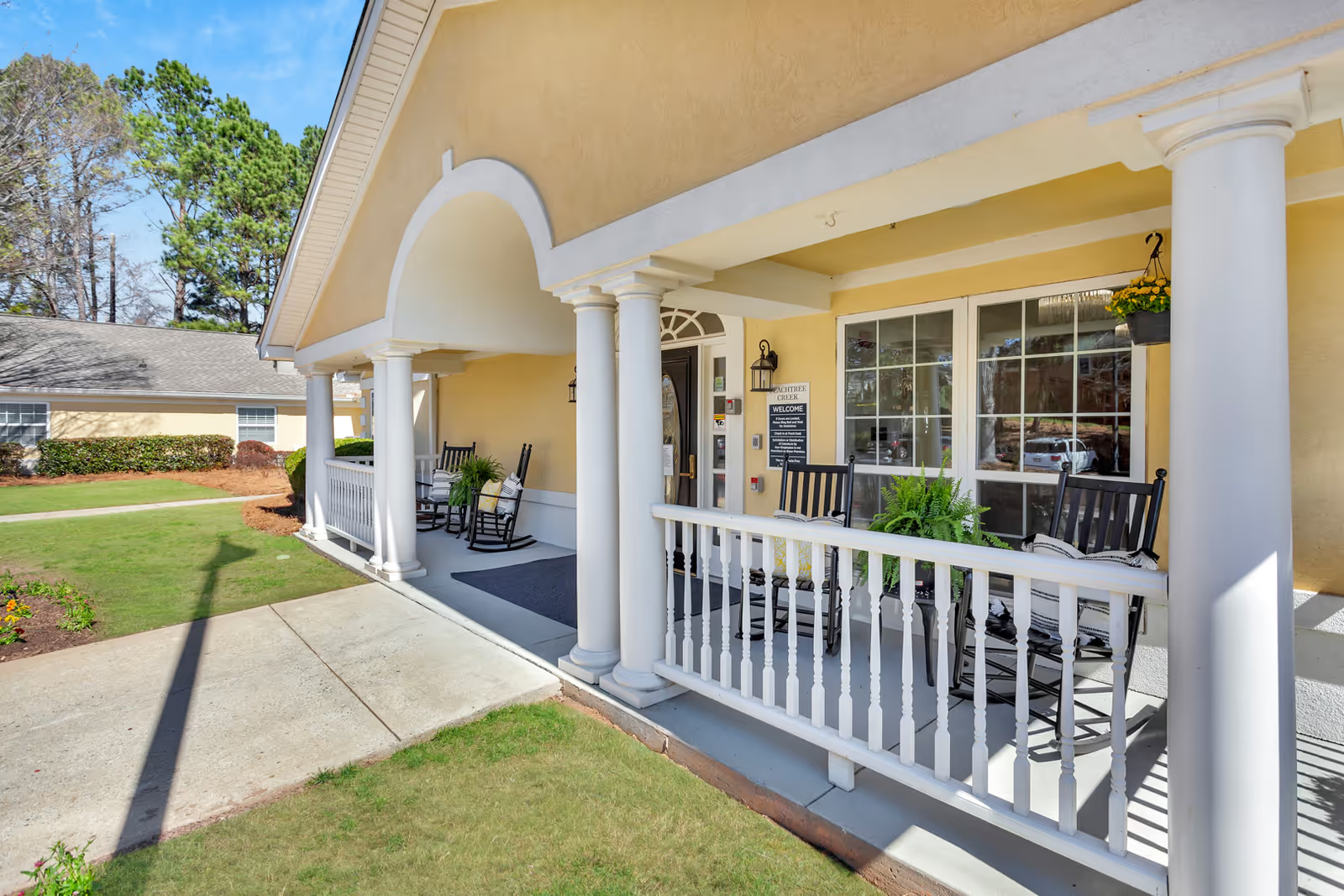
Overview: Reviews emphasize a facility with a strong social atmosphere and many operational strengths, particularly on the caregiving and hospitality side. Families frequently describe staff as compassionate, attentive, and personable; many note individualized attention, staff who learn residents’ names and preferences, and assistance that eases transitions. The community projects a homelike ambience with calm colors, tasteful furnishings, and the ability for residents to personalize private rooms. Memory-care programming, dementia-focused engagement, and end-of-life compassion are repeatedly cited as strengths.
Care and staff: Care quality is most often praised for its warmth, responsiveness, and person-centered approach. Reviewers point to 24/7 monitoring, helpful med-technology, and staff willingness to accommodate requests. At the same time, there are consistent indications of variability: some families experienced lapses in professionalism, communication, or responsiveness, and several comments tied these issues to leadership and staffing gaps. Reviewers recommended clarifying current clinical leadership, staffing ratios, and protocols for escalation when evaluating the community.
Dining and activities: Dining receives positive attention for flavorful, chef-driven meals and flexible options (communal dining or in-room service). Activity programming is broad, including music, crafts, gardening, walking clubs, and occasional field trips; these offerings are credited with supporting resident engagement and social connection. A few reviews describe uneven program consistency or temporary reductions in activities, so prospective families may wish to ask about the current, ongoing activity calendar.
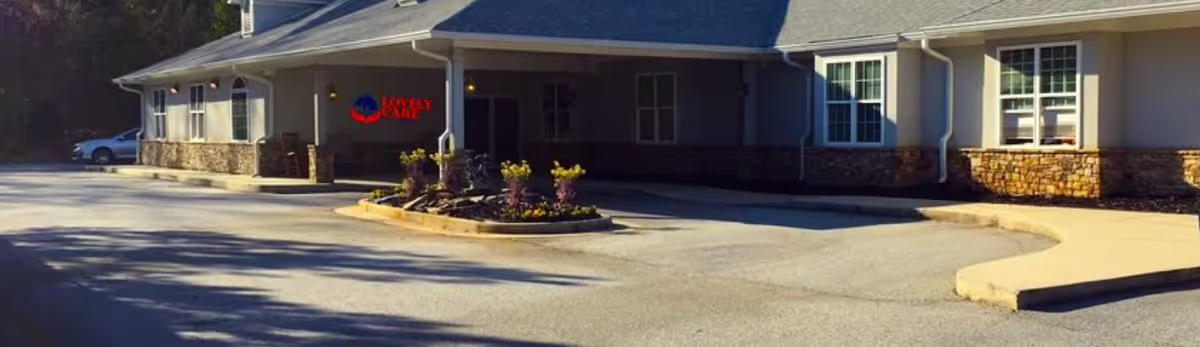
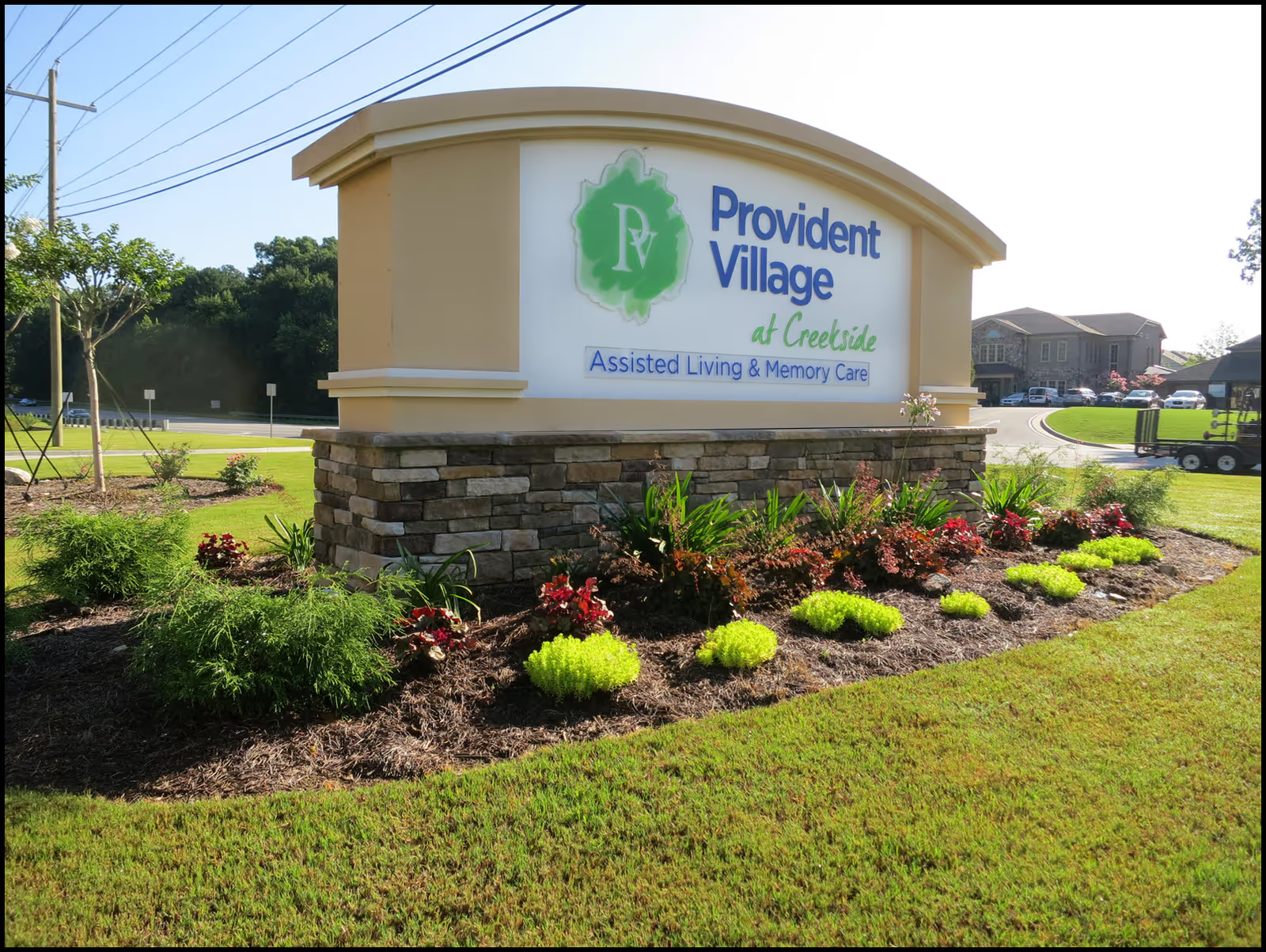
Facilities and operations: The interior is frequently described as clean, well-decorated, and comfortable, with spacious private rooms and on-site salon services. Outdoor gardens and common gathering areas support social interaction. However, there are recurring facility-level concerns: inconsistent maintenance of grounds and some common spaces, sanitation or odor concerns in particular areas, and supply/stocking issues. Several reviews associate a perceived decline in maintenance and care continuity with recent ownership or leadership transitions, though other reviewers noted recent improvements under new management.
Management and notable patterns: Management practices appear mixed. Many families praise front-office professionalism, move-in assistance, and clear COVID-related protocols and communication; the facility also implemented safety measures and high staff vaccination acceptance. Conversely, reviewers described gaps in visible clinical leadership (for example, an absence of a dedicated resident-care director at times), uneven conflict-resolution and family communication practices, and price increases that some families felt were not accompanied by expanded services. Overall, the dominant positive theme is strong caregiving culture and resident-centered hospitality; the dominant concerns are operational — maintenance, consistency of care in certain units (notably memory care), and managerial continuity.
Guidance for prospective families: Visit the community multiple times, observe activity periods and meals, and ask direct questions about current staffing levels, clinical leadership roles, maintenance schedules, and how the community handles supply shortages or sanitation issues. Request written details about memory-care staffing and oversight, recent ownership or leadership changes, and a clear explanation of fees and what services are included versus add-ons. These steps will help determine whether the facility’s many caregiving strengths align with an individual resident’s clinical and lifestyle needs.