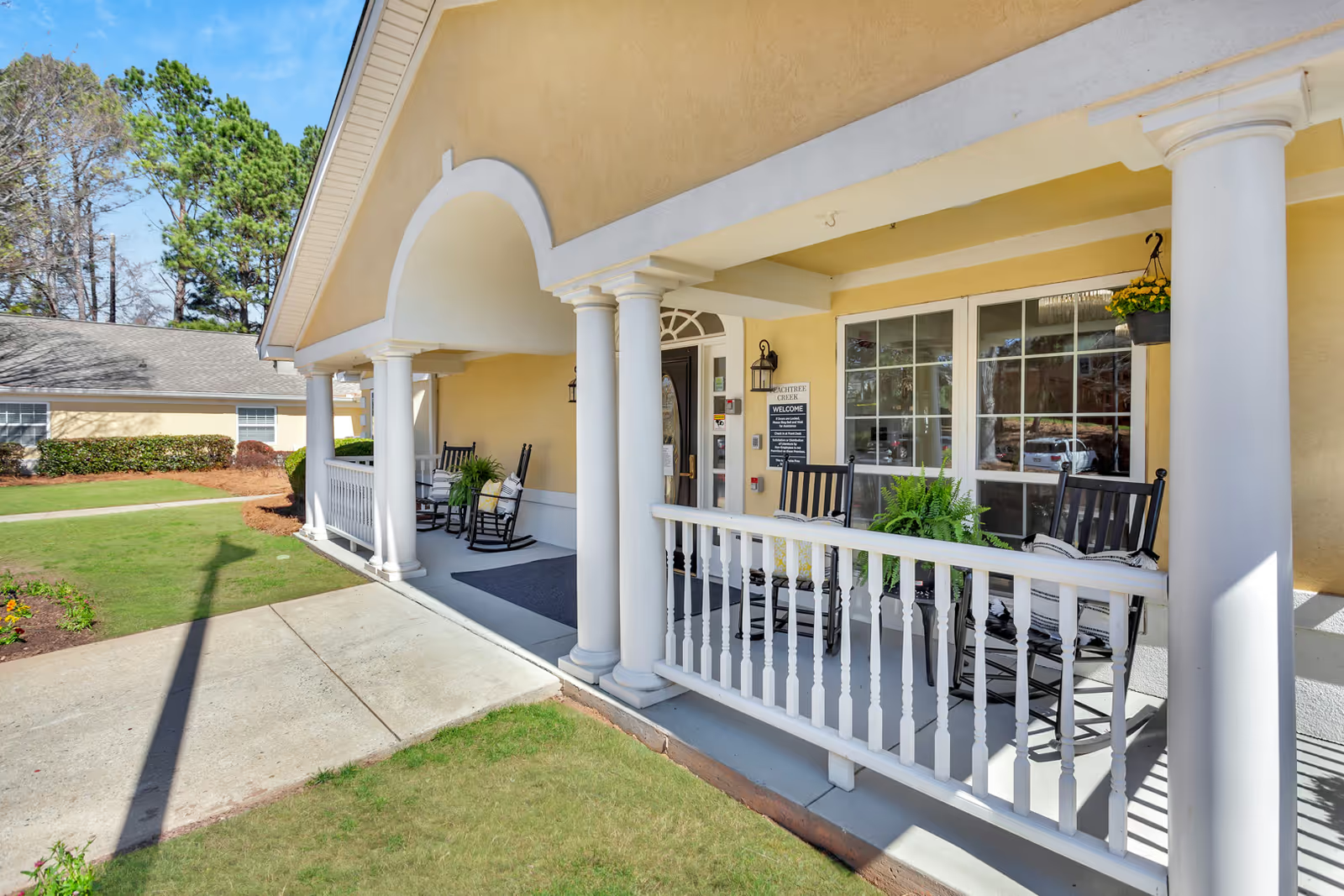
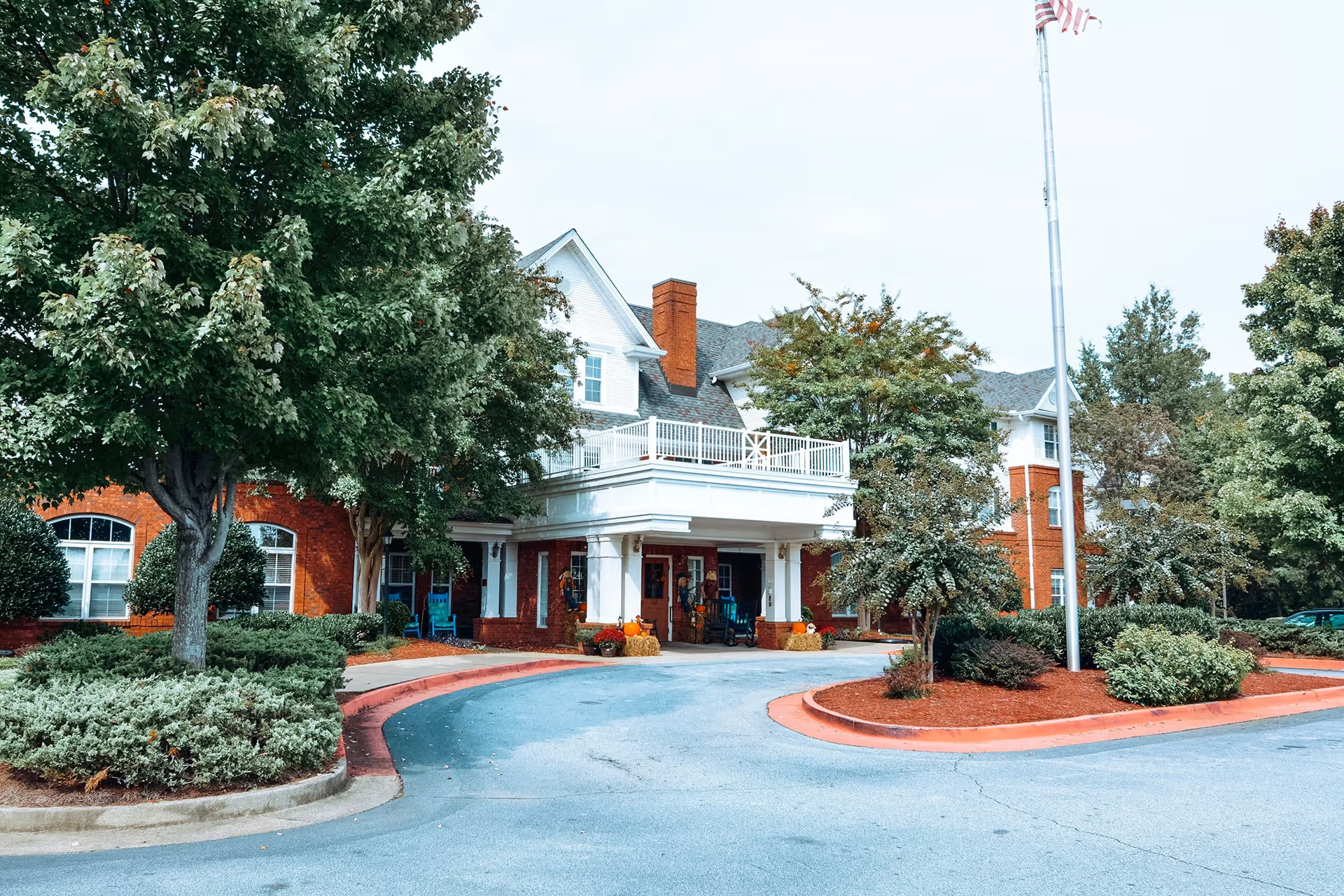
The Cambridge - Assisted Living & Memory Care presents a mixed profile in these summaries. Many families and visitors describe a clean, attractive campus with thoughtfully designed apartments, inviting common areas, and a range of on-site amenities such as a salon, theater, gym, patio and garden paths. The community's small size and activity programming are repeatedly highlighted as strengths that support social engagement and personalized attention. Several accounts praise consistent culinary leadership, prompt maintenance response, and a secure memory-care unit with controlled access.
Accounts of day-to-day caregiving are polarized. Numerous reviewers emphasize warm, professional, and personable staff who create a strong sense of community and provide accommodating assistance for mobility and daily needs. At the same time, there are recurring operational concerns: inconsistent clinical staffing (including periods without on-site nursing), interruptions in medication administration and wound-care processes, and variability in care quality across shifts. These patterns correspond with reports of high staff turnover and retention challenges, which can undermine continuity of care and contribute to uneven resident supervision.
Dining and activities are generally described positively. Reviewers note enjoyable meals, consistent kitchen leadership, and a variety of group activities (walking clubs, gardening, games, outings) that contribute to residents' physical and social well-being. Living units and common areas receive frequent praise for cleanliness, safety-oriented design, and personalization options. Maintenance responsiveness is a commonly cited operational plus.
Management and administrative areas emerge as a key source of concern. Reviews describe management instability and frequent leadership changes; some families reported confusing or delayed communication, billing discrepancies, and difficulty obtaining timely medical records. There are also reports suggesting a pattern of policy-driven transfers or discharges when residents' care needs increase, and concerns about coordination of hospice and end-of-life services. One account included an allegation of policy violations and a disputed interaction with law enforcement; such serious individual claims point to the importance of verifying current policies and oversight.
Safety and documentation gaps are another notable pattern. Summaries indicate inconsistent implementation of elopement-prevention protocols, incomplete individualized service/care plans, and occasional equipment or facility reliability issues (e.g., elevator or door repairs). Several comments referenced sanitation and incontinence-care concerns and delays in responding to some clinical needs. These operational weaknesses, combined with staffing variability, appear to drive the most serious family concerns.
For prospective residents and families: tour the community multiple times and observe staffing across different shifts; ask for current staffing ratios and nurse coverage schedules; review medication-management, wound-care and elopement-prevention protocols; request written policies on transfers/discharges and hospice coordination; obtain a clear breakdown of all fees and billing practices; and ask to see recent inspection or licensing records. Where reviewers noted improved service, transitions coincided with leadership or clinical-team changes; confirming recent leadership tenure and clinical staffing stability can help assess whether past issues have been addressed.
In summary, The Cambridge offers many environmental and social strengths that support resident life, but the facility has also been associated with operational and clinical inconsistencies. Families who prioritize an attractive, activity-rich environment and attentive maintenance may find it appealing; those whose priority is continuous, highly reliable clinical oversight should seek detailed assurances about current staffing, clinical processes, and administrative transparency before making a placement decision.