Woodland Ridge is described consistently as a small, community‑oriented assisted living with an emphasis on compassionate, long‑tenured staff and a family‑style culture. Many families and visitors commend the caregiving team for professionalism, warmth, and continuity; reviewers highlight low staff turnover, cohesive teamwork, and clear lines of communication with families. Clinical strengths cited include attentive nursing and medical oversight, on‑site rehabilitation and allied‑health services (physical therapy, dental, psychiatry), and the facility’s ability to adjust care levels as residents’ needs change.
Dining and daily living receive generally high marks: the facility offers chef‑prepared meals in a large dining room, with several reviewers noting appealing presentation and a variety of menu options. At the same time, Woodland Ridge operates a cafeteria‑centric dining model that requires residents to dine in the communal dining area, and some reviews mention additional fee‑for‑service items (laundry, certain amenities) and unclear pricing details; families are advised to clarify fee structures before admission.
Activity programming is a prominent positive: the community offers a broad calendar that includes live music, visiting musicians and choirs, therapy animals, outdoor barbecues, festivals, crafts, exercise, and regular shopping and scenic outings using facility transportation. Memory‑care programming and social therapies are available and praised, although a subset of visitors felt that activity participation can be variable and that more independent residents seeking a higher level of in‑suite independence may find the offerings less well matched to their preferences.
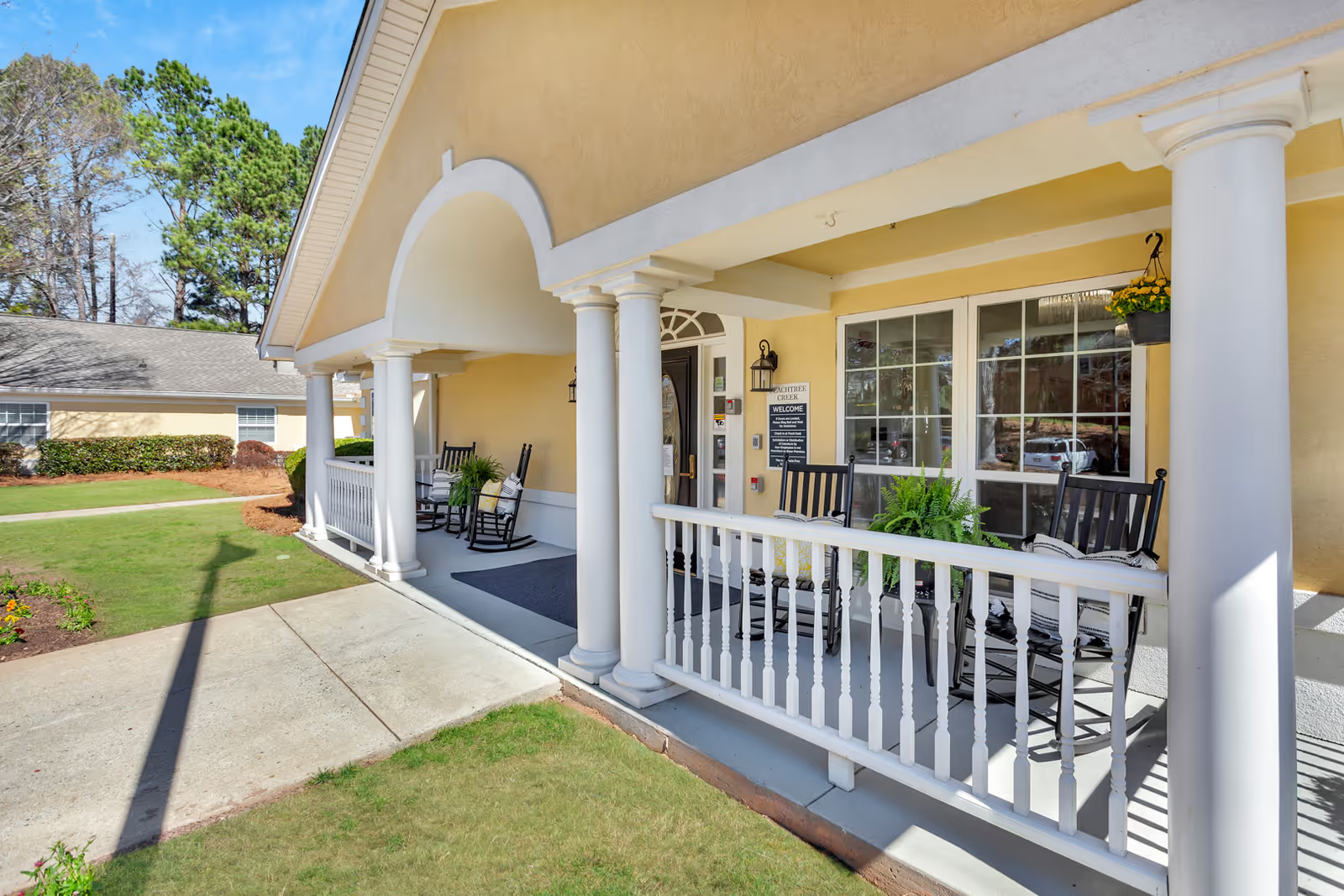
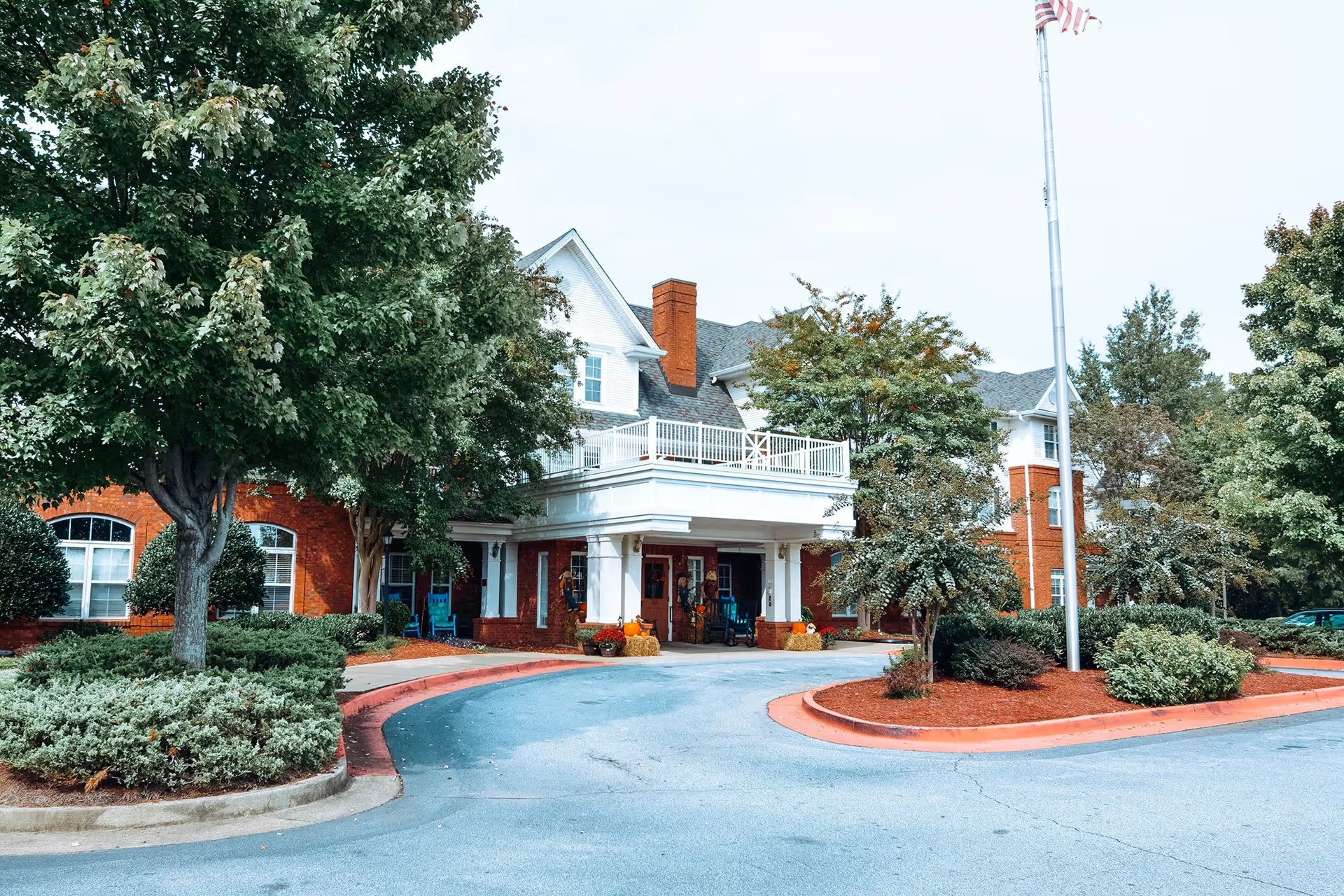
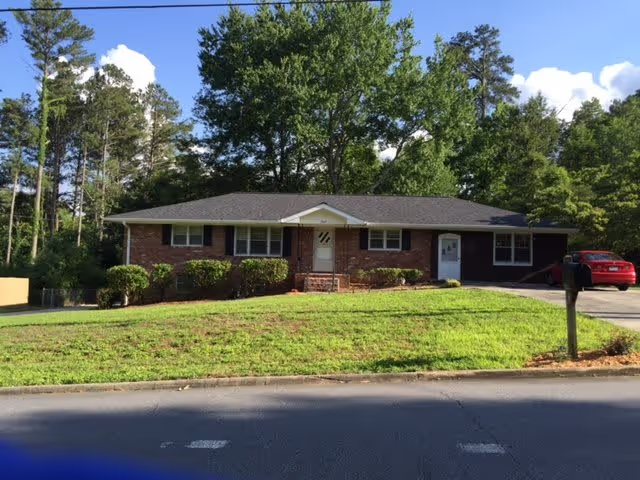
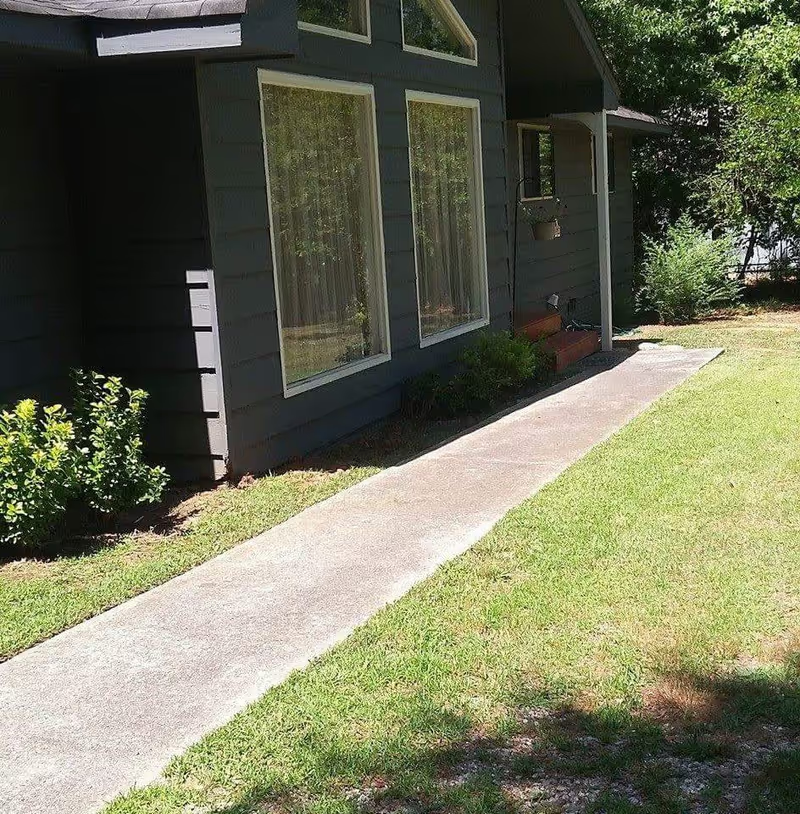
Facility condition and apartment configuration are mixed. Grounds and common areas are widely described as clean, well‑maintained, and attractively landscaped, with a small, single‑level, homey layout and controlled access. However, many units are studio‑style or otherwise compact, with limited in‑suite kitchen facilities and few private outdoor spaces or balconies; several reviewers pointed to older or darker rooms that could benefit from updates. These physical features make Woodland Ridge a stronger fit for residents who value community engagement and staffing continuity over larger private apartments.
Management and operational patterns are broadly positive in terms of staff dedication and family communication, but reviewers also noted areas for caution: some described concerns about management consistency, communication style, and billing transparency. There are references to medication‑management concerns and an isolated, serious allegation related to medication practices; prospective residents and families should ask specific questions about clinical protocols, medication oversight, incident reporting, and how complaints are resolved. Additionally, pet policies and ancillary service expectations (laundry, extra fees) can be sources of disagreement and should be clarified in writing.
Overall, Woodland Ridge appears well suited to families seeking a small, attentive assisted‑living community with strong staff continuity, active programming, and on‑site clinical supports. It may be less appropriate for residents who require larger private apartments, in‑suite kitchen facilities, or absolute clarity on all fee structures without discussion. Prospective families should tour multiple unit types, review written fees and clinical protocols, and discuss medication‑management and activity participation policies before making a placement decision.