Peachtree Creek Memory Care delivers a mix of clear strengths and recurring operational weaknesses. Many families emphasize strong relational care: caregivers are frequently described as compassionate, attentive, and willing to provide personalized touches that create a family-like atmosphere. The facility is memory-care specialized, with staff and programming aimed at dementia needs; reviewers repeatedly praise the activities department, noting creative, varied programs, frequent outings, music and movement offerings, and strong leadership in that area. Several reviews also highlight supportive clinical partnerships, including on-site physician/neurologist visits, therapy services, and recommended hospice providers, which can benefit residents with progressive needs.
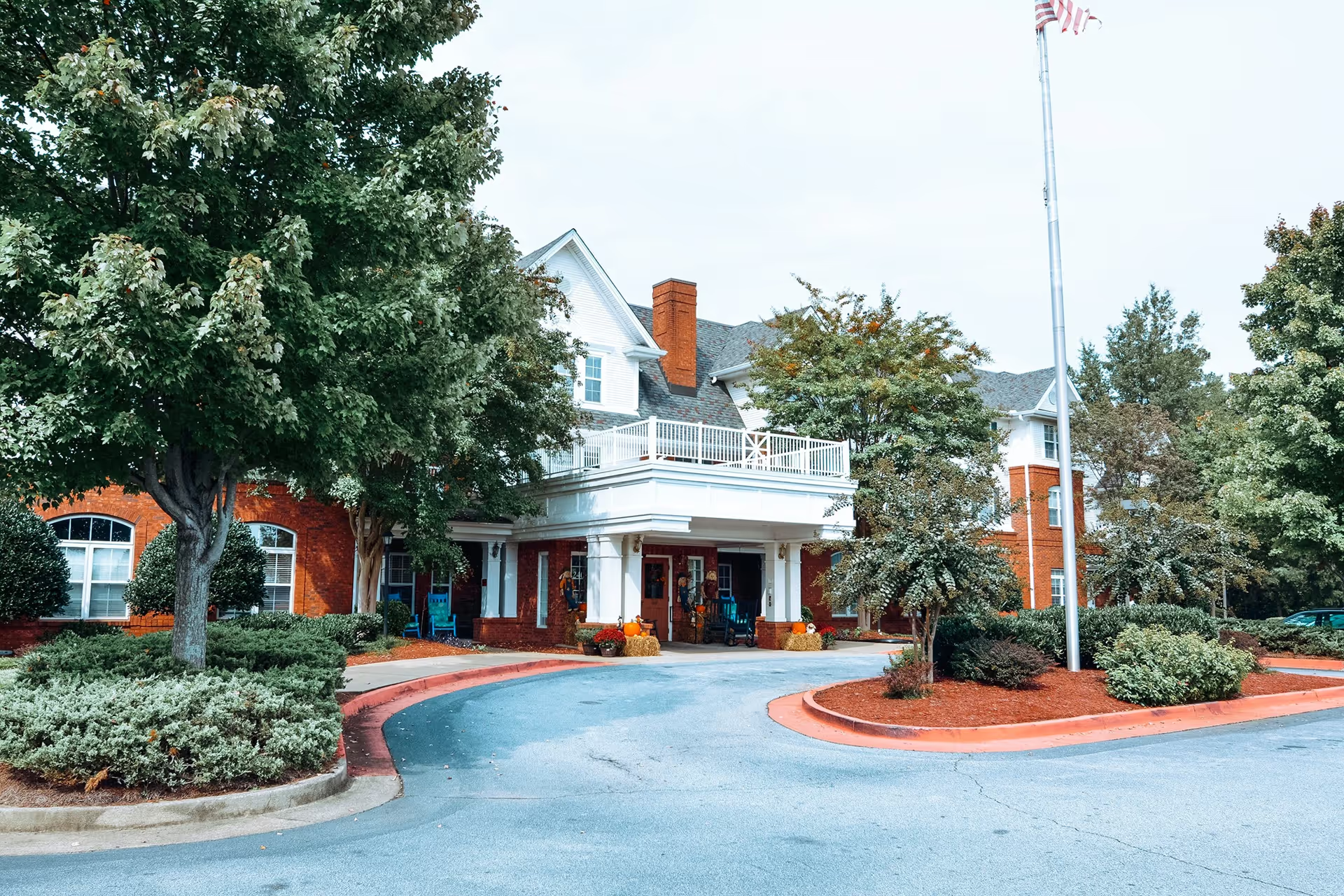
Dining and social life are commonly cited positives. Multiple comments describe freshly prepared, varied meals with accommodations for dietary restrictions, abundant fruit and desserts, and an active, social dining environment. Common areas and recently renovated spaces are often characterized as homelike and tastefully decorated, with a pod-style layout and a large secured courtyard that supports safe walking and outdoor activity.
However, a pattern of operational concerns appears across reviews. Staffing levels and caregiver continuity are inconsistent in a number of accounts; families report high turnover, rotation of caregivers across halls, and periods when staffing seems thin. These staffing gaps are associated with other issues: delays or inconsistencies in medication administration and clinical communication, irregular personal-care scheduling (showers and laundry), and lapses in supervision that have been connected to falls and pressure-injury concerns. Housekeeping and sanitation practices are uneven — common areas are frequently praised, while some private rooms and bathrooms have been described as needing more consistent attention, and several reviewers raised odor concerns in particular areas. Food service quality is often good but has also been described as variable in some reports, suggesting occasional continuity issues in kitchen operations.
Management and communication receive mixed feedback. Some families describe hands-on, responsive leadership that addresses concerns promptly; others describe limited phone responsiveness, slow follow-up on issues, and operational changes after ownership transitions that affected quality. A small number of reviews raise serious allegations involving personal-property security and, in a few cases, references to legal matters; prospective families should inquire directly about security practices and incident resolution. Overall, the facility demonstrates many elements of strong memory-care programming and compassionate caregiving, but persistent operational weaknesses — especially around staffing consistency, medication protocols, sanitation consistency, supervision, and communication — are the primary areas prospective residents and their families should evaluate during tours.
Practical suggestions for families touring the facility: ask for current staffing ratios and turnover statistics, review medication-administration protocols and incident reporting procedures, request a walkthrough of housekeeping schedules for private rooms, inspect a prospective resident room during different times of day for light and cleanliness, and discuss security controls for personal belongings and wandering-management strategies. Confirm the activities calendar and medical/hospice partnerships, and seek references from current families about day-to-day responsiveness and management follow-up. These targeted inquiries can help gauge whether the facility’s notable strengths align reliably with a particular resident’s needs and the family’s expectations.