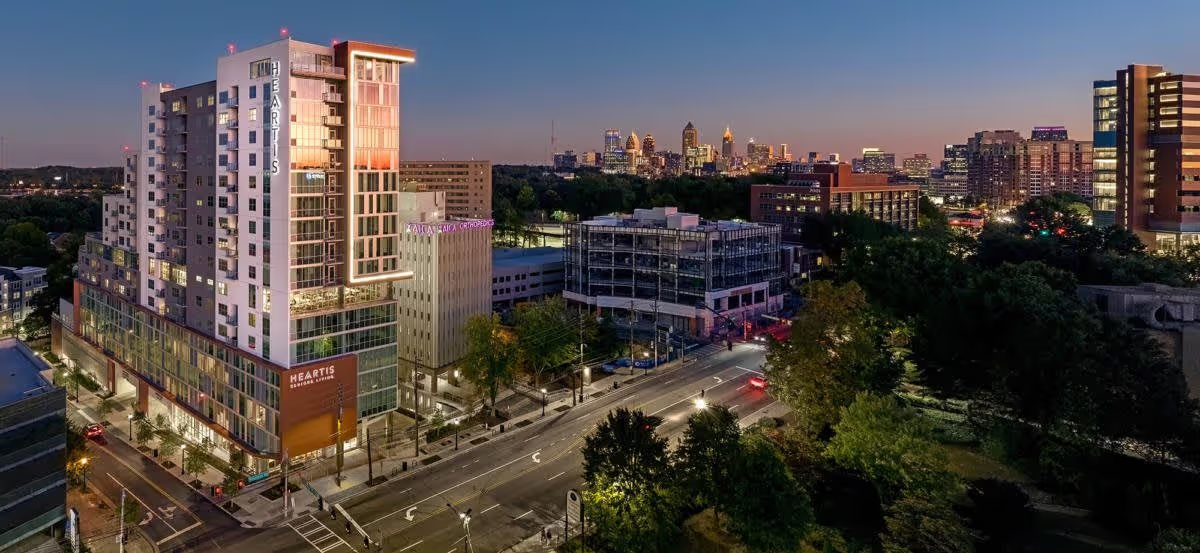
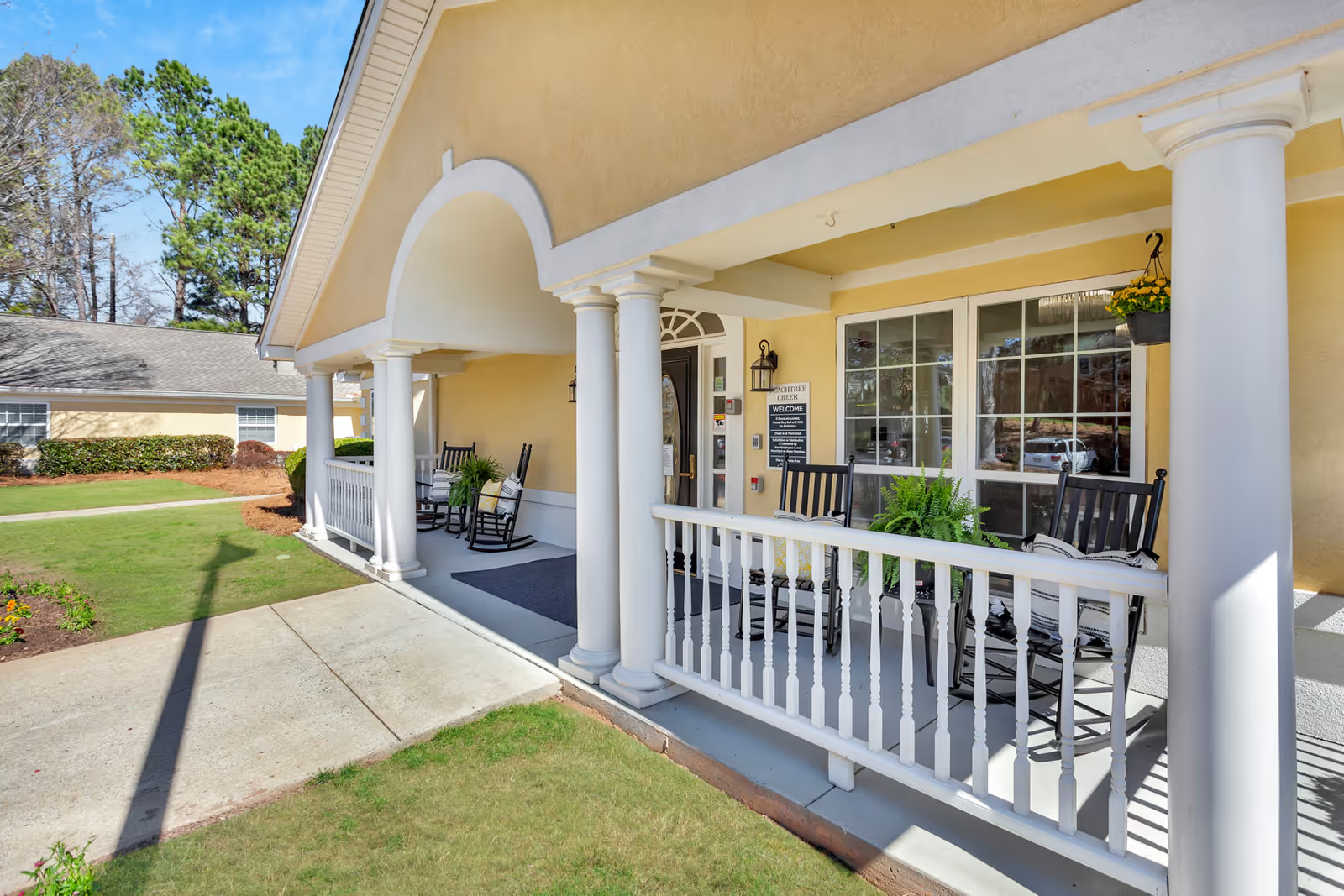
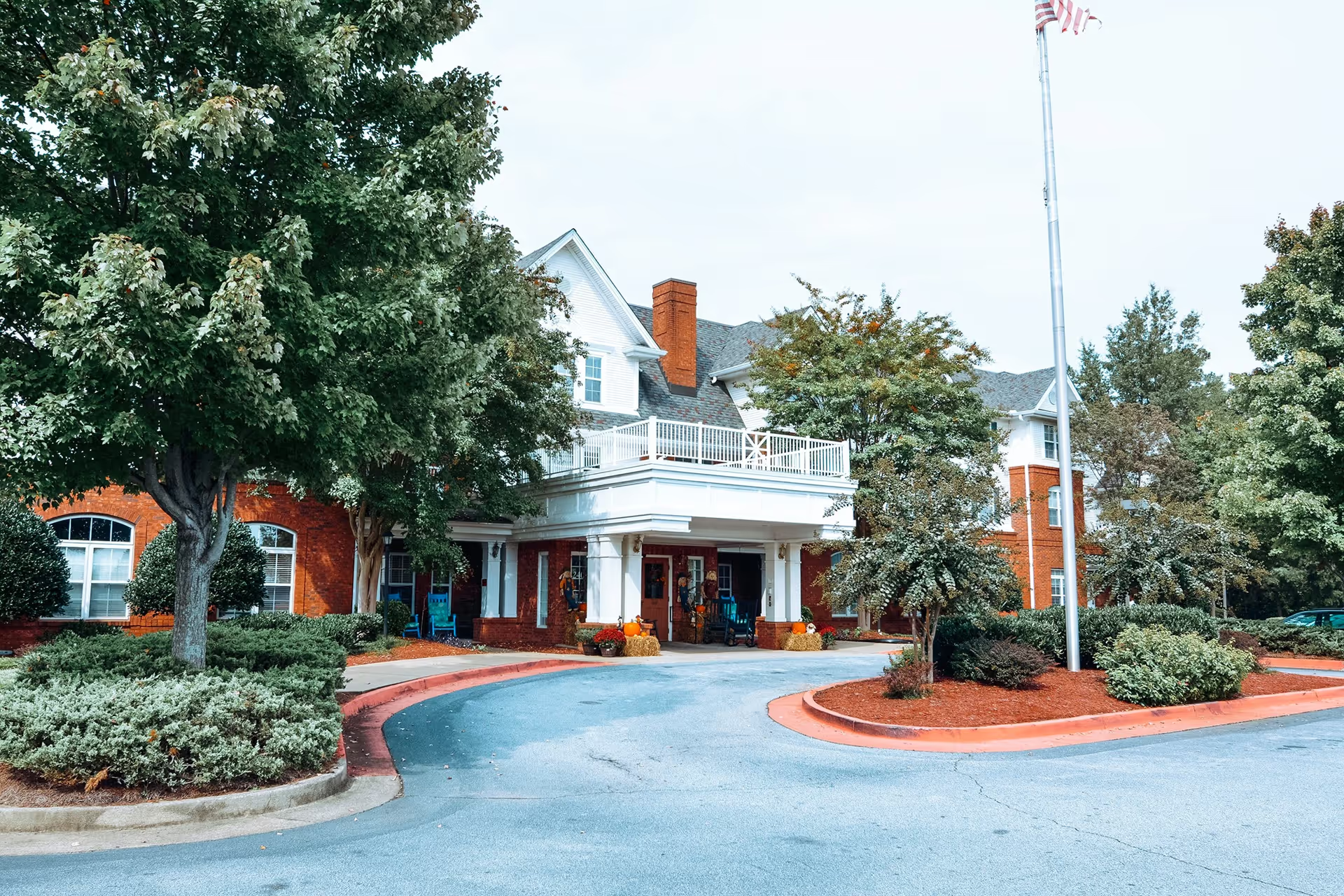
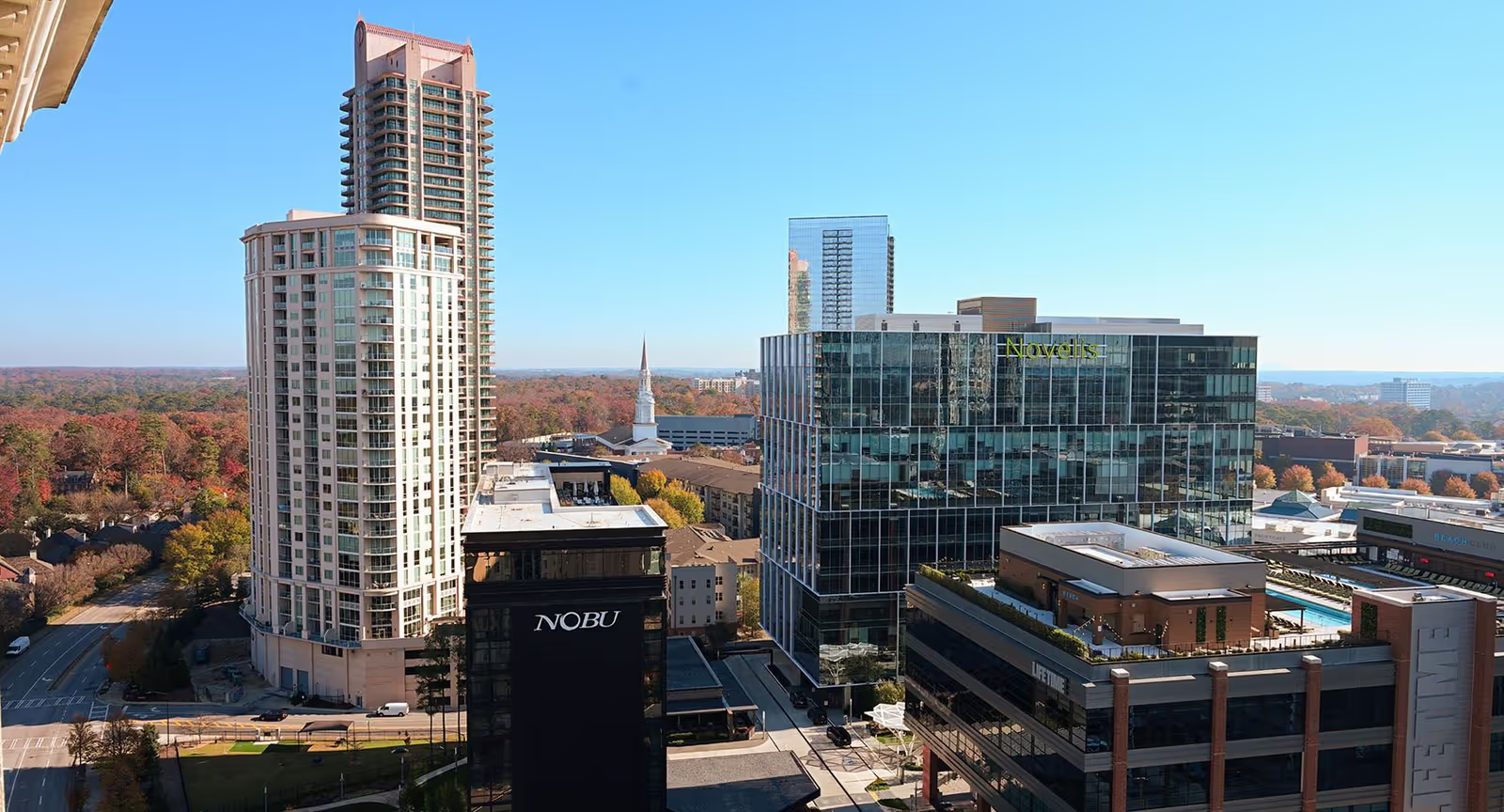
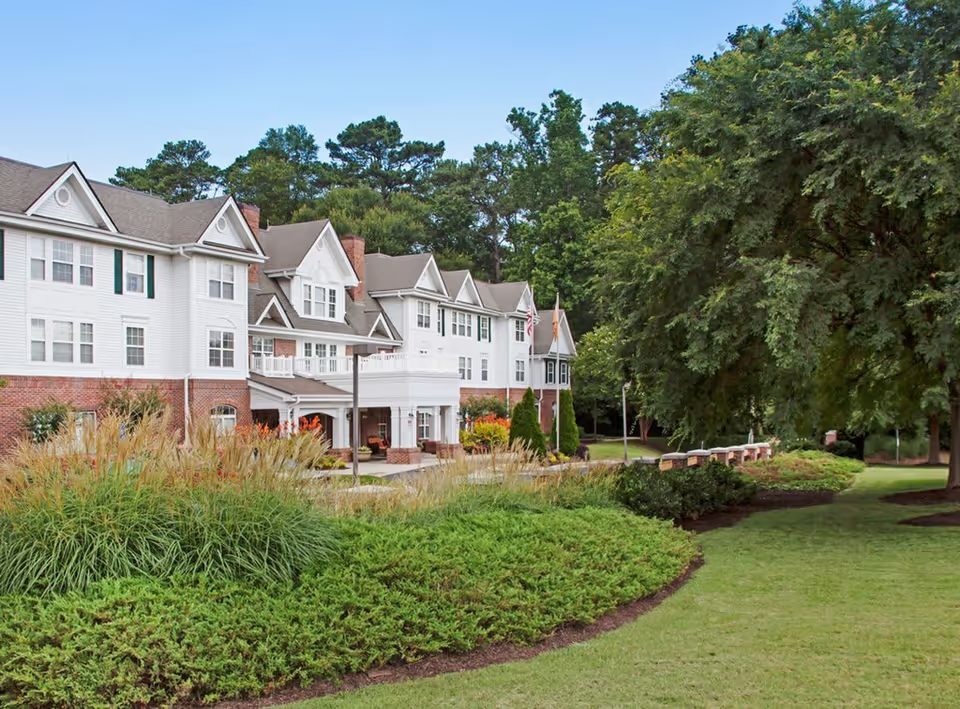
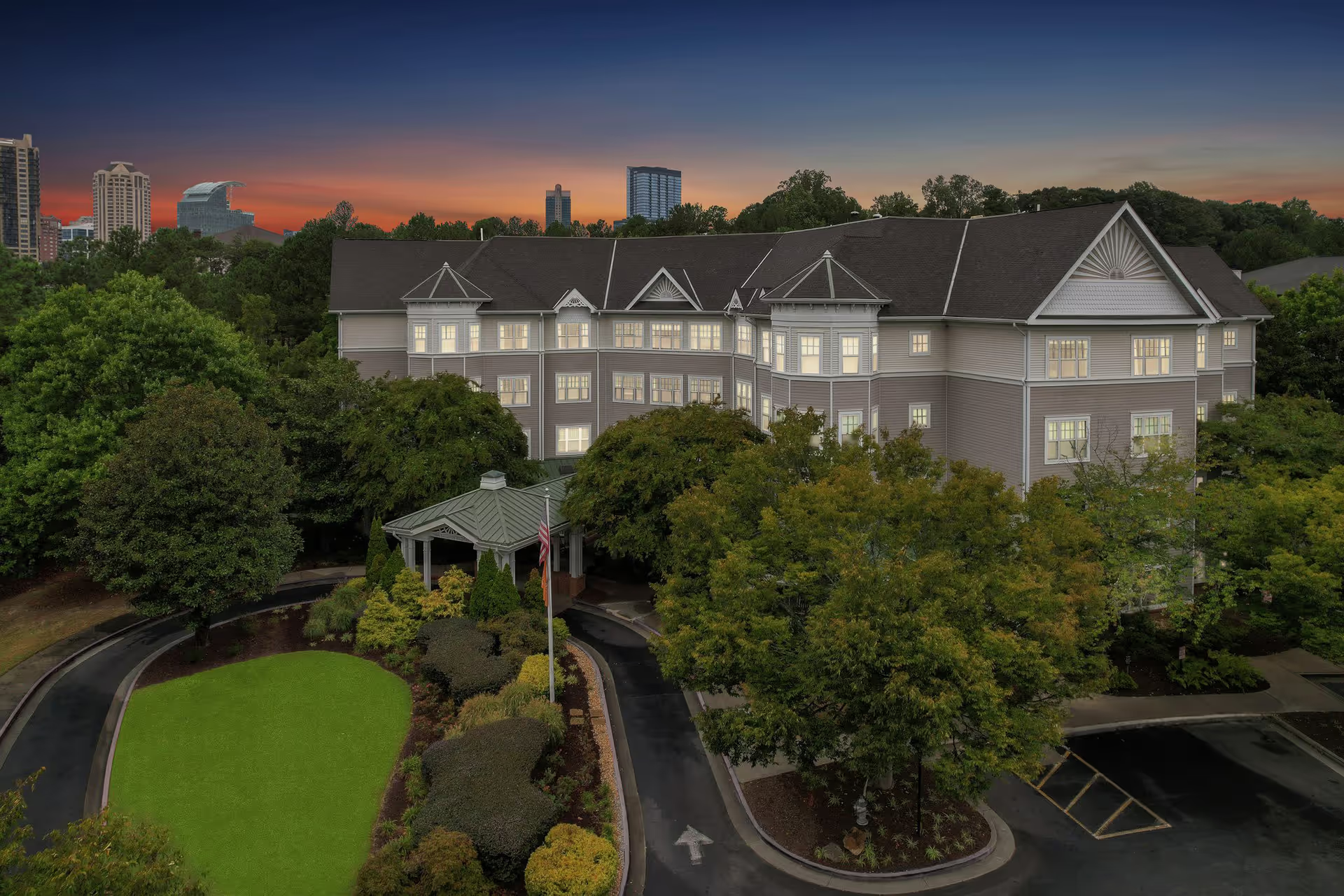
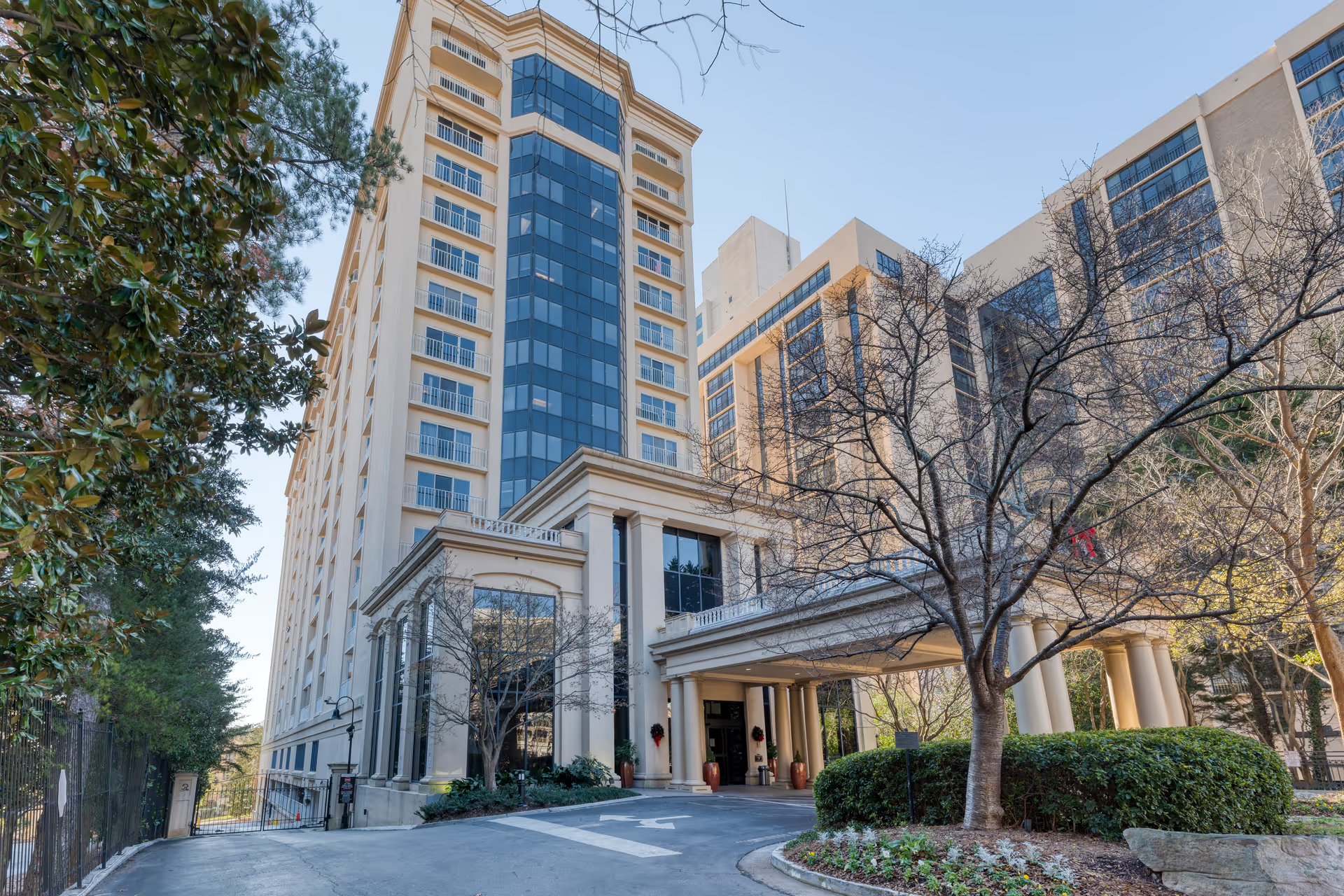
Corso Atlanta consistently receives strong praise for its physical environment and amenity set. Reviewers describe a luxury, hotel-like property with striking interior design, artwork, high ceilings, and well-maintained courtyards. Apartments are noted as spacious and well equipped, frequently with full kitchens, full-size appliances, generous closets, and in-unit laundry. On-site offerings such as multiple dining venues, a creperie/ice-cream shop, flower shop, salon, theatre, and a wellness center contribute to a resort-style atmosphere that many residents and families find appealing.
Clinical care and the memory-care program are a mixed but notable area. Several families singled out the memory-care team and specific leaders as compassionate and effective; bright, secure memory-floor design and safe wandering space were also praised. At the same time, reviews point to operational gaps that affect care delivery: inconsistent staffing levels and frequent turnover, inconsistent training, and concerns about medication-management processes and timeliness of responses to resident needs. These operational weaknesses are most evident in accounts of delayed assistance after incidents and variability in how staff handle clinical tasks and resident emergencies.
Staff culture receives both strong positive and critical observations. Many descriptions highlight caring, proactive caregivers who foster community, provide individualized attention, and contribute to residents’ social engagement. Multiple reports also note staff under-resourcing, low pay, and leadership turnover, which reviewers link to service inconsistency. Families cited strong individual staff members and thoughtful admissions/tour personnel, while also expressing frustration with complaint handling and uneven communication from management when issues arise.
Dining and activities are prominent strengths with some caveats. Numerous reviews praise the variety of dining venues, the breadth of menu choices, and occasions when meals exceed traditional senior-living expectations. However, other reviews describe inconsistent food quality, frequent chef turnover, and slow table service or delivery delays. Programming and activities are described as robust and socially engaging — bridge, classes, veterans lunches, and Flourish activation were all mentioned — and many residents report a strong sense of community and daily activation.
Facility operations and management show a pattern of “high-concept” amenities paired with growing-pains execution. The large campus layout and the intermingled independent/assisted living model are seen as attractive for some but potentially confusing or overwhelming for residents with cognitive impairment. Operational issues such as waste-management gaps, periodic elevator downtime, and coordination problems between departments were reported. Several reviewers described leadership turnover and a perception that management is still refining processes and responding to initial implementation issues; others note active course-correcting and positive changes under way.
Bottom line: Corso Atlanta offers an upscale, amenity-rich environment with strong programming and many deeply committed staff members, especially within memory care. Prospective residents and families should weigh those strengths against recurring operational themes — staffing stability and training, dining service consistency, medication and emergency-response processes, and the practical fit of a large, mixed-model campus for individuals with cognitive impairment. A focused conversation with leadership about staffing ratios, emergency response protocols, medication controls, and how the community supports residents with memory issues will help determine whether Corso’s environment and current operational model match a given resident’s clinical and daily-living needs.