Reviews of PruittHealth - Sylvester present a polarized picture: many families and residents describe compassionate, attentive caregivers and effective short-term rehabilitation, while others describe operational gaps that affect day-to-day safety and comfort. Positive comments consistently highlight nursing and caregiving staff who are kind, communicative, and helpful with paperwork and family coordination. Administration and social services are often praised for honesty, support, and assistance with Medicaid or admissions logistics.
Care quality is uneven in reviewers' accounts. Several accounts describe skilled, respectful nursing care and good therapy outcomes during short-term stays; however, others describe delays in care, missed clinical follow-up (including wound and diabetic care concerns), and variability in CNA engagement and urgency. These differences appear to be associated with shift and weekend coverage—some shifts are described as highly attentive, while others are characterized by lower responsiveness.
Dining and nutrition experience is mixed. Some residents and families express satisfaction with meals, while others report inconsistent meal delivery, cold plates, or meals provided only when specifically requested. There are also specific concerns about meal continuity and monitoring for residents with medical dietary needs.
Activities programming is noted as an asset in several reviews—staff keep residents occupied and an activities calendar exists—but engagement and execution are inconsistent. Reviewers mention an available calendar that is not always effectively implemented and variability in how well activities are staffed or tailored to residents’ abilities.
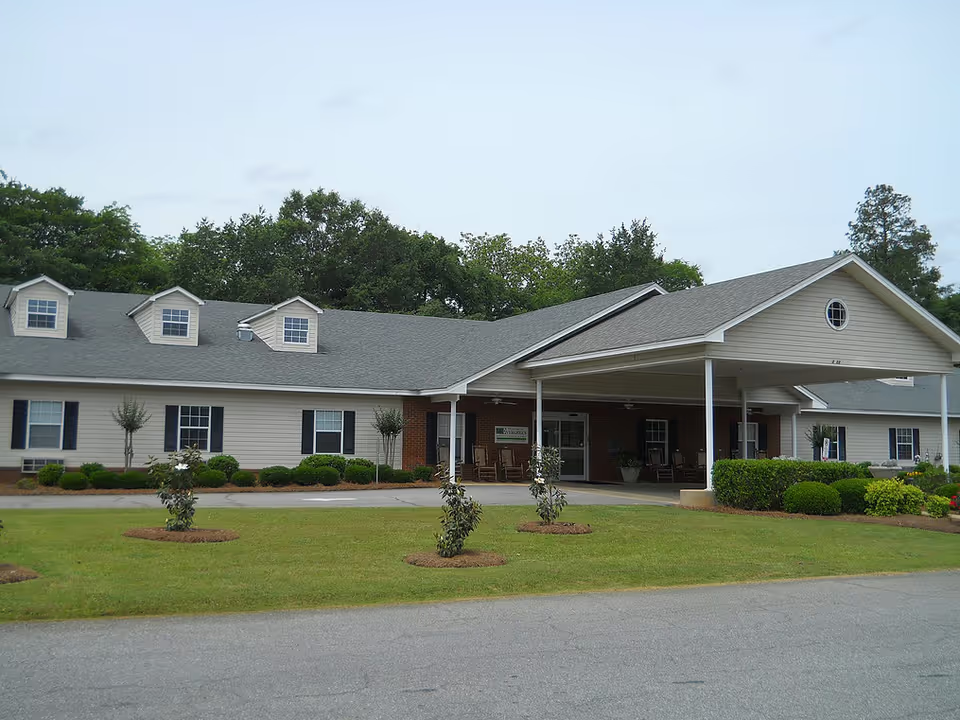
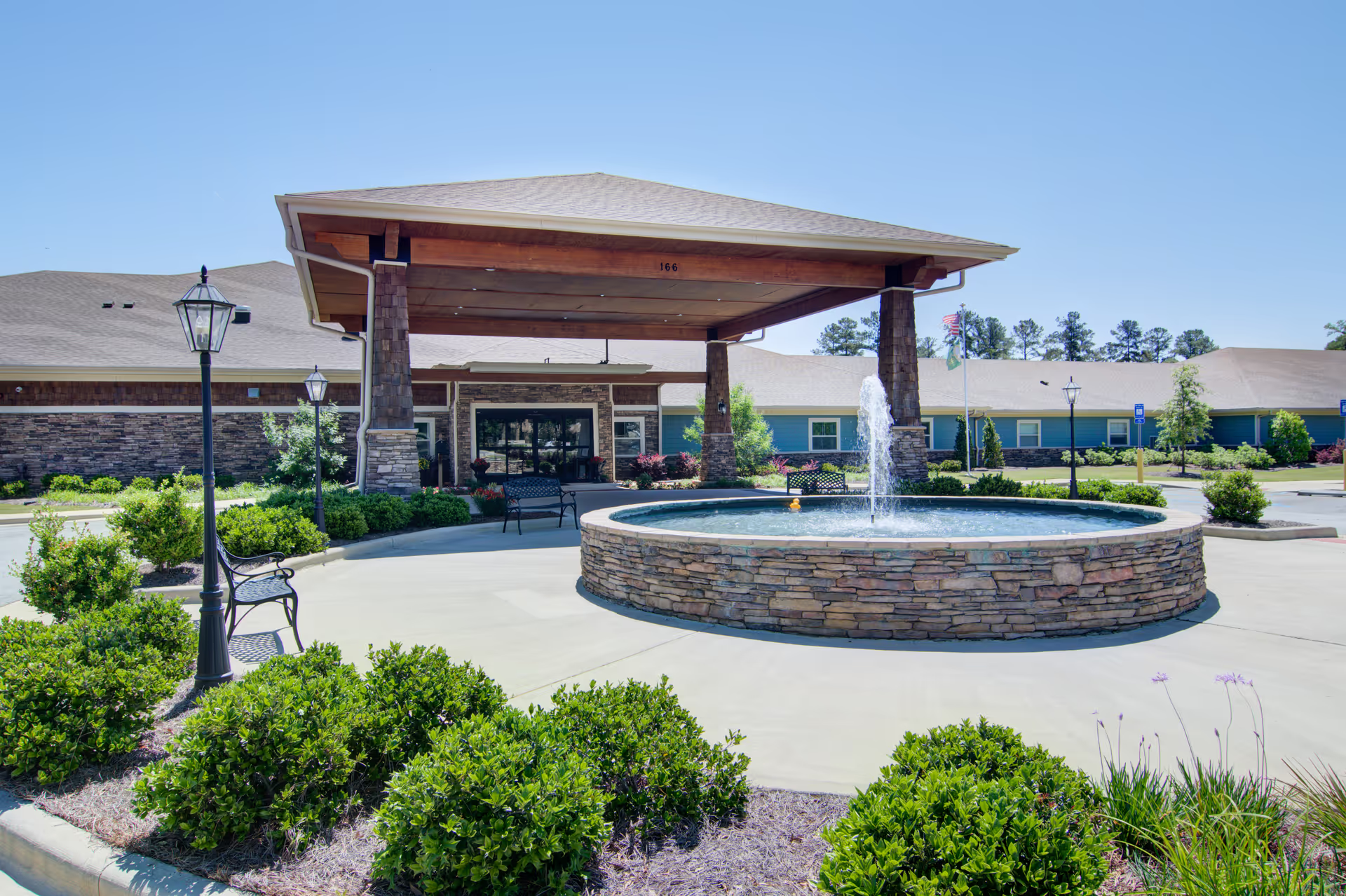
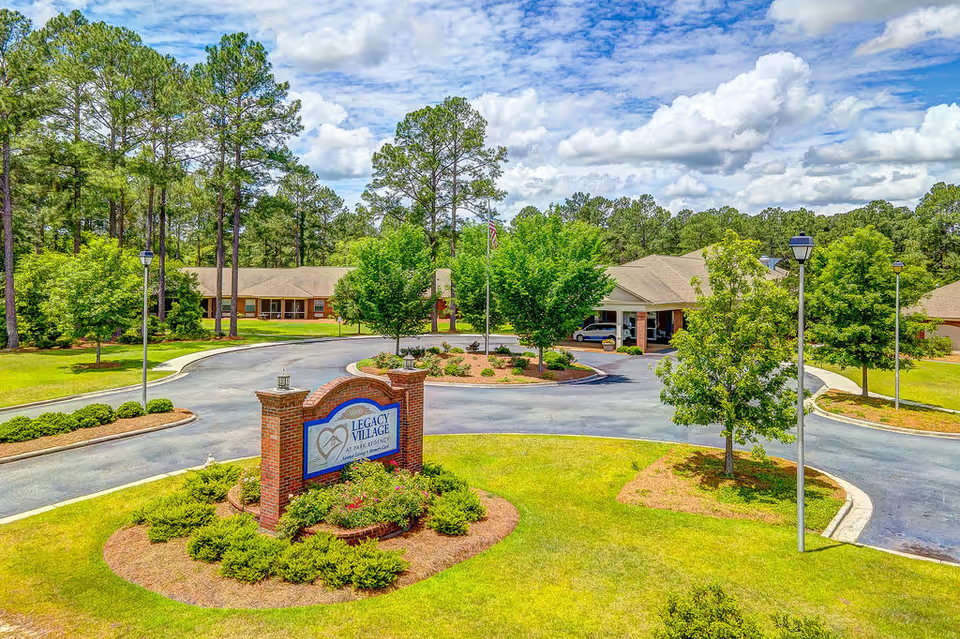
Facility condition and maintenance are frequent themes. The building is described as older with recurring infrastructure issues: plumbing problems, exposed rust and ceiling damage, variable temperature control, and areas needing repair. Alongside these infrastructure issues, reviewers cite cleanliness and odor concerns in some units or common areas, indicating uneven sanitation practices.
Management and communication show strengths and weaknesses. Many reviewers commend administration for helpfulness and transparency, but others describe distant management, long phone hold times, and poor fallback communication when clinical incidents occur. Transport and off-site transfer coordination emerged as a notable operational risk in several accounts, with delays or handoff problems that families found concerning.
Notable patterns: the facility elicits strong positive experiences tied to individual caregivers and certain programs, yet there are repeated, facility-level operational concerns—particularly in maintenance, meal-service reliability, therapy scheduling, transportation coordination, and staffing consistency across shifts. Prospective residents and families may benefit from direct questions about staffing ratios (including weekend coverage), meal protocols for medical diets, therapy frequency and documentation, transport policies, personal-item handling, and the facility's plan for infrastructure repairs and sanitation monitoring. This balanced view acknowledges a team of dedicated staff and successful rehab outcomes for many, while also documenting operational weaknesses that can materially affect resident experience and safety.