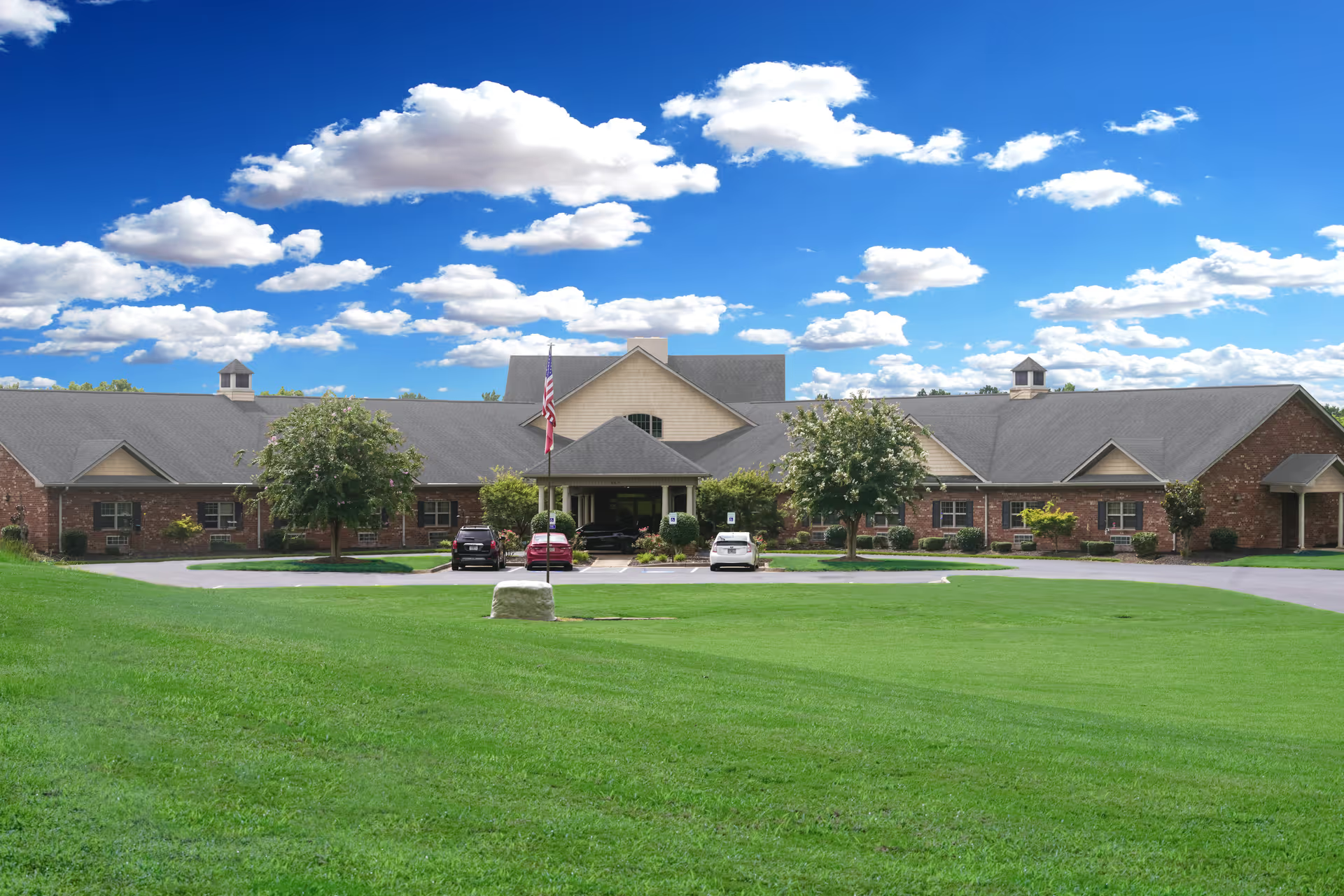
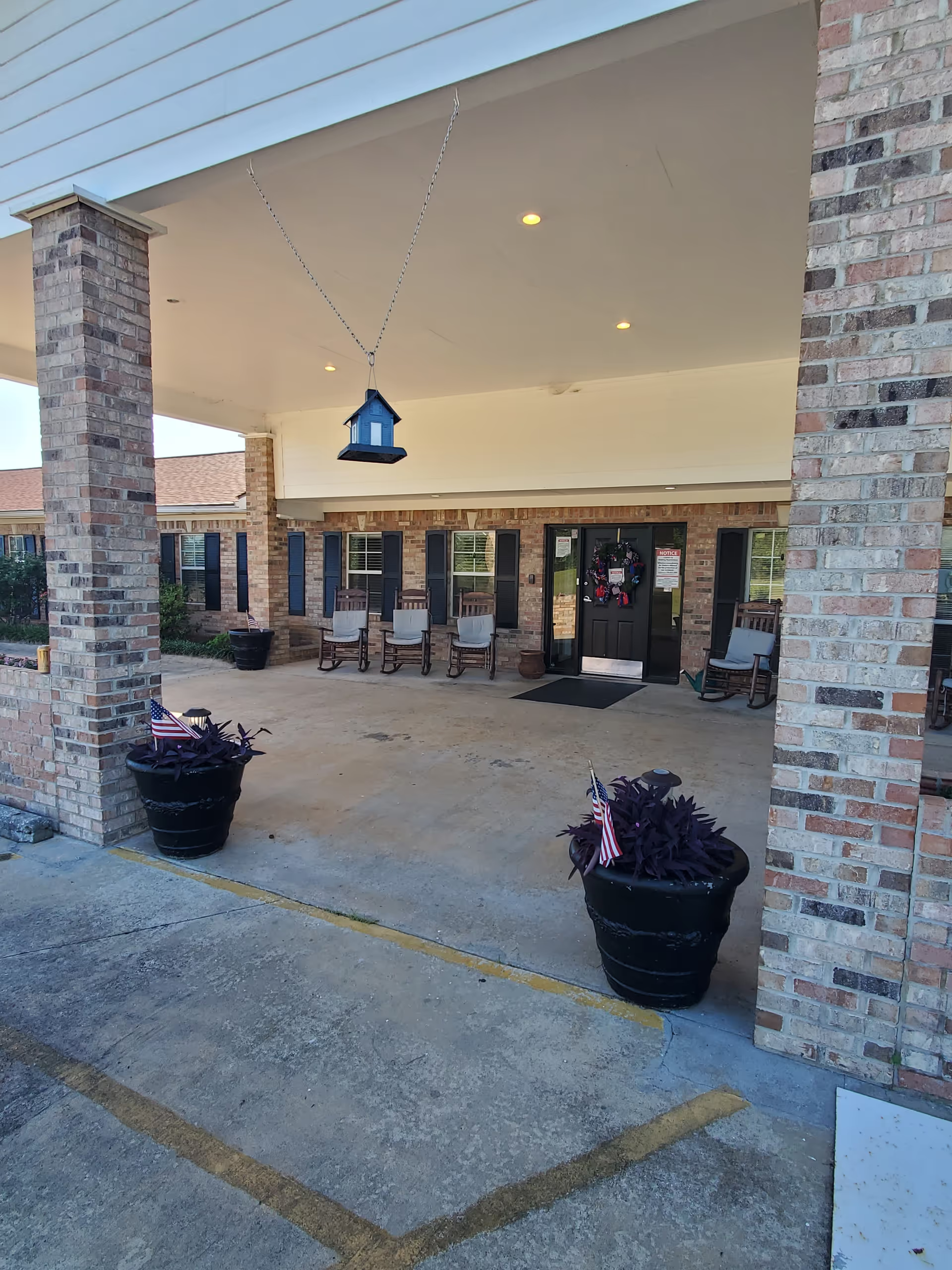
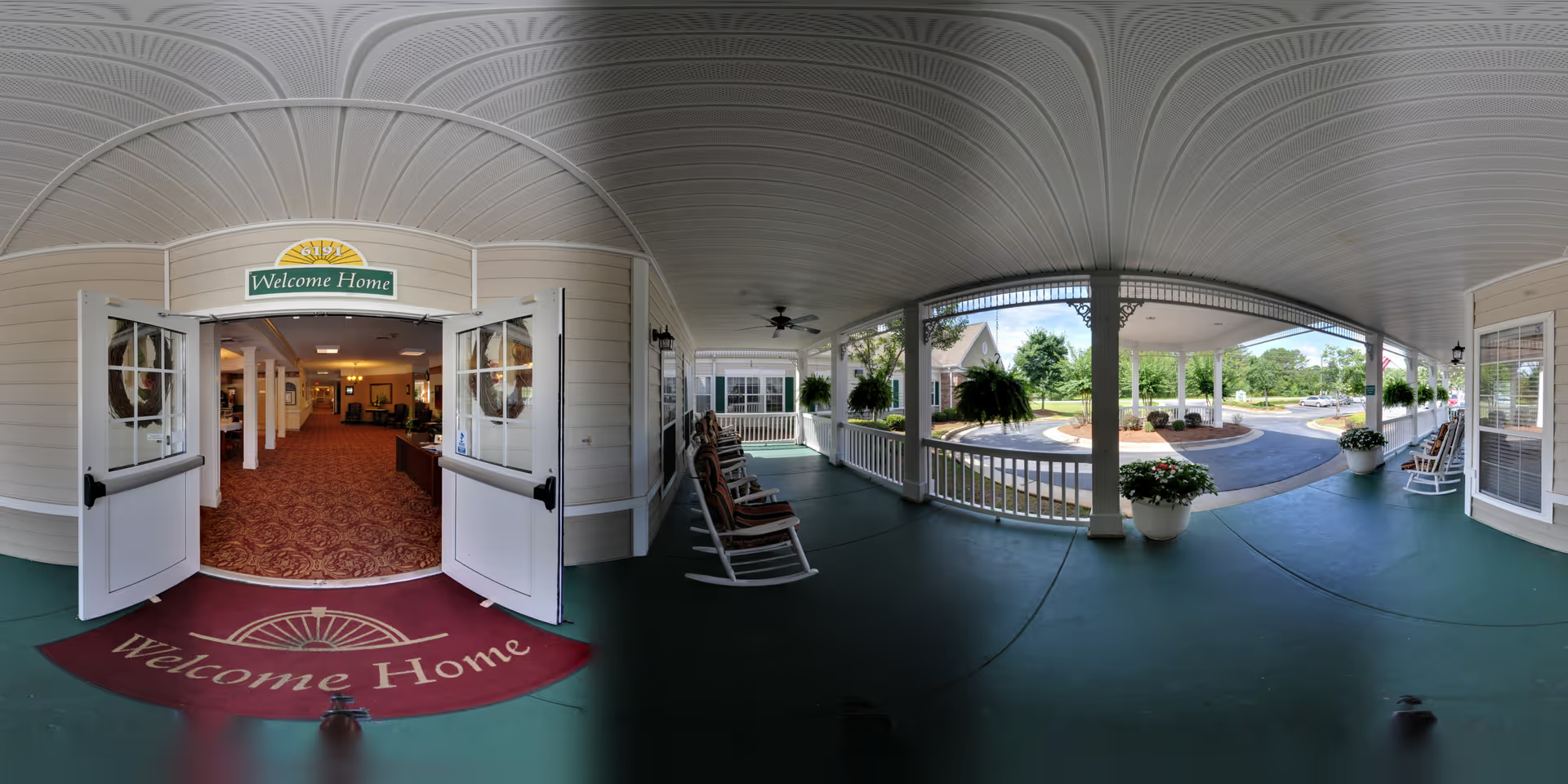
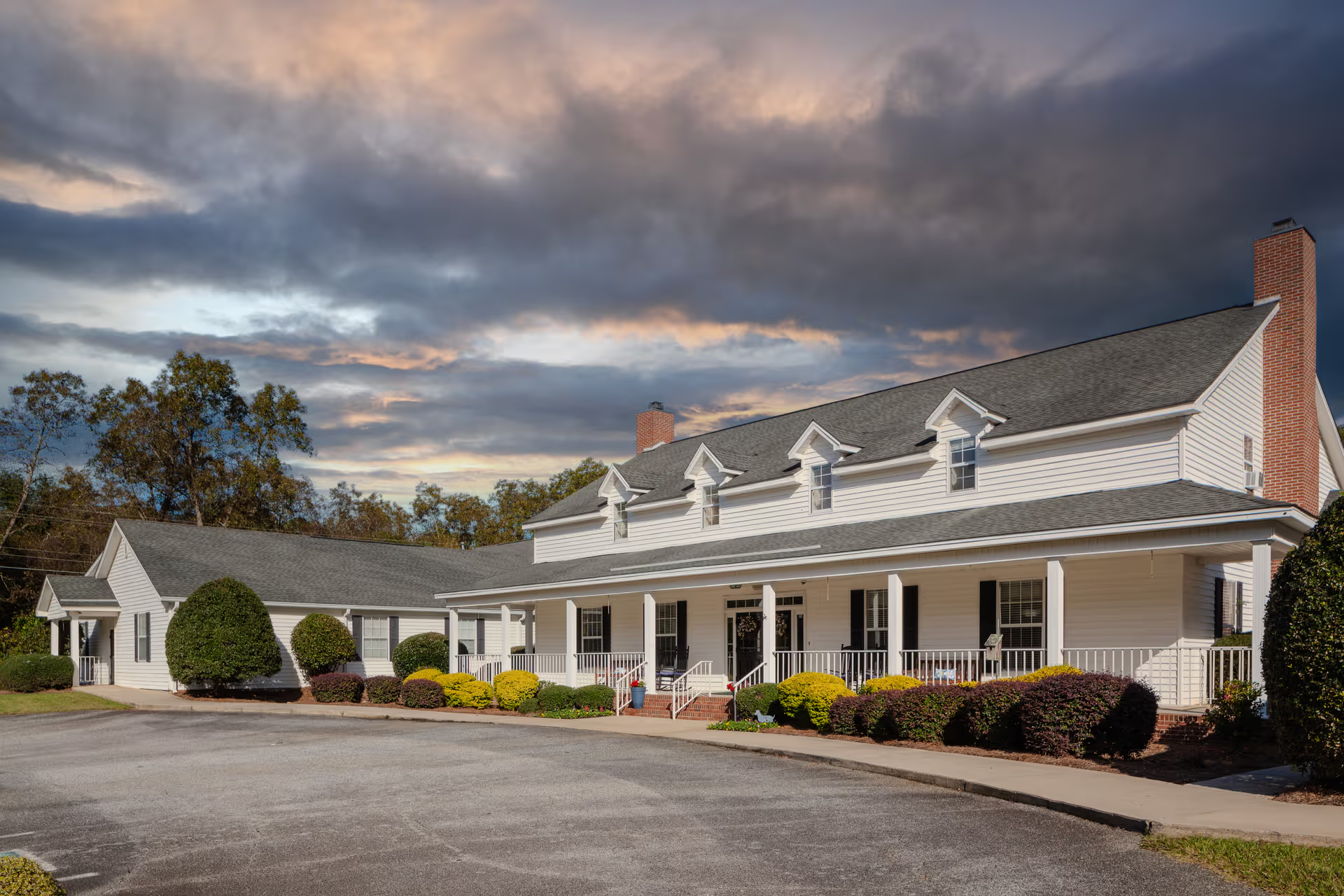
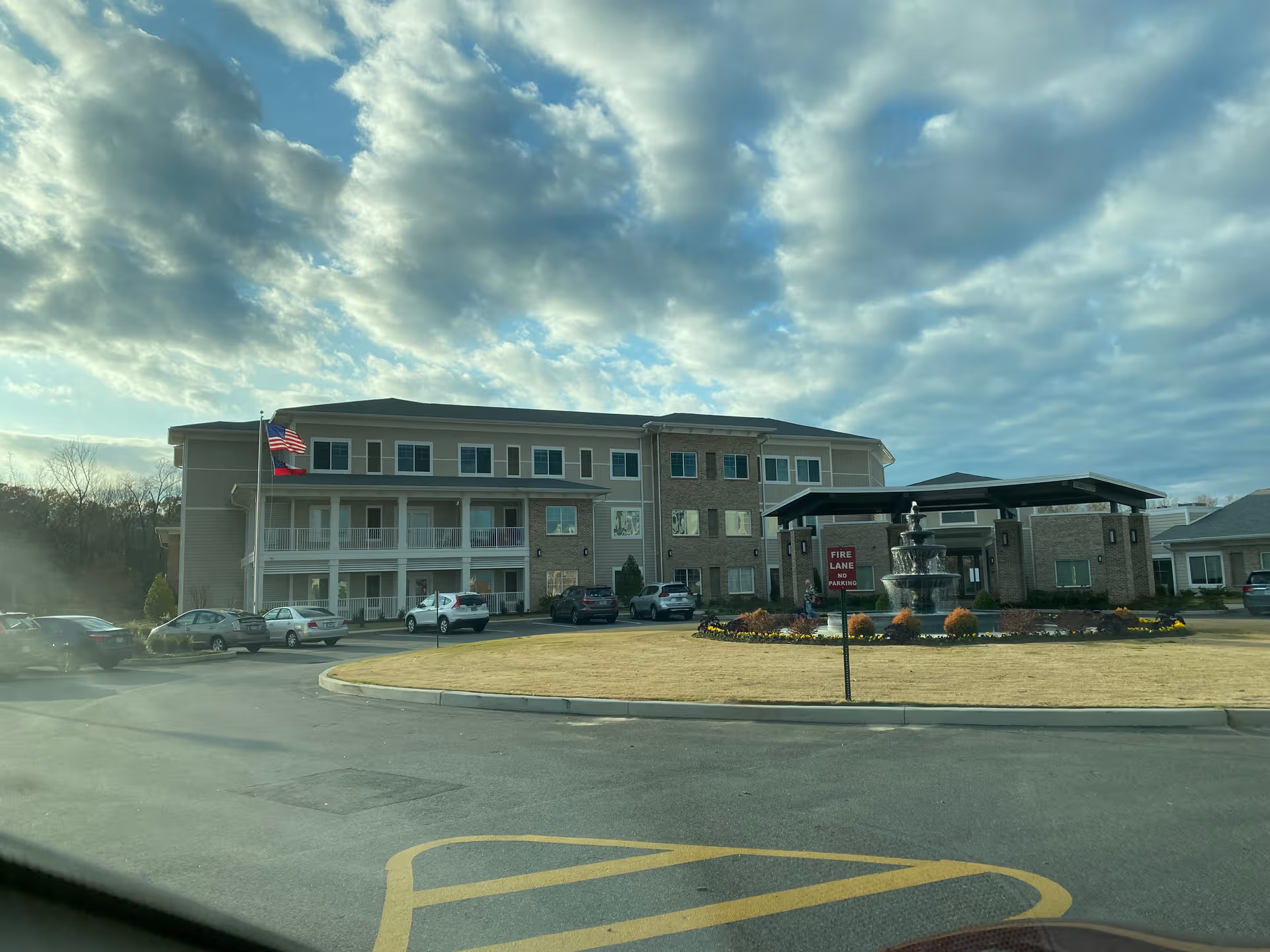
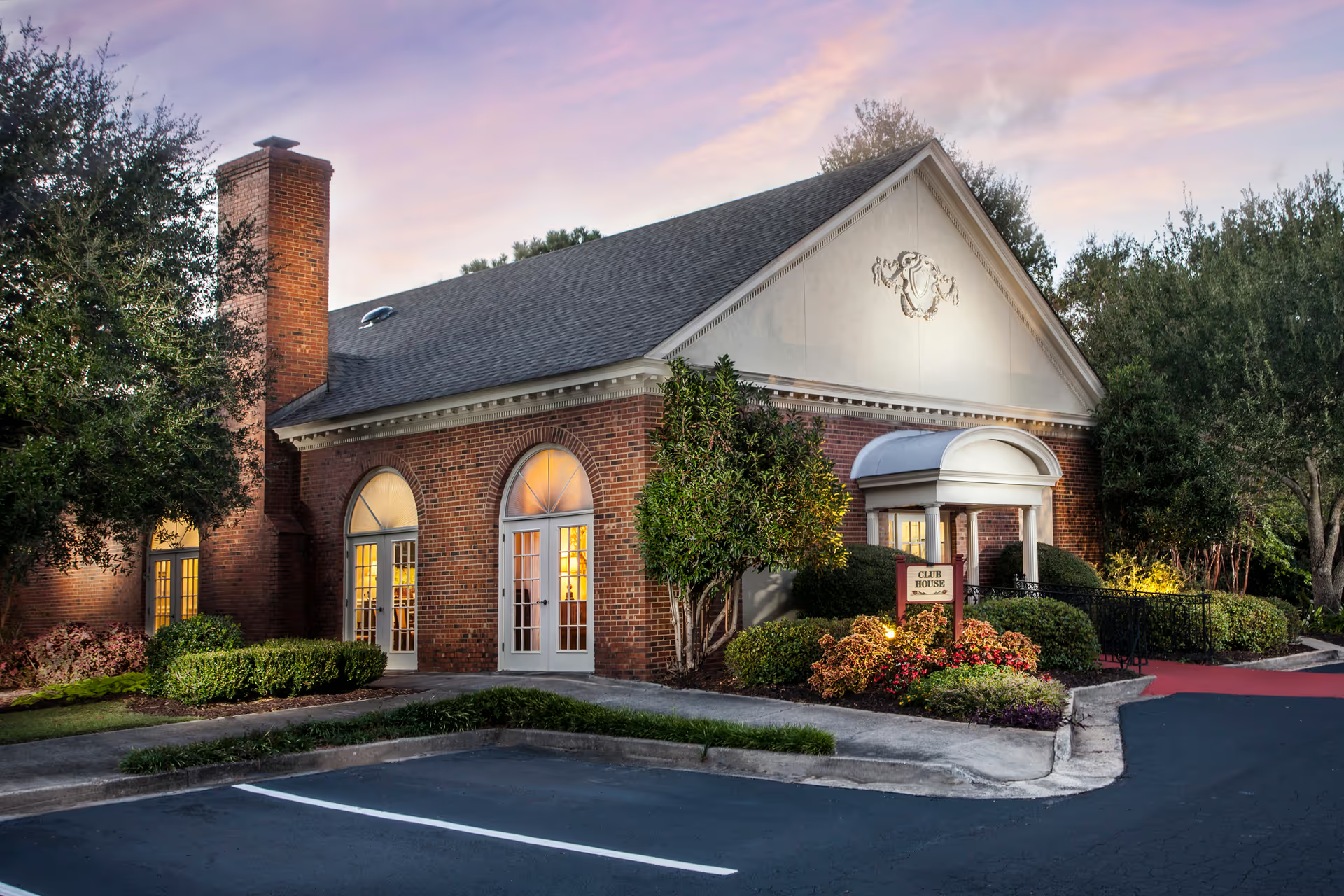
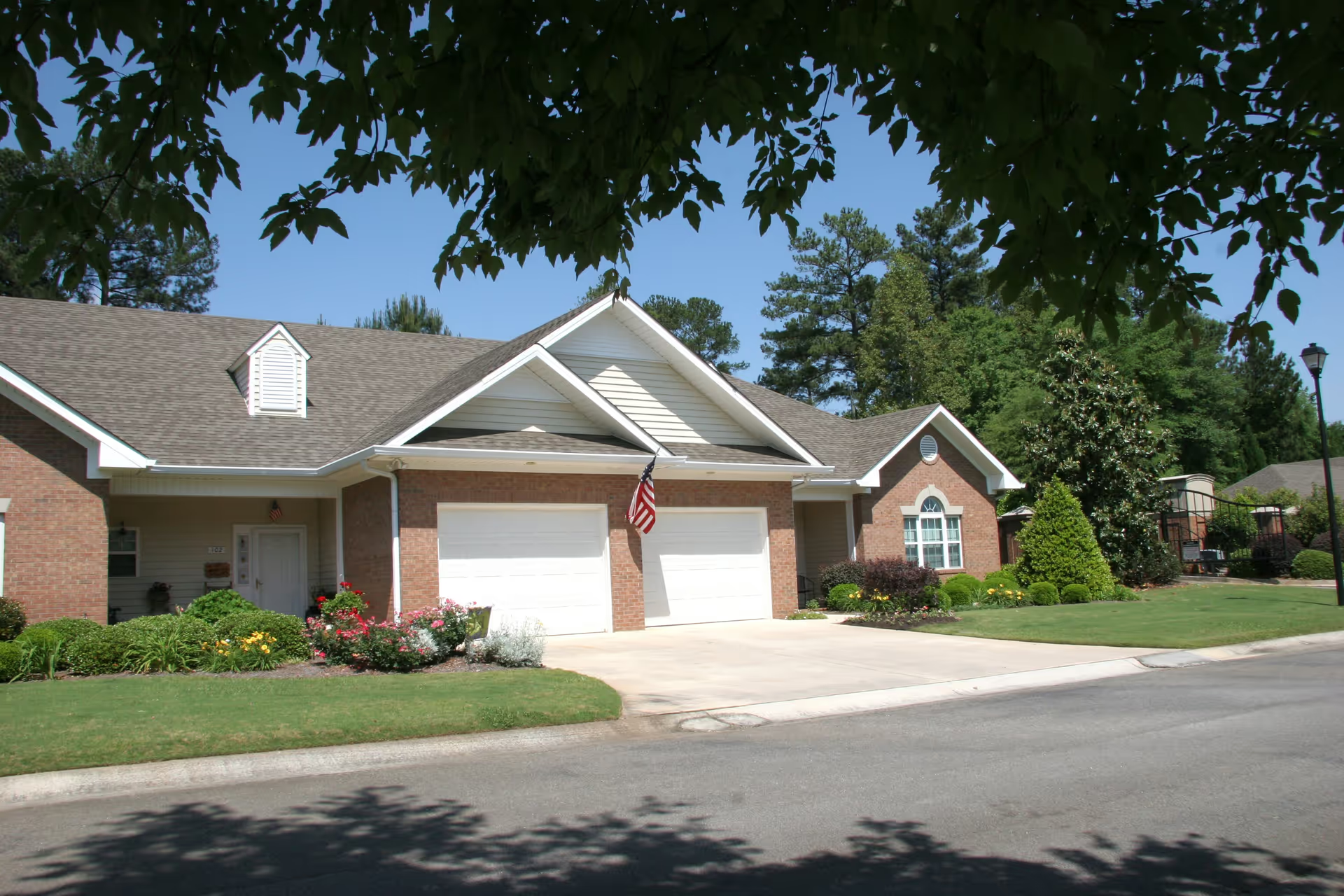
The collected reviews present a strongly mixed picture of Harborview Thomaston. Many families and visitors praise direct-care staff and the rehabilitation program: nurses, CNAs, and therapy teams are frequently described as compassionate, skilled, and attentive, and physical/occupational therapy is repeatedly noted as a facility strength. Residents and families also comment positively on room size, in-room amenities (including Wi‑Fi and TV), transportation services, and an active activities program. There is visible investment in renovations, and admissions/therapy coordination receives favorable mention in several accounts.
Counterbalancing those positives are repeated operational concerns that affect basic day-to-day care. Reviewers describe inconsistent delivery of personal-care tasks such as bathing, toileting assistance, and timely feeding; these issues are often linked to understaffing and frequent staff turnover. Multiple accounts raise medication and clinical-management concerns (timing errors, wound-care and infection-control issues, and uneven communication about clinical interventions) that suggest care-process variability. There are also allegations of financial and personal-property mishandling that warrant careful inquiry by prospective families.
Workforce and leadership issues emerge as a recurring theme. Staff are commonly characterized as hardworking but overextended; low morale, reports of inadequate supervision, and favoritism are cited as contributors to inconsistent service. Several reviewers describe an administrative focus on operational or financial priorities rather than on consistent frontline support, and that dynamic is reported to exacerbate turnover and responsiveness problems. At the same time, many accounts emphasize individual staff members who go above and beyond, indicating that much of the facility’s positive performance rests on committed frontline employees.
Facility condition and housekeeping are described unevenly. While some reviewers praise cleanliness and ongoing renovations, others note sanitation and odor concerns in common areas, laundry problems, and deficits in routine maintenance. Dining impressions are mixed: some residents and families like the food or appreciate the ability to bring or order meals, whereas others find meal quality and service inconsistent. Activities programming is generally highlighted as an asset.
Communication with families is another area of variability. Some families report responsive, informative staff and regular updates; others report poor follow-up, unreported incidents, or difficulty reaching staff. These differences suggest that family experience may depend heavily on specific units, shifts, or individual staff members.
For prospective residents and families: the facility offers clear strengths—notably rehabilitation services, many caring frontline staff, and amenities such as roomy accommodations and transportation—but also presents operational risks tied to staffing levels, supervision, sanitation, and clinical consistency. Visitors should ask targeted questions about staffing ratios, incontinence- and bathing-care protocols, medication administration and wound-care procedures, property and financial safeguards, and recent inspection or remediation records. When possible, observe a range of shifts, speak directly with nursing leadership and therapy staff, and request documentation of incident reporting and care plans to help assess whether the facility’s strengths align with the prospective resident’s needs.