Overall impression: Reviews reflect a polarized experience at the facility, with clear examples of dedicated, helpful staff alongside recurring operational weaknesses. Several accounts praise specific caregivers and note improvements under new leadership, while other accounts point to persistent gaps in day-to-day care, communication, and management processes.
Care quality and clinical concerns: Families describe a mix of compassionate nursing and troubling lapses in clinical follow-through. Positive examples include nurses who provided attentive, personalized support and staff who assisted with nonclinical needs (for example, benefits paperwork). Conversely, reviews indicate inconsistent attention to routine personal care tasks, irregular bathing schedules, delays in responding to basic needs, and concerns about documentation and wound/incision monitoring. There are also descriptions suggesting weaknesses in clinical-incident management—examples include delayed hospice notification, alleged failures to escalate changes in condition, and discharge or transfer communication gaps. Taken together, these patterns point to variability in clinical oversight and family communication that prospective families should evaluate further.
Staff and culture: Staff descriptions are mixed. Many reviewers identify individual employees as compassionate and willing to go beyond job descriptions; others describe dayshift aides and reception staff as unresponsive or brusque. Staffing shortages and inconsistent coverage are recurring themes, which reviewers link to delayed responses and uneven care. A number of comments call for additional nursing/CNA retraining and improved staff supervision. New ownership and an incoming administrator are cited in multiple reviews as having a constructive, family-oriented approach with extended availability; however, some reviewers continue to experience unprofessional interactions or unresponsiveness from management.
Dining and activities: Meal service is available three times daily and is a clear point of divergence in impressions. Some families praise the food and regular meal schedule, while others report inconsistent quality and presentation, limited snack or drink access between meals, and difficulty obtaining food or bottled water for residents. Positive mentions include access to outdoor time, sunshine, and opportunities for light exercise; gospel programming was also noted as an available activity.
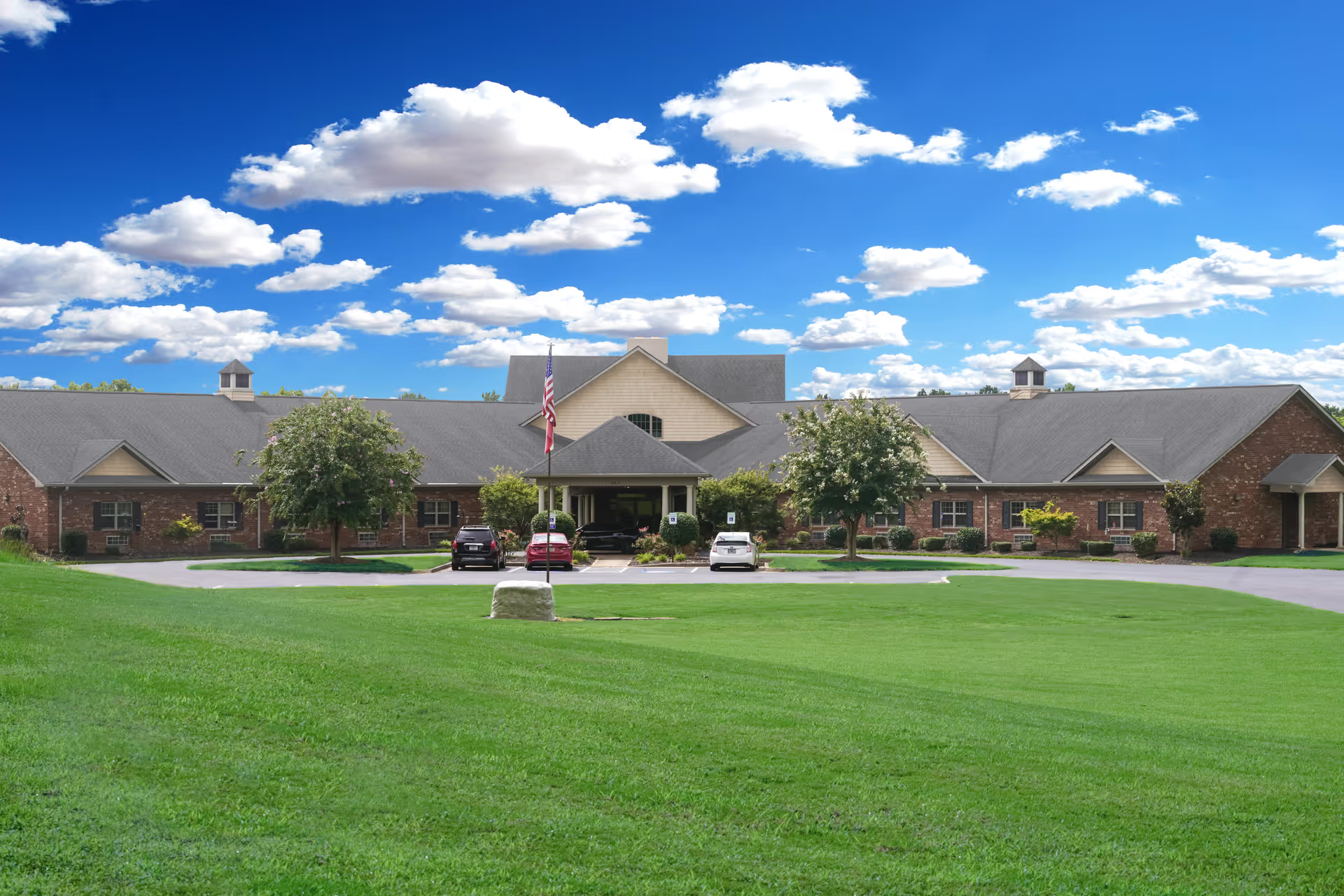
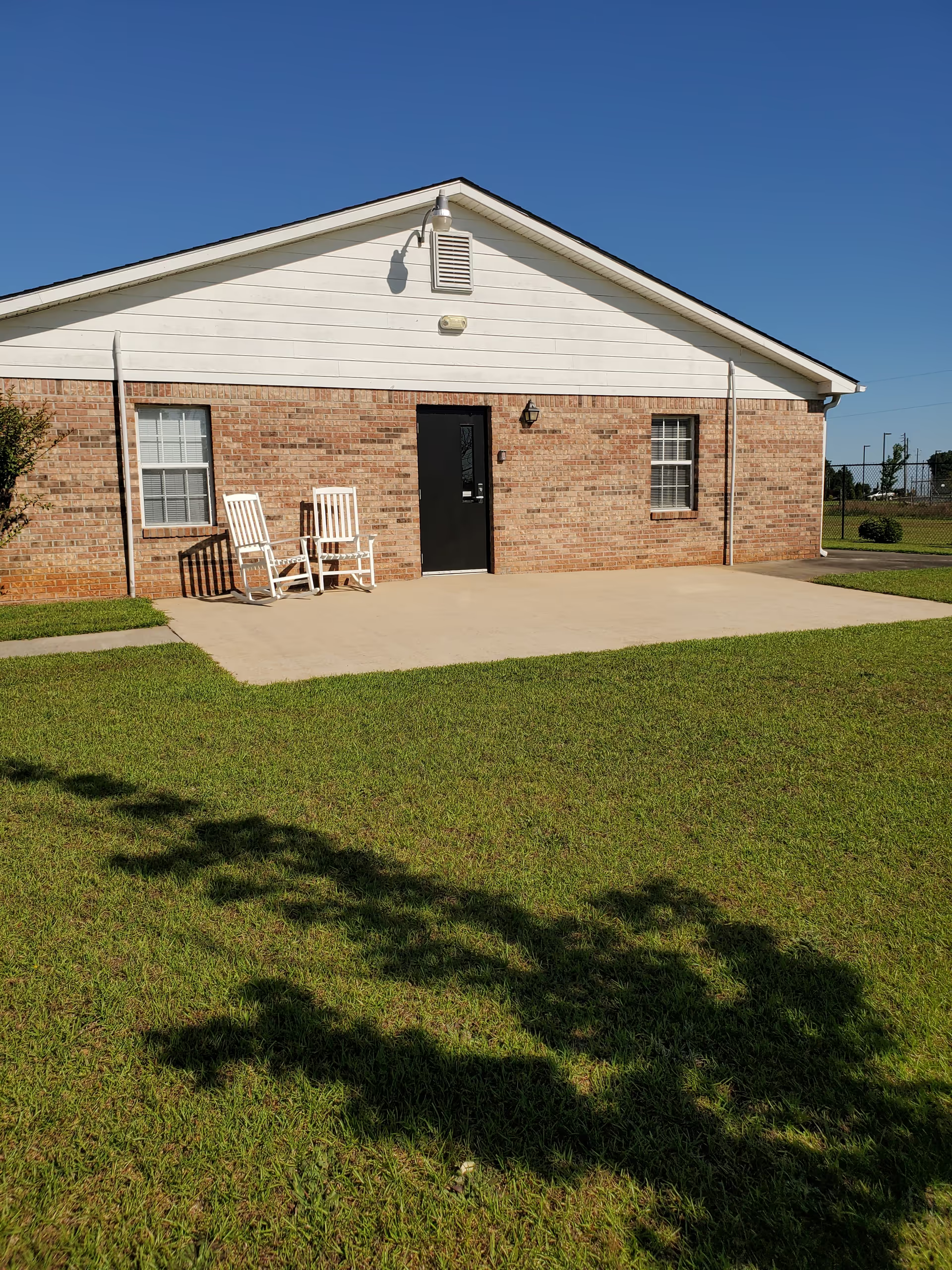
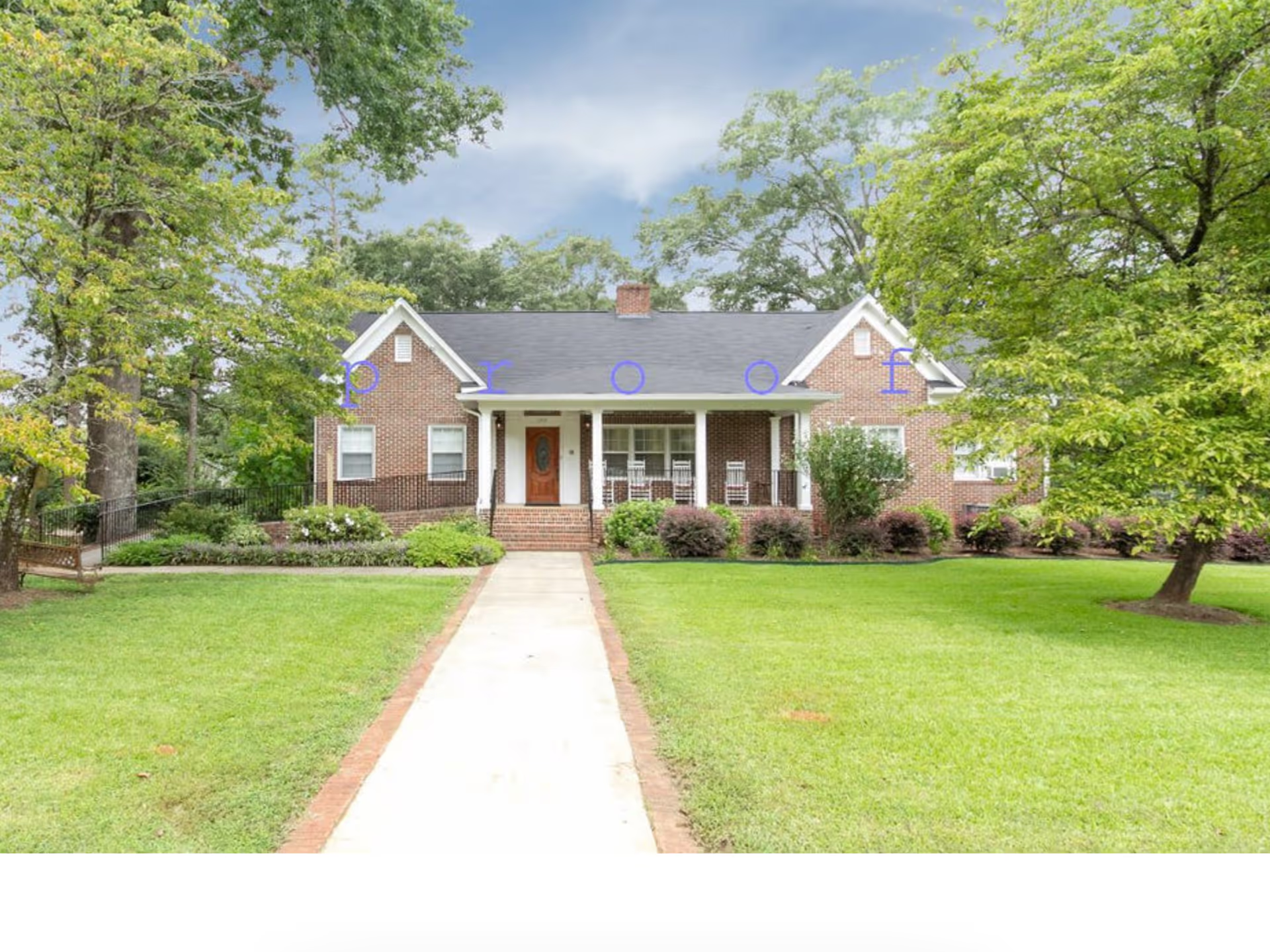
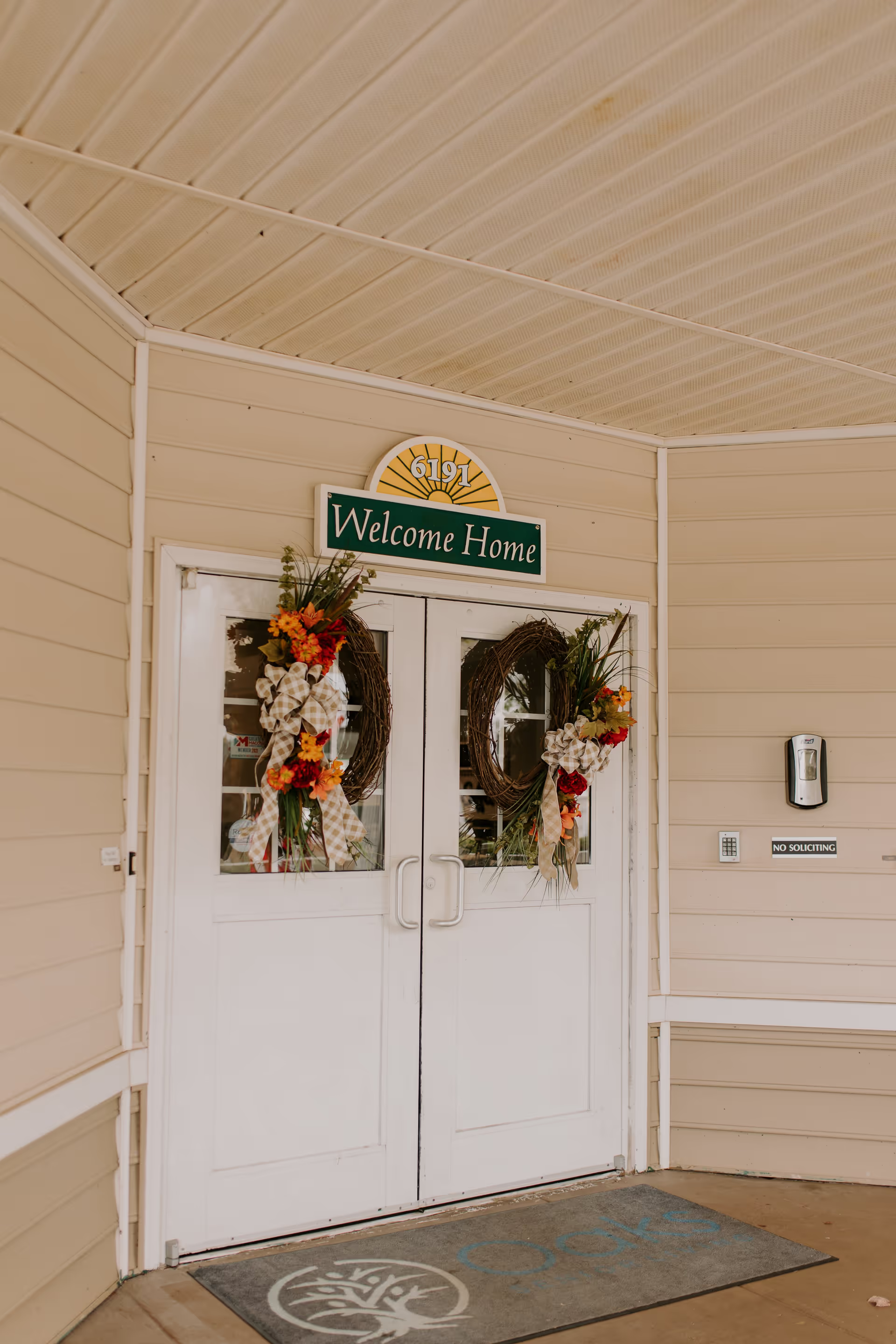
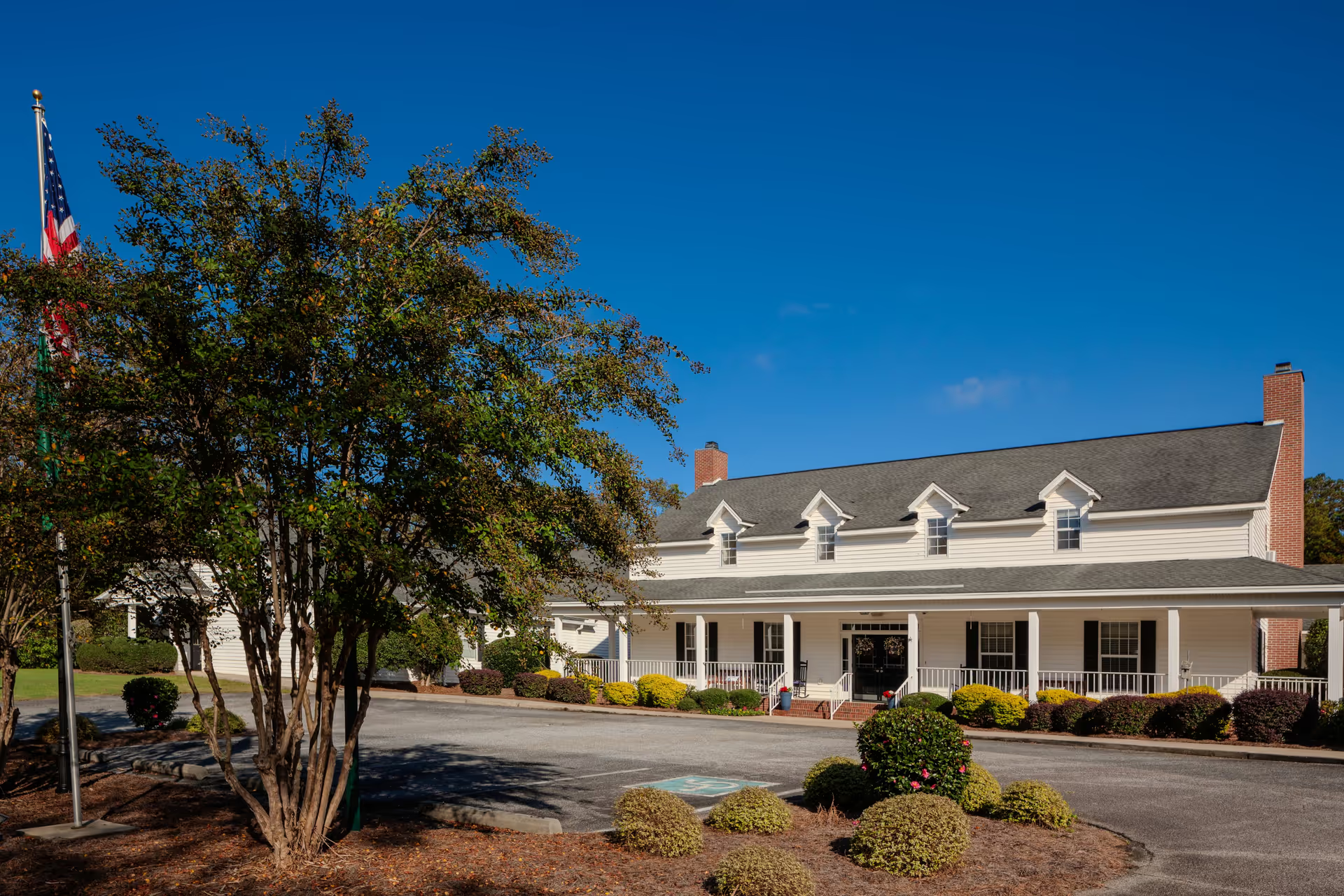
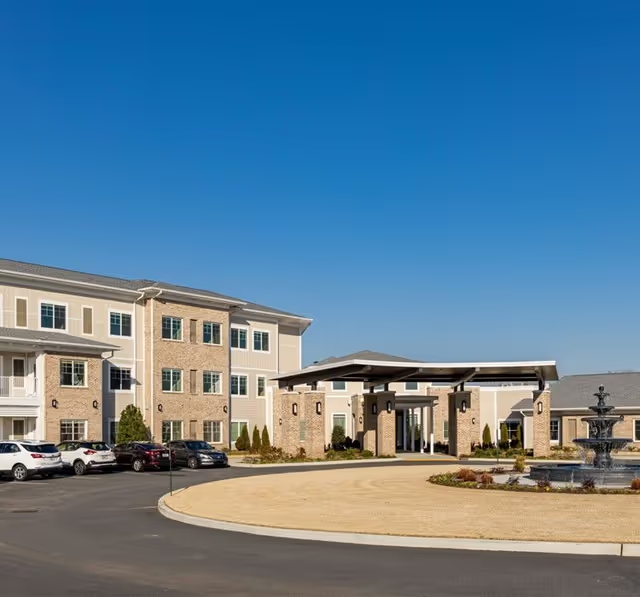
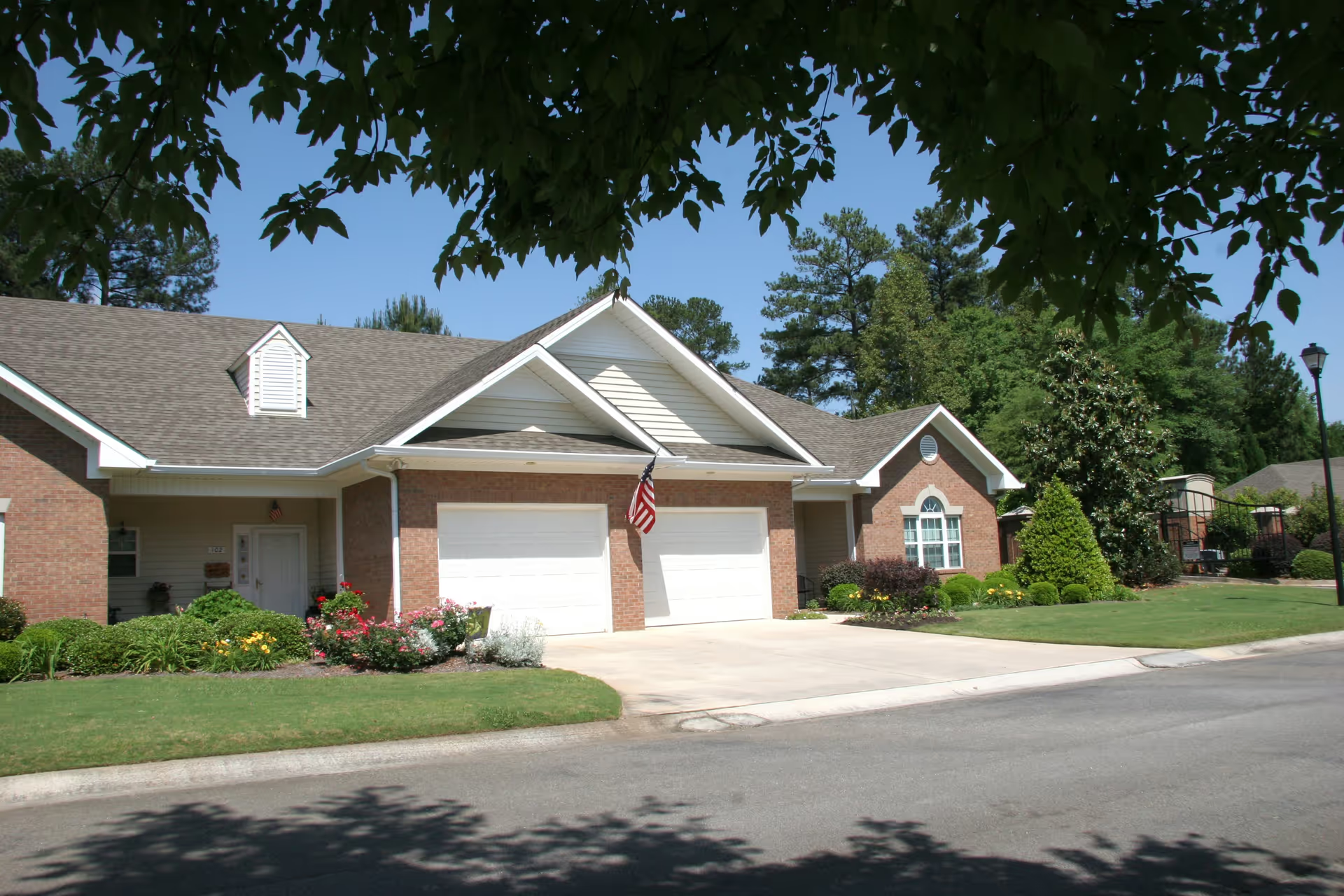
Facilities and environment: Physical-condition reports vary. Several reviewers say the main entrance and dining area are clean and welcoming, and that outdoor areas provide beneficial fresh air. Other comments describe dated finishes, small rooms, and overall facility wear. There are also sanitation and infection-control concerns raised in multiple accounts that would warrant assessment during a visit.
Management, communication, and administrative processes: Reviewers highlight a mix of outcomes under current administration. Some families report an accessible, responsive administrator and improvements since ownership change; others describe a lack of transparency around transfers and insurance guidance, uncooperative transfer processes, and inconsistent communication about care plans and clinical events. Front-desk accessibility and locked-entry procedures were specifically noted as creating logistical problems for deliveries and visitor interactions.
Notable patterns and guidance for families: The overall pattern is one of variability—strong individual caregivers and positive administrative changes coexist with operational inconsistencies that affect safety, hygiene, nutrition, and communication. Prospective residents and families should prioritize a site visit and ask specific, documented questions: current staffing ratios and coverage for the intended unit, incident-reporting and family-notification protocols, hospice and hospital coordination processes, availability and frequency of therapy services, meal plans and snack/access policies, documentation access, and infection-control measures. Request to meet or hear from the administrator and specific caregivers, and consider speaking with current families on the unit for contemporary perspectives before making placement decisions.