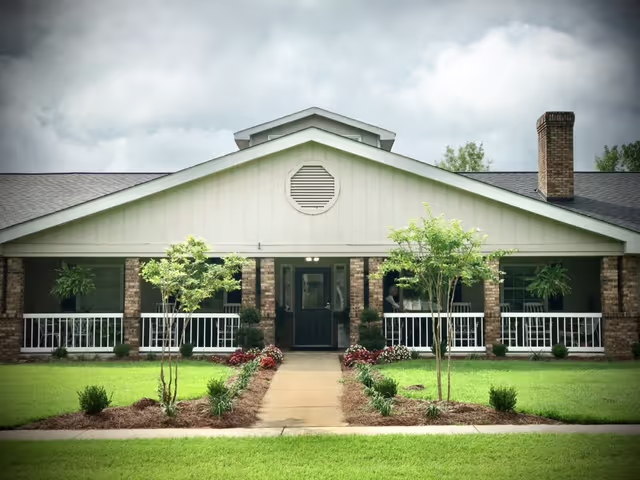
The available feedback for Harborview Tifton is mixed, with clear strengths in therapy/rehabilitation, activities, and many elements of staff interaction, but with recurring operational concerns in several clinical and service areas. Positive accounts emphasize a friendly, welcoming culture, hands-on CNAs and aides, and a therapy department that supports successful recoveries; those experiences often reference an active social calendar, an engaged activity director, and pleasant outdoor commons such as a front porch and courtyard.
Care and staffing: Many reviewers highlight compassionate direct-care staff and a helpful admissions/front-desk experience. The facility’s rehabilitation wing is frequently described as well-equipped and staffed by motivated therapists, and several family members credited therapy staff with positive recovery outcomes. At the same time, feedback indicates variability in day-to-day care: there are notable concerns about inconsistent medication administration and related medication-management processes, and several comments describe delays in attending to resident needs. These patterns are consistent with reports of staffing shortfalls that can affect the timeliness of care and the perceived conduct or responsiveness of some staff members.
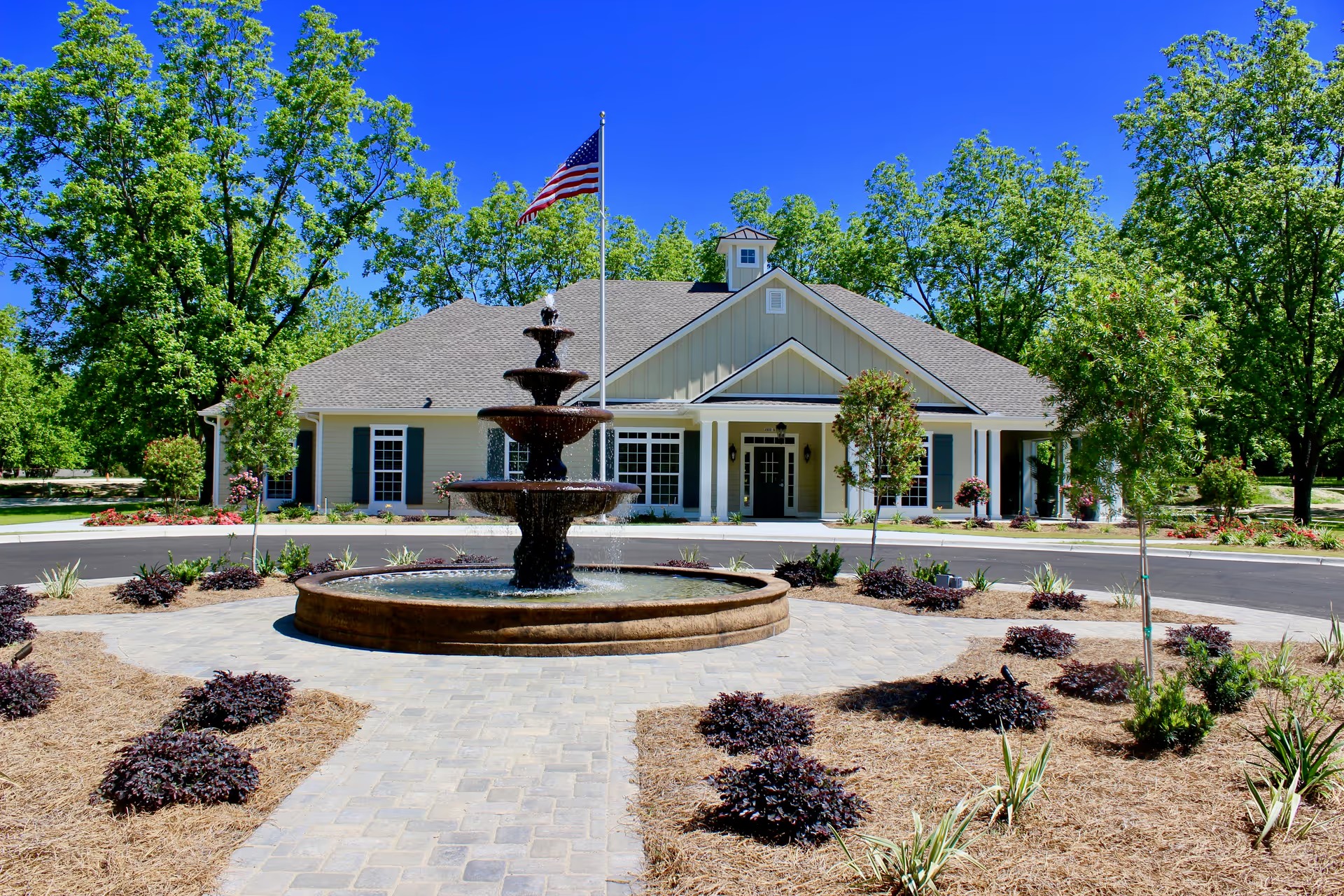
Activities and dining: Harborview’s activity program is a clear strength in many accounts — reviewers mention a large calendar, frequent social and spiritual programming (bingo, church services, gospel sings), and an active program director who engages residents. Outdoor and communal spaces such as the courtyard, flowers, and fountain are seen as positive contributors to resident quality of life. Dining impressions are mixed: some families praise meals and special-event dining, while other accounts describe poor meal quality and inconsistency.
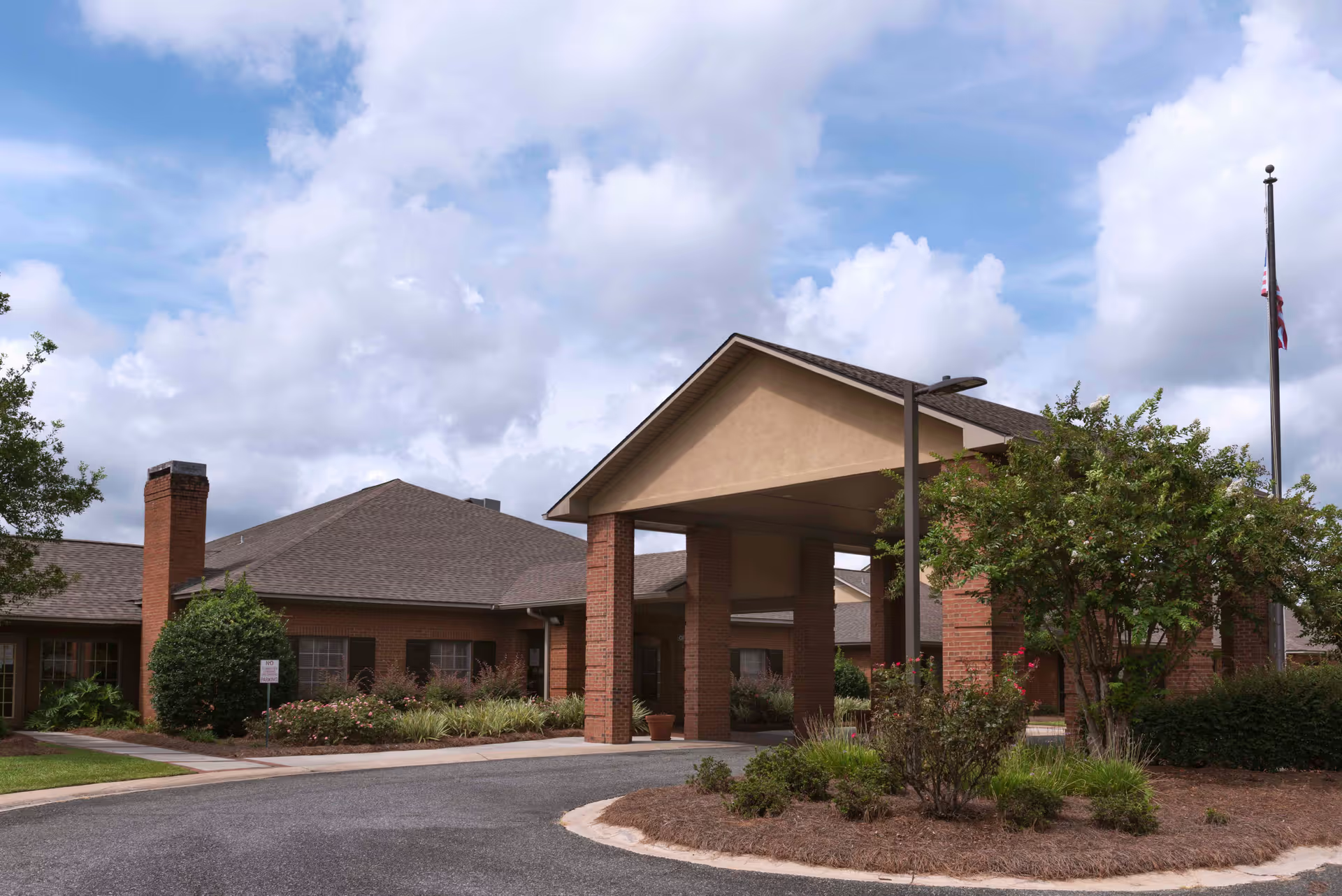
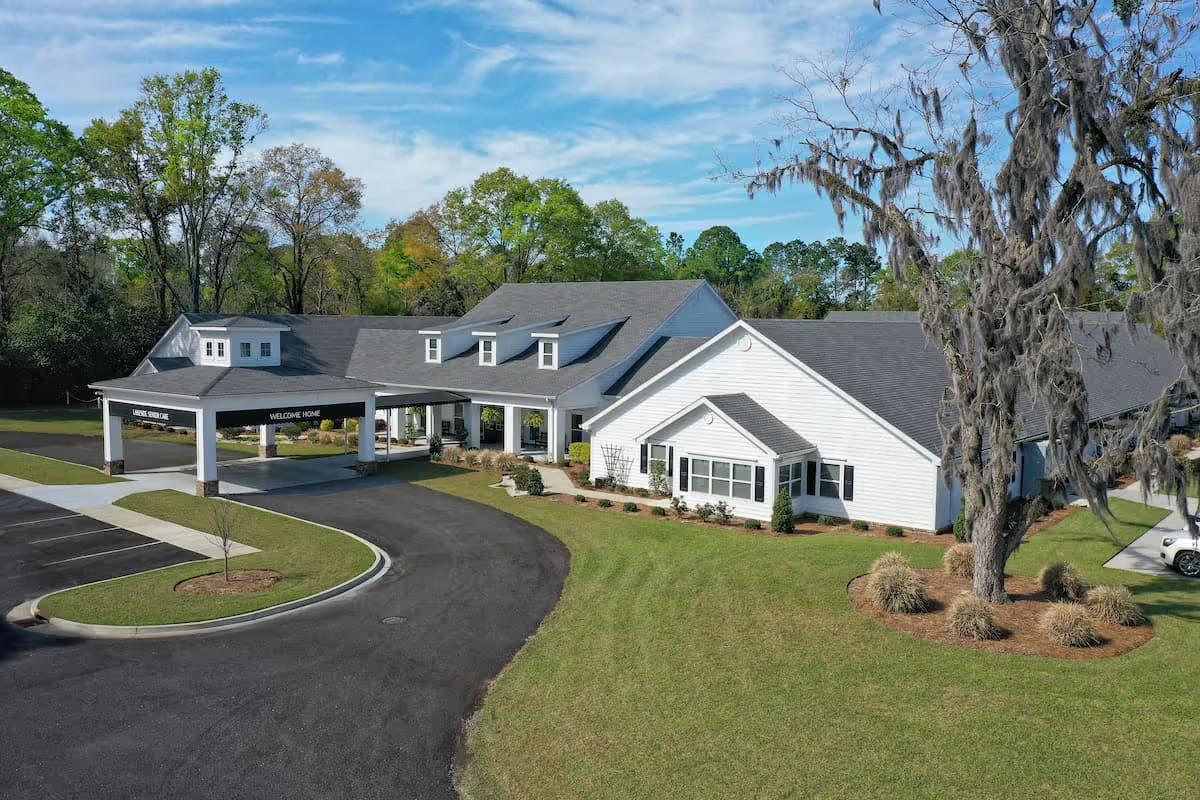
Facilities, cleanliness, and environment: Several reviewers describe the facility as clean and well-maintained, particularly in therapy areas that have been updated or remodeled. However, other comments raise sanitation concerns and odor issues in certain areas, and some describe parts of the building as having a sterile or institutional feel. These divergent impressions suggest variability in housekeeping and environmental conditions across units or shifts.
Management and communication: There are contrasting experiences with administration and communication. Many families find management supportive and easy to reach, and several note timely resolution when they raise concerns. Conversely, there are significant concerns about communication, access to patient information, and at least one alleged privacy violation; these point to inconsistent information-sharing practices and family access controls. Additional operational gaps include delays in care coordination (for example, equipment provisioning and caseworker responsiveness).
Overall impression and guidance: Prospective residents and families are likely to encounter both strong rehabilitation services and a lively activity program, supported by many compassionate caregivers. To evaluate whether this facility aligns with family needs, consider asking about medication-administration protocols and error-monitoring, current staffing ratios on the unit of interest, housekeeping schedules and odor-control practices, dining menus and food-quality monitoring, privacy and family-communication policies, and the availability and credentials of therapy staff. Observing a guided tour during activity hours and speaking directly with the therapy and activity directors can help verify the strengths described in positive accounts and identify any inconsistencies noted in other feedback.