PruittHealth - Crestwood elicits a mix of positive and critical feedback. Strengths center on direct care: many families described compassionate nurses and CNAs, proactive charge nurses, and social work involvement that produced clear communication and individualized support. The facility has a notable rehabilitation program with dedicated therapy staff who helped residents regain independence, and it offers a Memory Support Unit and hospice coordination. Several reviewers also praised private rooms with good storage, daily housekeeping in many units, allergy-aware meal accommodations, and an active activities schedule that includes movies, bingo, and a designated activity aide.
At the same time, recurring operational weaknesses affect the resident experience. Staffing levels are inconsistent—weekend and holiday coverage and short-staffed shifts were a frequent concern—and variability in staff conduct and responsiveness was reported. These staffing issues are linked to delays in assistance, uneven communication with families, and inconsistent follow-through on therapy schedules and medication administration. Families described instances that indicate gaps in clinical handoffs and care-transition processes (for example, during hospital transfers), which suggests opportunities to strengthen discharge/return procedures and family notification protocols.
Dining and activities present a mixed picture. Some families found the food acceptable and appreciated dietary/allergy accommodations, while others saw the menu as insufficiently tailored for residents with chronic conditions such as diabetes or heart disease. Activities programming and memory-care offerings are a clear asset for residents who can participate, but reduced weekend staffing was said to limit programming at times.
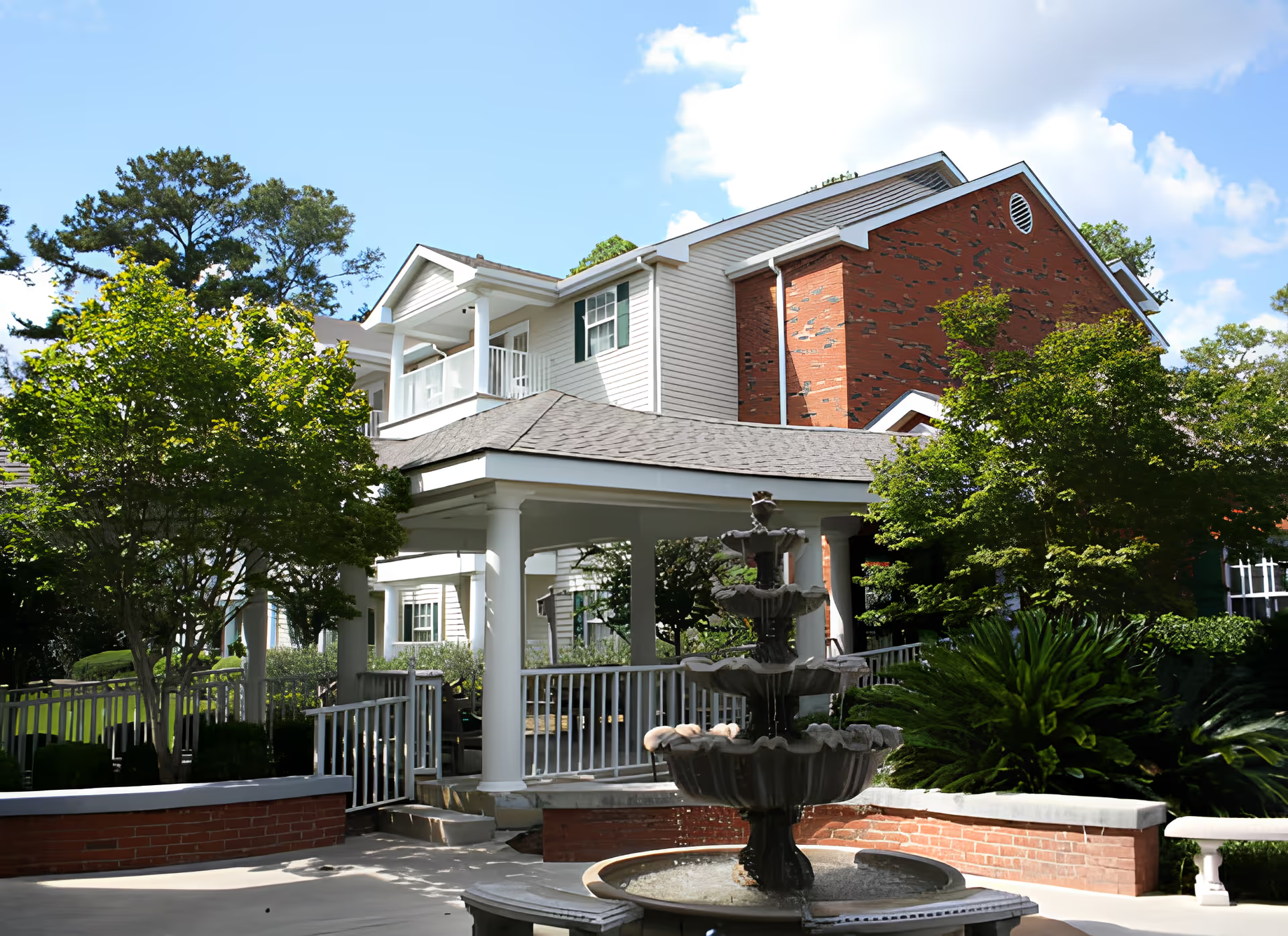
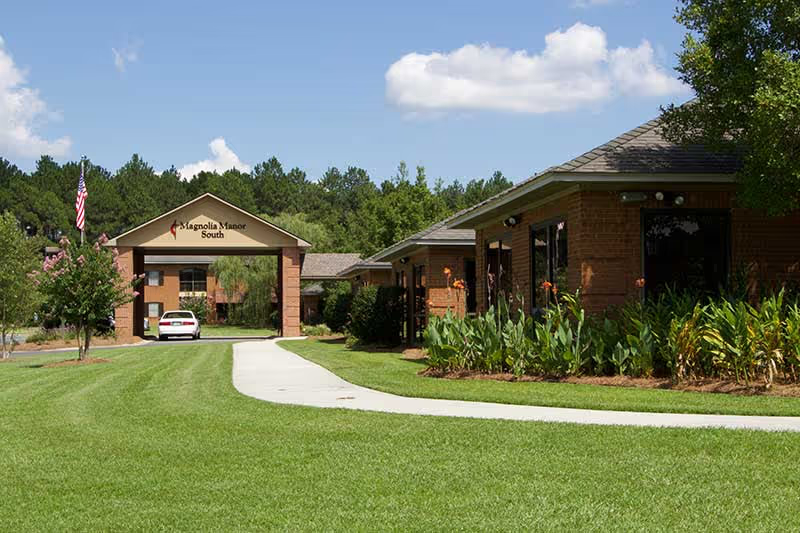
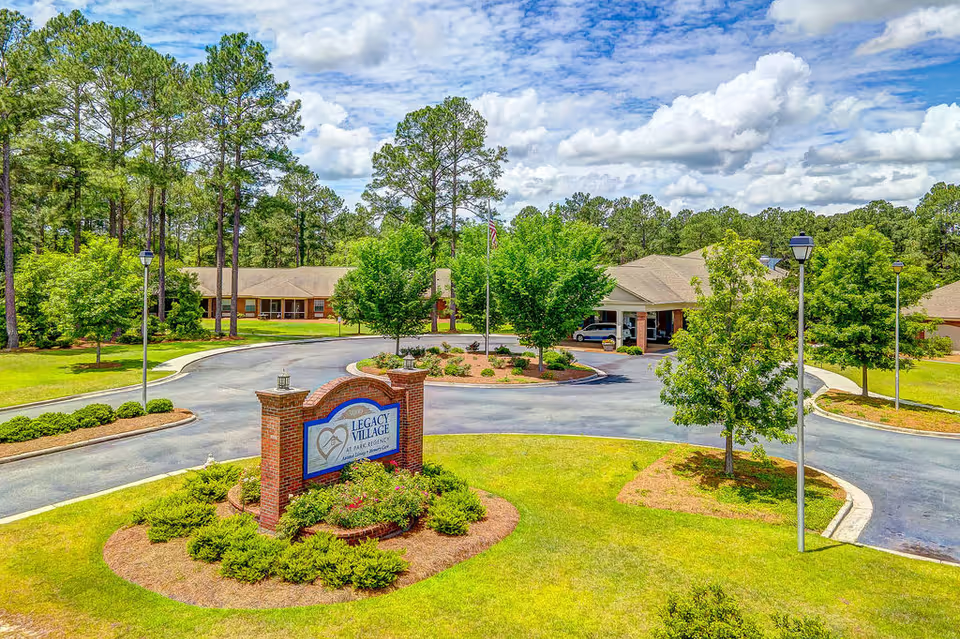
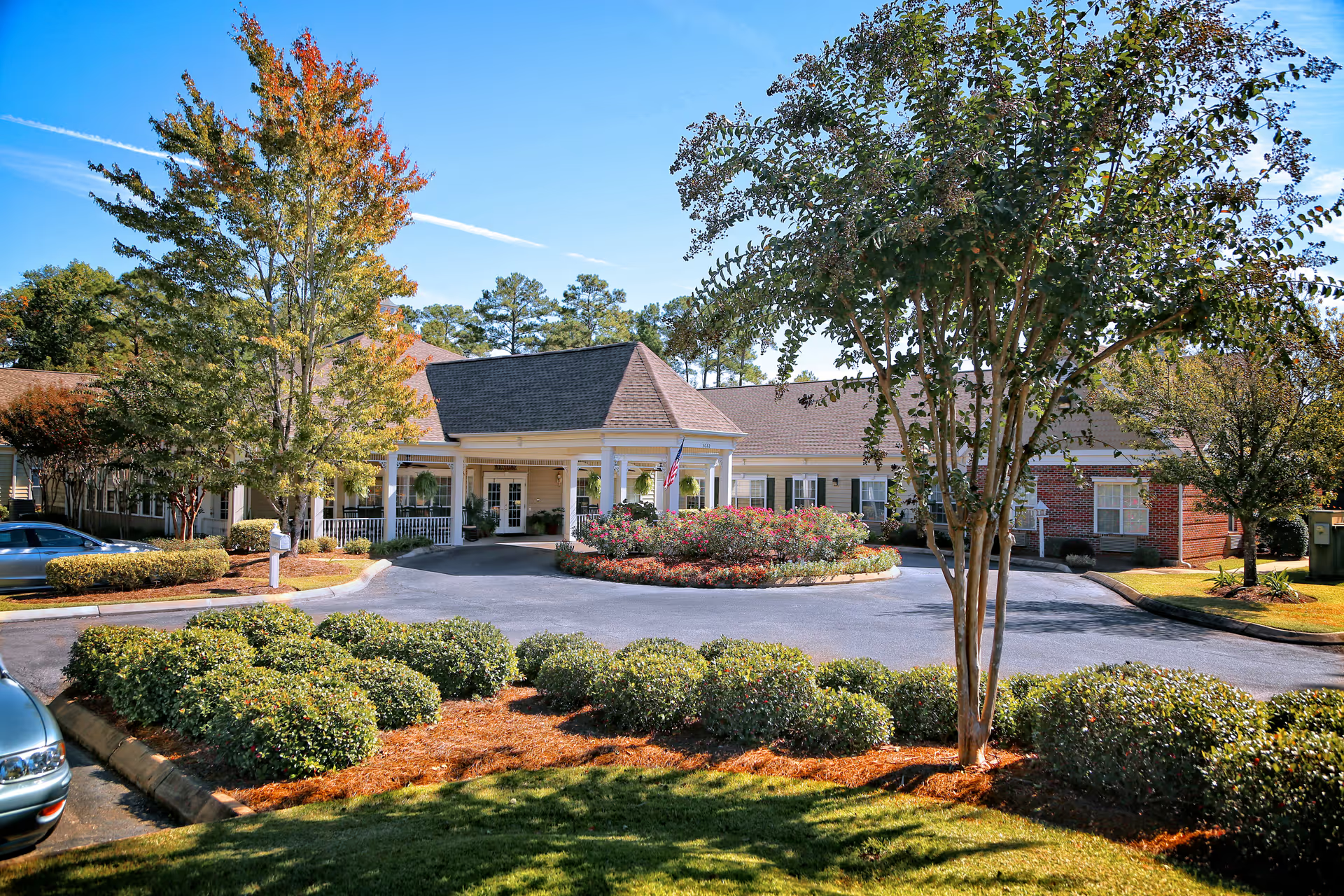
The physical plant is an important differentiator: some areas are described as clean and home-like, but the building is aged and reviewers cited maintenance lapses (cluttered halls, ceiling tiles, and other infrastructure concerns) and occasional pest-control and housekeeping inconsistencies. Safety in the dementia unit was raised as a concern by several families, with observations implying the need for more robust wander-prevention and monitoring practices. Additionally, a subset of reviews raised serious property-related issues, including allegations of theft and mishandling of belongings; these are significant and warrant direct inquiry.
Management and oversight perceptions are mixed. Certain administrators and social workers received positive mention for hands-on involvement and effective family communication, while others were characterized as slow to respond or insufficiently authoritative in addressing clinical or conduct issues. Prospective residents and families may find this facility appropriate for rehabilitation or long-term placement when the strengths—compassionate direct care, active therapy, and memory-support programming—align with their priorities. Before committing, visitors should conduct an in-person tour focused on staffing patterns (weekday versus weekend), dementia-safety measures, medication and therapy scheduling processes, dietary capabilities for chronic conditions, recent maintenance and sanitation records, and the facility's procedures for handling personal property and care-transition communication. Consulting recent inspection/ombudsman records and speaking directly with the care team and administration can help clarify whether Crestwood's operational patterns match a family's needs and expectations.