Overall impression: Reviews for this facility are highly polarized. Several accounts describe strong rehabilitation services, helpful therapists and successful discharge outcomes, alongside numerous accounts of operational weaknesses that families found significant. The pattern suggests that clinical and experiential quality varies substantially depending on unit, shift, or individual staff on duty.
Care quality and clinical practices: Rehabilitation and therapy services receive consistent positive mention for effectiveness and professional conduct; many families credited therapy staff with meaningful functional improvement. At the same time, there are repeated concerns about clinical consistency in long-term and skilled nursing care: medication timing and refill lapses, inconsistent adherence to physician orders, intermittent wound-care gaps, and variable pain-management practices. There are also documented delays in responding to resident needs and in incident escalation, which families felt increased risk during acute events.
Staffing and staff conduct: Numerous reviews indicate compassionate, attentive nurses and aides who provided supportive interactions and practical help (including arranging visits and appointments). However, the facility appears to struggle with staffing levels and workforce stability. Understaffing is frequently cited as a root cause of delayed assistance, infrequent checks, phone-answering problems, and uneven care quality. Families also described inconsistent communication tone and, in some cases, aggressive or coercive admission/discharge interactions; there are isolated allegations of threatening communication that point to gaps in family communication practices.
Dining, activities, and engagement: Comments about dining are mixed, with some describing mediocre meals. A recurrent theme is limited activity programming and engagement for residents; families noted infrequent showers and few organized activities in some cases. Outdoor time and individual staff-led engagement were noted positively when arranged, but scheduled activity offerings appear insufficient for some residents' expectations.
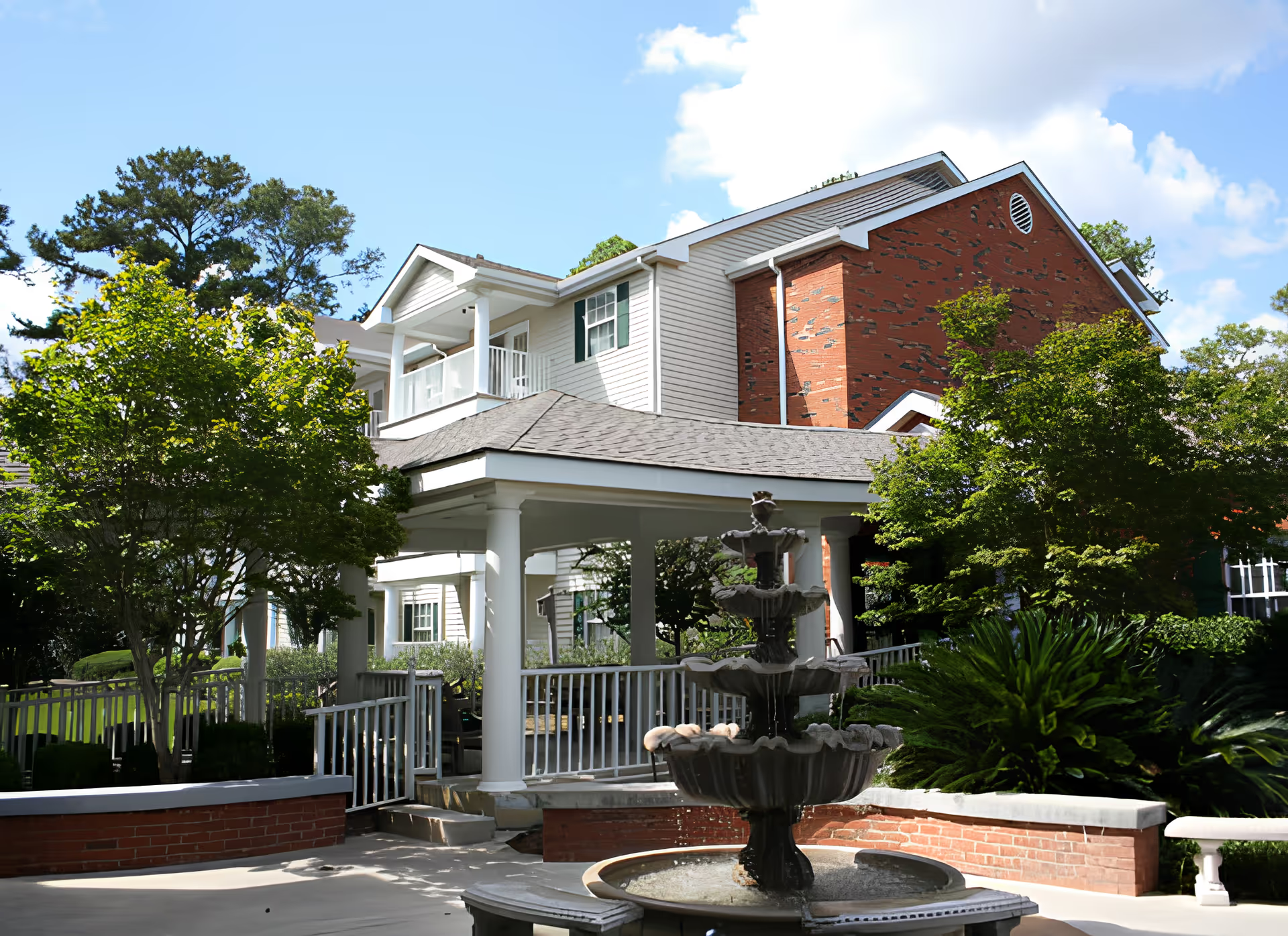
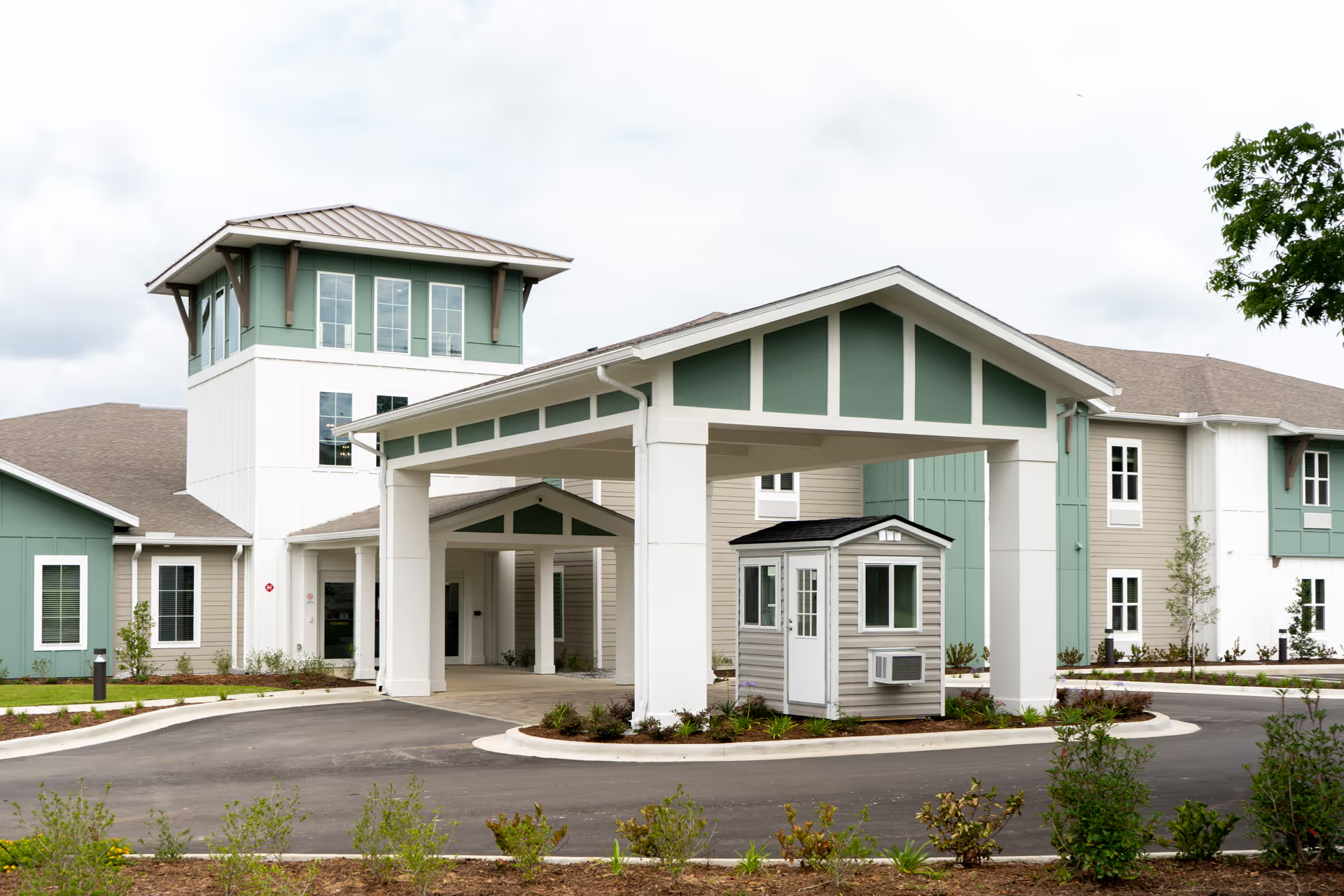
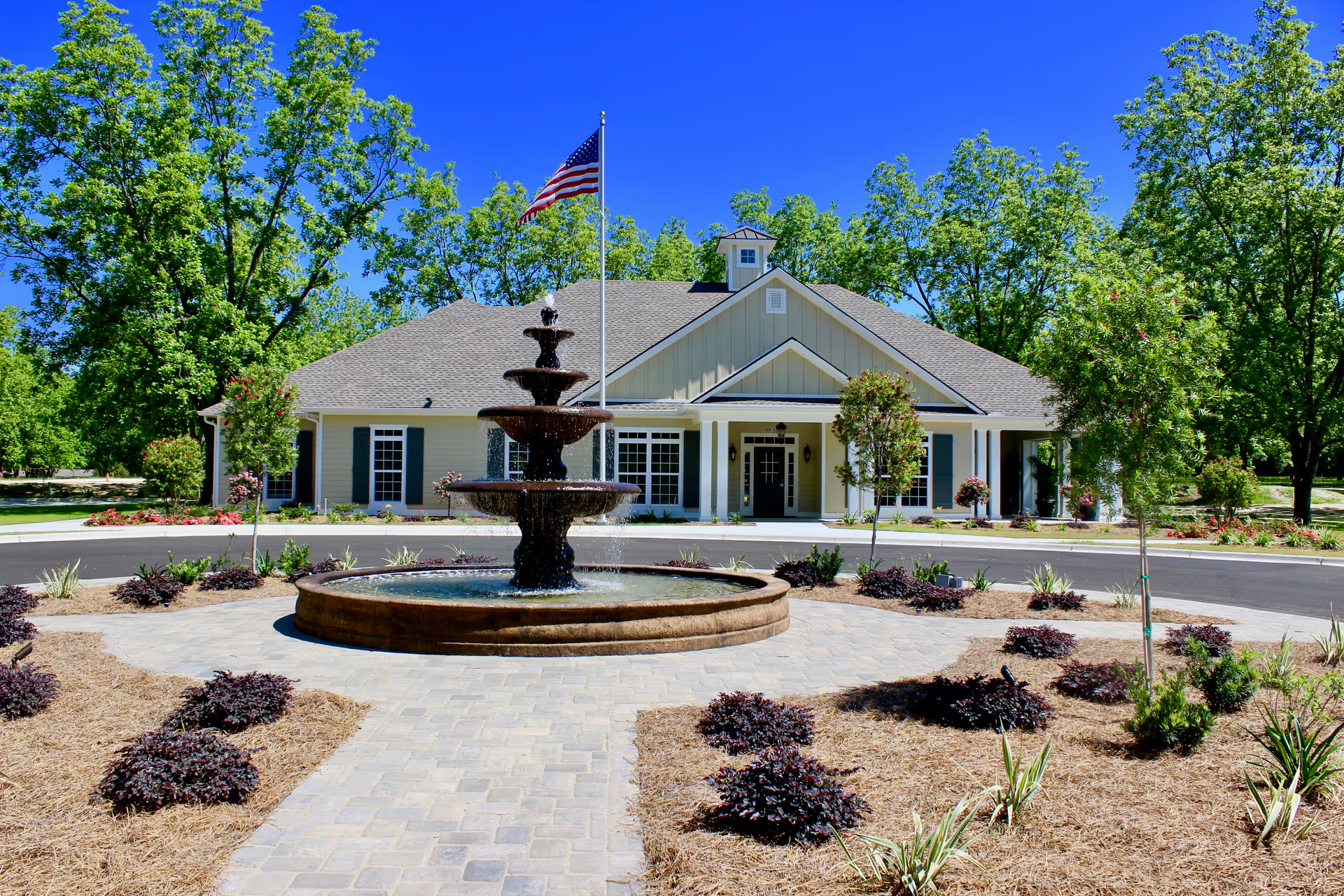
Facilities, sanitation, and maintenance: Reviewers gave divergent accounts of cleanliness. Positive comments describe tidy, welcoming common areas, but numerous reviews raise sanitation and odor concerns in rooms and shared spaces, alongside pest-control worries. Maintenance issues were also noted, including broken equipment and furniture, suggesting uneven upkeep. Restricted access policies (locked doors) and variable visitation arrangements were a concern for families seeking consistent contact.
Management, communication, and patterns to watch: Families reported mixed experiences with management responsiveness. Positive interactions included staff who facilitated virtual visits, helped set up technology, and coordinated care transitions. Negative patterns include poor phone access, inconsistent family updates, and difficulty obtaining or enforcing physician-directed orders. There are also mentions of infection-control communication gaps during COVID periods and suggestions that staffing pressures contribute to many operational failures.
Guidance for prospective families: Consider in-person assessment and targeted questions about staffing ratios, medication-management protocols, wound-care processes, emergency response and escalation procedures, infection-control policies, visitation rules, and resident cohorting. Ask to meet unit leadership, review recent regulatory findings if available, and request examples of staffing plans for evenings and weekends. The facility demonstrates strong rehabilitation capacity and many dedicated caregivers, but families should verify clinical safeguards and operational consistency when evaluating placement.