Overall impression: Reviews describe a facility where clinical care and therapy are consistently viewed as strong, while the physical environment and some operational aspects raise concerns. Families and residents frequently praise individual caregivers, nursing teams, and therapists for compassion, encouragement and measurable rehabilitation progress. At the same time, the building’s age and visible maintenance needs contribute to frustration about value and long-term livability.
Care and staff: A dominant theme is high-quality personal care. Multiple accounts emphasize attentive CNAs and nurses who provide regular checks, sit with residents, and support emotional as well as clinical needs. Physical and occupational therapy are repeatedly credited with successful outcomes — reviewers cite regained mobility and productive care-plan meetings. Individual staff members and teams are often named and described as going beyond routine duties, indicating strong interpersonal relationships between caregivers and families.
Dining and activities: Meal service and activity programming receive largely positive comments. Reviewers report that meals are acceptable even to selective eaters and that staff accommodate food requests. The facility organizes seasonal decorations and events that contribute to an uplifting, home-like atmosphere for many residents. These programmatic elements appear to support resident engagement and morale.
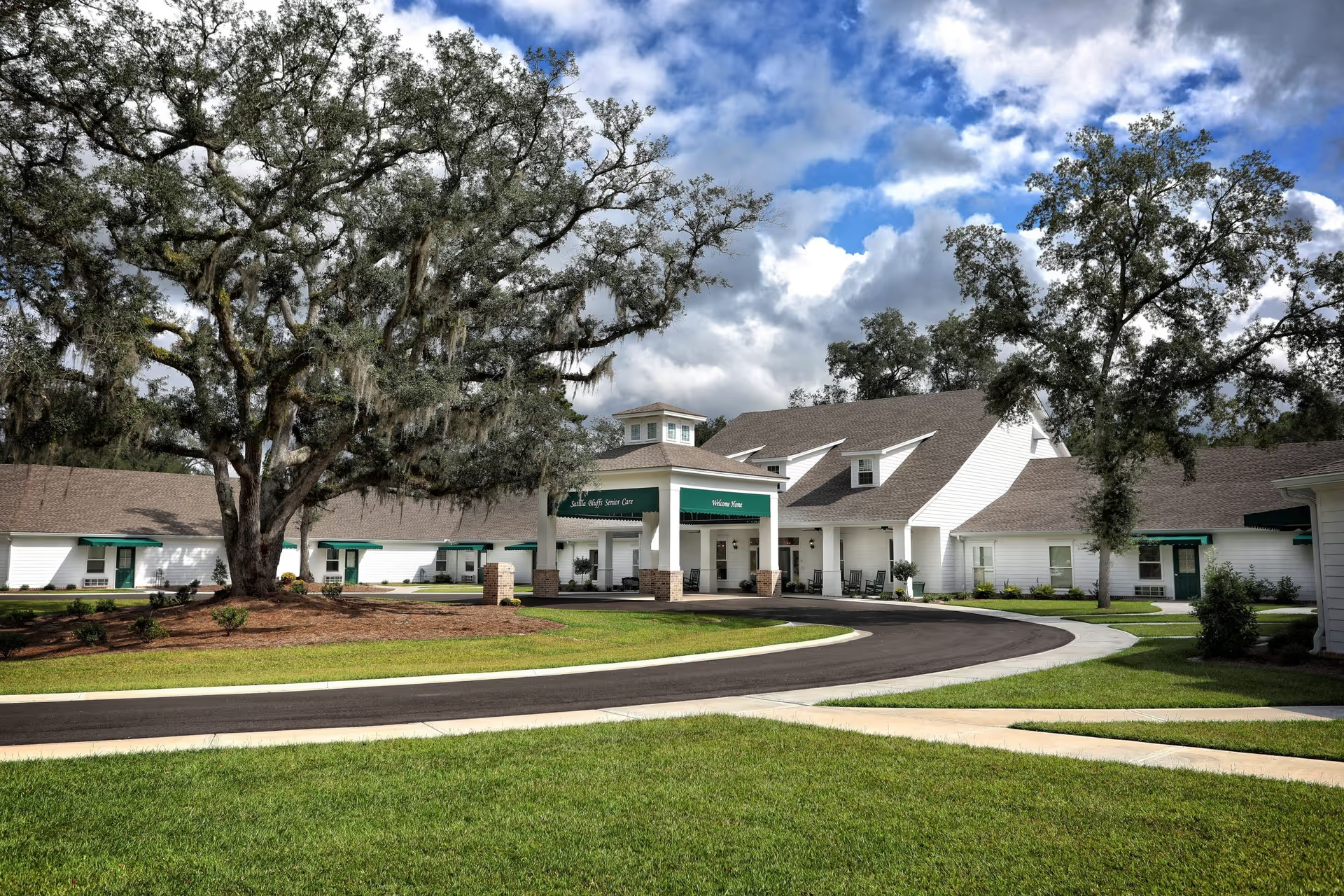
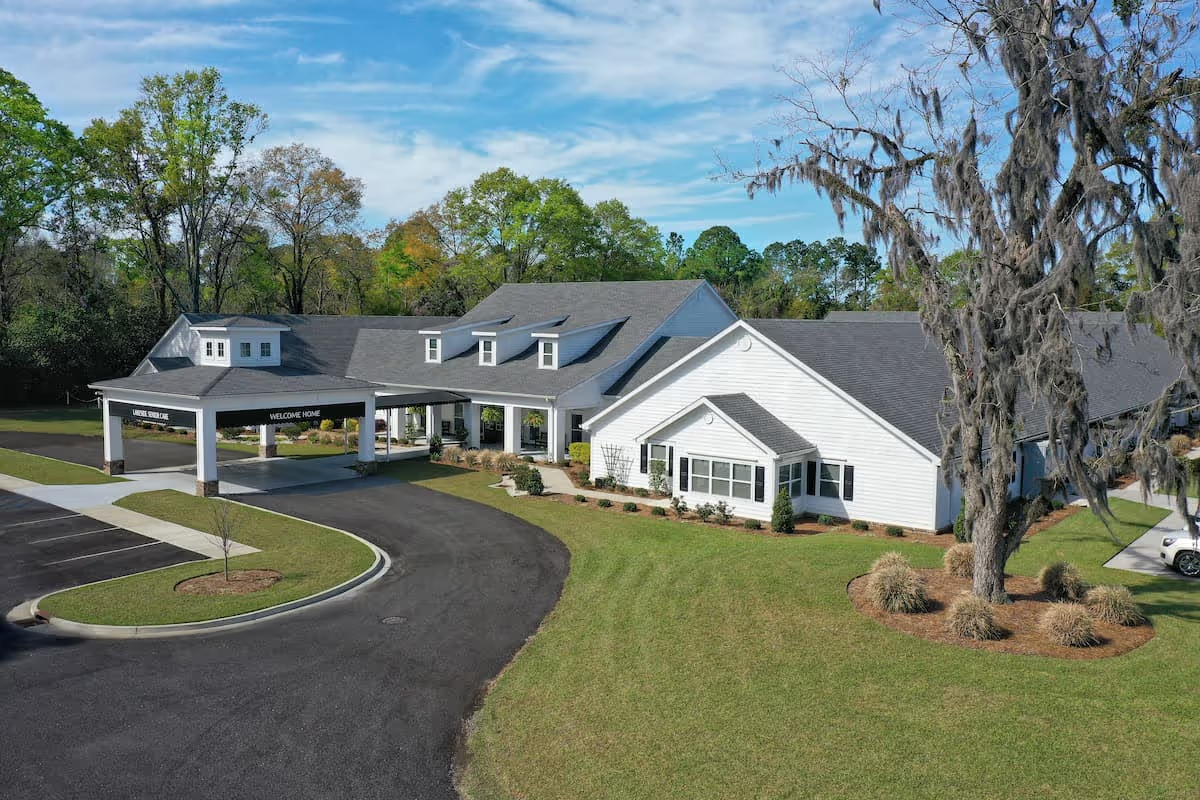
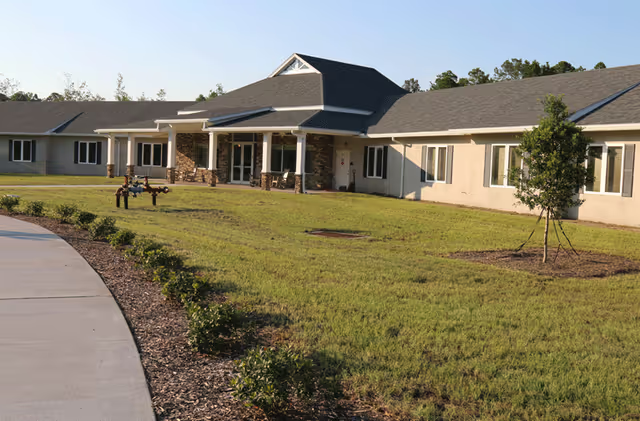
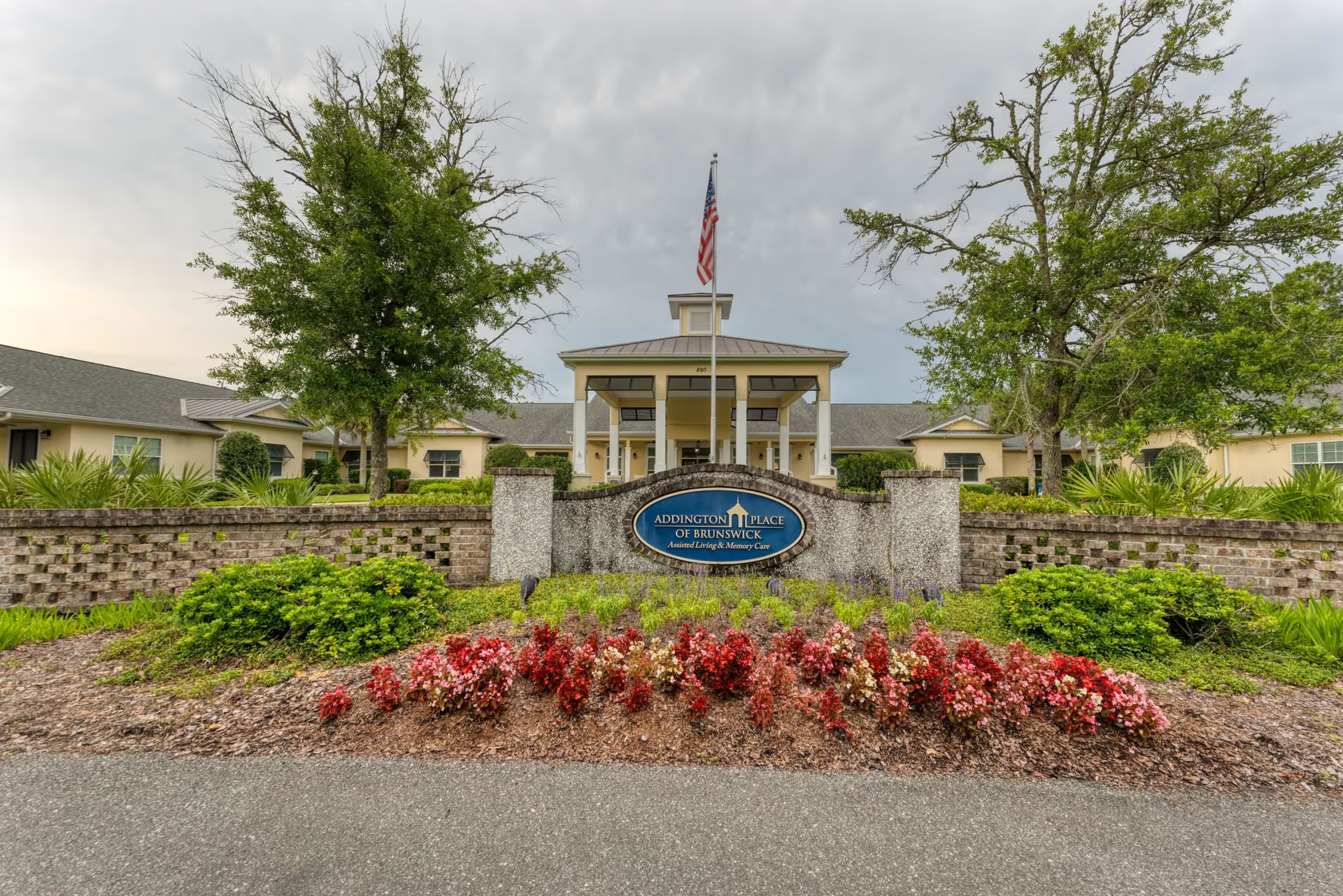
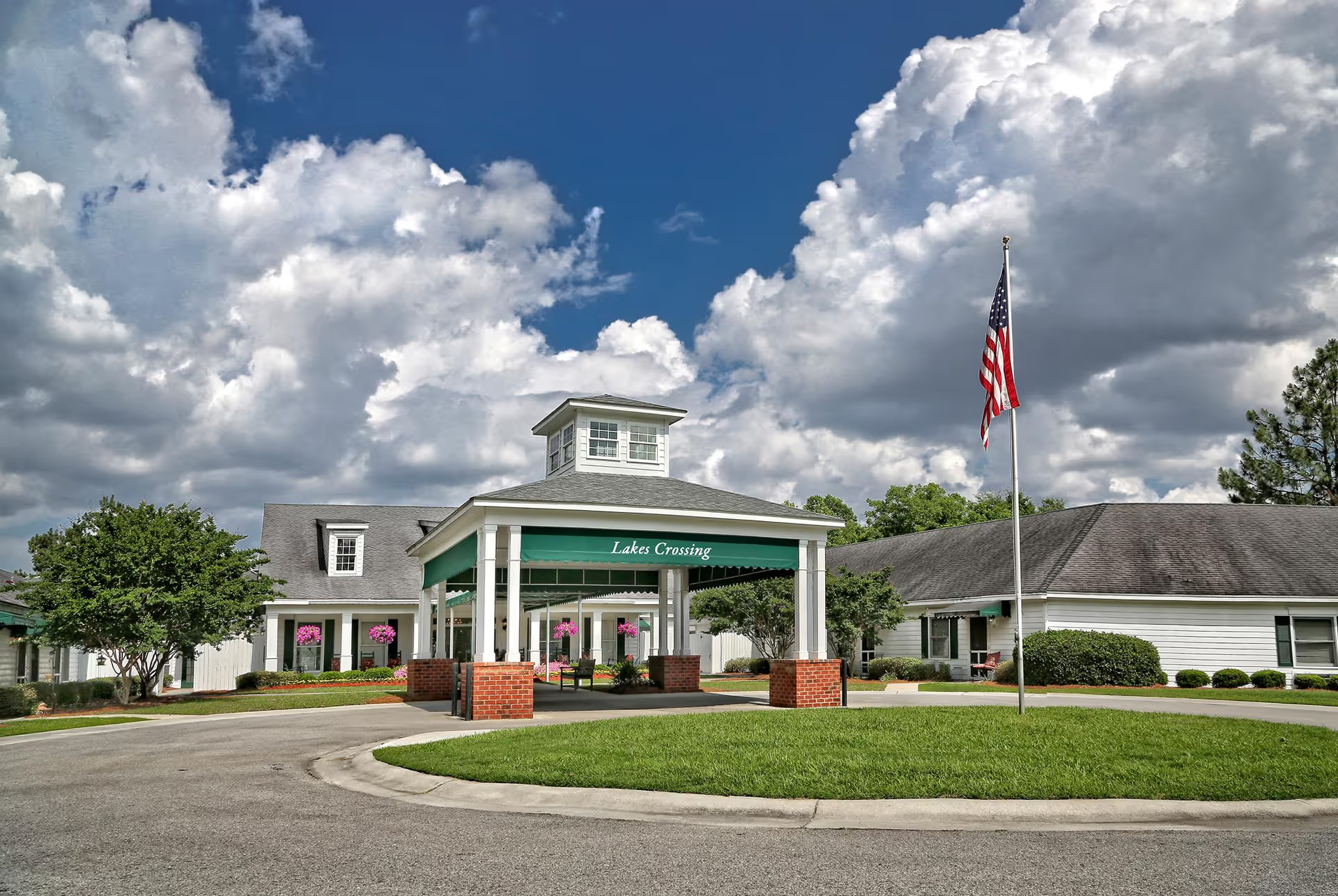
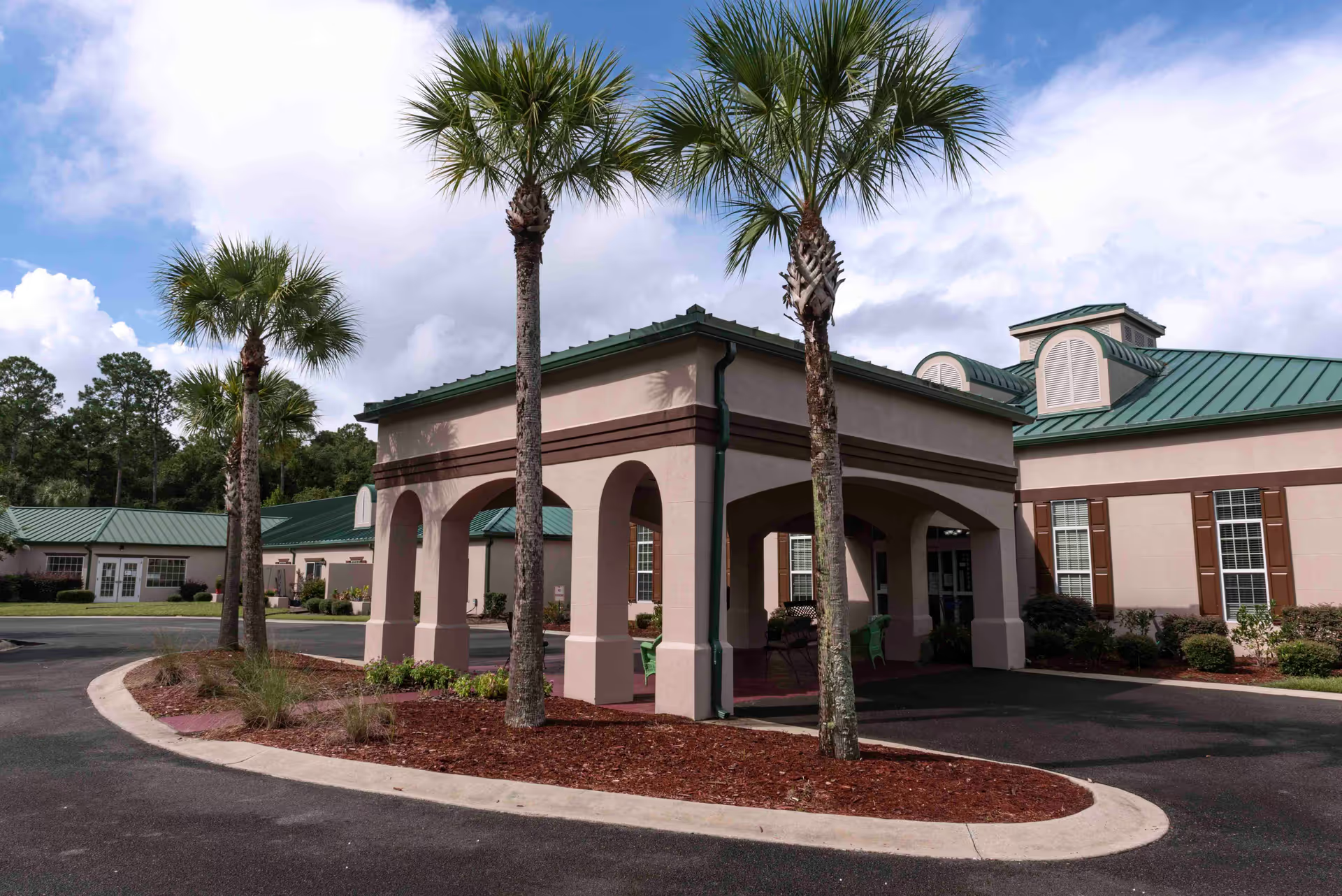
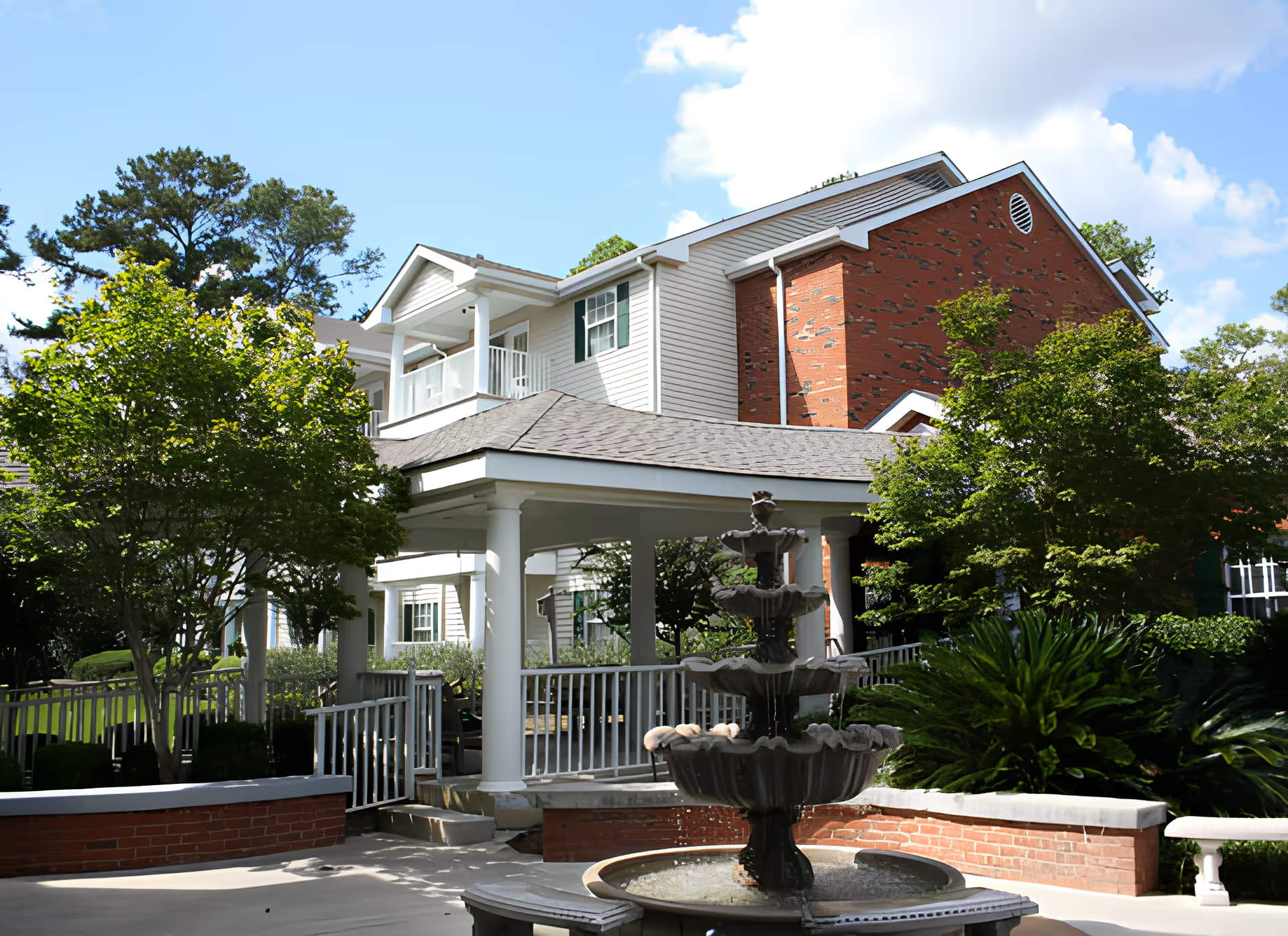
Facilities and maintenance: The building’s age is a recurring operational concern. The facility dates from the 1960s and multiple comments call out dated resident rooms, small double-occupancy spaces, rusted or worn bathroom fixtures, and a roof requiring repair. While some common areas and the reception space have been refreshed, the condition of many resident rooms and certain infrastructure items led families to recommend substantial renovation or replacement. Several reviewers also raised sanitation and cleanliness concerns in unspecified areas, which contrasts with other comments praising interior cleanliness and suggests uneven environmental standards across the campus.
Management and operations: Admissions and office staff receive positive remarks for communication and reassurance during transitions. However, there are also expressions of frustration about management or ownership responsiveness and perceived misalignment between pricing and the facility’s physical condition. Service consistency is another pattern: while many describe exemplary, reliable staff performance, others report variability in responsiveness and overall service quality, indicating operational inconsistency rather than uniform care deficits.
Notable patterns and considerations: Prospective residents and families are likely to find strong, person-centered nursing and rehabilitation services at this facility, with many staff members demonstrating dedication and effective therapeutic outcomes. Those same decision-makers should weigh the trade-offs related to the facility’s physical condition, room sizes, and potential sanitation variability. If environment and modernized accommodations are priorities, families may want to seek detailed tours of resident rooms and ask management about planned capital improvements, cleaning protocols, and staffing consistency. Conversely, if rehabilitation success and individualized caregiver attention are the highest priorities, the facility’s clinical teams and activity programming may meet those needs despite the older physical plant.