Maunalani Nursing & Rehab Center consistently receives strong praise for its clinical staff, therapy teams, and overall environment. Reviewers repeatedly highlight compassionate, skilled nurses and CNAs who build rapport with residents and families; many comments single out individual caregivers for their attentiveness and professionalism. The therapy program (physical, occupational and speech) is frequently described as effective and proactive, with measurable progress noted in mobility, swallowing and cognitive recall for many residents. Families commonly cite thorough admissions processes and individualized care plans that ease transitions from hospital to facility.
Dining and activities are prominent strengths in the feedback. The kitchen and dining teams are praised for varied, tasty menus and accommodating special diets; on‑site dining spaces are used for family visits. Activities are broad and engaging — reviewers mention live musicians, singers, dancing, games, cooking demonstrations, animals and group outings — and staff effort to include residents socially and culturally is noted as contributing to improved mood and participation.
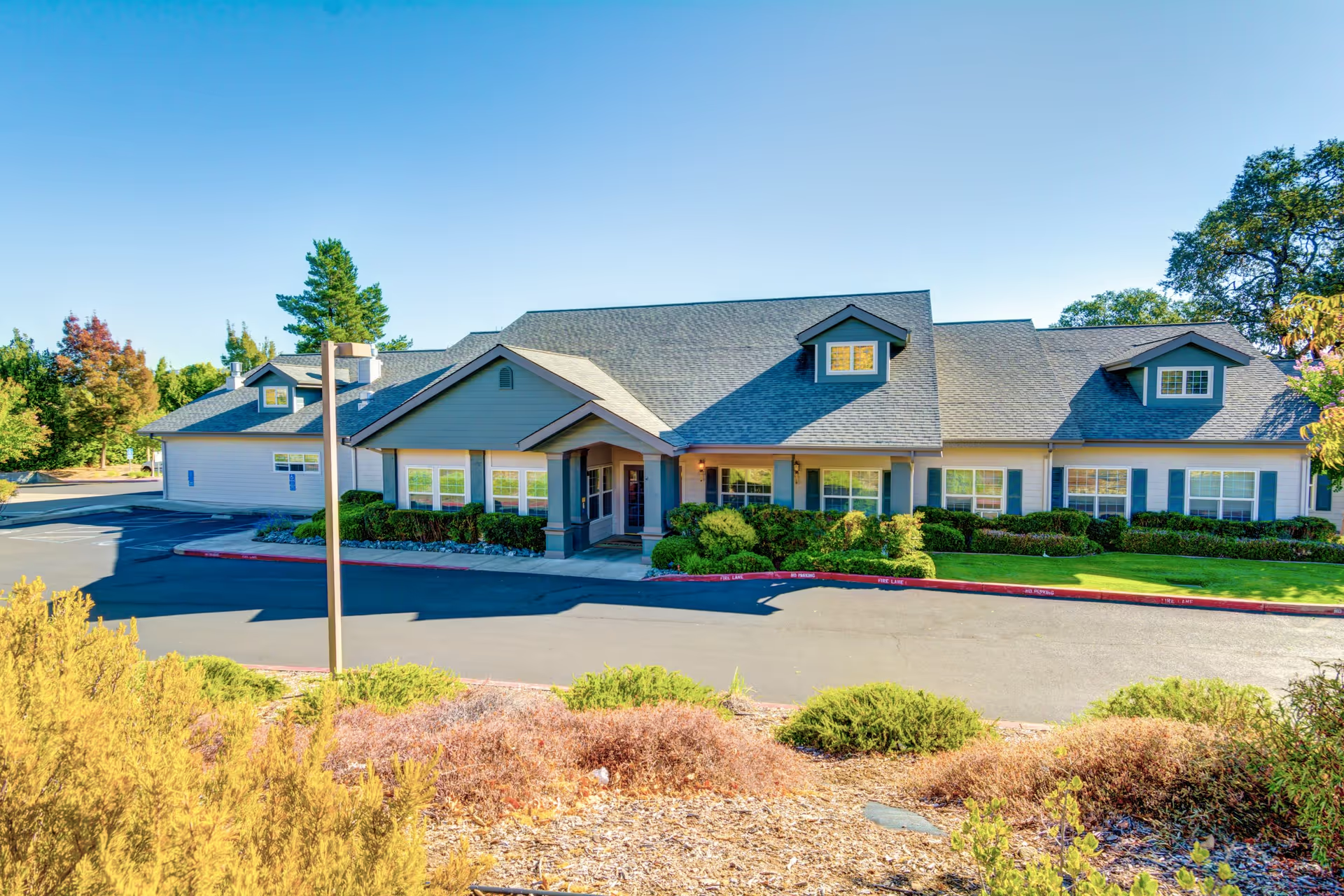
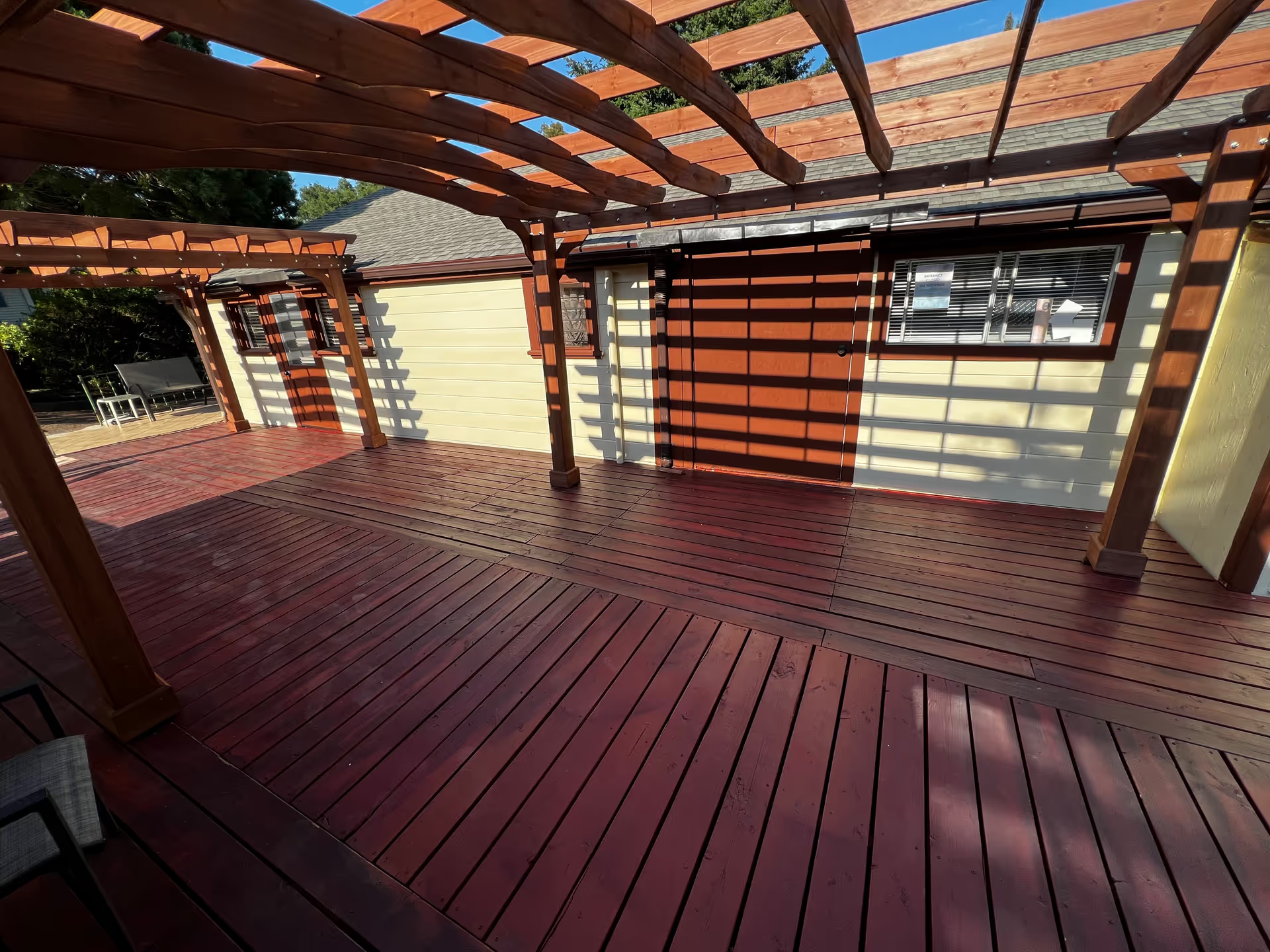
The physical plant and amenities receive consistent positive mention. The facility is described as clean, well maintained and hotel‑like, with spacious rooms, attractive common areas and multiple lanais offering extensive scenic views. Families appreciate the availability of on‑site services such as a hair salon, and many reviewers emphasize a warm, family‑like atmosphere and effective COVID‑19 protocols.
Operational and management patterns emerge as mixed. While many families express confidence in clinical care, several reviews raise concerns about medication practices — including documentation, substitutions, consent processes and billing transparency — that suggest the facility would benefit from stronger medication‑management controls and clearer family communication. Therapy availability is generally strong but some families experienced scheduling cancellations or felt therapy intensity did not match expectations; this indicates variability in rehabilitation delivery for certain cases.
Other operational themes include administrative burden and service consistency. Staff describe extensive charting requirements that can reduce time available for direct resident care, and reviewers noted occasional lapses such as meal delivery mix‑ups, delayed assistance with toileting or personal care, housekeeping oversights, and maintenance issues that have temporarily closed some common areas. There are also occasional policy‑adherence inconsistencies (for example, around fragrance policy enforcement) and site limitations such as a steep access road and constrained parking at peak times.
Taken together, the pattern of reviews portrays Maunalani as a well‑appointed, staff‑driven facility with strong clinical and social programming and an environment that many families find comforting. Prospective residents and families should weigh these strengths against operational considerations — particularly medication management, therapy follow‑through for higher‑intensity rehab goals, and occasional service or maintenance inconsistencies — and seek direct clarification from facility leadership about medication consent/billing practices, therapy schedules, documentation procedures, and any planned maintenance or facility improvements before admission.