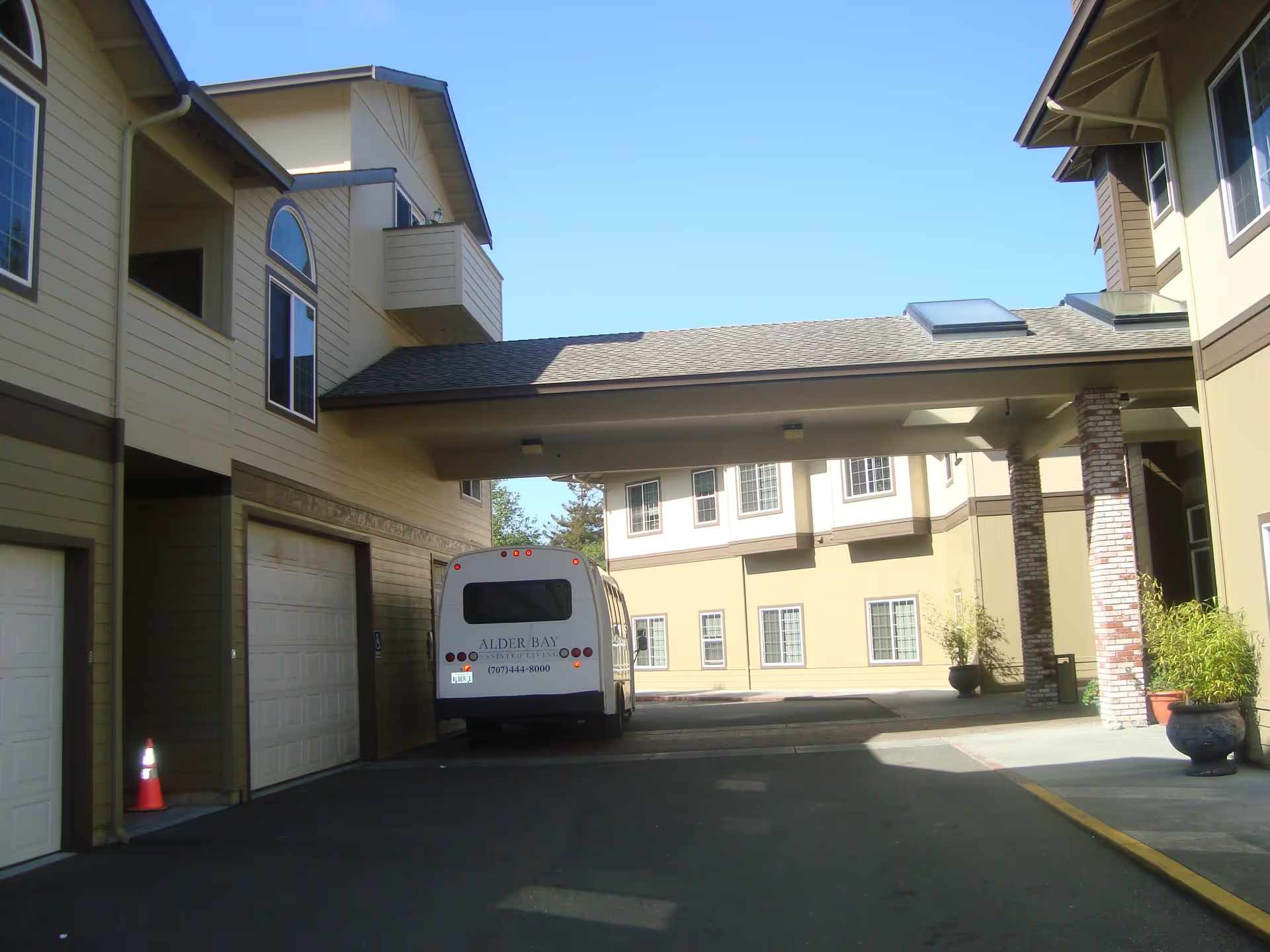
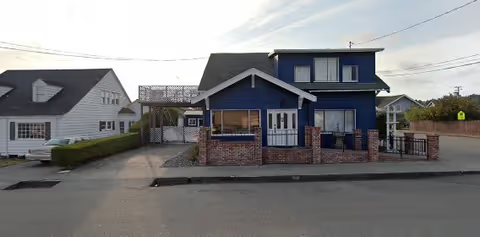
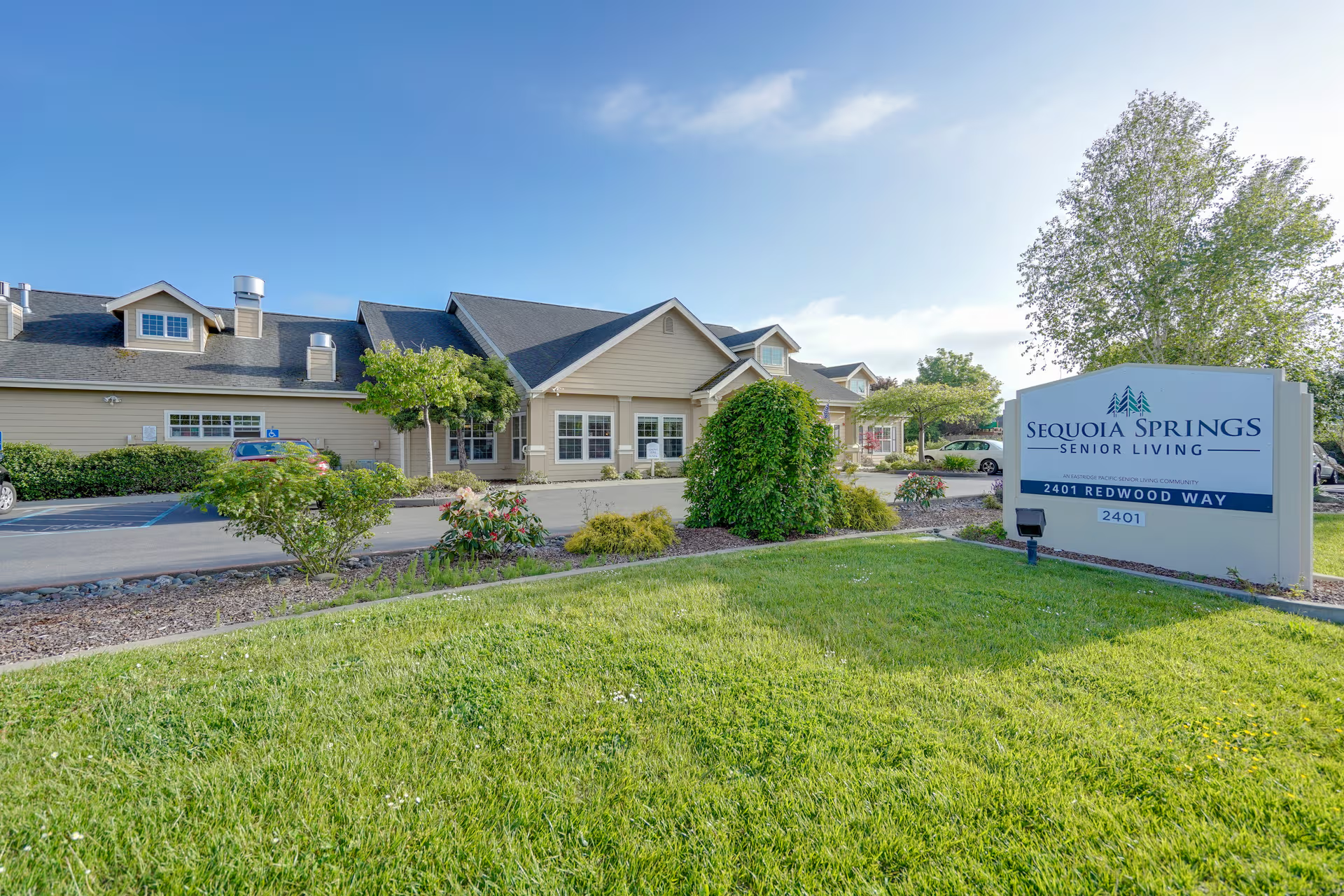
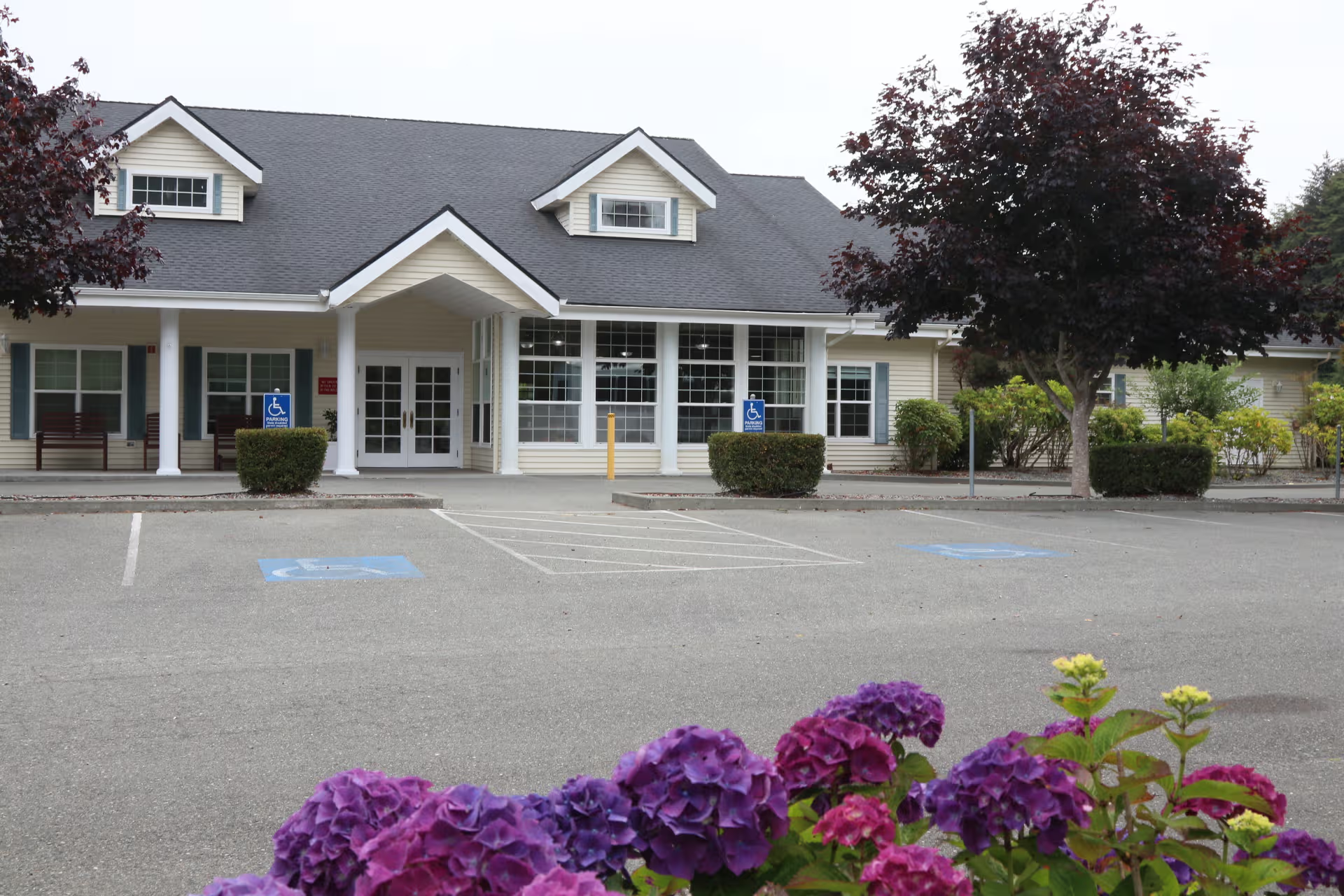
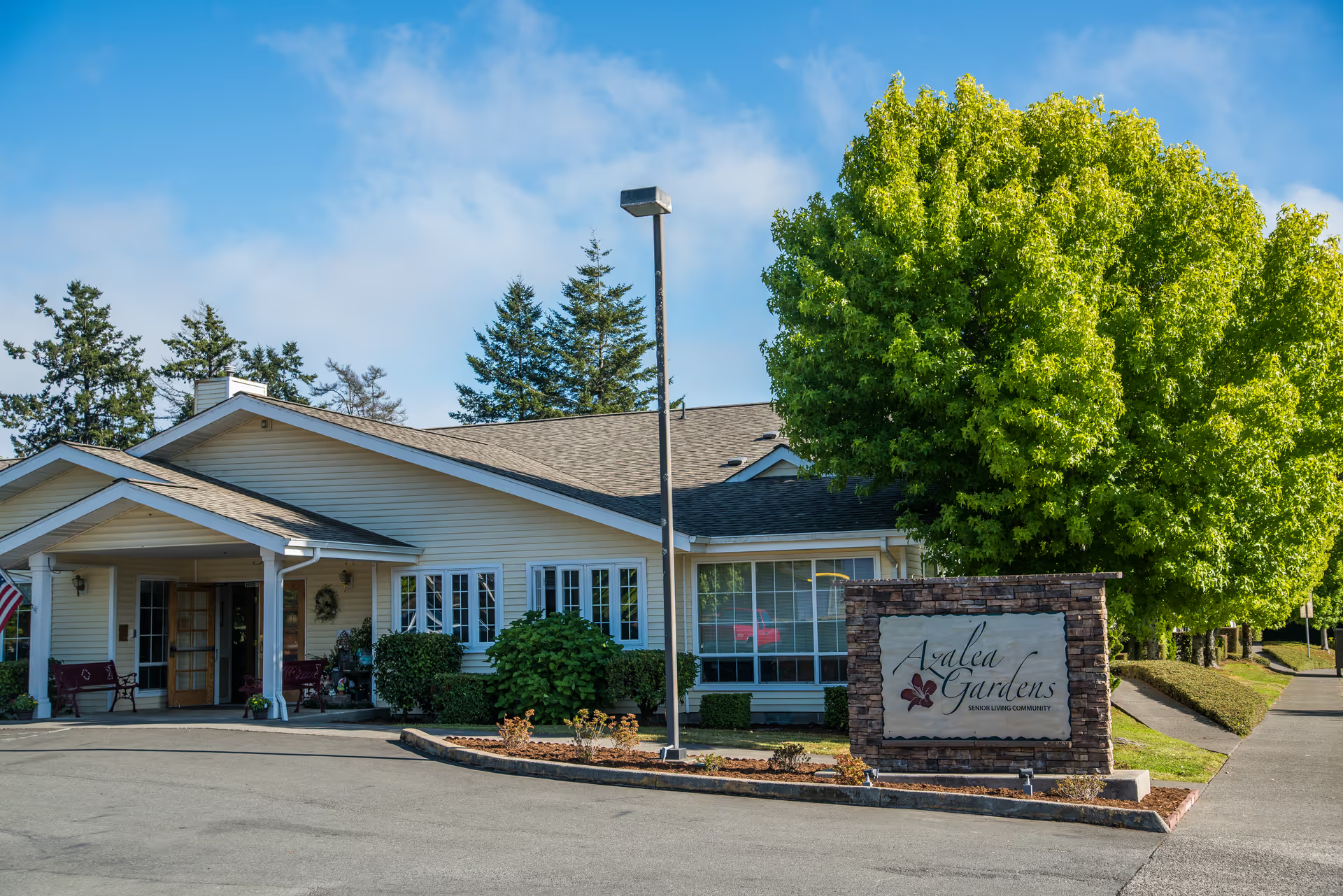
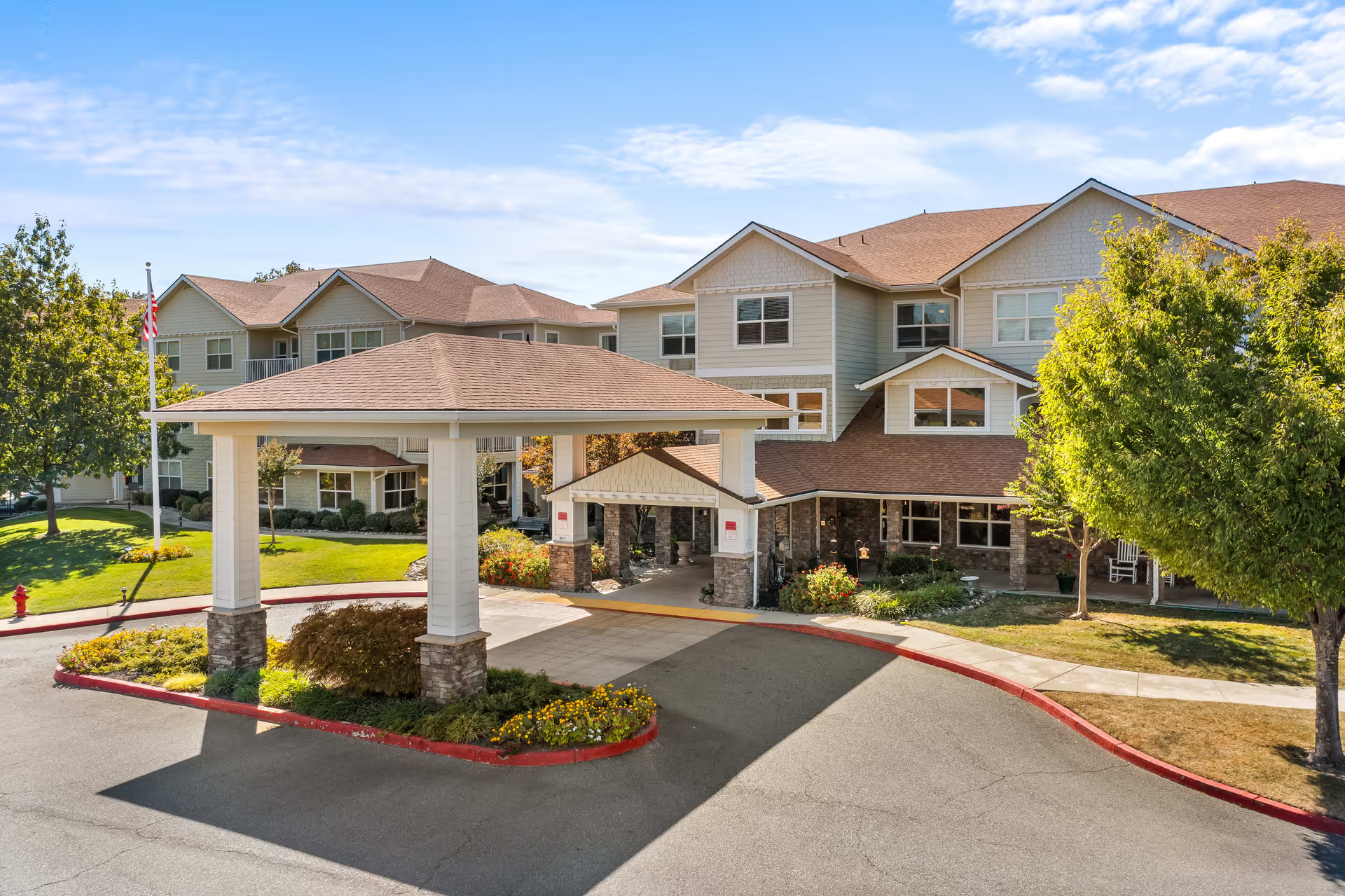
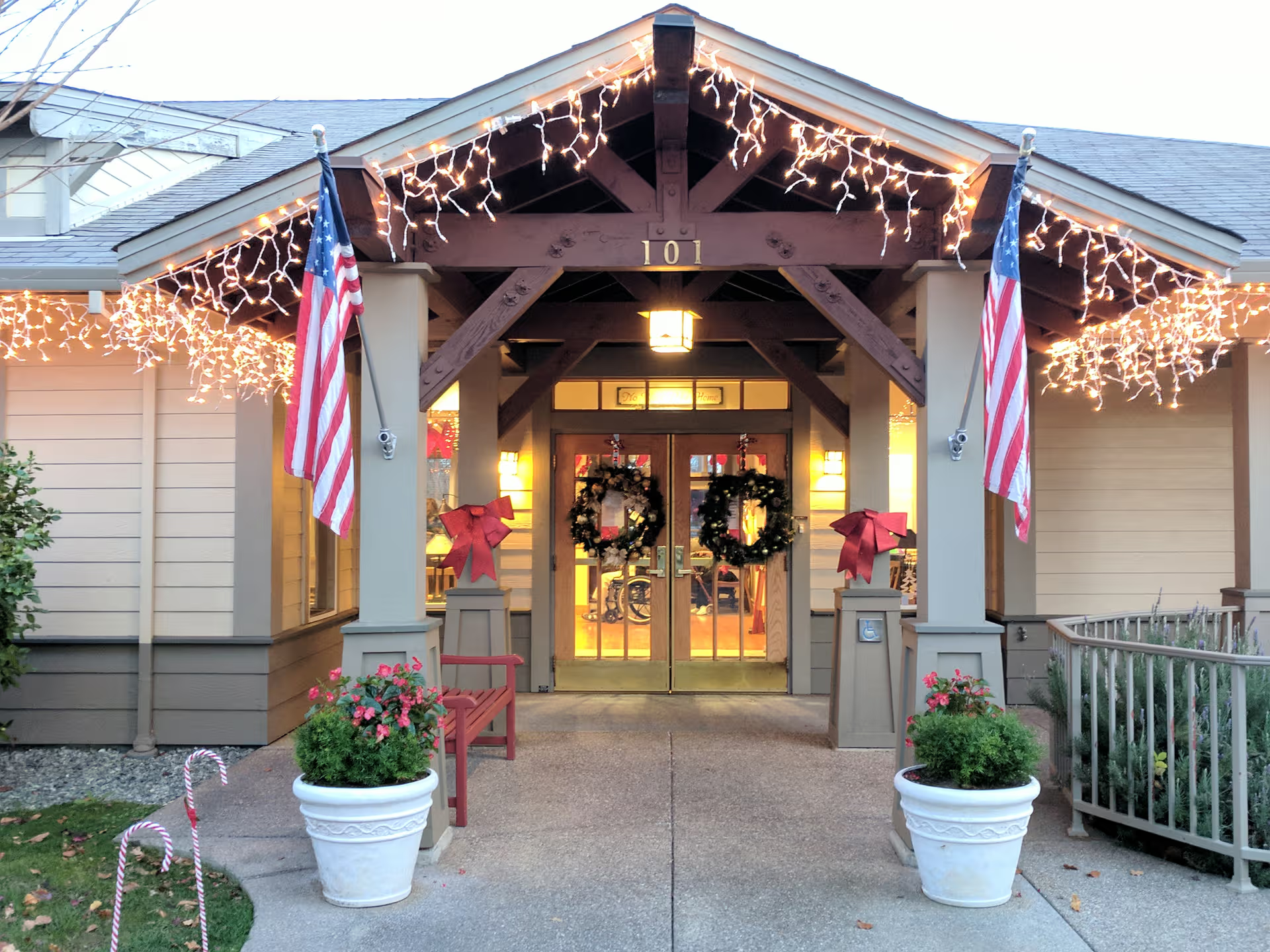
Overall impression: The facility is consistently described as a small, home-like assisted living with a warm, family-oriented atmosphere. Reviewers emphasize a clean, comfortable environment that leans away from an institutional feel; common areas and resident rooms are characterized as homey and well-maintained. The facility’s scale appears to be a core strength for families seeking personalized attention and a close-knit setting.
Care and staff: Staff receive widespread praise for friendliness, kindness, knowledge, and responsiveness. Families highlight attentive caregiving, respectful resident interactions, and a patient approach to dementia and transitional care. The administrator and leadership are mentioned positively in a number of accounts. At the same time, there are indications of variability: while many families express gratitude and describe excellent care, at least one account describes a markedly negative overall experience. This pattern suggests generally strong staff performance with occasional inconsistencies in care delivery or family communication that prospective families should clarify during their tour.
Activities and dining: The activity program is noted for offering a variety of low-intensity, social options such as music, coloring, and scheduled calendar events that contribute to a comfortable daily rhythm. However, there are instances where individual residents did not participate in activities, indicating uneven engagement across the resident population. The dining area and meal service earn positive comments for presentation and a periodically changing menu, indicating attention to mealtime experience.
Facilities and management: Physical accommodations are described as comfortable and personable—spacious double-occupancy rooms with private bathrooms, living areas with TVs, and an inviting dining room. The small, residential scale supports individualized attention but also implies limits: specialized clinical services, therapy programs, or broader activity offerings may be less available than in larger communities. Management is generally viewed favorably, though prospective residents and families should discuss staffing patterns, activity participation expectations, and any clinical needs during the decision process to ensure alignment with individual care requirements.
Notable patterns and guidance: The dominant themes are compassionate staff, a homelike setting, and clean, comfortable facilities. The primary operational caveats are variability in family satisfaction and limits associated with a small-scale operation. Prospective residents or family members who prioritize a family atmosphere and personalized attention are likely to find strengths here; those requiring extensive specialized clinical services or consistently high levels of engagement should verify those capabilities directly with leadership before committing.