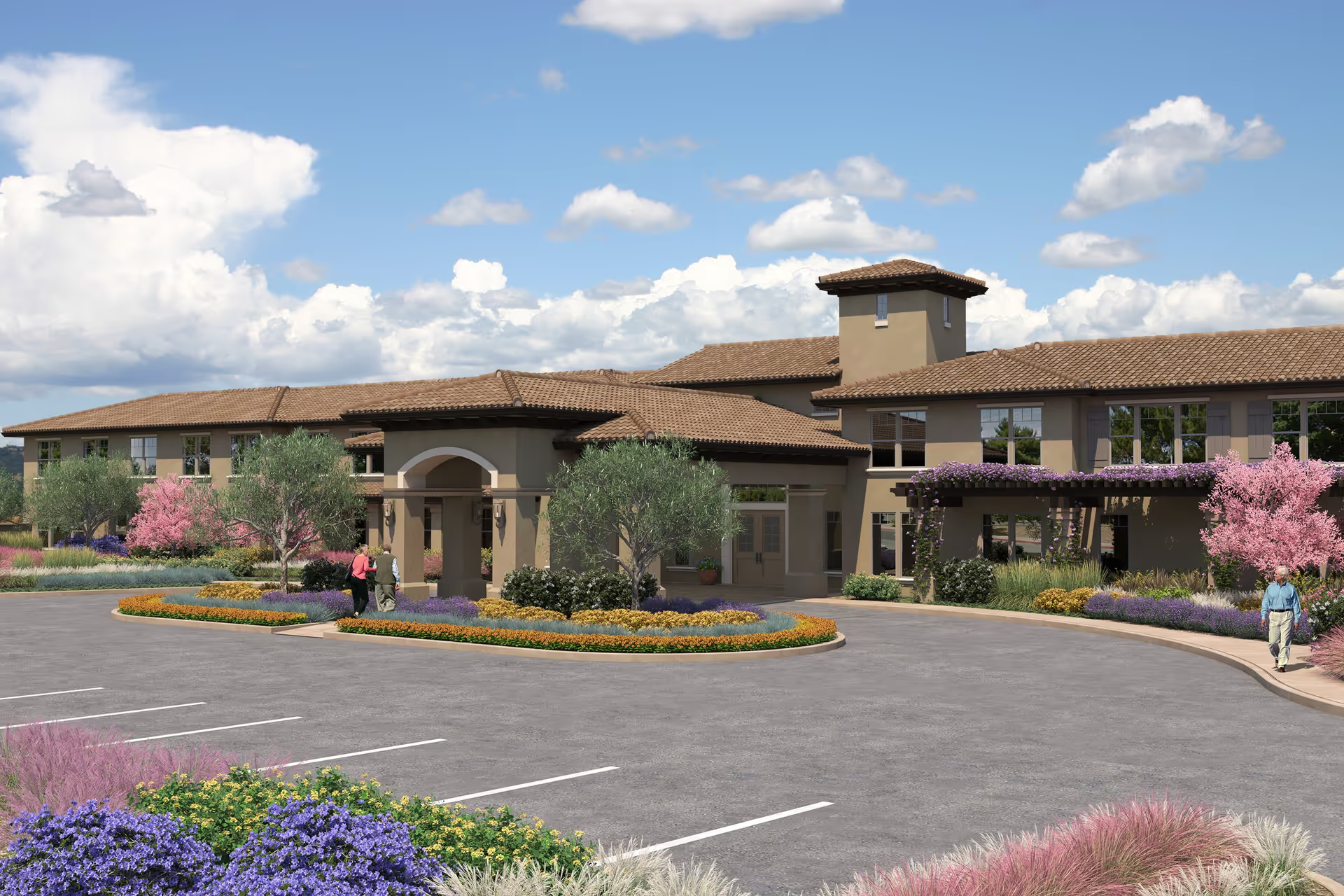
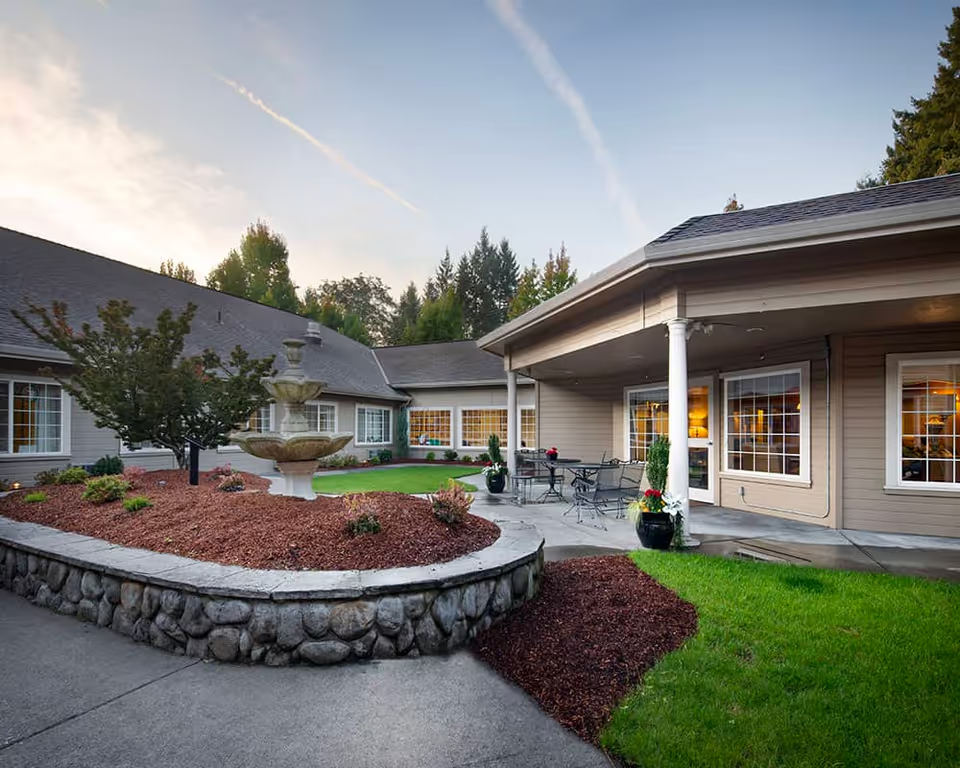
Oakdale Heights presents as a generally warm, family‑oriented assisted living community with consistent strengths in caregiving, cleanliness, and resident engagement. Reviewers emphasize compassionate, attentive staff and long‑tenured clinical personnel, with 24‑hour nursing and on‑call medical support cited as reassurance for families. The culture is frequently described as home‑like and social; many residents are portrayed as happy and well integrated into community life.
Dining and programming are clear selling points. The community operates restaurant‑style dining with on‑site chefs and can accommodate dietary needs such as gluten‑free options. However, there is variability in perceptions of meal quality and menu variety; some reviewers praise the food as excellent while others describe it as merely passable and would like additional vegetable and healthy‑choice options. Activities are abundant and diverse — fitness classes, creative workshops, bingo, Bible study, cinema outings, wine & cheese events, woodworking, and regular scenic drives — supported by scheduled transportation for appointments and excursions.
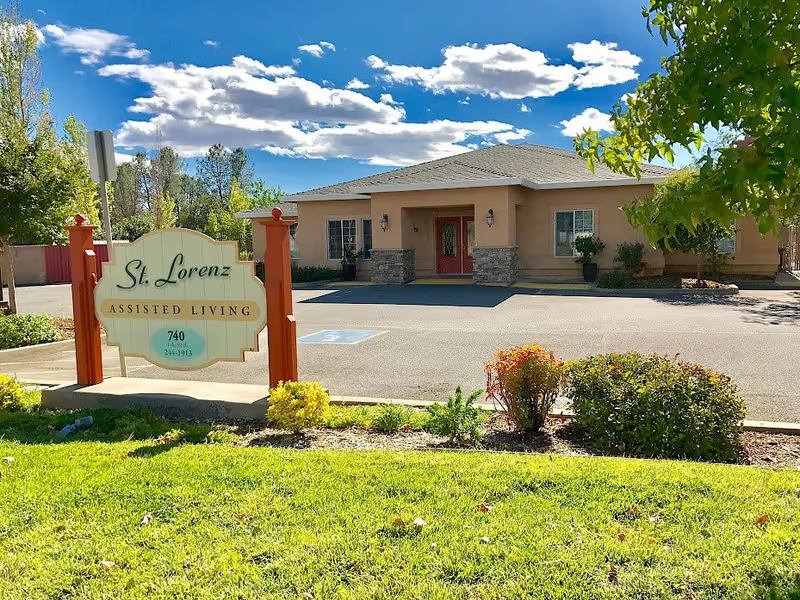
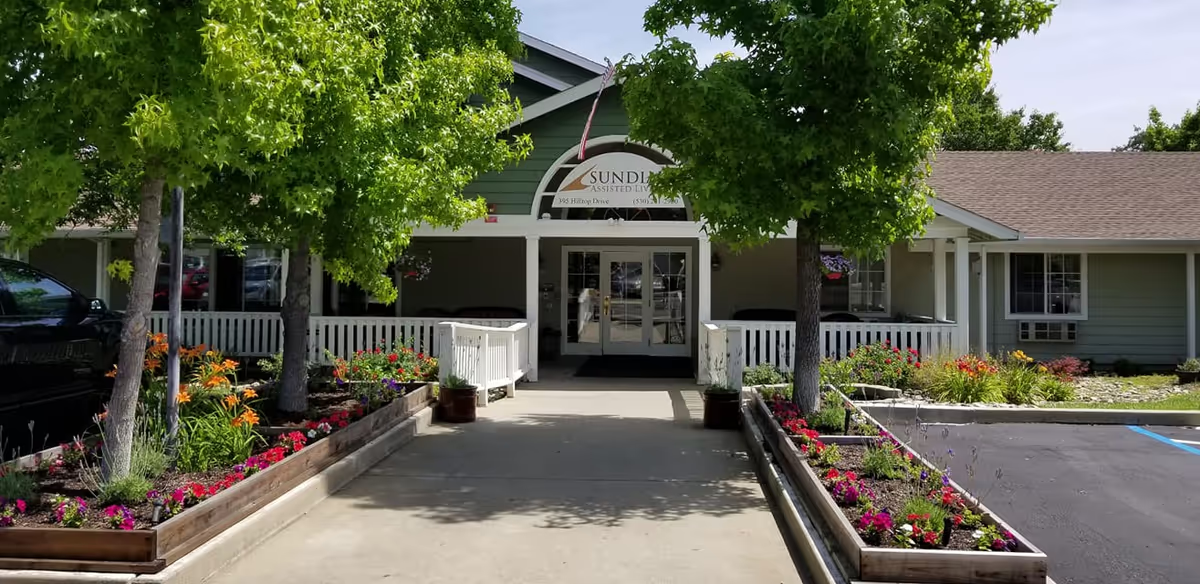
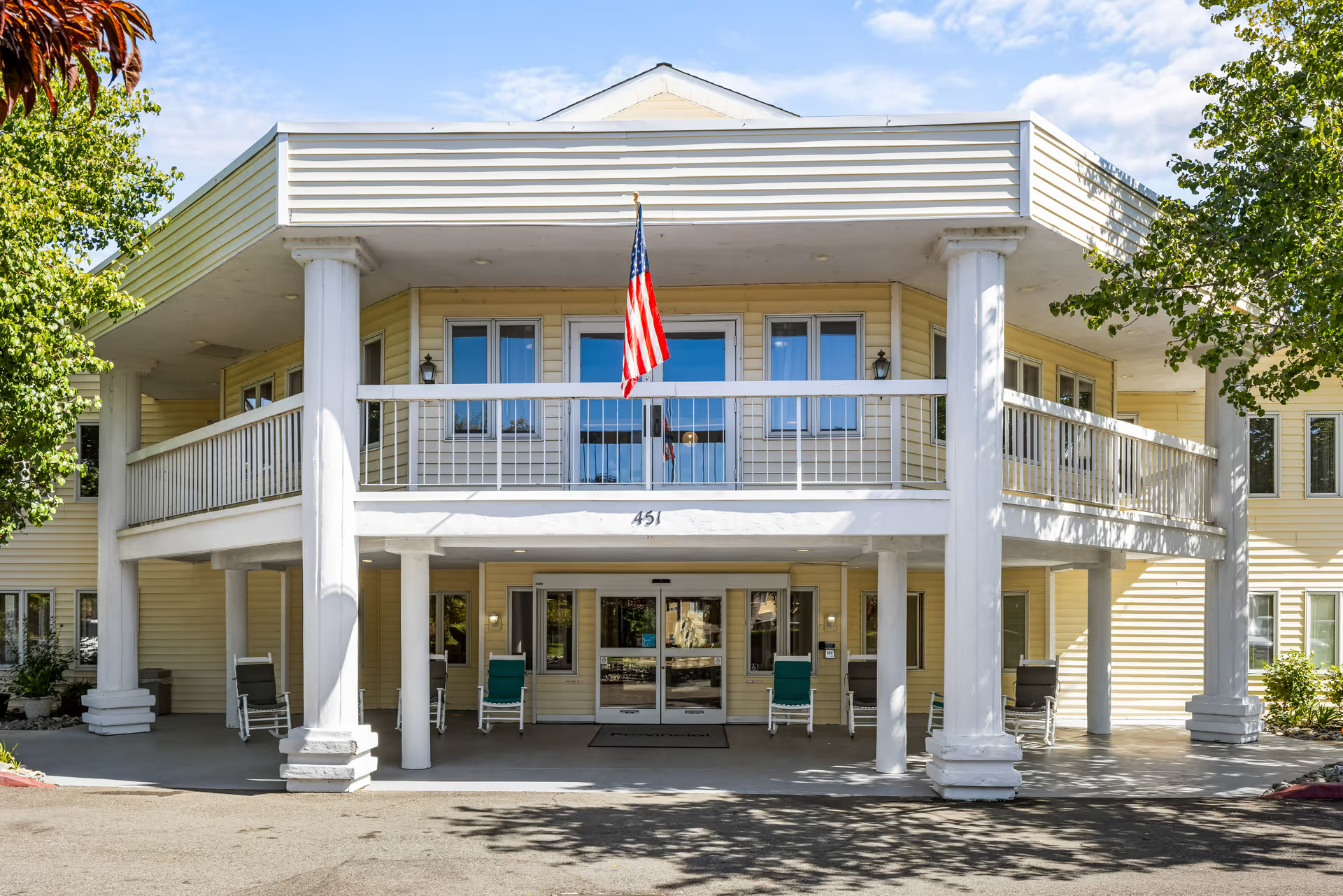
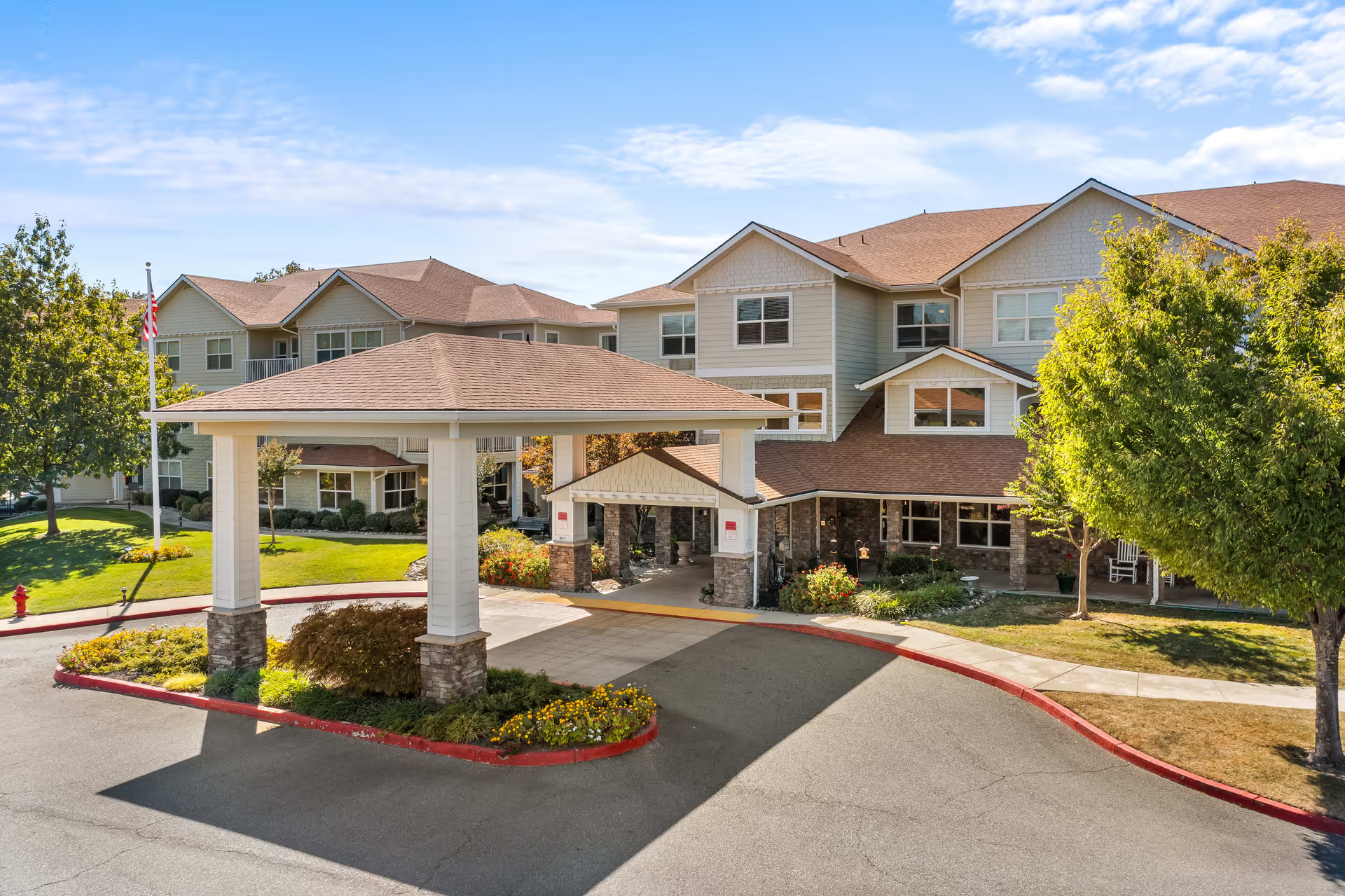
Facility attributes balance modernized living with an older building footprint. Apartments are described as spacious, often with kitchenettes, storage, and outdoor balconies or patios; pet‑friendly units are available. On‑site amenities include a salon/barber shop, library, activity and craft rooms, and dedicated maintenance. Grounds and common areas are generally well maintained and bright, and the location benefits from proximity to parks, golf, riverside trails, and a nearby hospital. At the same time, reviewers note that parts of the building are dated and that renovations are ongoing, so prospective residents should verify the condition of specific units and common spaces.
Management and family communication show a mixed pattern. Many families describe proactive, responsive staff and good family communication, with staff who go above and beyond. Conversely, other families report significant concerns about administrative responsiveness and staff conduct, including serious interpersonal and communication issues. These descriptions suggest variability in the resident experience tied to particular interactions or shifts; prospective families should ask specific questions about incident reporting, family notification practices, and staff training when evaluating the community.
Clinical scope is appropriate for many assisted‑living needs but may be limited for progressive cognitive decline or very high acuity care. Multiple notes emphasize that Oakdale Heights is not primarily a memory‑care facility and that specialized dementia programming or intensive clinical services may require transfer to a dedicated memory‑care setting. Overall, Oakdale Heights scores highly for social engagement, cleanliness, and supportive day‑to‑day care; however, prospective residents and families should verify administrative responsiveness, meal planning and nutrition offerings, the status of ongoing renovations, and the facility’s specific capabilities for higher‑acuity or memory‑care needs during a visit.