Willow Springs Memory Cary is described predominantly as a compassionate, family-oriented memory-care community with a stable, experienced staff. Families consistently emphasize respectful, individualized attention, strong communication channels, and a team that supports transitions and end-of-life needs. Long-tenured employees, overnight accommodations for families, and visible coordination of rehab services are recurring strengths that contribute to a sense of safety and continuity.
Care quality and staffing are the facility's most frequently praised elements. Reviewers highlight dignified, patient-focused interactions, timely responses from leadership, and a cohesive care team. The community's approach appears oriented toward family involvement and regular updates, which many families find reassuring. At the same time, several operational gaps emerge: there are indications of delays in incontinence-related care and sporadic concerns about infection-control practices that reviewers link to higher urinary-infection risk. Prospective families should clarify clinical protocols and staffing ratios during visits.
Activities and social programming are robust and a central feature of life at Willow Springs. The SPARK program (flower arranging, painting, gardening, hummingbird viewing), live music, historical presentations, weekly worship services, holiday events, car shows, and frequent crafts are repeatedly cited as engaging and mood-enhancing. These offerings support socialization and appear to reduce loneliness for many residents. However, some reviewers noted inconsistent execution of scheduled activities and occasional unclear activity communications; additionally, the activity schedule can be intensive, and a few families would like more unstructured downtime for residents.
Dining and food service receive mixed commentary. Many reviewers praise the meal presentation, aroma, and communal dining experience, and several single-out popular menu items and treats. Conversely, there are comments about variable meal quality and portions, and some families find the formal dining presentation (linen napkins, crystal) inappropriate for certain residents. Those considering Willow Springs may want to sample meals and discuss menu flexibility, portioning, and special-diet accommodations.
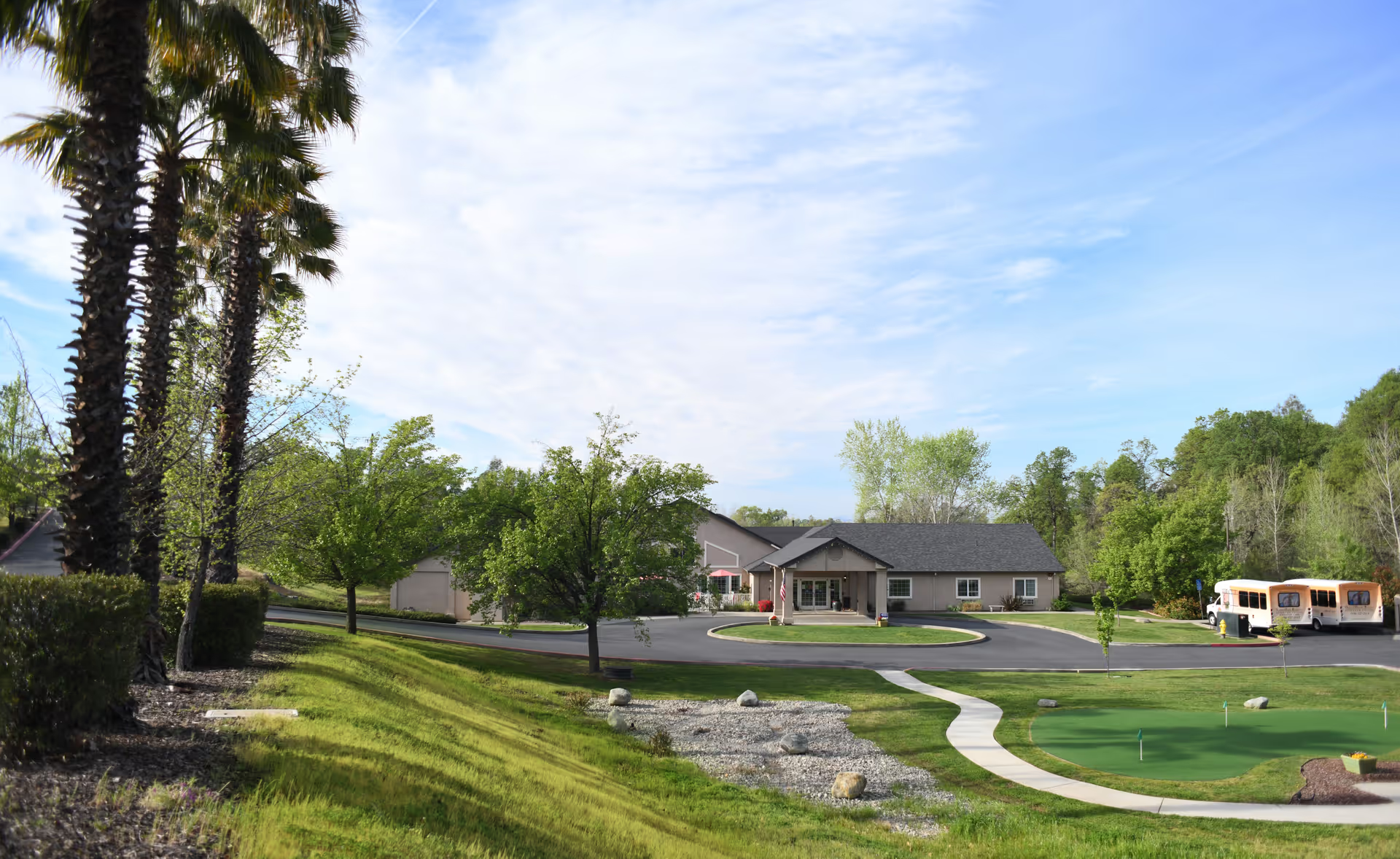
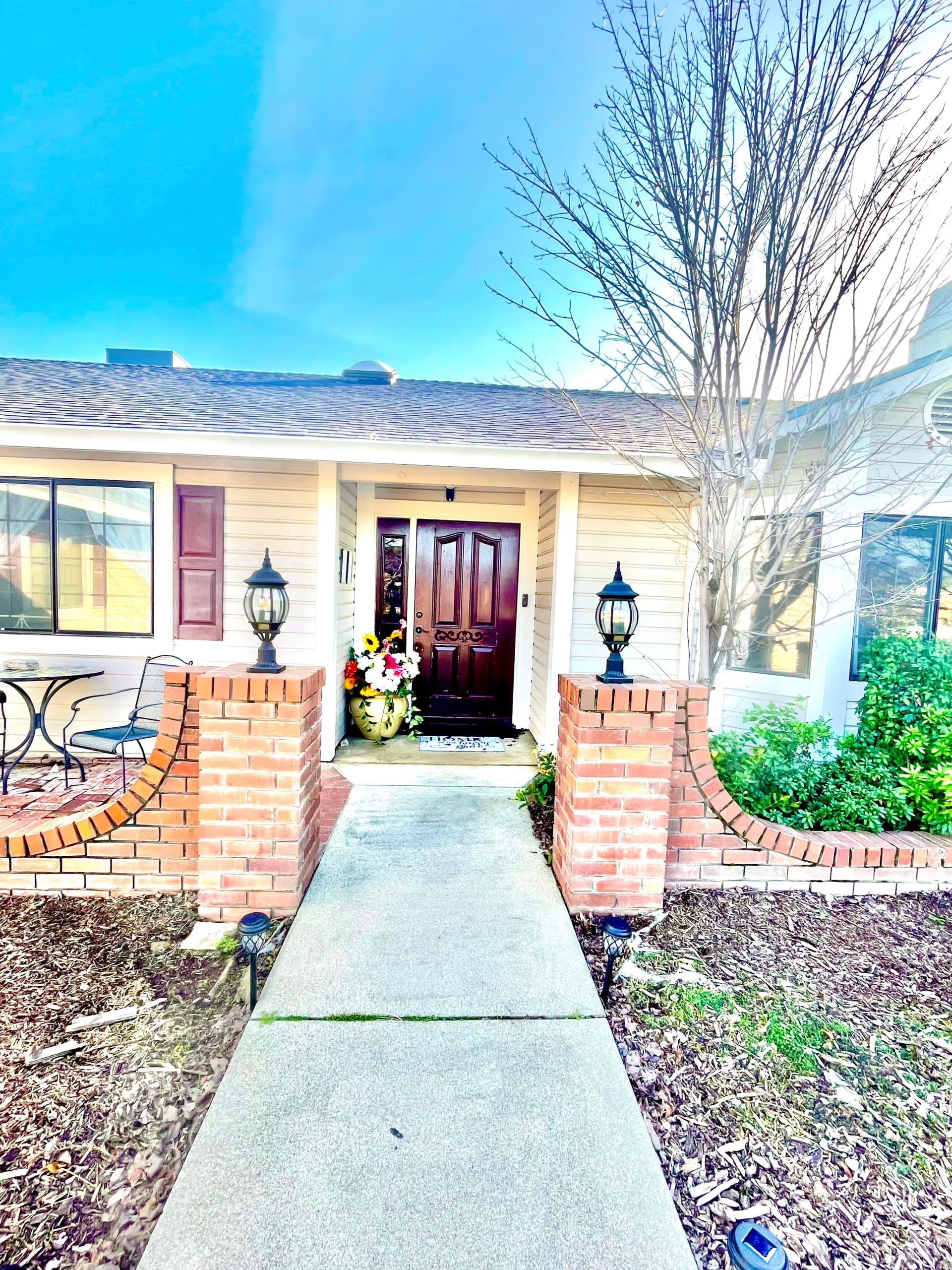
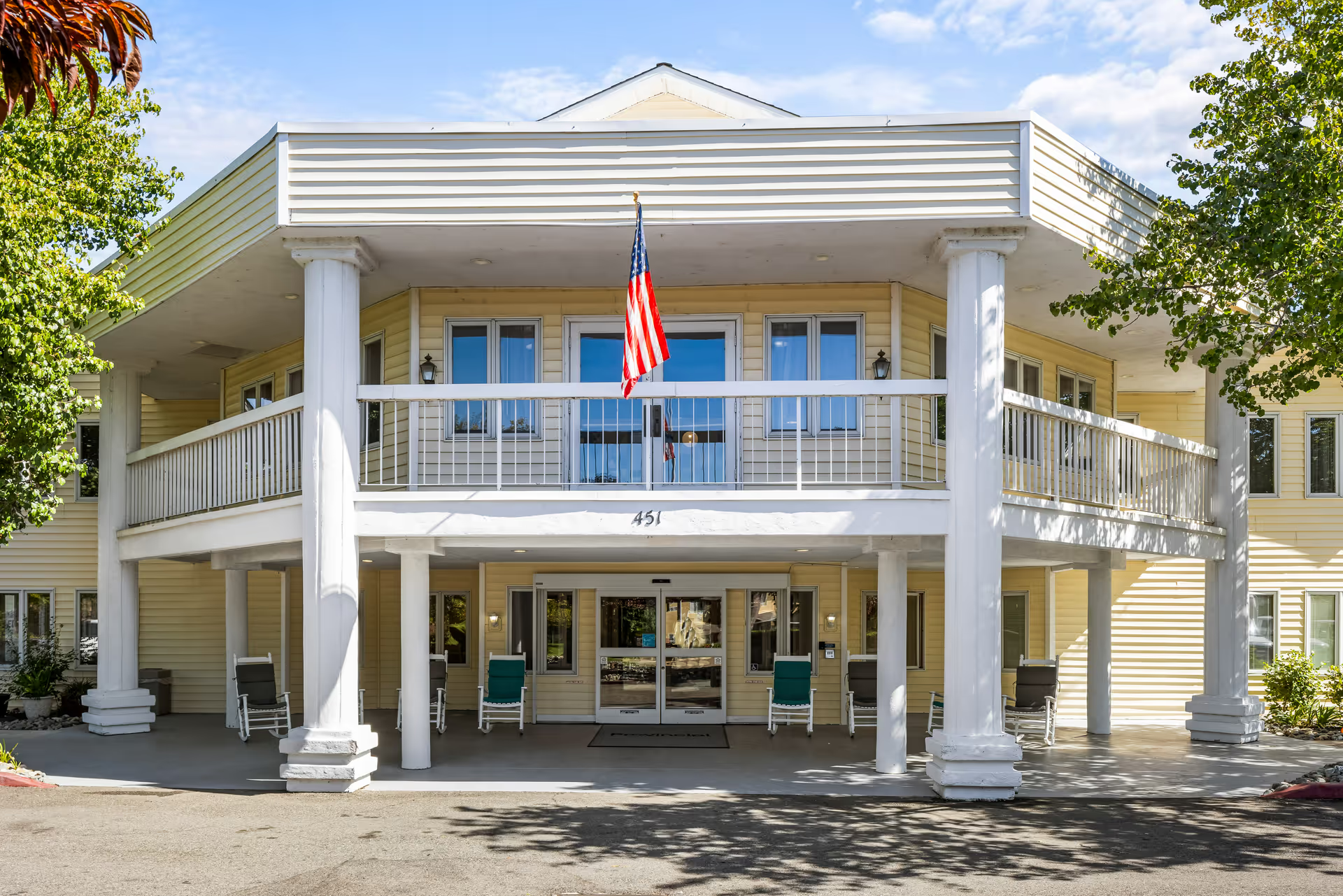
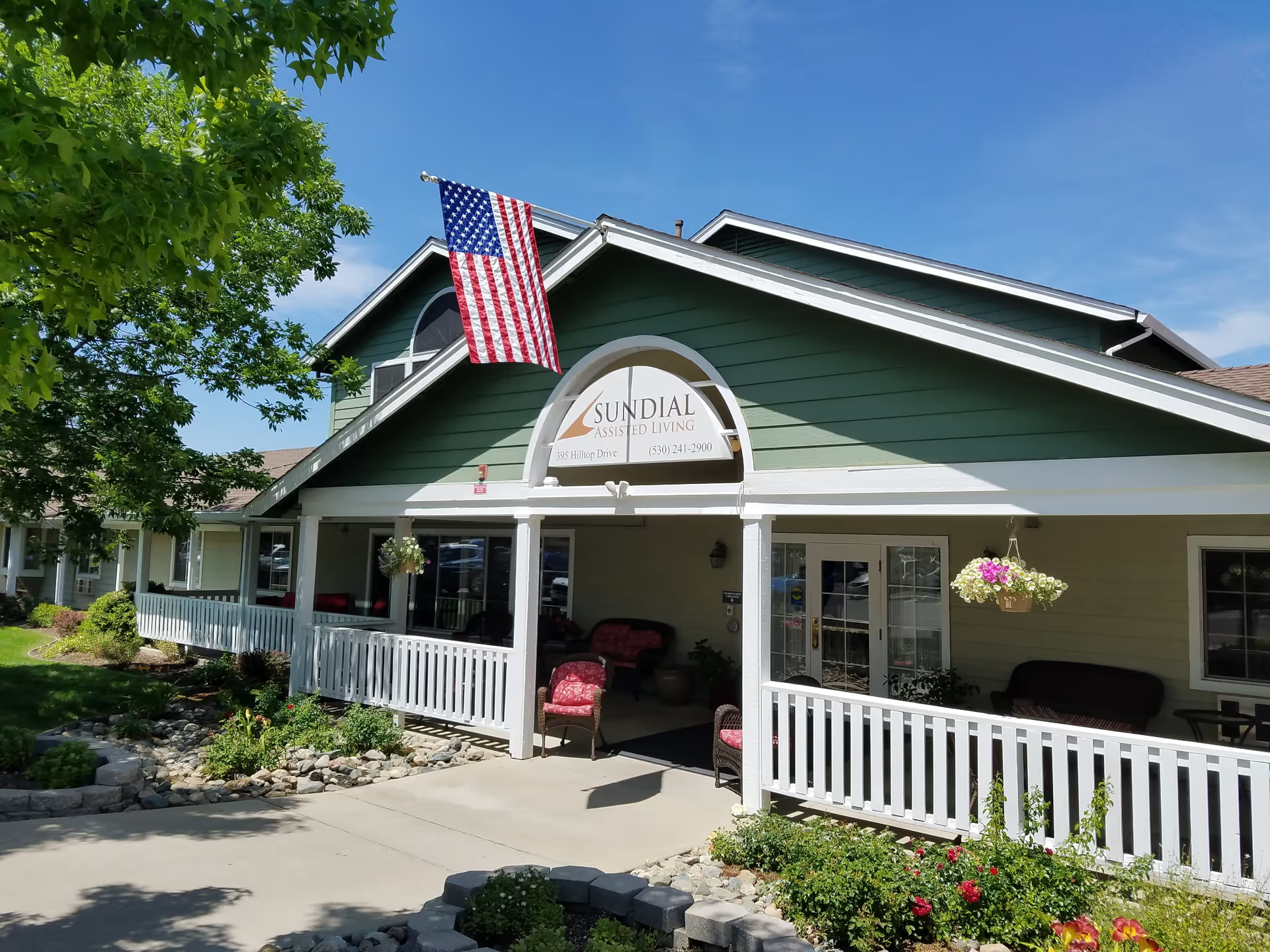
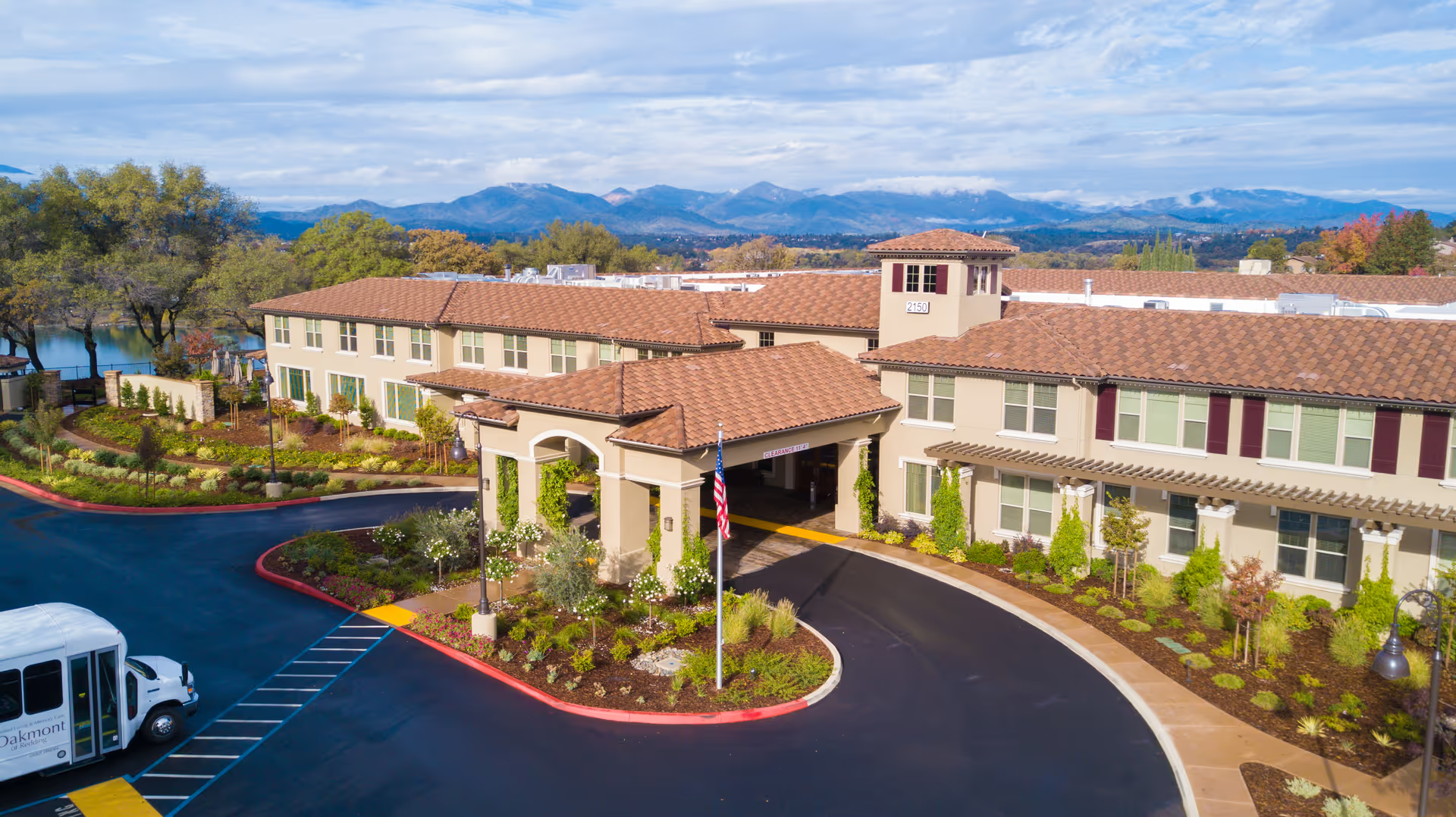
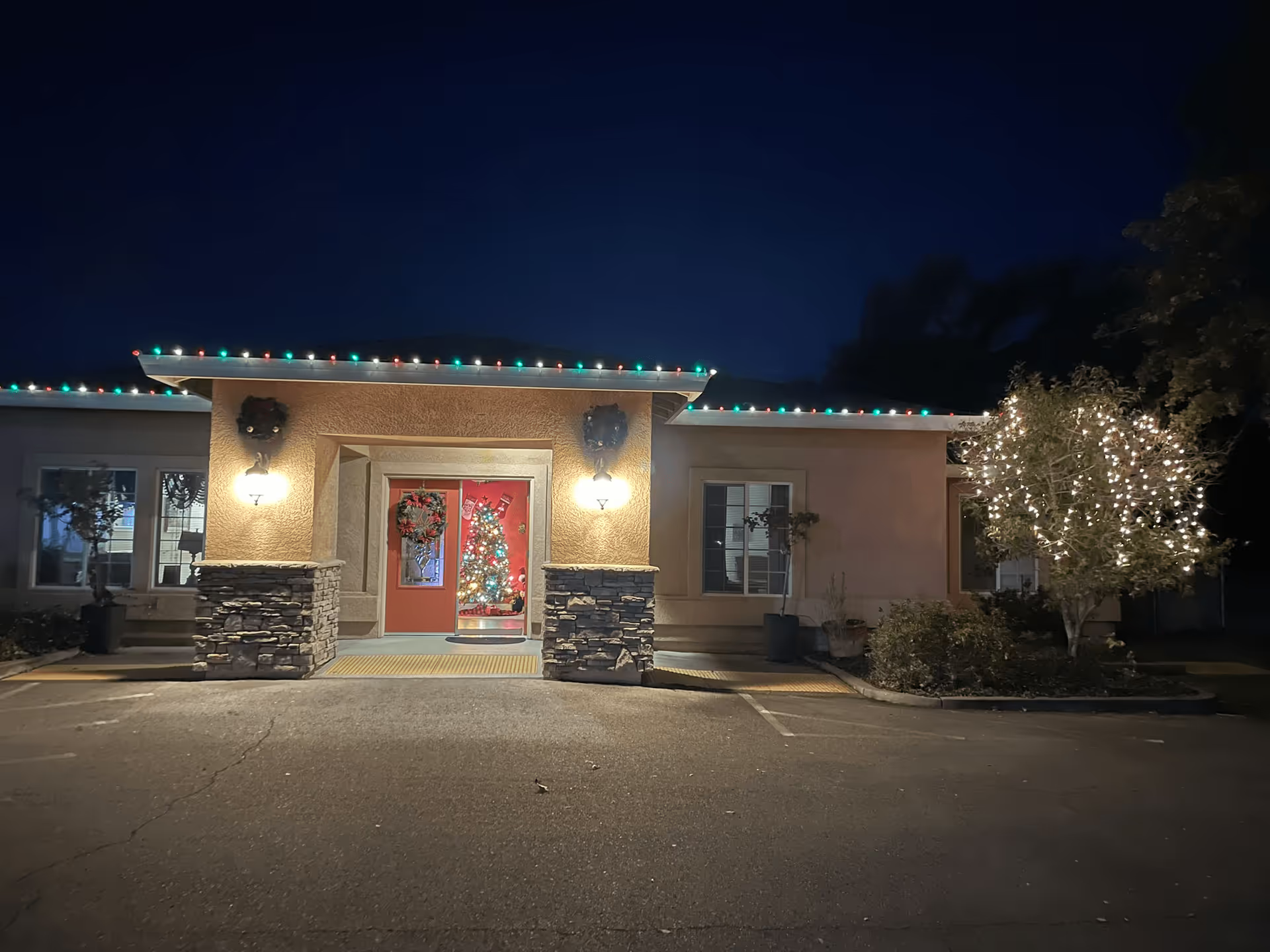
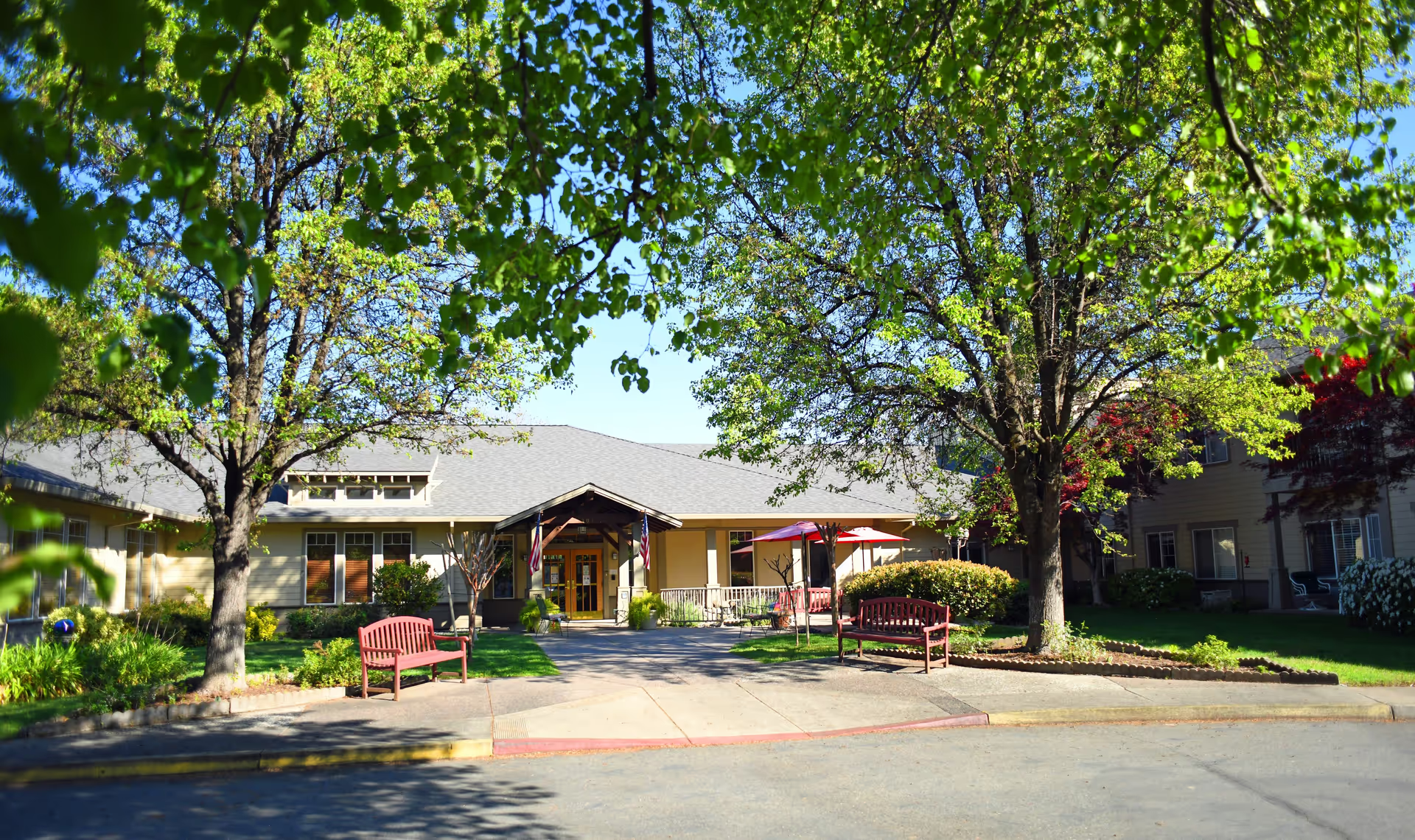
The physical plant and environment are generally viewed positively: well-kept grounds, accessible hallways that accommodate wheelchairs, secure common areas, and pleasant outdoor spaces. The facility's layout and cleanliness contribute to a welcoming atmosphere. Noted operational features that may matter to some families include limited private-room availability and a community policy that discourages in-room television use to promote participation. These are policy-level choices that can affect resident privacy and individualized leisure preferences.
Management and cost considerations present a mixed picture. Communication from leadership is typically described as responsive, but a minority of comments express a perception that management emphasizes revenue. Pricing is described as above regional norms; several reviewers felt the cost was justified by quality, while others suggested the premium warranted close comparison shopping. For families evaluating Willow Springs, recommended questions include inquiries about incontinence-care protocols, infection-control measures, therapy frequency and access, activity execution and calendars, private-room options, and dining alternatives. Overall, the community is consistently characterized as warm, activity-rich, and care-focused, with a handful of operational issues worth clarifying during a personal tour.