Overall impression: Addie Meedom House is described by many families as a small, close-knit facility with a staff that is frequently characterized as compassionate, attentive, and family‑oriented. Reviewers commonly note strong day‑to‑day communication between staff and families, including active outreach during COVID (video visits), and several accounts of supportive end‑of‑life advocacy. Many families praised the manager-level staff for being responsive and for correcting identified problems.
Care and staff: The predominant theme across reviews is positive interpersonal care — caregivers are routinely described as patient, friendly, and engaged with residents. Families report that staff facilitate social connection, encourage resident interaction, and maintain routine activities. However, multiple comments indicate fluctuations in staffing levels and turnover; this has been associated with reduced continuity of care in some cases. A small number of accounts describe serious concerns about staff conduct, including restricted access to a resident and questions about medication handling — these are raised as allegations and would merit direct follow-up with facility leadership and documentation review by prospective families.
Dining and activities: The facility’s dining program receives favorable remarks for nutritious offerings and accommodation of dietary needs (low‑sodium and low‑fat options). The dining rooms, including a renovated memory‑care dining area, are noted as spacious and warm. Activity programming appears consistent, with weekly events and social hours frequently mentioned as positives; residents and families describe opportunities for socialization and predictable schedules.
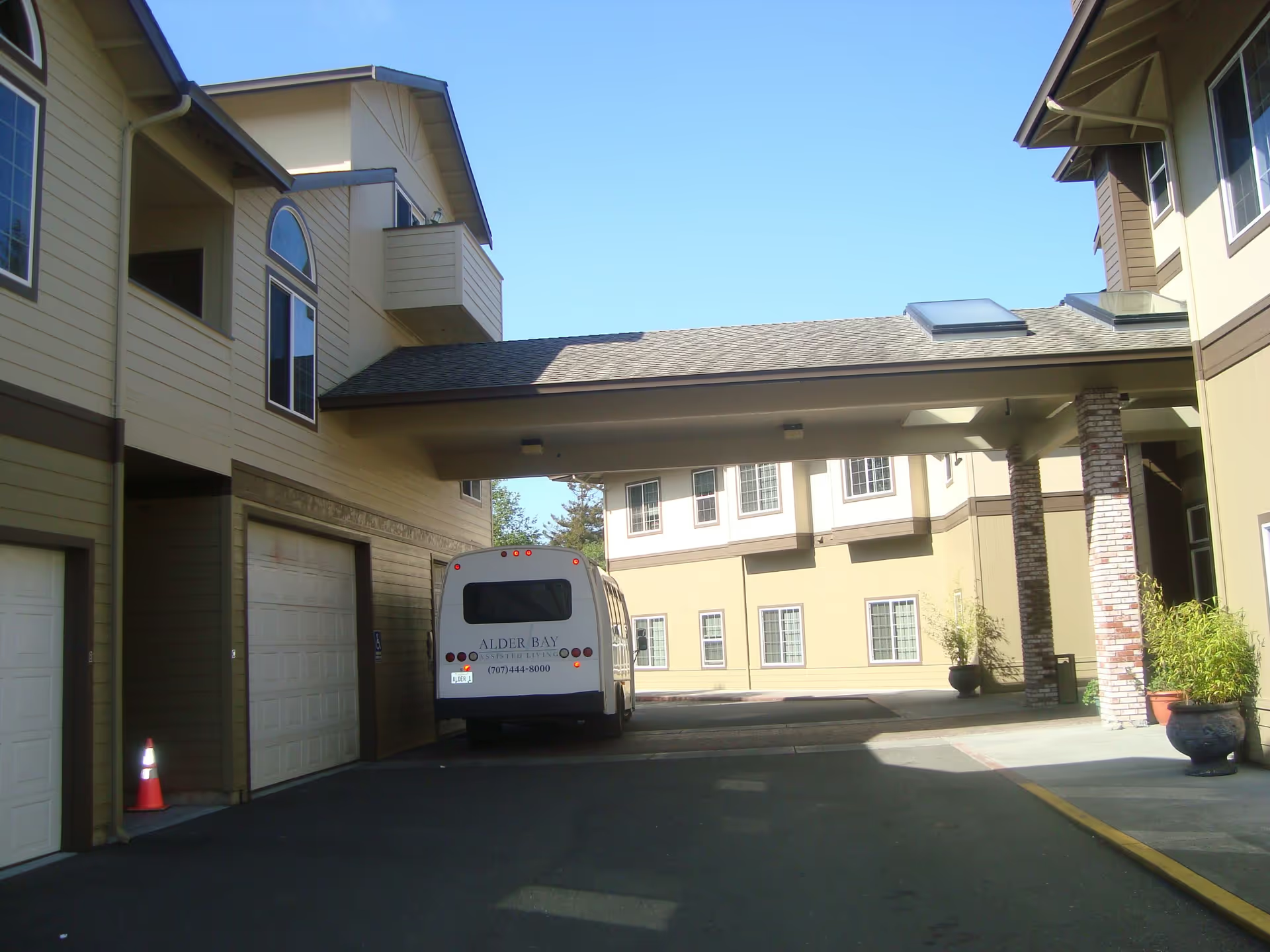
Facilities and cleanliness: Many families describe the facility as well maintained, warm, and safe. The property’s small scale is seen as conducive to a close community, though some reviewers perceive the environment as somewhat institutional or hospital‑like. Alongside positive descriptions, there are isolated but specific sanitation concerns in certain units and common areas; these suggest variability in housekeeping practice rather than a uniformly maintained standard. Prospective families should inspect units in person and ask about housekeeping schedules and oversight.
Management and operations: Accounts of management responsiveness are mixed. Several families praised administration for timely corrections and clear communication about health issues, while other comments describe delayed awareness or inconsistent follow‑through on housekeeping and staffing complaints. Staffing instability and limited clinical resources were also cited as operational limits when residents require higher levels of care. Pricing was described by at least one family as higher than expected for the setting offered.
Notable patterns and guidance for prospective families: Addie Meedom House appears to provide strong interpersonal care, meaningful activities, and accommodating dining for many residents, with particular strengths in family communication and individualized advocacy. Key operational concerns to evaluate during a tour are staffing stability, housekeeping protocols, medication‑management controls, visitation/access policies, and the facility’s capability for higher‑acuity care. Asking for staffing ratios, recent inspection or incident documentation, examples of how the facility handled past complaints, and a sample weekly activity and menu plan will help families determine fit and risk for their loved one.