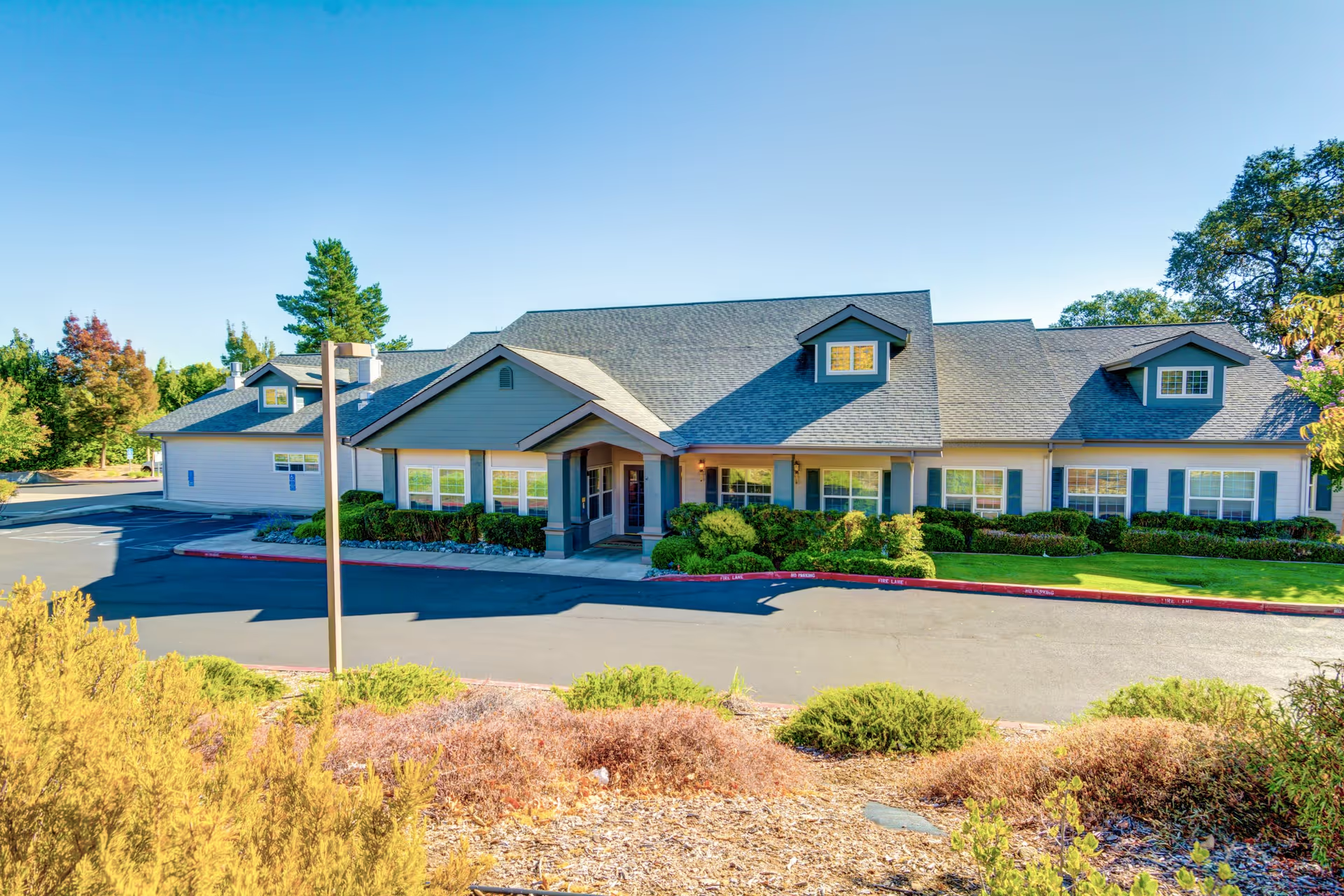
The Ivy at Hawaii Kai presents as a large, resort-style senior living community with substantial strengths in staffing, dining, activities, and campus amenities. Many accounts describe staff as attentive, personable, and quick to build rapport; these comments span front-desk personnel, dining staff, and nursing or caregiving teams. The property’s grounds, waterfalls, saltwater pool, ocean/mountain views, and renovated common areas contribute to a high-end, hotel-like atmosphere that appeals to residents seeking an active, sociable setting.
Dining is frequently a focal point. The community offers chef-prepared menus, multiple courses, dietary accommodations, and room-service delivery options; several households praised improved menus and pastry offerings. At the same time, there are recurring observations of inconsistent food quality, occasional temperature issues, and variability in meal satisfaction. The dining model (including door-to-door delivery used during infection-control events) is flexible, but food execution and consistency appear to fluctuate across time and units.
Activities programming and social life are prominent positives. Reviewers note a wide array of daily programs — exercise classes, yoga, card games, cultural clubs, outings to beaches and restaurants, chapel services, and volunteer opportunities — that foster an engaged community and strong social bonds. Transportation vans for appointments and excursions, an active events calendar, and multiple on-site amenities (library, fitness room, game areas) support an active independent-living lifestyle.
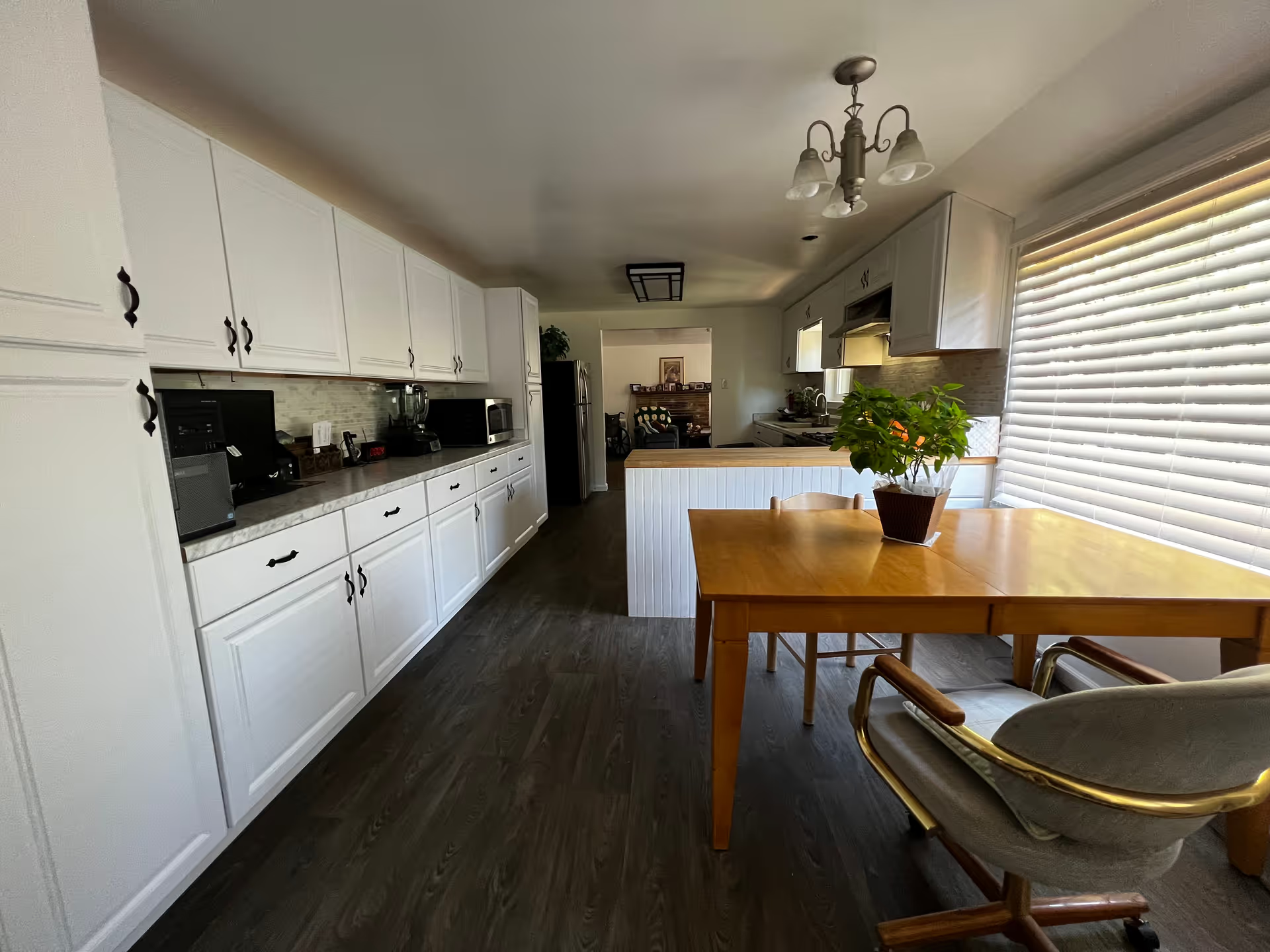
Facility and apartment features vary by building and unit. Many residents enjoy spacious units, in-unit washers/dryers, kitchenettes, private balconies, and safety features in bathrooms. The campus combines older and recently renovated sections; while renovated areas receive praise, aging infrastructure shows through in elevator reliability, occasional maintenance gaps, and uneven cosmetic upkeep. Grounds and public spaces are generally well maintained, though some reviews cite needed repairs (exterior lighting, pool cleaning) and episodic sanitation or pest-control concerns in dining or common areas.
Care and clinical services are mixed depending on level of need. Independent- and assisted-living services, including 24-hour nursing in some sections, receive positive comments for responsiveness and coordination. However, the community does not provide on-site skilled nursing or comprehensive memory-care in all parts of the campus, and higher-acuity needs may require separate contracts or relocation. Some families described challenges coordinating off-site medical providers and insurance-related limitations that affected clinical access.
Management and operations show both strengths and variability. Many reviewers praised helpful, responsive management and successful tours or move-ins, while others reported inconsistent communication, billing issues, slow dispute-resolution, and occasional unprofessional conduct by individual staff or supervisors. Staffing levels and training quality are described as variable — leading in a few accounts to delays in assistance, inconsistent housekeeping, or concerns about nighttime coverage. Expectation management is an identifiable pattern: the community’s upscale presentation and marketing can outpace the day-to-day delivery in some areas, prompting disappointment for a subset of families.
Overall, the Ivy at Hawaii Kai appeals to seniors looking for an active, amenity-rich independent or assisted-living environment with strong social programming, attractive grounds, and generally attentive staff. Prospective residents and families should weigh the high cost and assess whether the available continuum of medical and memory-care services meets their long-term needs. Before committing, it is advisable to verify elevator reliability, housekeeping schedules, included connectivity services, the procedure and costs for higher-acuity care, and the facility’s communication and dispute-resolution practices to align expectations with operational realities.