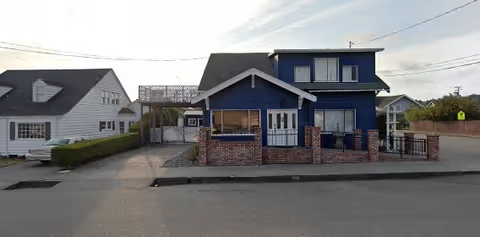
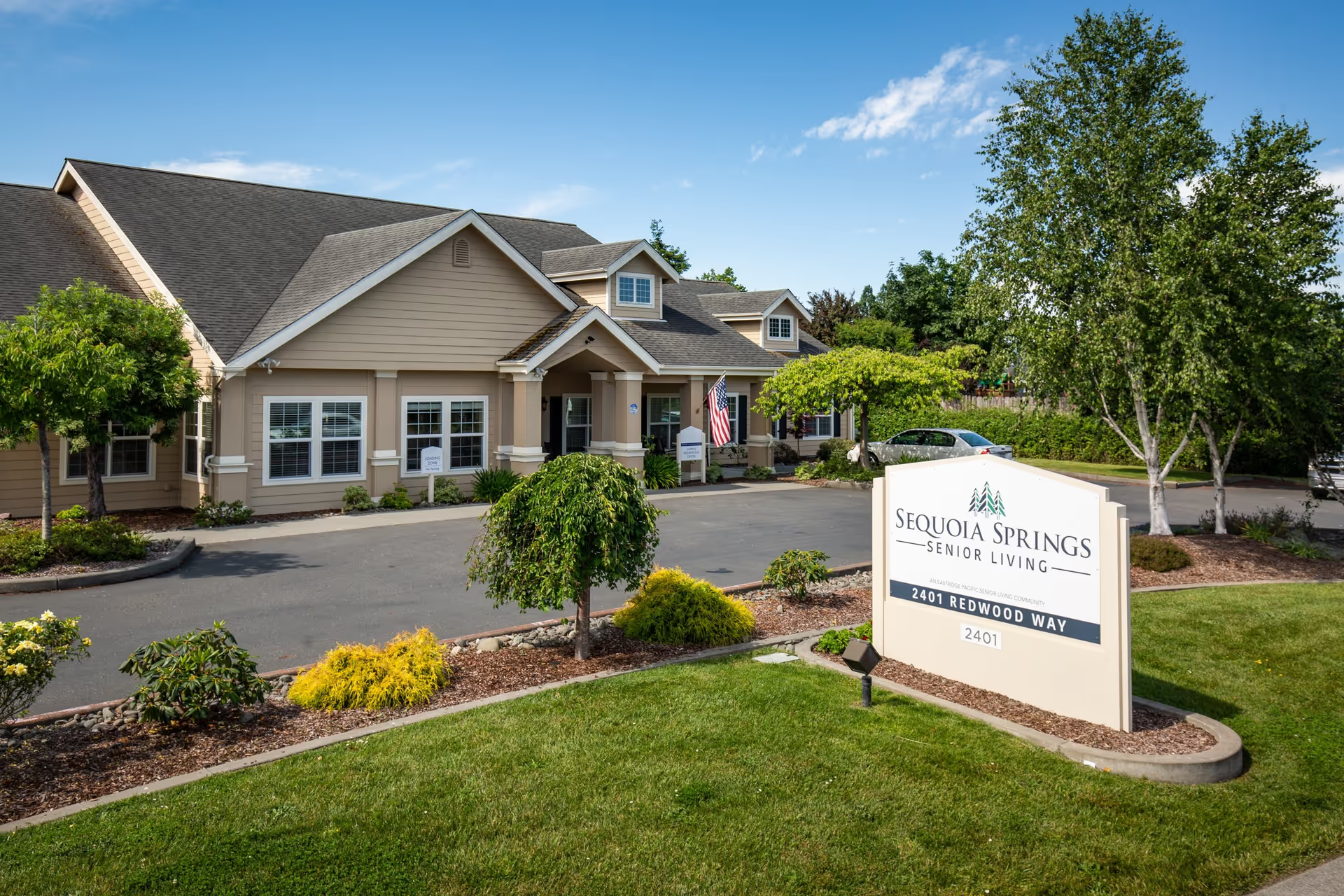
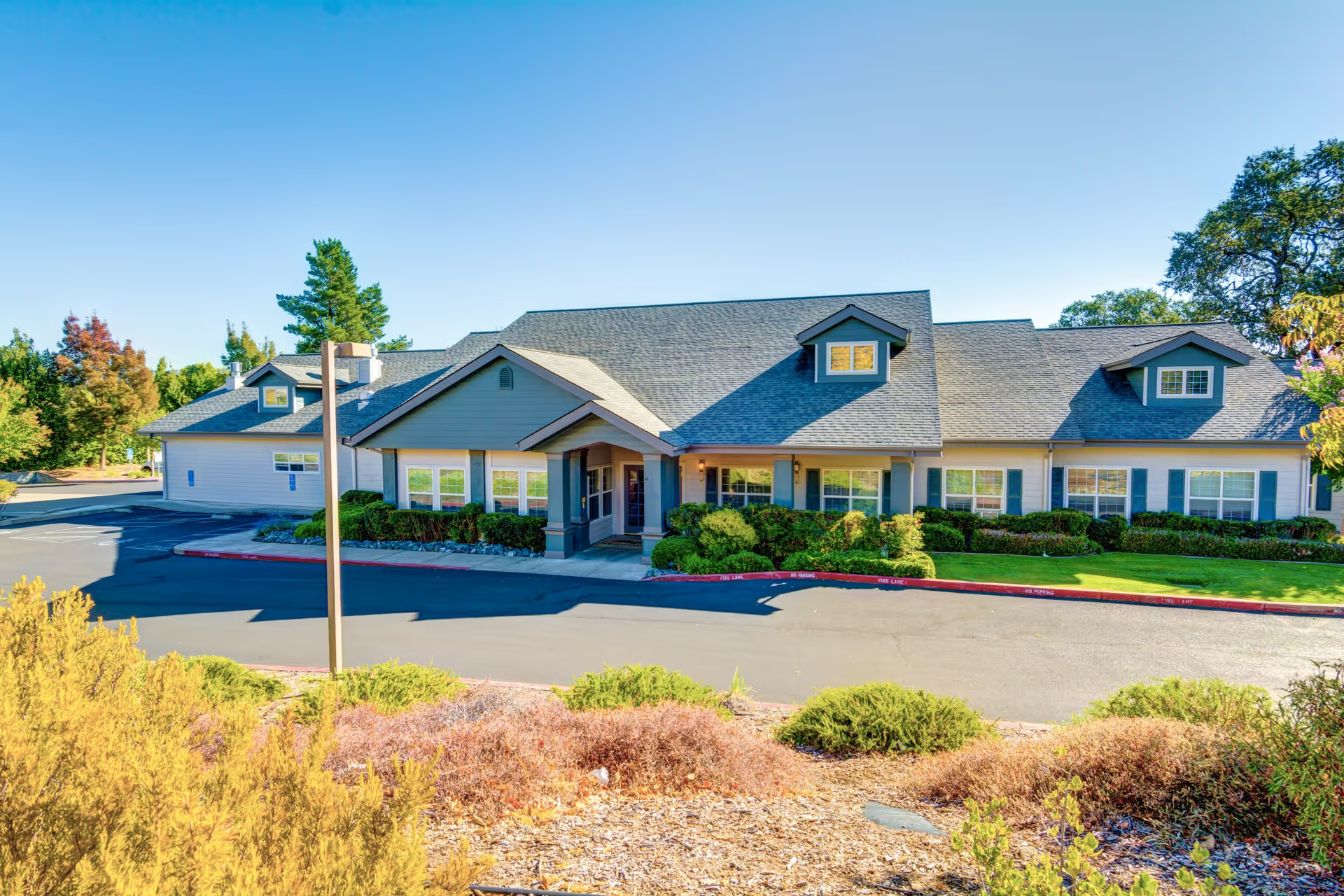
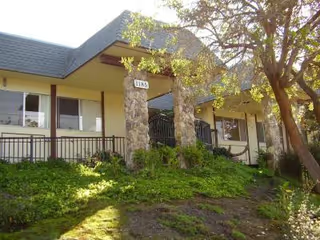
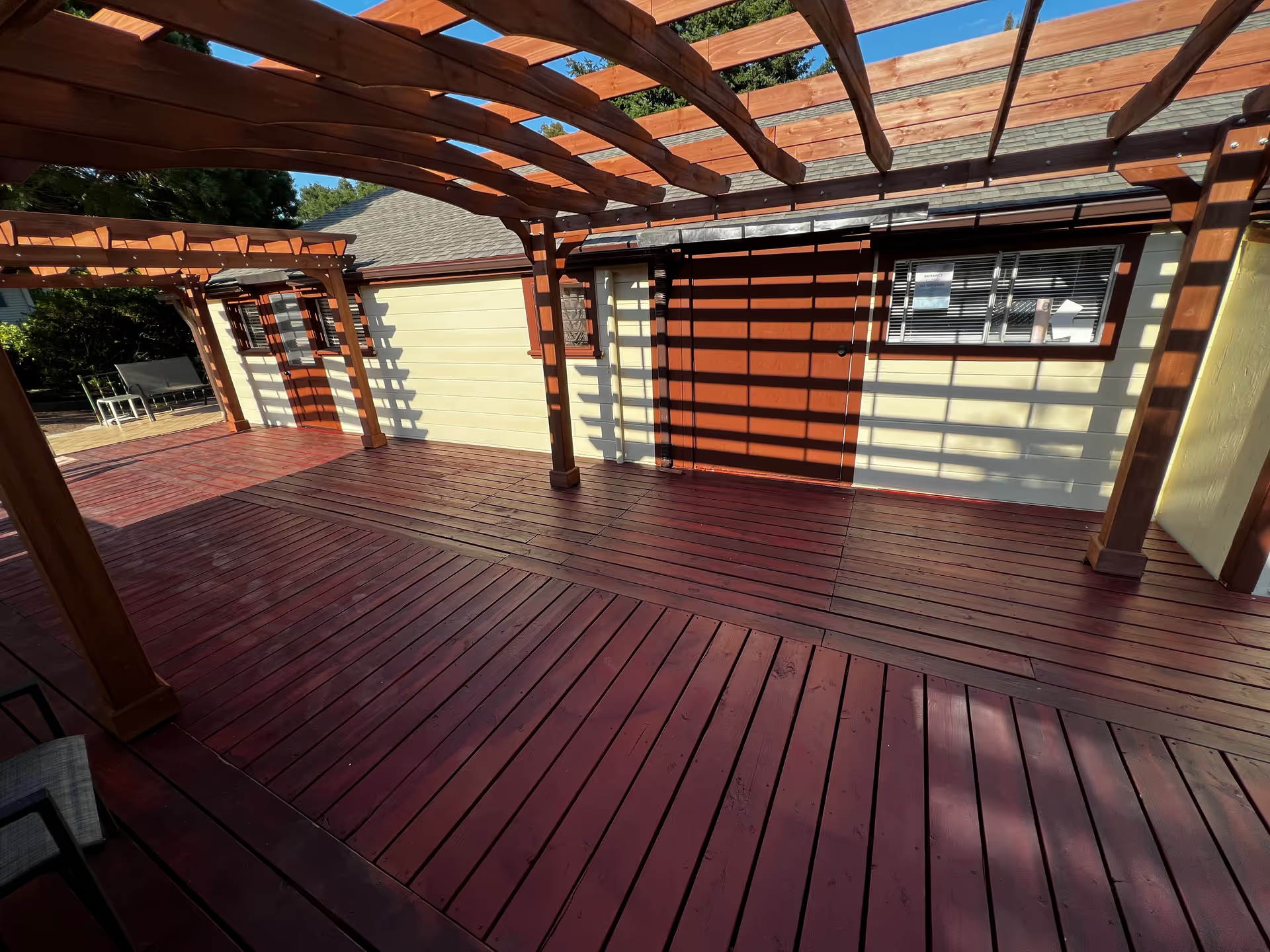
Dignity Senior Living at Oceanside presents a mix of clear strengths and recurrent operational concerns. The facility is repeatedly described as attractive and tranquil, set in landscaped, country/coastal surroundings with private single-occupancy rooms, lanais, and renovated common areas. Memory-care residents have separate dining and activity space. The campus orientation and physical amenities are a prominent positive for families seeking a peaceful, nature-oriented environment.
Staffing and clinical care elicit mixed impressions. Many accounts praise friendly, hands-on caregivers and onsite licensed nurses (RNs and LPNs), and several families described visible improvements after a management change. At the same time, there are patterns indicating inconsistent staffing levels, delays in answering call lights, and at least one instance where clinical follow-through and the facility's aging-in-place promise were not met, producing hospital-level intervention. Staff turnover is cited as a factor in variable day-to-day performance. Prospective families should verify current staffing patterns, medication/clinical-management processes, and how the community executes aging-in-place commitments.
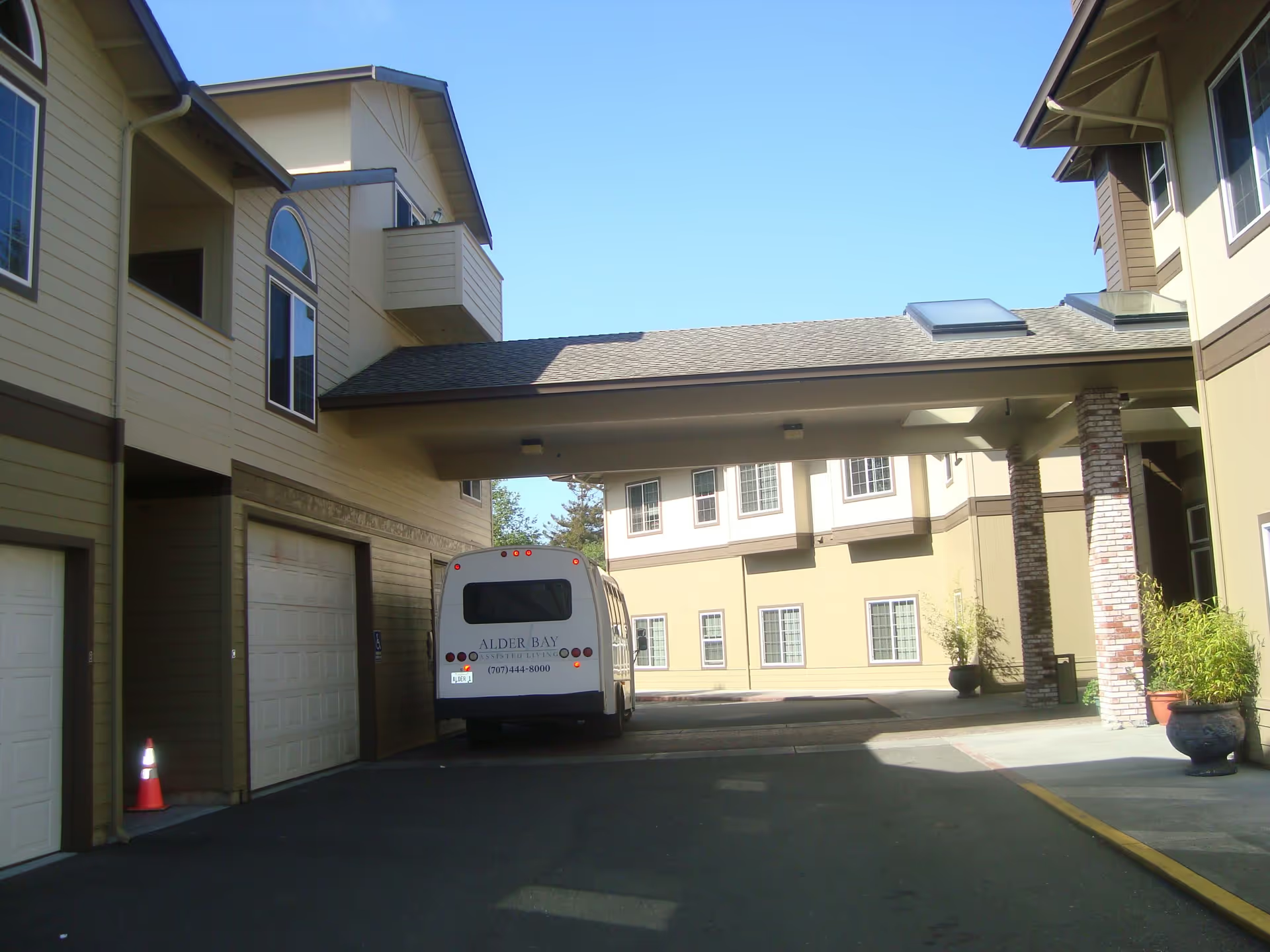
Dining and programming are strengths for many residents but inconsistent overall. The community offers restaurant-style dining, salon services, and a robust activity calendar — arts and crafts, live music, movie nights, shopping trips and regular transportation to stores and appointments. Several families appreciated the activity variety and transportation offerings. Other accounts describe plain or small dining spaces and inconsistent meal quality; evaluating recent menus and observing a mealtime will help clarify expectations.
Operational and logistical issues recur in the feedback. Administrative processes around residency paperwork, identification/licensing, and move-in logistics were described as problematic in some experiences. The property's remote location contributes to its tranquil character but also limits rapid access to off-site physicians and can make routine family visits less convenient. Additionally, a few accounts raised cleanliness or odor concerns in parts of the building and called attention to transparency limits when viewing residents in the secured memory-care unit.
Value and management impressions vary: the community is frequently noted as more affordable than comparable city options, and several families found the cost-to-service ratio favorable, especially after renovation and management changes. Others felt the lower price did not compensate for operational shortcomings. Recommendation: arrange an in-person tour focused on current staffing and clinical oversight, observe a mealtime and an activity, ask about physician availability and emergency protocols, and request clear explanations of residency paperwork and memory-care viewing policies before deciding.