Overall impression: Life Care Center of Kona receives strong praise for its rehabilitative services, therapy staff, and many day-to-day caregiving interactions, but it also shows recurrent operational weaknesses that prospective families should evaluate. Families frequently highlight exceptional recovery outcomes linked to the therapy team, a bright and clean facility with ocean views, and an active social program; at the same time, several operational issues—particularly around staffing, communication, and some aspects of clinical oversight—emerge across reviews.
Care and staff: Clinical rehabilitation is a consistent strength. Multiple families credited physical, occupational and speech therapists with substantial functional recovery and cited named therapists and therapists’ creativity and patience. Nurses and aides are often described as attentive and compassionate, and long-term residents or their families report positive, comfort-focused care. Conversely, reviewers also described variability in responsiveness and skill level among staff, with understaffing contributing to delayed responses to call buttons, inconsistent assistance with activities of daily living, and questions about transfer and safety practices. A small number of reviewers raised serious concerns about medication handling and staff conduct; these accounts suggest the importance of asking the facility about training, supervision, and incident reporting procedures during a tour.
Dining and activities: The facility offers multiple dining areas, buffet-style events, and a regular calendar of activities (bingo, music and concerts, holiday events) that families value for resident engagement. Standard meals are described as generally acceptable, and there are options such as a meal ticket for guests. However, reviewers note inconsistent food quality for residents on restrictive diets, with some describing bland meals when dietary restrictions are in place. Prospective residents should inquire specifically about therapeutic diet menus and how meal satisfaction is monitored.
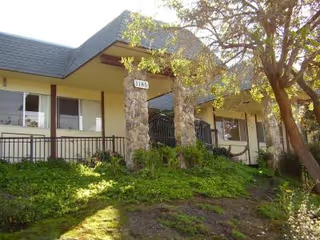
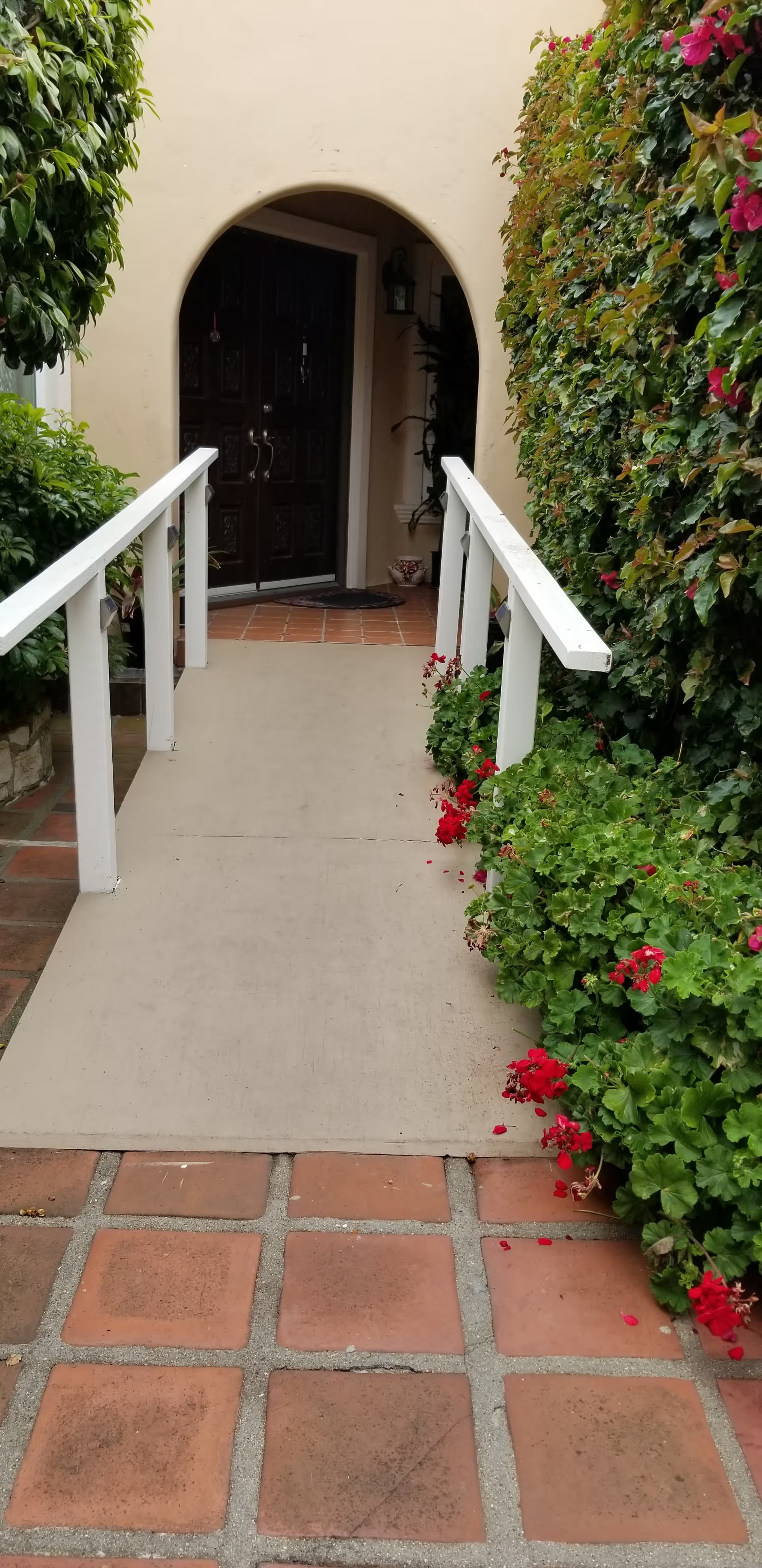
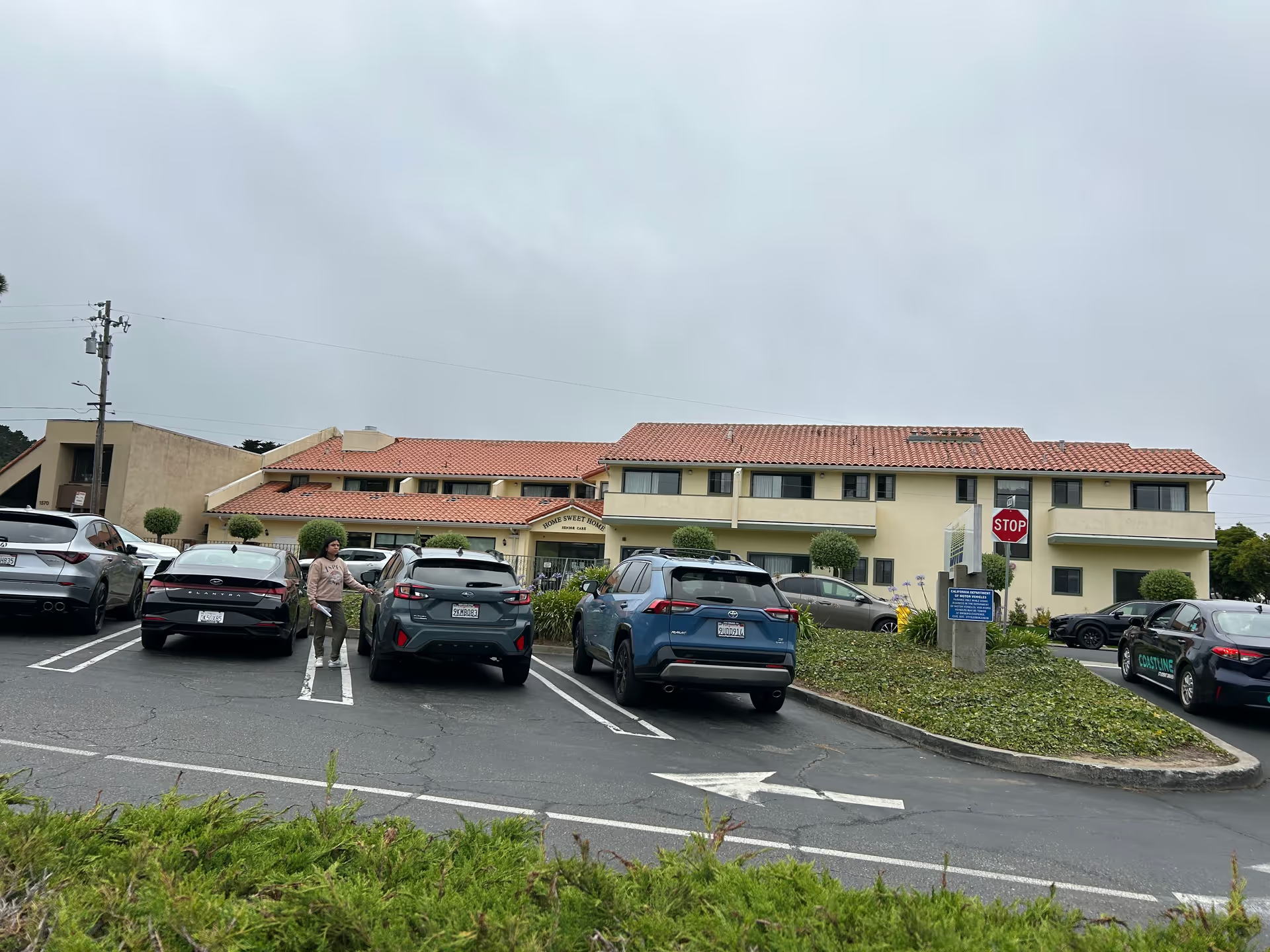
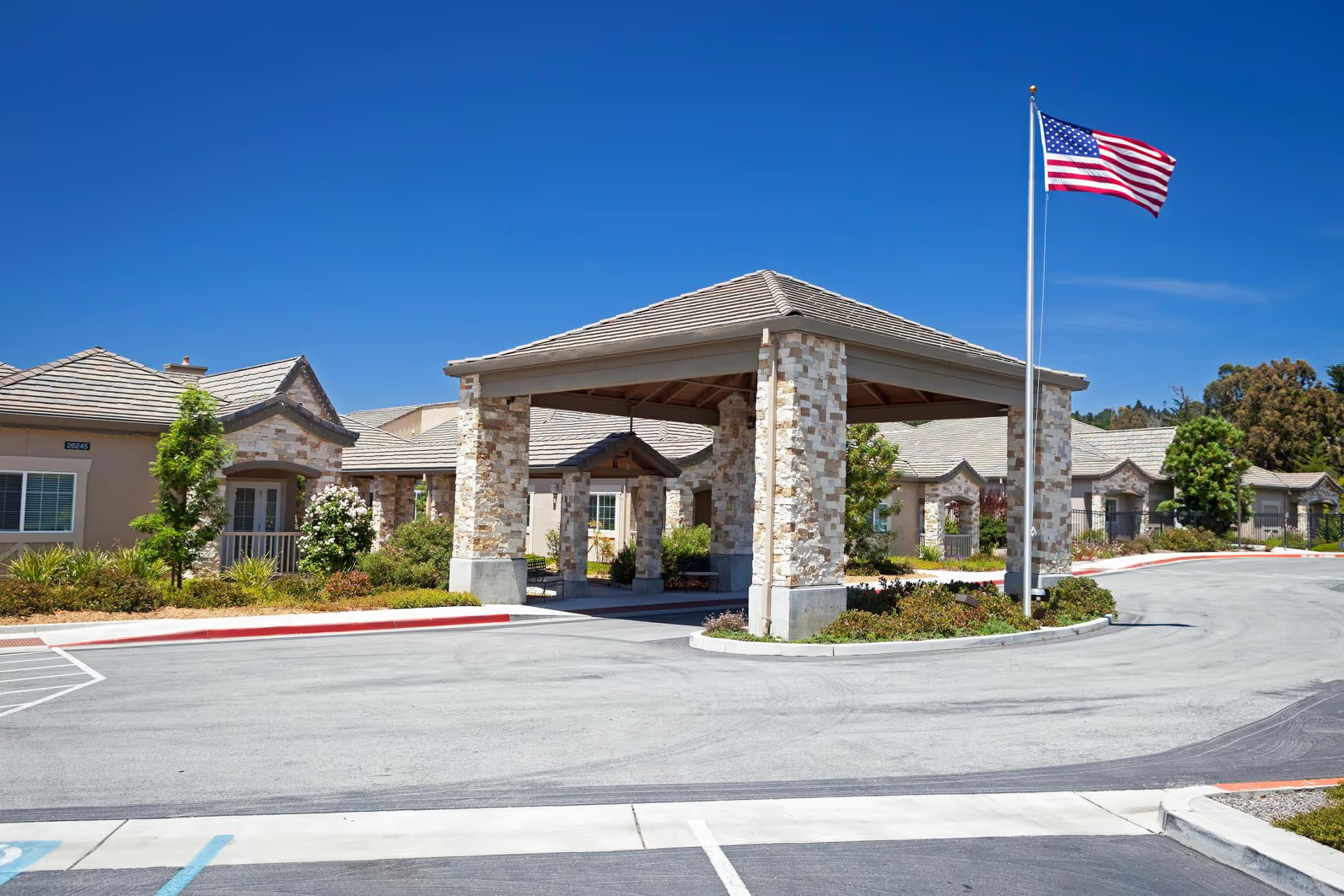
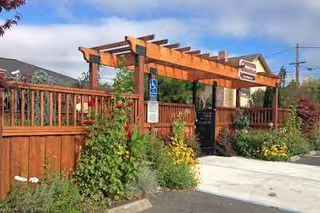
Facilities and accessibility: The physical plant is described as clean, bright, and wheelchair-accessible, with the advantages of a one-story layout, ocean views, and a pleasant patio/garden area. Rooms include shared accommodations in some units, so privacy varies by room type. Some families praised the building’s upkeep and outdoor seating; others noted that while the interior is functional, parts of the facility are older and may feel dated compared with newer alternatives.
Management and notable operational patterns: Communication and administrative responsiveness are uneven. Admissions staff are sometimes described as pleasant but not consistently responsive, and families report limited bed availability and long waitlists for long-term placement. Pricing and cost communication were described as unclear or expensive by some families, and capacity pressures appear to contribute to perceived overcrowding and operational strain. While many families emphatically recommend the center and report high satisfaction—including multi-year positive experiences—others chose to move relatives to different facilities, citing care continuity and facility-age preferences.
Guidance for prospective families: Prospective residents and families should weigh the facility’s strong rehabilitation program, active social calendar, and pleasant setting against reported variability in staffing consistency, communication, and certain clinical practices. Recommended questions at a tour include current staffing ratios, call-response times, protocols for medication handling and incident reporting, how restrictive diets are managed, average wait times for long-term placement, and examples of recent staff training. Touring multiple times, speaking with current families, and requesting documentation of clinical oversight and recent inspection outcomes will help clarify whether this facility’s strengths align with the prospective resident’s needs.