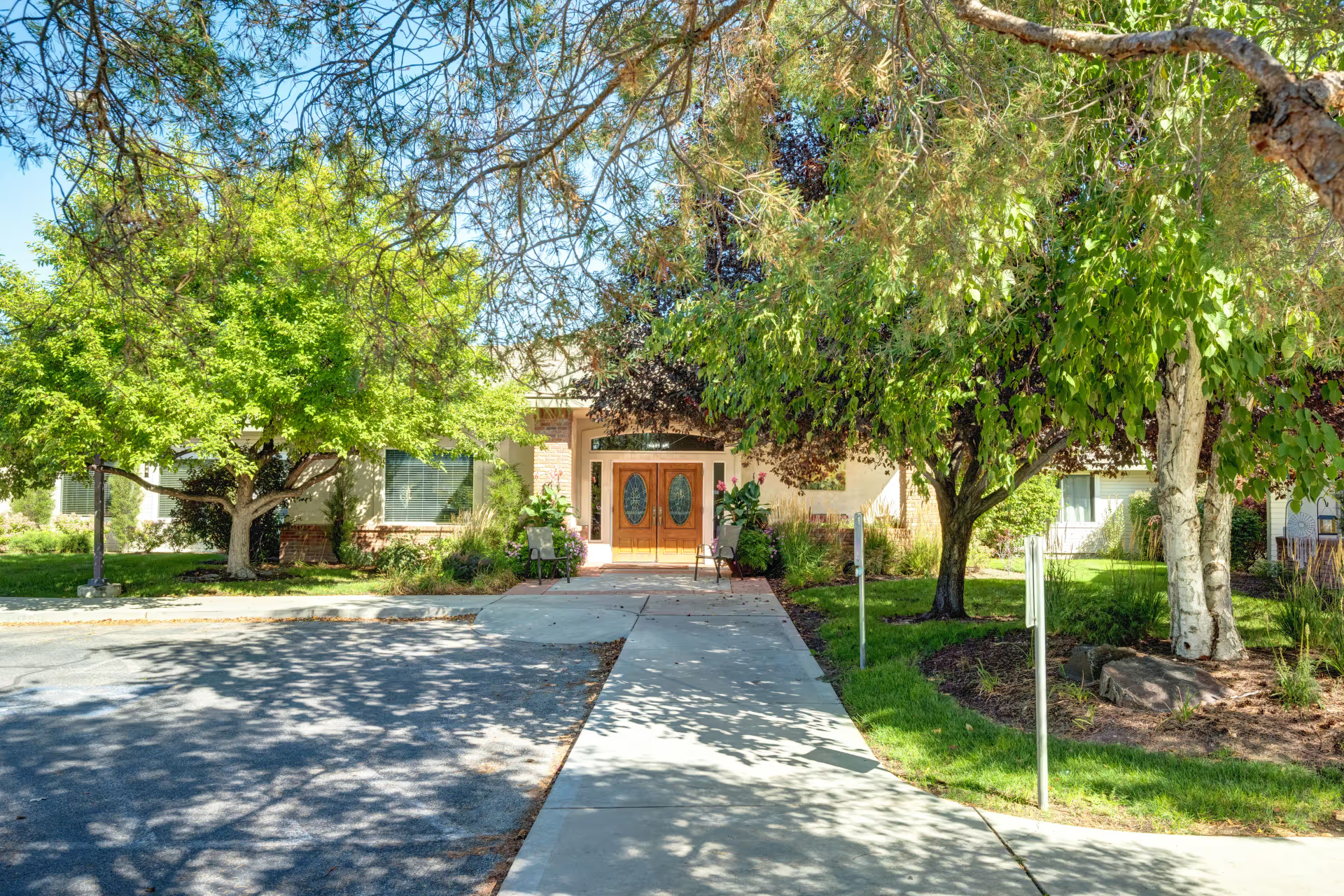
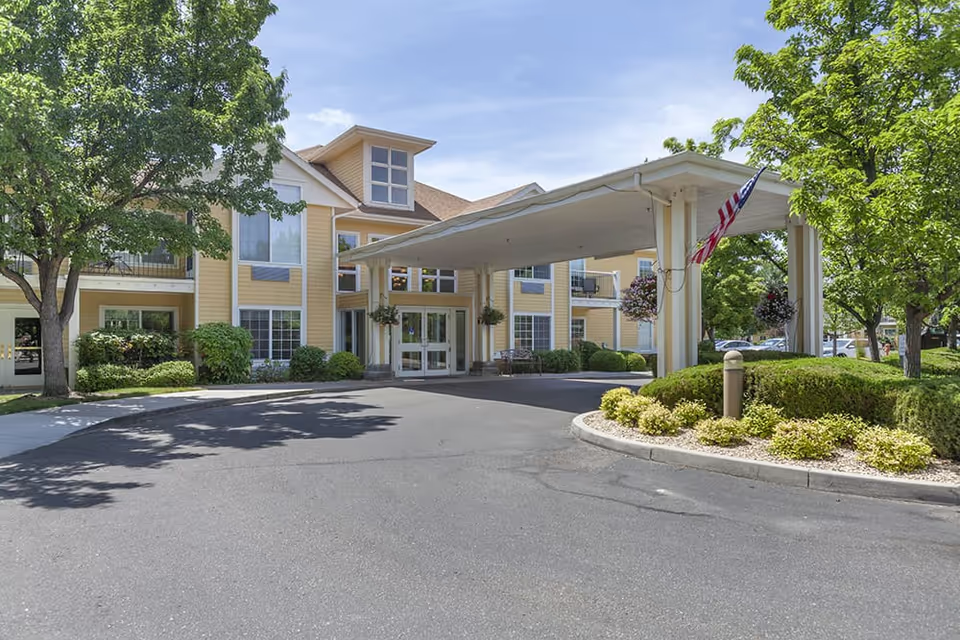
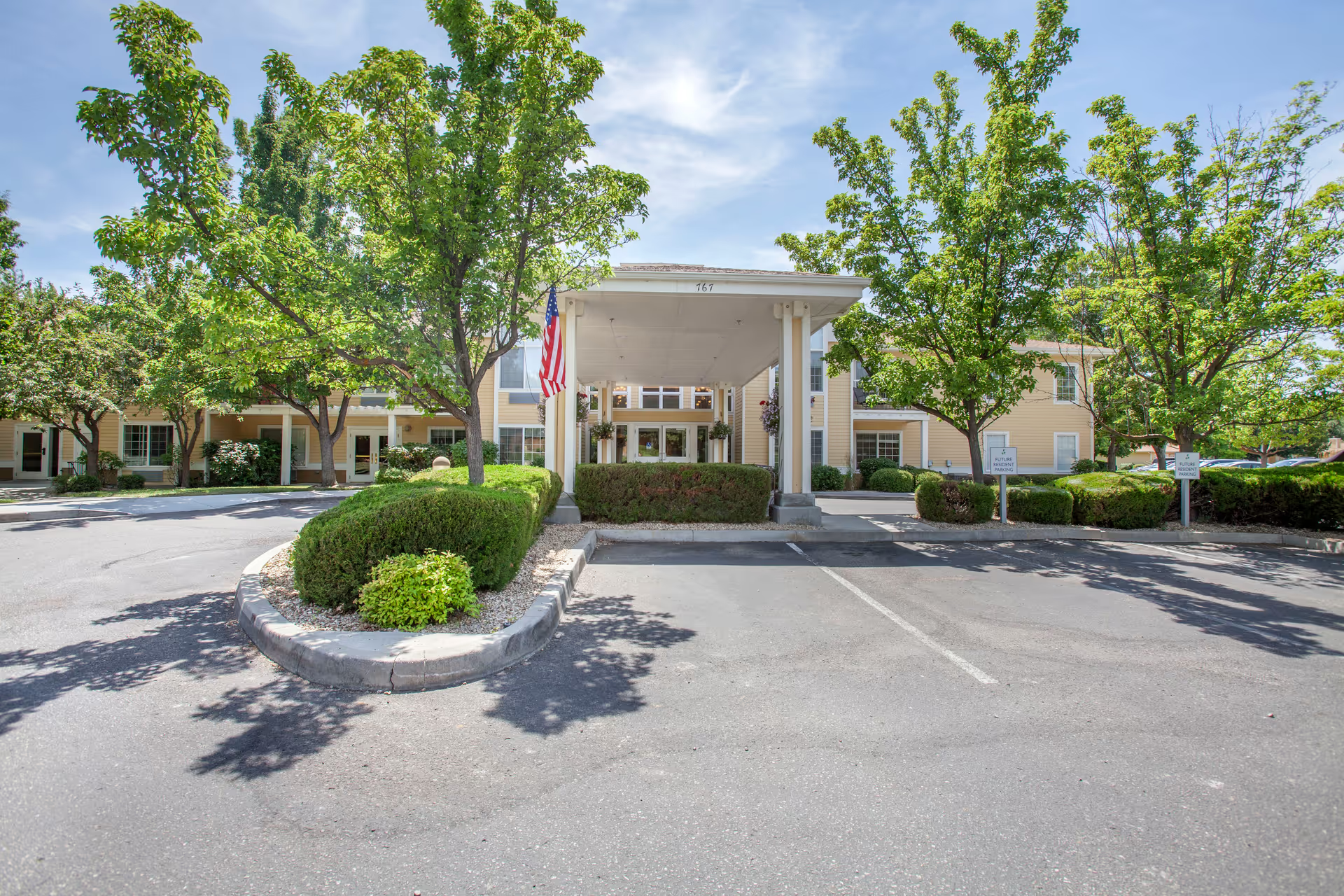
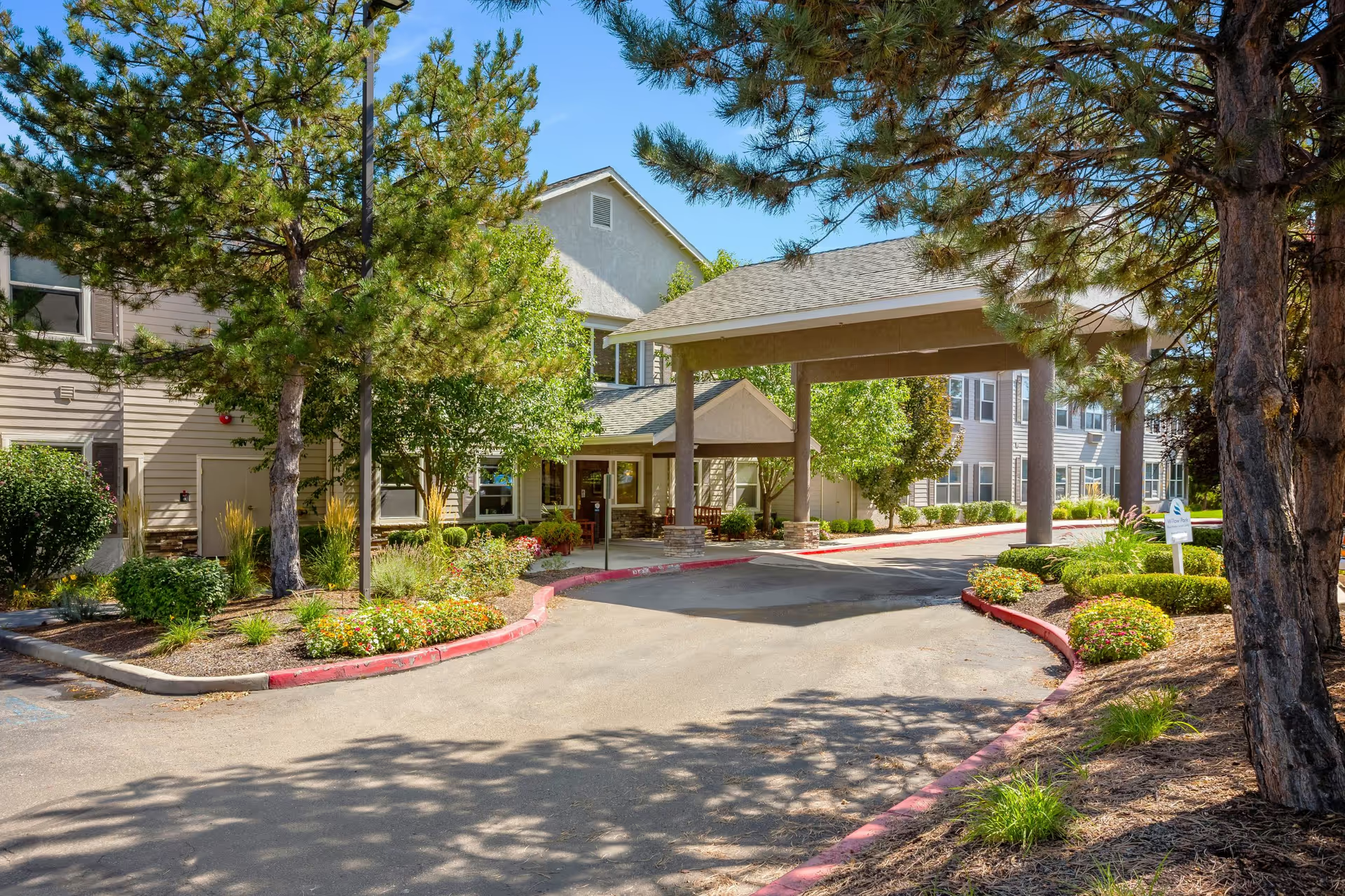
The collected reviews describe a memory-care community that emphasizes compassionate, personalized caregiving within a clean and secure environment. Families repeatedly mention staff treating residents like family, specific caregivers by name, and administrative responsiveness; these patterns suggest strong interpersonal continuity and active family communication. Several accounts highlight follow-up contact from staff after a resident’s passing, which reviewers framed as evidence of sustained family outreach and supportive management practices.
Care quality is depicted as attentive and relationship-driven. Reviewers praised staff for going "above and beyond," giving residents individualized attention, and delivering peace of mind to families. The facility is described as thoughtfully designed for memory challenges—secure and organized—with activities adapted to residents’ cognitive levels. Daily organized programming and cognitive-appropriate activities are recurring strengths, indicating an operational focus on engagement and routine.
Staff and management receive consistent positive mention: an involved administrator, named caregivers, and comments that the site is a good place to work. This suggests relatively stable staffing and a favorable workplace culture, which can support continuity of care. Communication is characterized as an open line between families and leadership, with reviewers noting kindness, dedication, and responsive management.
Dining and amenities are described in home-like terms. Meals are characterized as home-cooked and comforting; reviewers used phrases such as crockpot-style cooking and praised the food. Common areas are described as clean, spacious, and pleasant-smelling, contributing to a welcoming, residential atmosphere rather than an institutional one.
Notable patterns and caveats: the reviews are predominantly positive and focus on interpersonal care, cleanliness, and programming. They provide limited detail about clinical aspects of care—such as licensed nursing coverage, medication-management processes, emergency-response protocols, and availability of specialized therapies—which are important for prospective residents with complex medical needs. Likewise, there is little information about dining-menu variety for therapeutic diets, or about pricing and contract specifics.
Recommendations for prospective families: confirm clinical staffing ratios and licensed oversight, ask for written emergency-response and incident-communication protocols, review how the kitchen accommodates medically necessary diets, and request transparent contract and fee information. Visiting the community, meeting the administrator and direct-care staff, and observing activity programming during a tour should help validate the positive themes seen in these reviews and clarify the clinical and operational details that are less documented here.