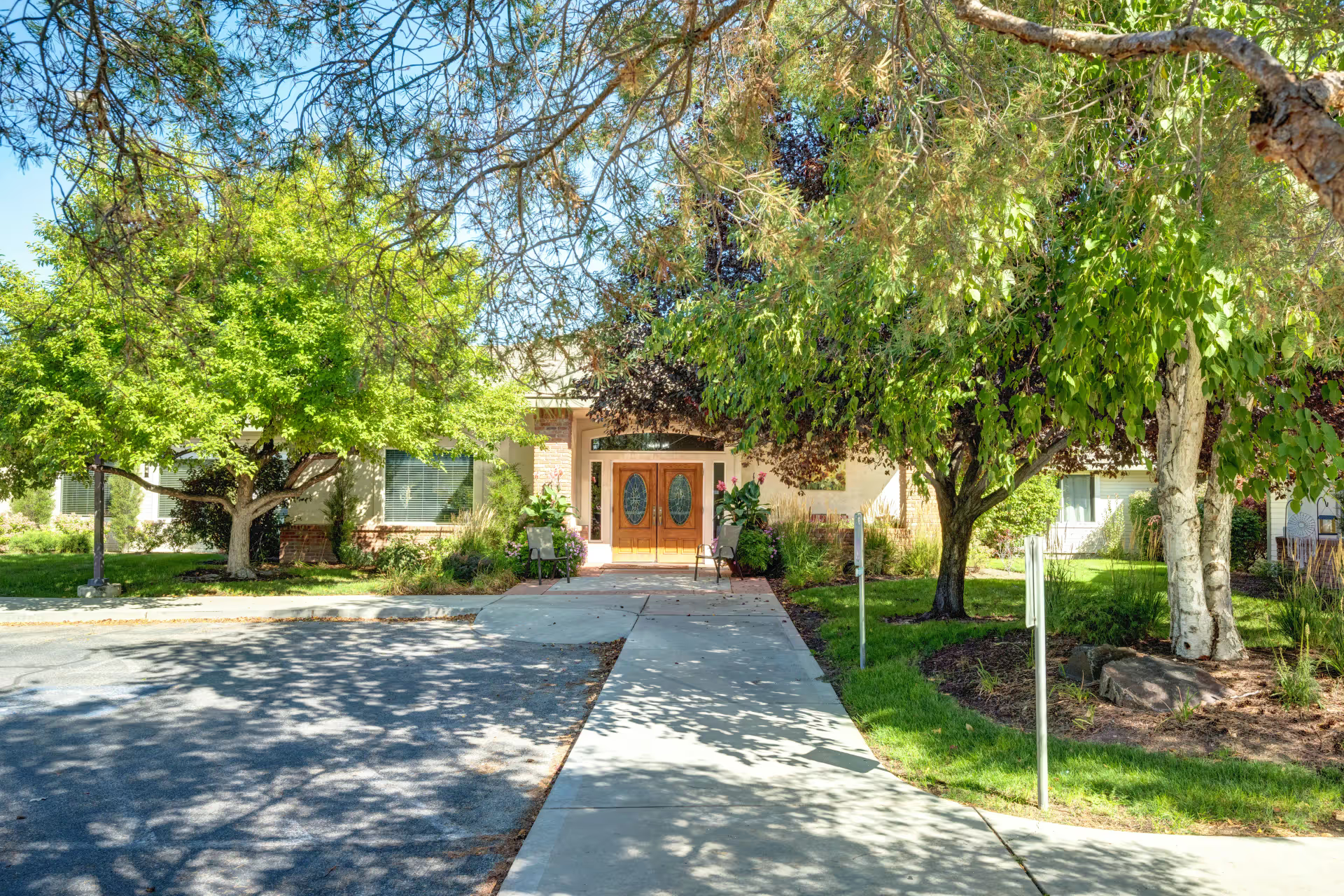
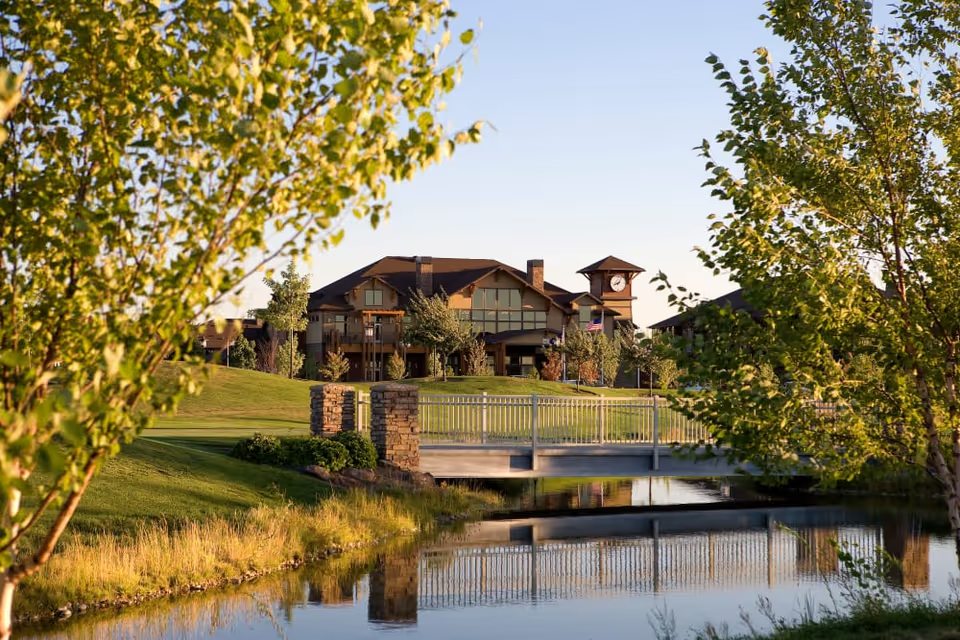
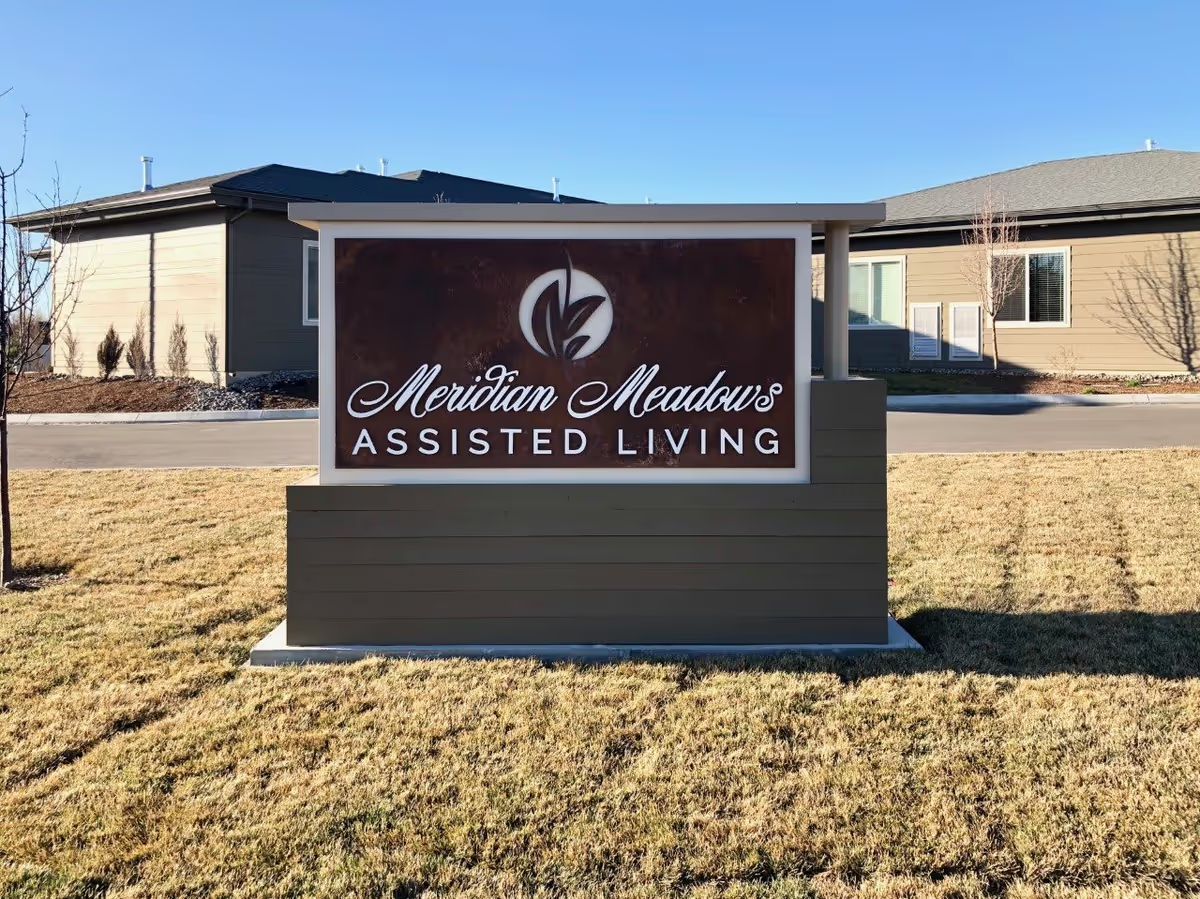
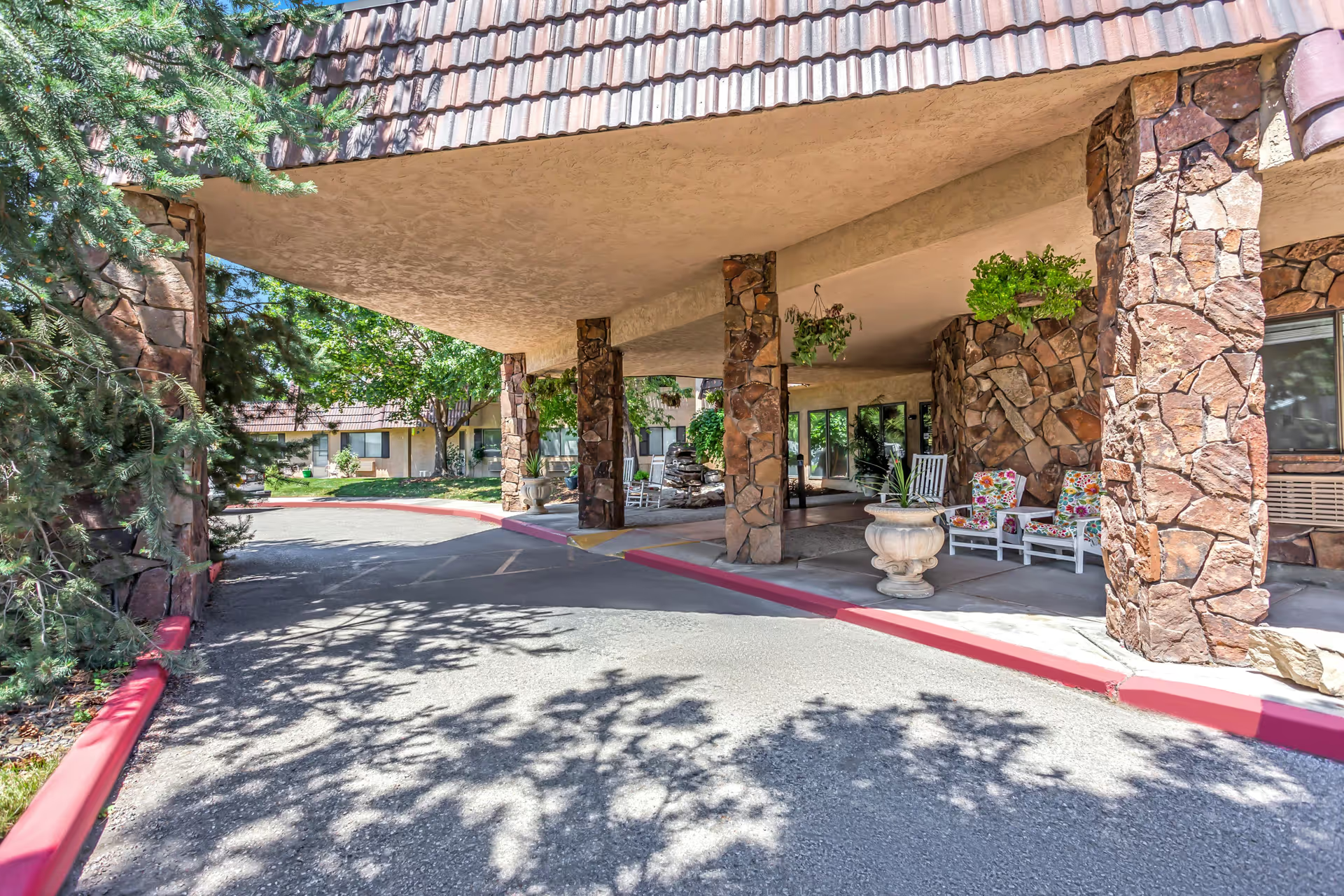
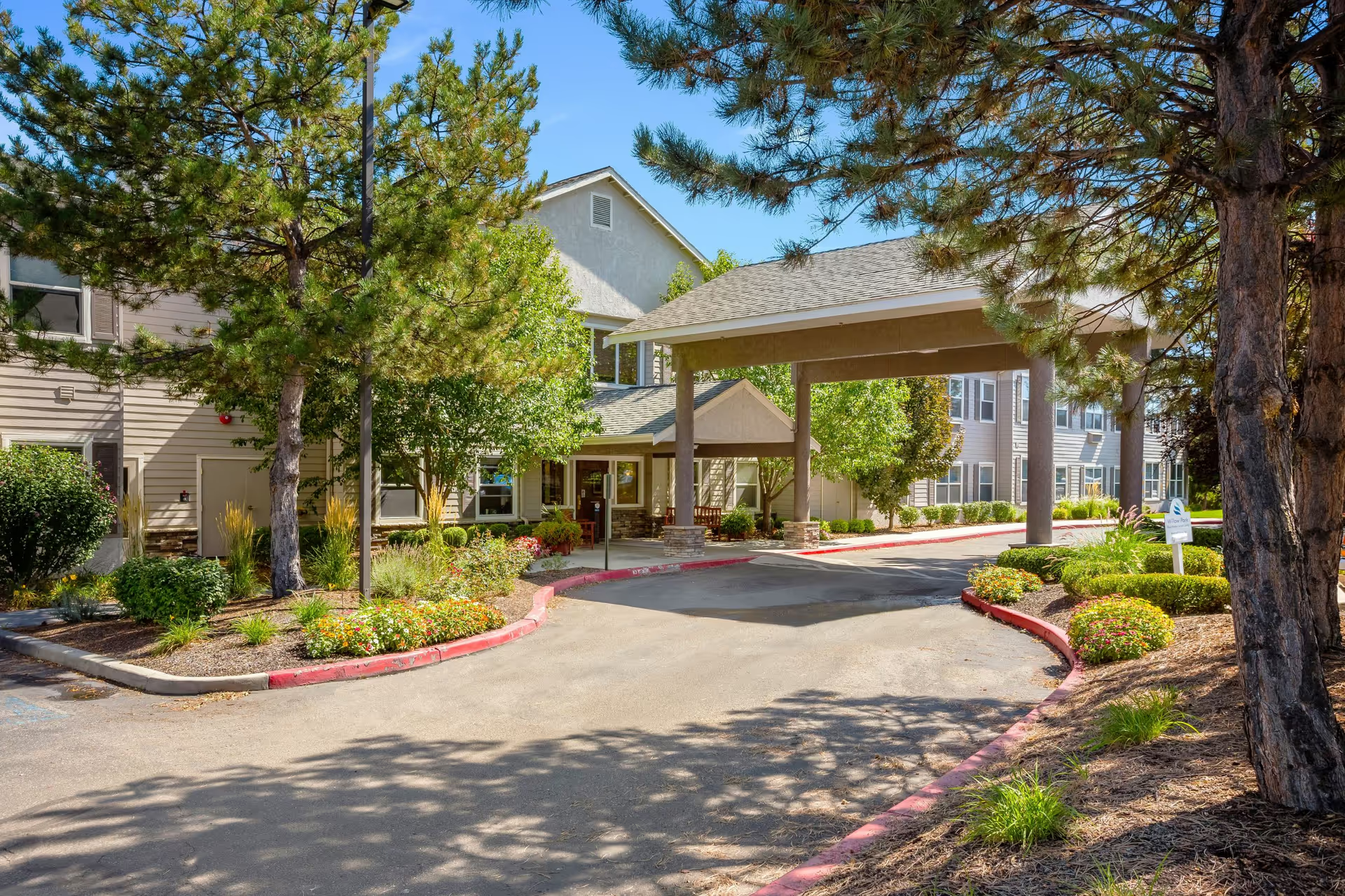
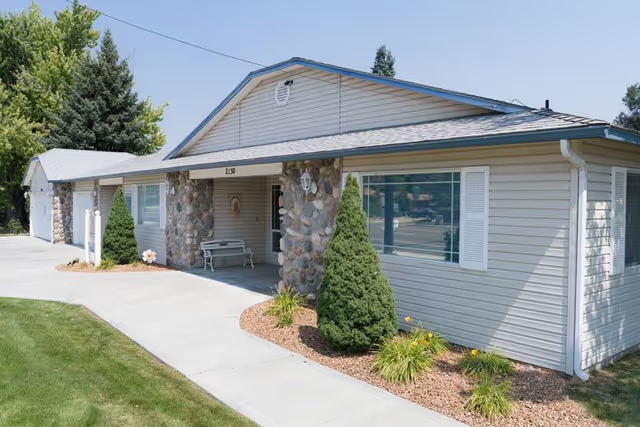
Overall impression: Reviewers convey a generally warm, small-community environment with many families praising attentive, personable staff, engaged management, and good coordination with hospice and end-of-life needs. The one-level, homier layout with patios, courtyard and visible dining area contributes to a bright, social atmosphere; several long-term residents were described as thriving in this setting. The facility’s on-site amenities (salon, library, outdoor spaces) and active entertainment program are frequently cited as strengths.
Care and staff: Clinical oversight appears to be a strength in many cases, with an on-site registered nurse and multiple accounts of compassionate, trustworthy caregivers who form positive relationships with residents. At the same time, reviewers describe operational patterns of inconsistent direct-care staffing and slower response times at points of need. There are also recurring concerns about adherence to documented care plans and timely notification of families or designated decision-makers; families considering the community should verify how care plans are implemented and how communication will be handled.
Dining and nutrition: The dining room and visible kitchen are often noted as appealing, and many residents and families enjoyed meals. However, food quality and continuity are described as variable; periods of good dining service were contrasted with times when the chef was absent or quality dipped. Prospective residents should inquire about dining staffing continuity and sample menus.
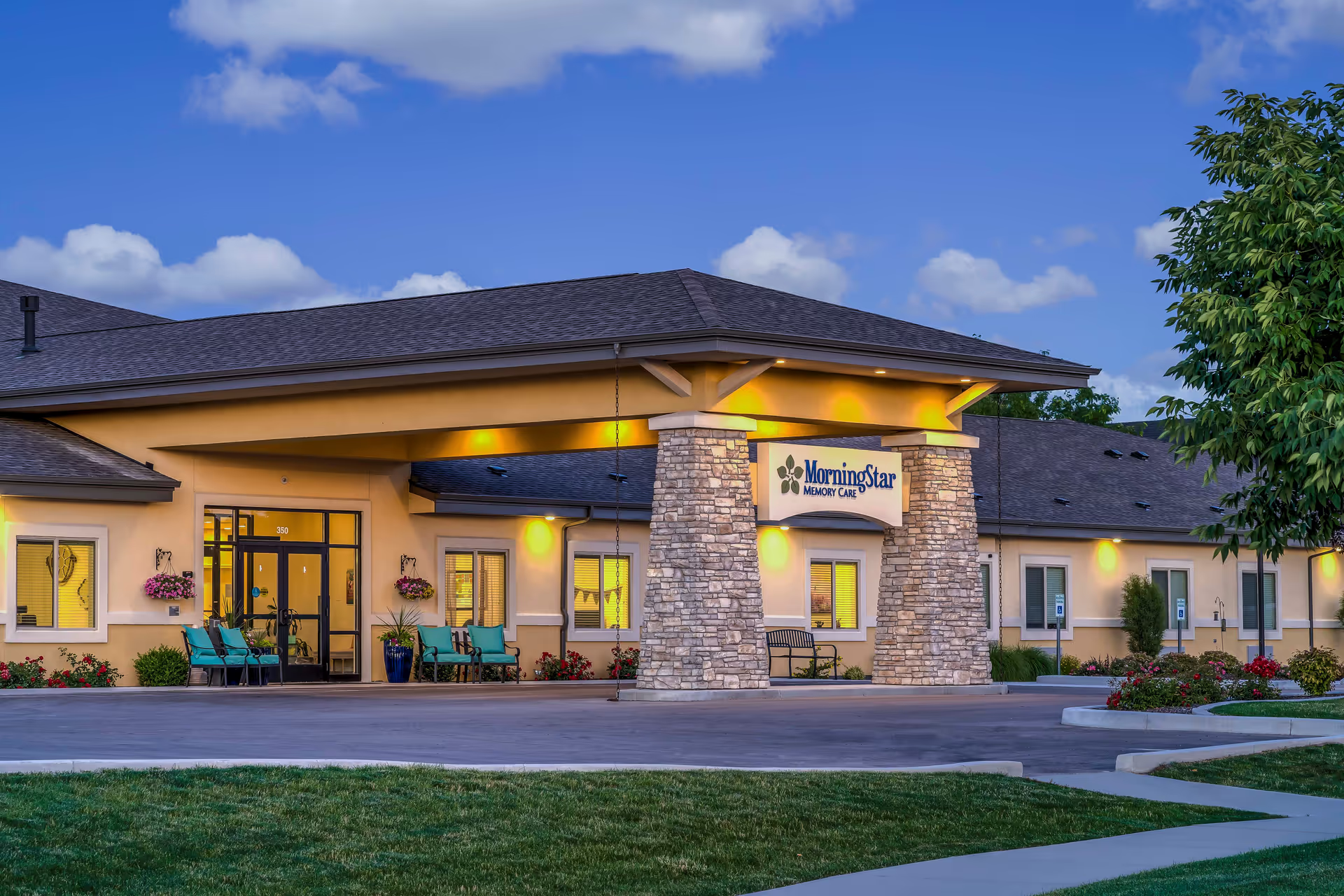
Activities and engagement: The community offers a range of daily activities, performers, outings, and social events (bingo, ice cream socials, entertainers), contributing to a lively social environment. Activity programming appears well suited to many residents, but engagement is described as uneven for those needing higher-acuity or memory-focused programming. Importantly, dedicated memory-care services are limited or unavailable on-site, which may affect suitability for residents with progressive cognitive needs.
Facilities and operations: The property and common areas are generally described as clean and well maintained, with helpful maintenance staff and pleasant outdoor spaces. Conversely, some families reported room-level cleanliness and sanitation issues and a cramped feel in certain shared or Medicaid-designated rooms. There are also operational gaps around personal-item tracking and laundry management that families should clarify during tours.
Management, communication, and billing: Management and specific administrators receive positive mention for being informative and kind; COVID-19 precautions and outdoor visiting policies were handled professionally according to several accounts. Yet, persistent themes include inconsistent communication (including delayed notifications of critical events) and unclear billing or invoice presentation. Families are advised to get written expectations on communication protocols, billing practices, and incident notification.
Bottom line: Edgewood Spring Creek Overland presents as a smaller, community-oriented option with many strengths in staff compassion, social programming, hospice coordination, and facility upkeep. Trade-offs to consider are variable direct-care staffing reliability, inconsistencies in meal quality and room-level sanitation, limited memory-care capacity, and operational gaps in communication and billing. Prospective residents and families should tour the community, meet nursing leadership, review care-plan and notification procedures, and confirm specifics about laundry, item tracking, and dining continuity to ensure the facility’s operational practices match their care needs and expectations.