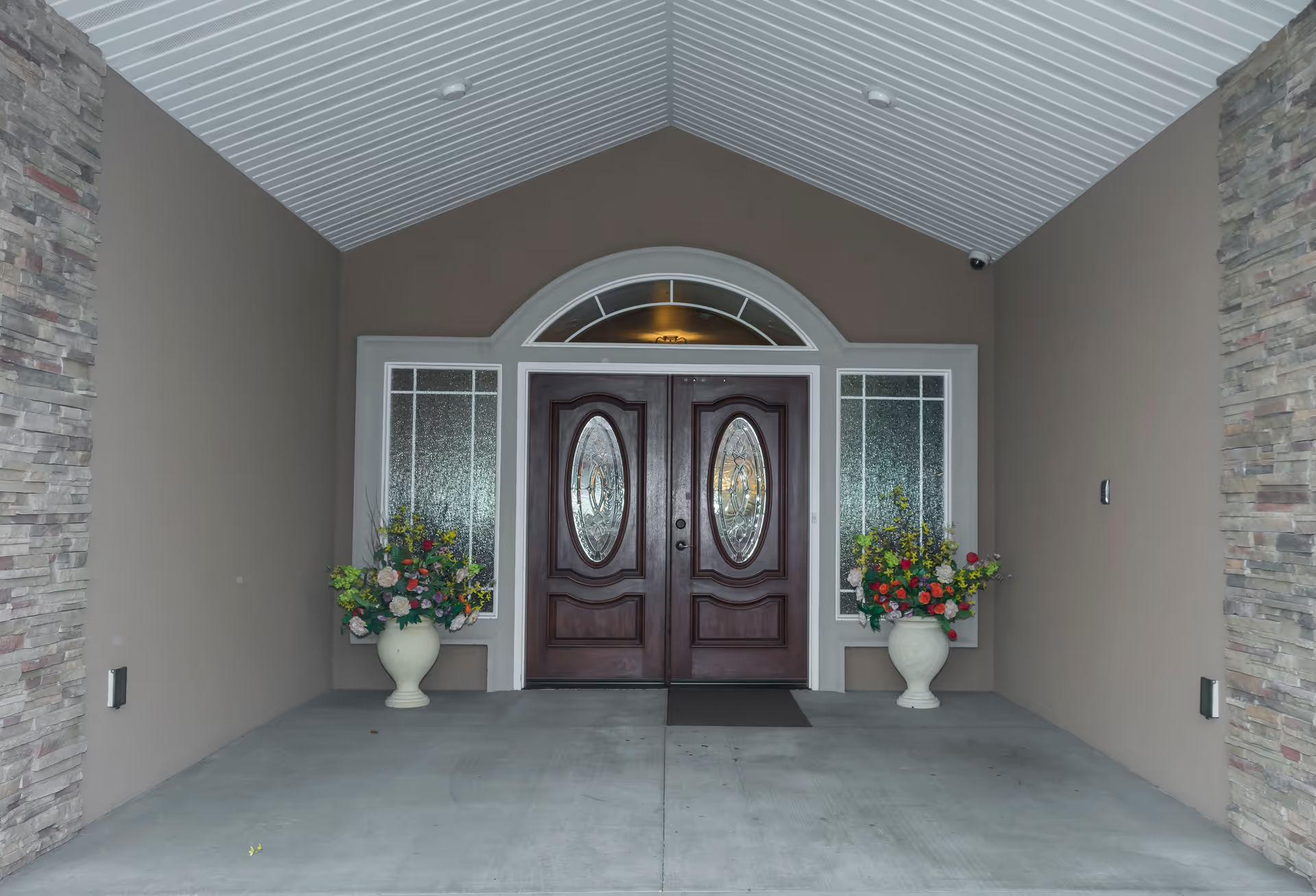
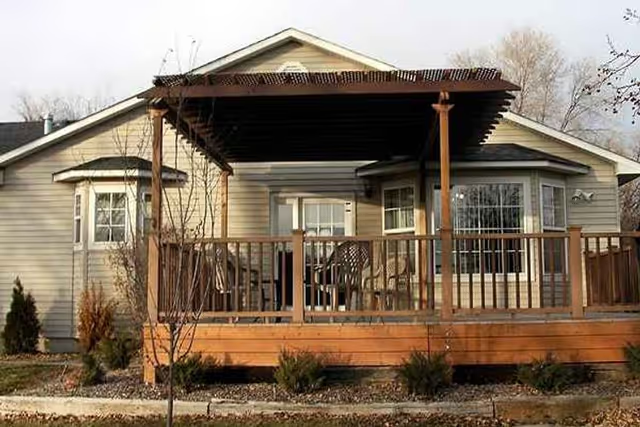
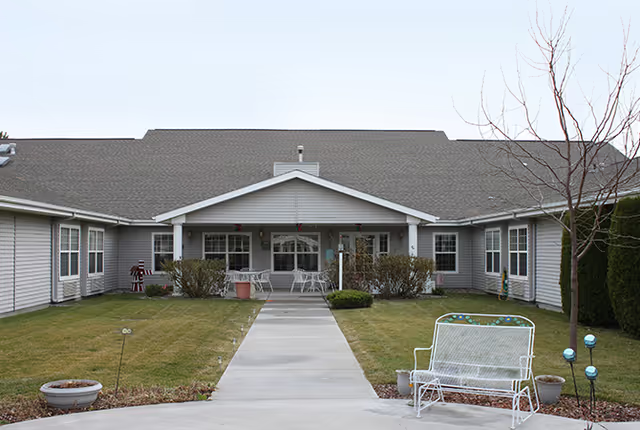
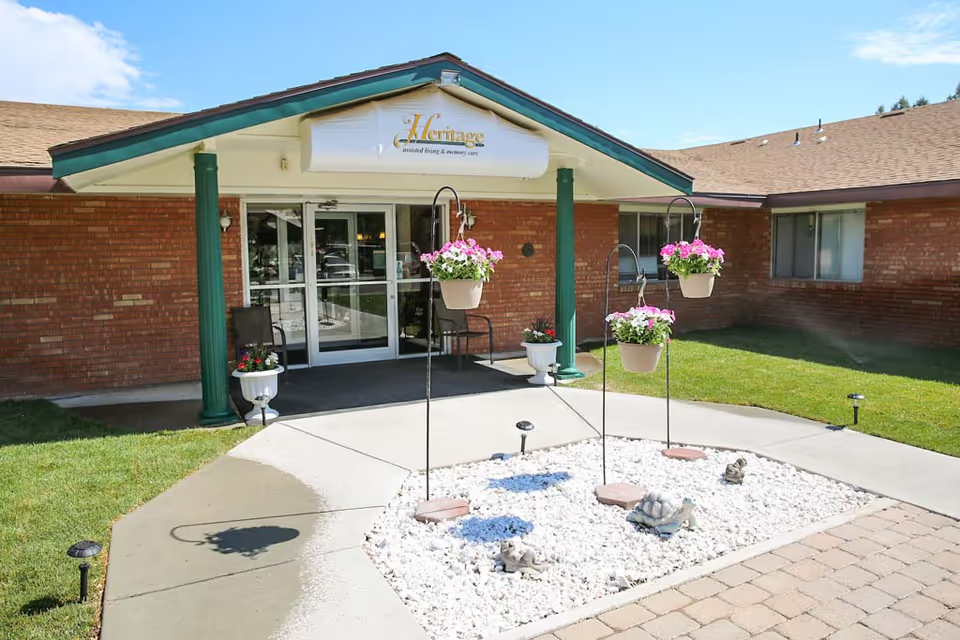
Highland Estates receives frequent praise for the interpersonal qualities of its staff and for common-area upkeep. Many families describe caregiving staff as warm, compassionate and accessible, and several reviews singled out individual employees and front-desk personnel for clear communication and helpfulness. The facility runs a visible activities program (cooking classes, bingo, outings and similar events) that many residents enjoy, and routine services such as weekly housekeeping and daily trash removal are often noted. On-site amenities — an in-house hairdresser, a courtyard and comfortable front seating — contribute to a home-like environment that several families found reassuring.
Alongside these strengths, a consistent pattern of operational weaknesses appears across reviews. Staffing levels are a recurrent concern: reviewers describe shortages (especially on weekends and in the memory-care unit) that lead to reduced check-ins and delayed assistance. Related clinical issues include inconsistent medication administration and follow-up, and instances of inadequate nursing assessment or care-level placement at admission. These clinical and staffing inconsistencies have, in some accounts, affected safety and confidence in care.
Dining and activities are mixed: the kitchen provides three meals a day and several reviewers appreciated homemade options and menu variety, but others noted inconsistent food quality and meal preparation problems — notably portions or textures that are not modified for residents with chewing or swallowing needs, and occasional undercooked vegetables. The activity program is generally viewed as a strong point for assisted-living residents, though some families felt the memory-care wing offered fewer structured opportunities.
Facility maintenance is similarly mixed. Common areas are often described as clean and well-kept, but multiple reviewers raised sanitation or odor concerns in portions of the memory-care unit, and cited specific maintenance issues such as mold in bathrooms or dried food on high-touch surfaces. There are also inconsistencies in room quality and in the fulfillment of promised amenities (for example, Wi-Fi access in rooms). A small number of families described troubling safety events (falls, transfer/supervision issues) and delays in staff response; these narratives align with the broader concerns about staffing and fall-prevention practices.
Management impressions vary. Many reviewers praised responsive, empathetic managers who resolved issues quickly and fostered good communication, while others described broken promises or unsatisfactory follow-through on billing and amenities. There are also occasional questions about staff credential verification and training processes, which prospective families may wish to clarify.
For families considering Highland Estates, the dominant themes are strong interpersonal caregiving and an active communal environment, set against operational variability that can affect clinical safety and maintenance in certain units. Prospective residents and families should ask targeted questions during a visit: current staffing ratios by shift and unit, medication administration protocols and error-tracking, fall-prevention and mobility-support procedures, documentation of promised amenities (Wi‑Fi, room features), sanitation and maintenance logs for memory-care areas, and how the facility supports texture-modified diets. Observing the community at different times (including evenings and weekends) and speaking with both management and direct-care staff can help clarify whether Highland Estates’ strengths align with a particular resident’s needs.