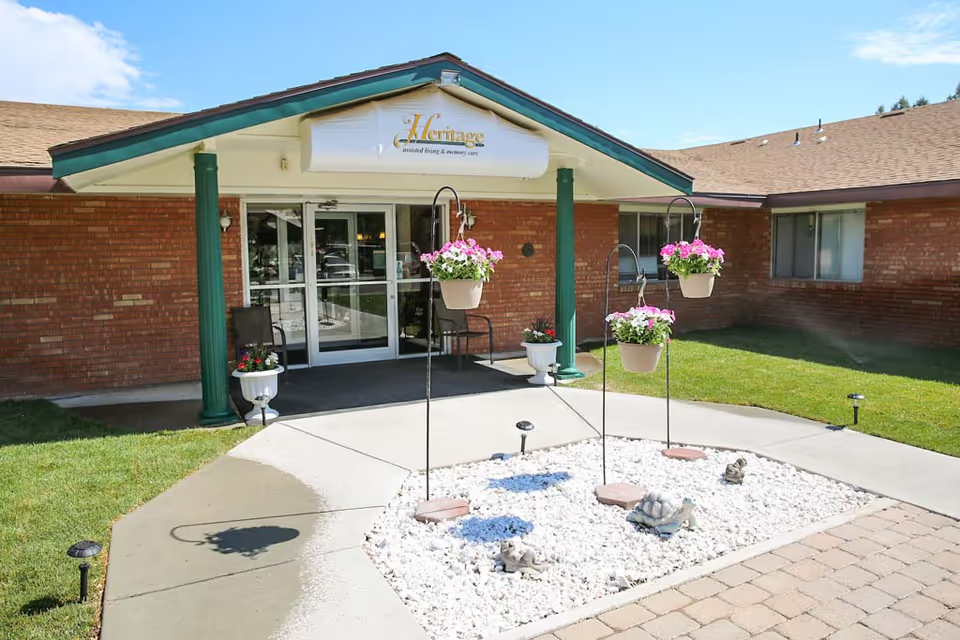
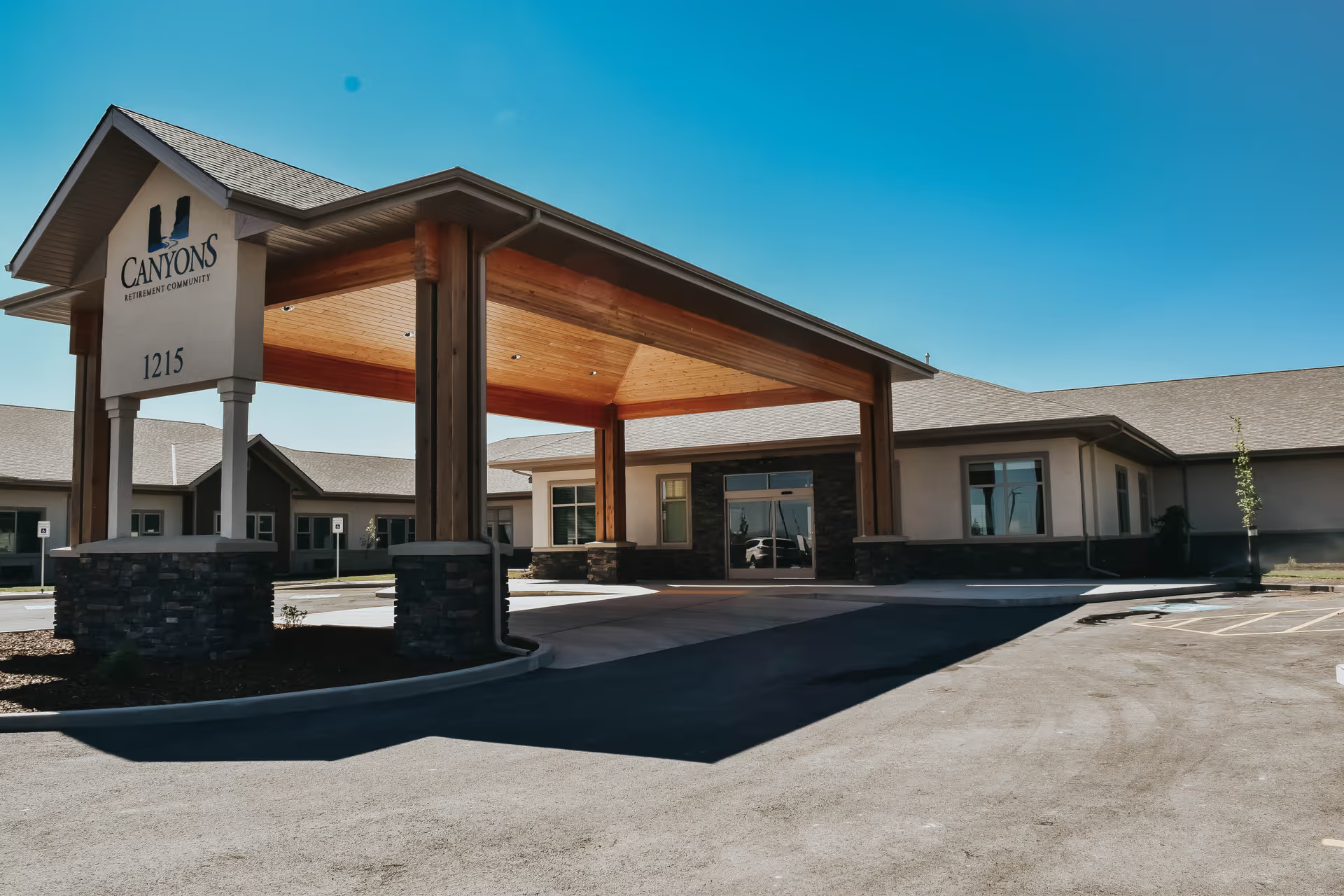
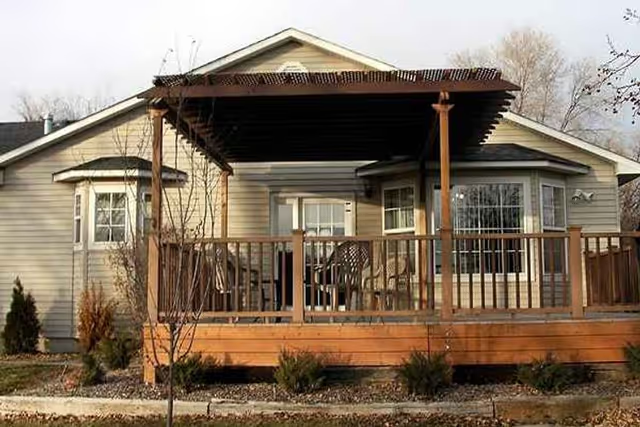
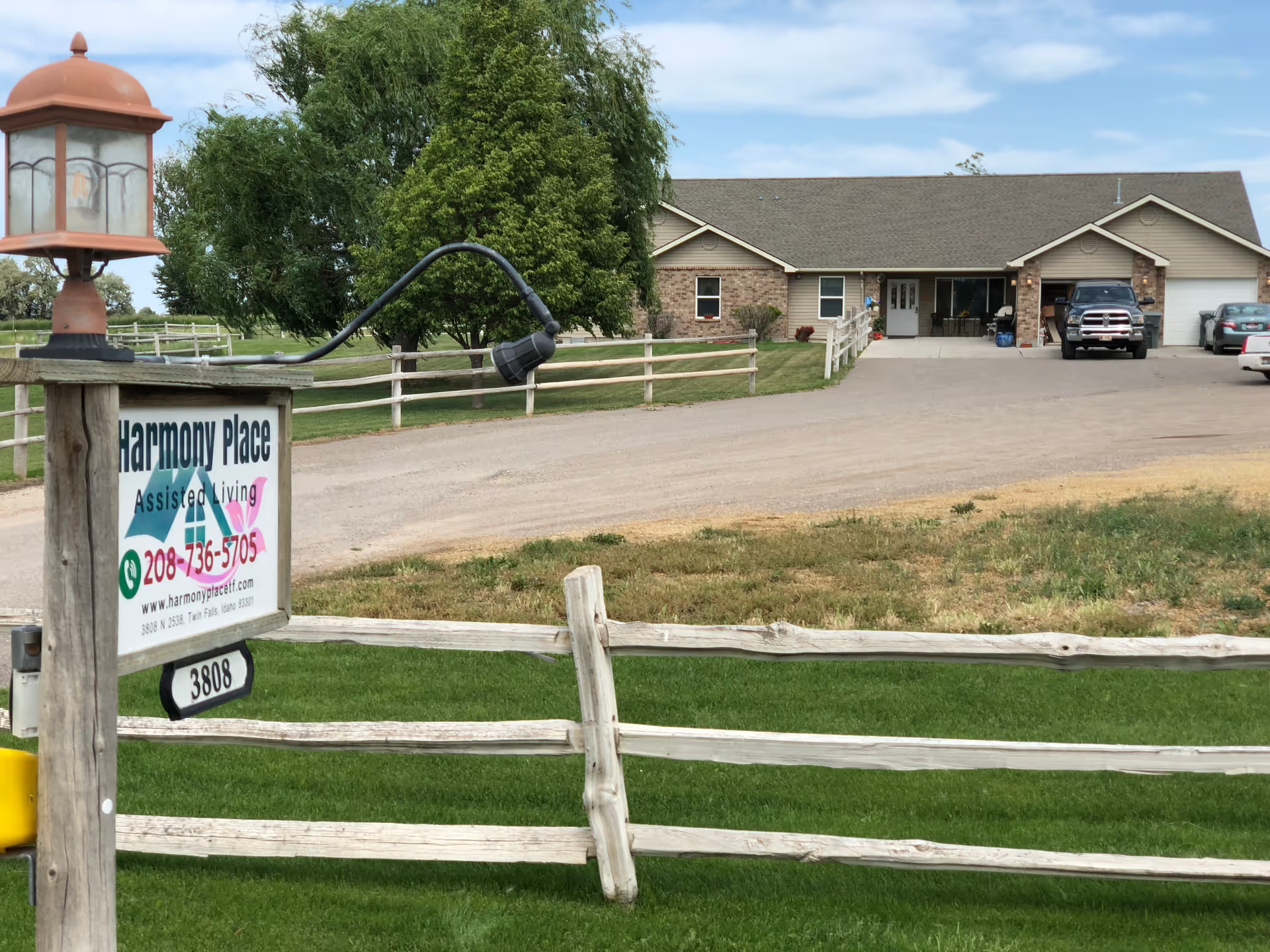
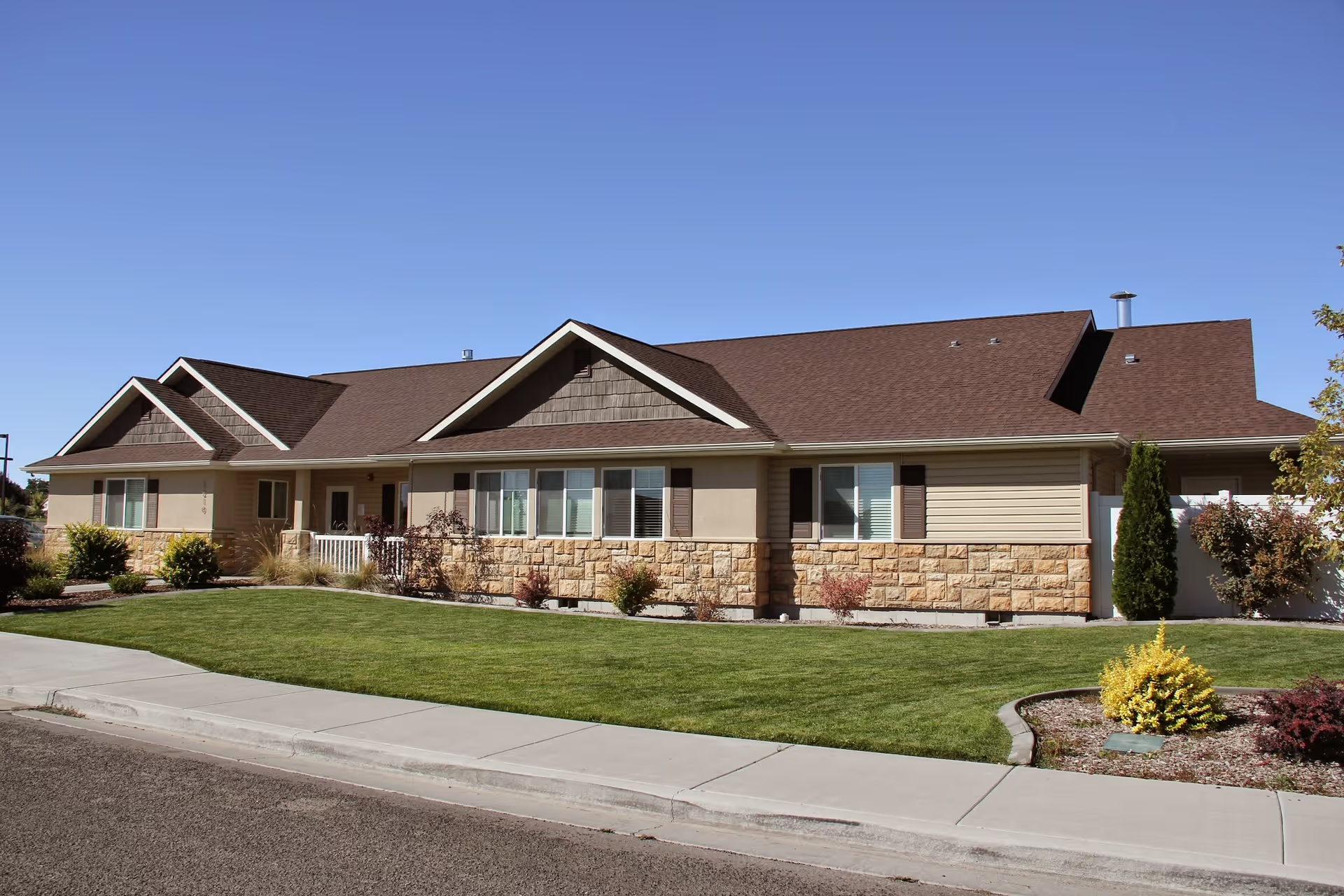
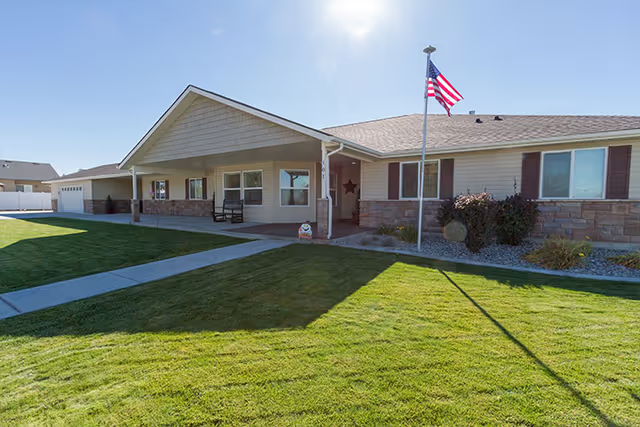
Reviews describe a small, home-like assisted living community with several durable strengths alongside operational inconsistencies. Strengths most frequently cited include a compassionate and engaged caregiving staff that often forms personalized relationships with residents, a clean and well-kept appearance in common areas, a robust activities program (exercises, crafts, outings and field trips), and family-oriented touches such as monthly family dinners and coordinated gatherings. Many families praised on-site amenities — salon, gym, courtyard, enclosed patio and multiple communal areas — and found the atmosphere warm, safe and comfortable.
Care quality is described in mixed terms. Numerous accounts emphasize attentive, respectful care and improvement in residents’ mood or functionality after admission. However, other accounts highlight important gaps in clinical capability: inadequate dementia-care training and insufficient de-escalation skills for residents with paranoia or behavioral symptoms, and operational weaknesses around clinical coordination (including catheter and incontinence-care management). These clinical gaps are frequently linked to understaffing and to staff who are overextended during busy periods.
Staff and management are frequently praised for compassion, approachability and visible engagement; individual administrators and nurses received positive mention for communication and responsiveness. At the same time, reviewers describe variable experiences with staffing consistency, including periods when the team is stretched thin. Housekeeping and laundry processes are described as reliable by many but inconsistent by others — examples include delays, missing bedding or ruined laundry — suggesting process gaps rather than uniformly poor performance.
Dining and activities are broadly regarded as strengths. Food quality is often described as good and sometimes chef-driven, meals are provided on a regular schedule, and a wide range of social and recreational programming is available. Noted limitations include constrained options for meal customization and occasional mismatch between menu and served items. Several reviewers also called out the facility’s pricing as relatively high for long-term stays.
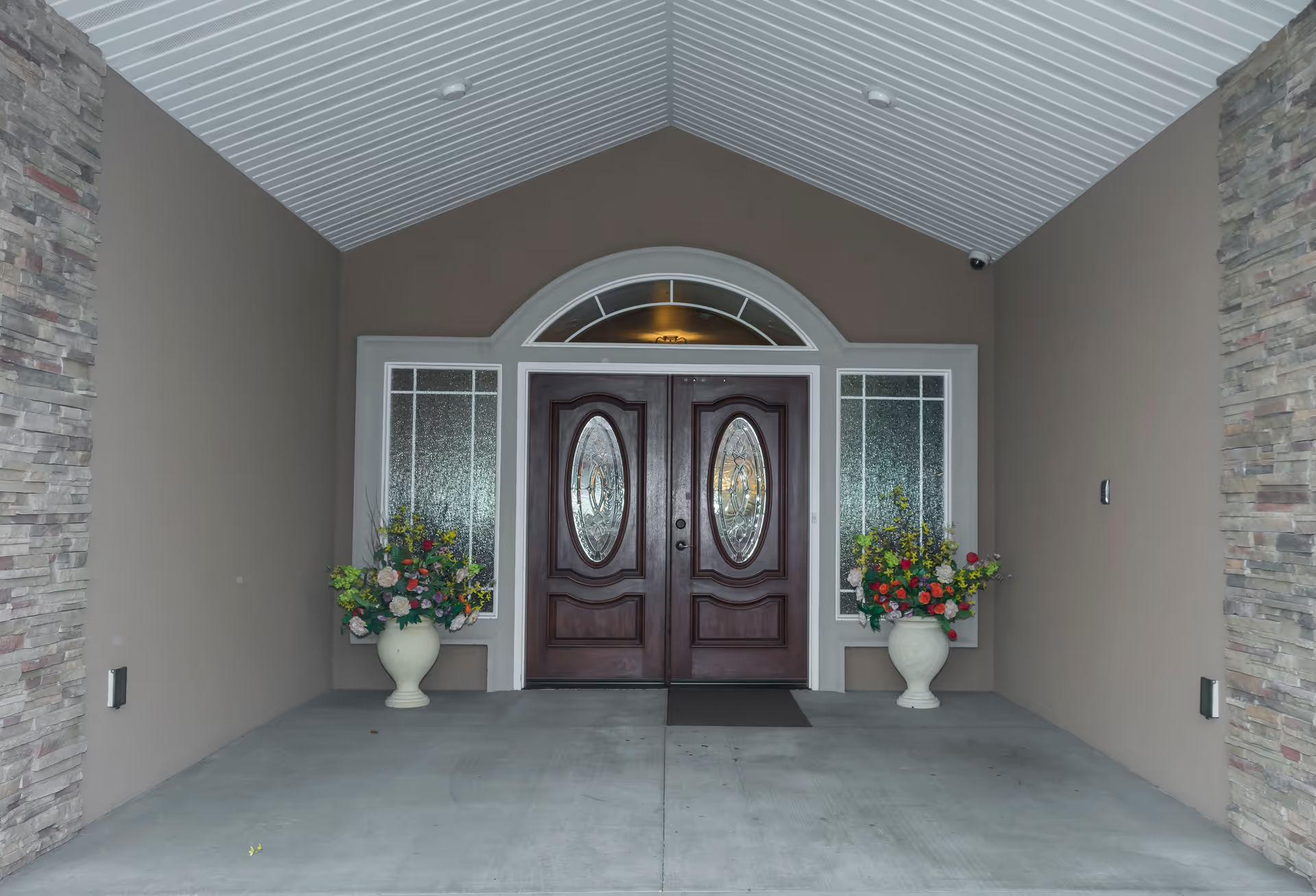
Facility condition is generally reported as attractive and well maintained in common spaces, with comfortable rooms and accessible bathrooms. A minority of reviews point to older-building characteristics, occasional maintenance or pest-control concerns, and variability in room-level cleanliness. Operational continuity issues — for example, long-term vehicle downtime, intermittent transport availability, or lapses in ancillary services — appear in some accounts and contribute to uneven experiences.
Overall, the pattern is one of a small, community-oriented facility with many families satisfied by the personal attention, activities and amenities, but with recurring operational themes that prospective residents and families should evaluate: staffing ratios and scheduling, dementia-care expertise, laundry and housekeeping protocols, clinical-care coordination (particularly for complex needs), meal customization options, and total cost. Asking for current staffing ratios, dementia-care training details, examples of clinical coordination, and written housekeeping/laundry procedures can help clarify whether the facility’s strengths align with an individual’s needs.