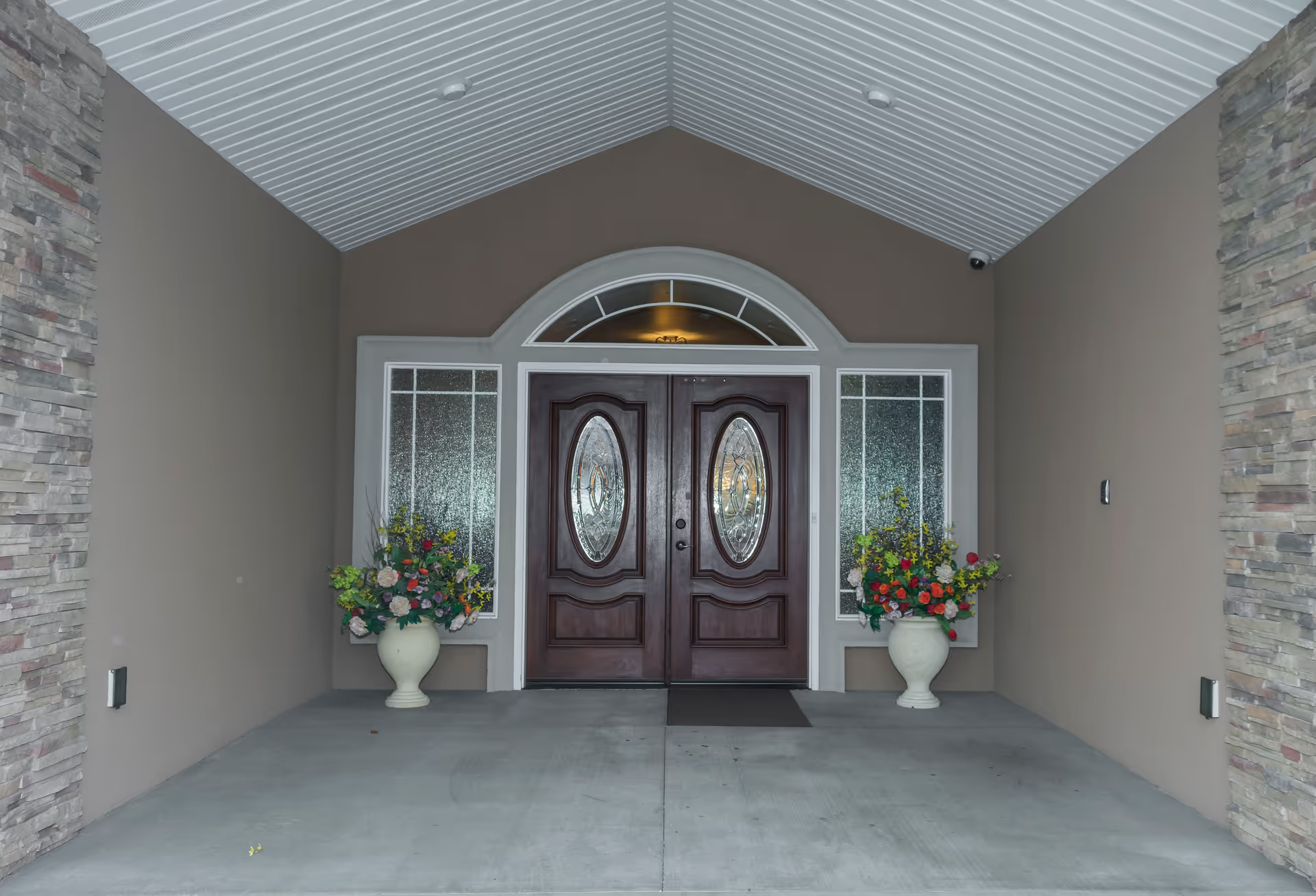
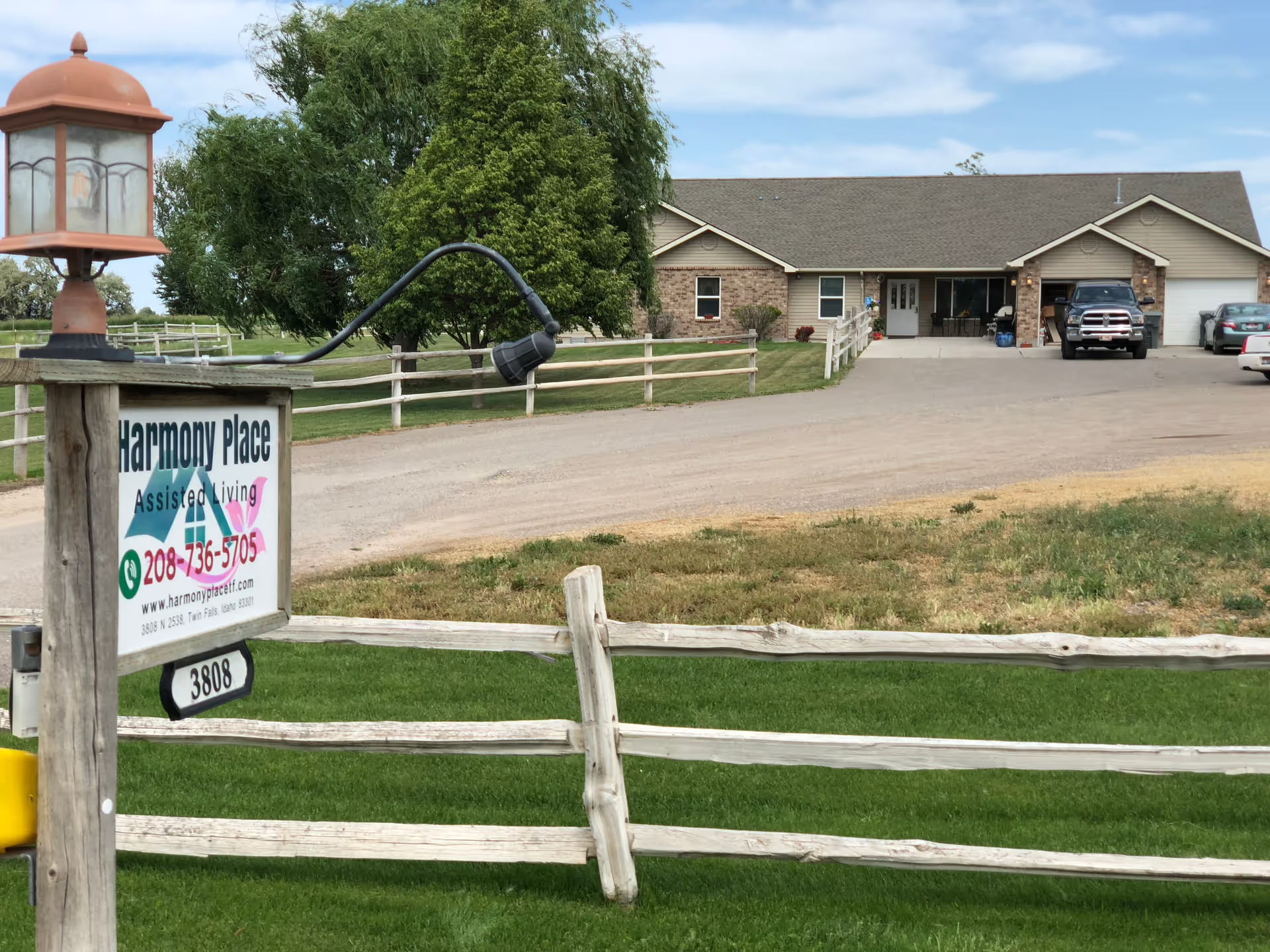
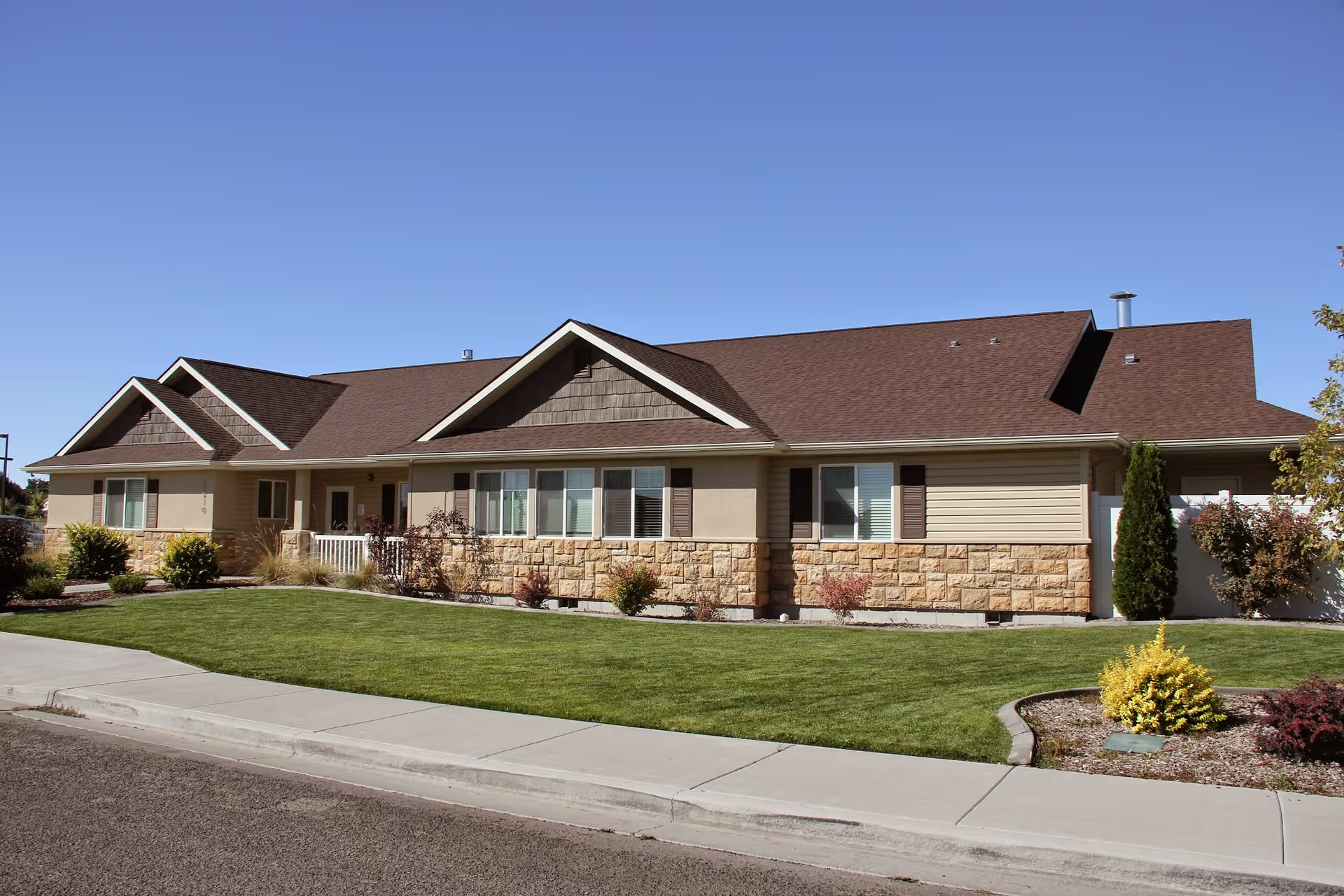
Overall impression: Reviews portray Ashley Manor Memory Care as a small, home-like memory care community with a strong emphasis on personalized, compassionate caregiving and close family engagement. Families consistently cite warm, patient staff interactions and an environment where residents are known by name and treated with respect. The facility is described as clean, well-kept, and dog-friendly, contributing to a homelike atmosphere that families find comforting.
Care quality and staff: Care is characterized by consistent staffing, low turnover, and staff who demonstrate dementia and TBI care knowledge. Reviewers emphasize individualized attention, prompt communication about health changes, and staff willingness to go above and beyond routine duties. The administrator is frequently named as an active, accessible presence; communication with families (including incident calls and photos) and collaborative decision-making are highlighted as strengths that provide families with reassurance and a sense of partnership.
Dining and activities: Families report that meals are enjoyed and that relatives may join for meals, indicating a degree of flexibility and family inclusion. Activity programming is visible to families via photos and updates, suggesting an emphasis on engagement and socialization. These elements appear to support improvements in mood and behavior for some residents, and reviewers note positive transitions and reductions in agitation in specific cases.
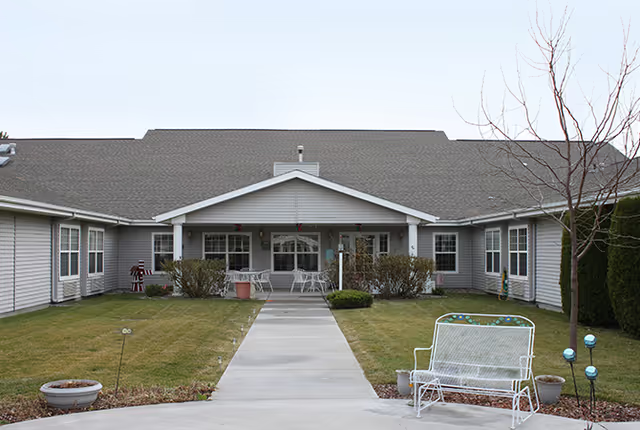
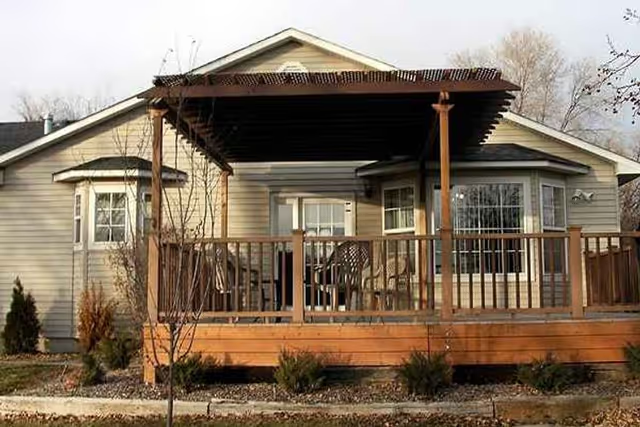
Facilities and environment: The setting is described as homey, clean, and well-maintained, with outdoor seating and pet-friendly policies that contribute to quality-of-life considerations. Personal care elements such as grooming and respectful interaction are repeatedly mentioned, reinforcing the facility's person-centered approach.
Management and notable patterns: Management and front-line leadership receive frequent praise for responsiveness and empathy; this consistency is cited as a major contributor to family confidence. At the same time, the concentration of praise on particular leaders suggests that continuity of that leadership is an important factor in perceived quality. Reviews provide less detail about formal clinical staffing ratios, standardized outcome tracking, or availability of specialized rehabilitative therapies. Prospective families should weigh the strong home-like, relationship-based model against the needs of residents who require higher-acuity medical services or formal therapy programs.
Bottom line: For families seeking a small, relationship-driven memory care environment with hands-on staff engagement, proactive family communication, and a clean, home-like setting, Ashley Manor appears to offer a compelling option. Families requiring extensive clinical services or seeking published clinical staffing metrics should request specific information about staffing levels, clinical coverage, and therapy availability during the admission process.