Overall impression: Reviews describe DeSano Place Village as a small, family-oriented assisted living and memory-care setting with many consistently cited strengths in caregiving, communication, and the social environment. Most comments emphasize a caring, well-trained staff, a home-like physical setting, and an emphasis on family involvement. Positive notes cluster around personalized, dementia-capable care and a generally pleasant dining and activity program.
Care and staff: The dominant theme is strong direct care. Many accounts highlight attentive, compassionate caregivers, a high staff-to-resident ratio, and specific memory-care competence. Reviewers frequently describe staff as professional, respectful, and able to maintain dignity for residents, including during transitional and end-of-life situations. At the same time, there are isolated but notable concerns about variability in staff conduct and tone; reviewers point to occasions when family members experienced brusque interactions or inconsistent responsiveness. Operationally, this suggests strengths in hiring and training paired with occasional gaps in consistency or oversight.
Dining and activities: Dining is repeatedly described positively — enjoyable meals, appealing desserts, and a dining area that supports social interaction. Activity programming appears predictable and engaging, with group games, walks, family events, and opportunities for peer interaction that contribute to a stable daily routine. These aspects support quality of life and family satisfaction in long-term stays.
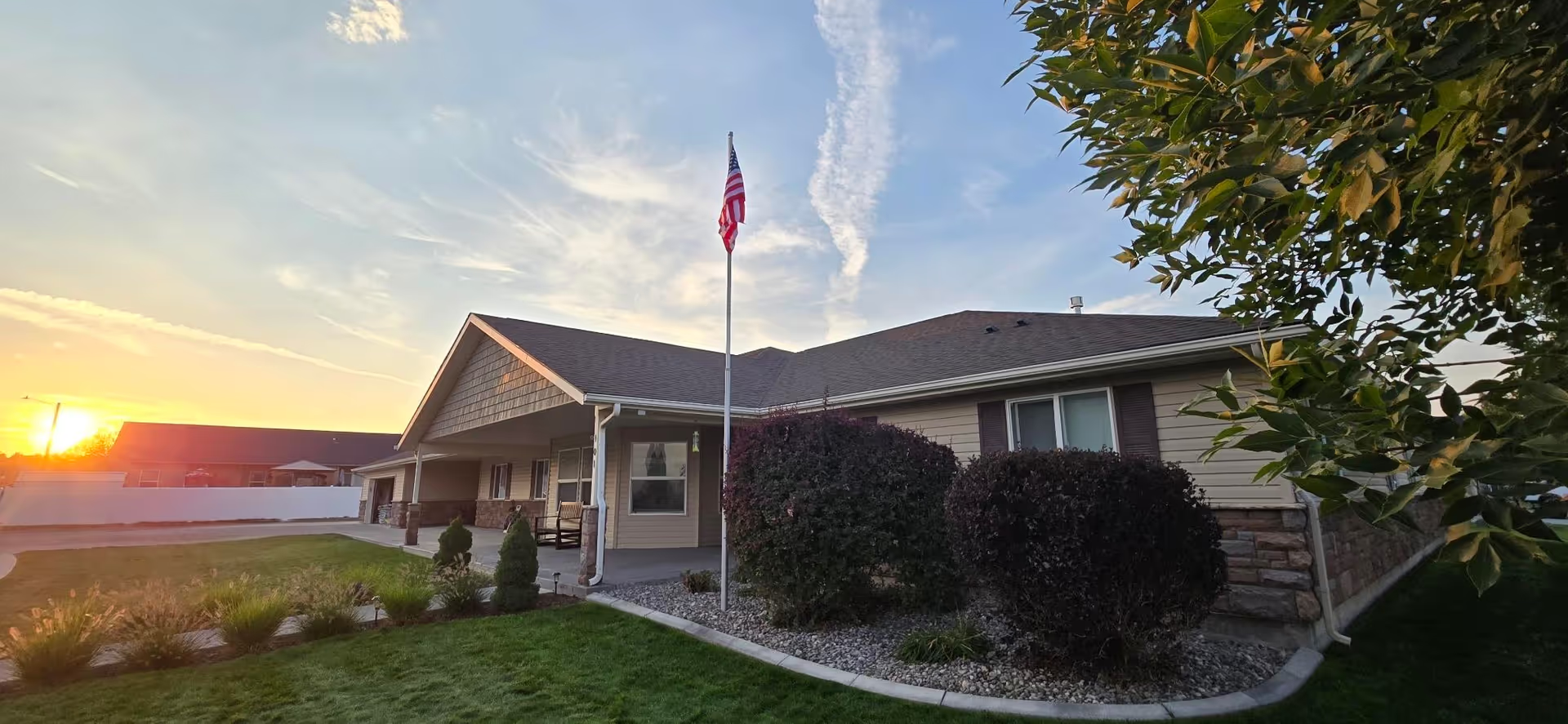
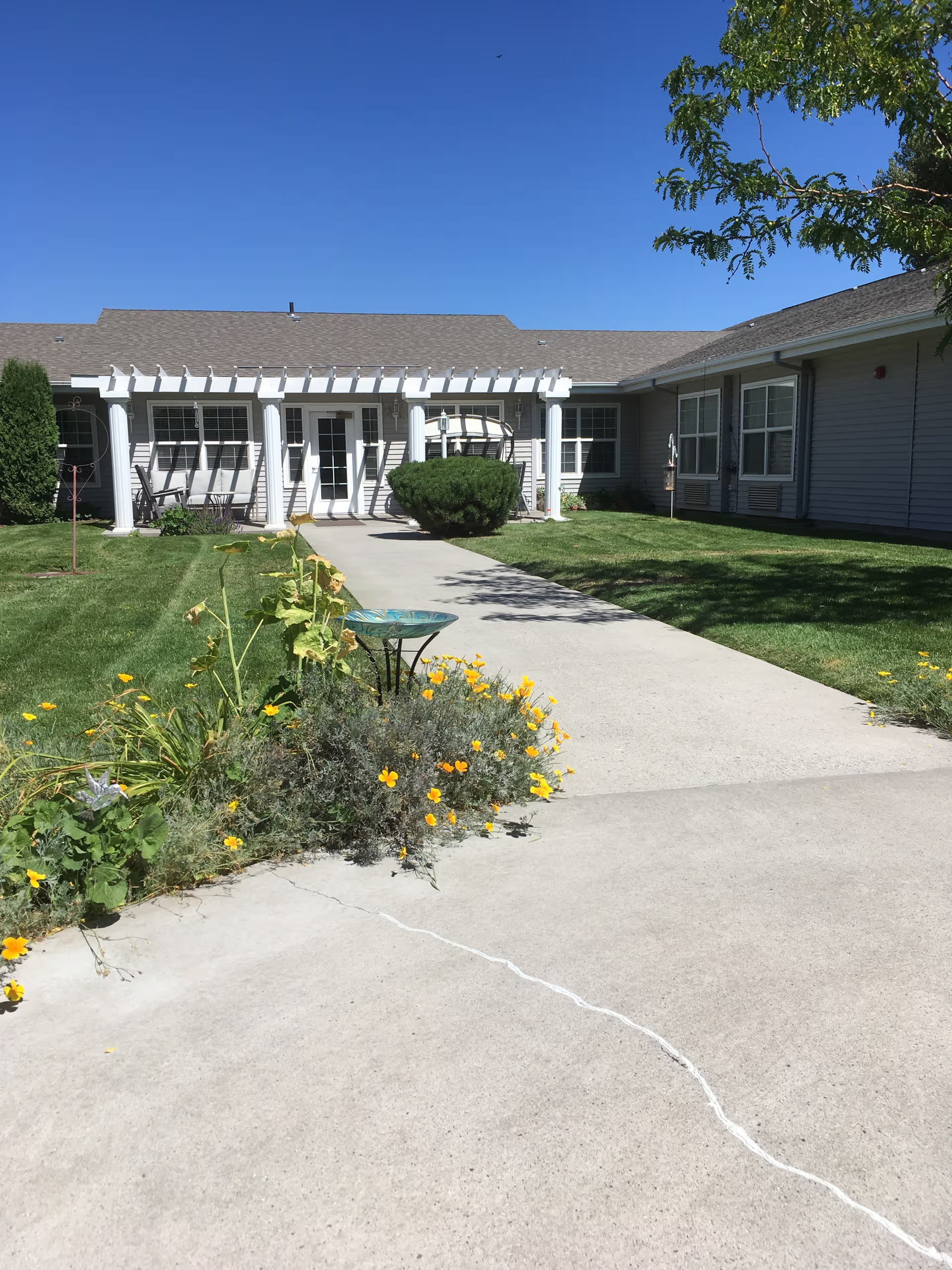
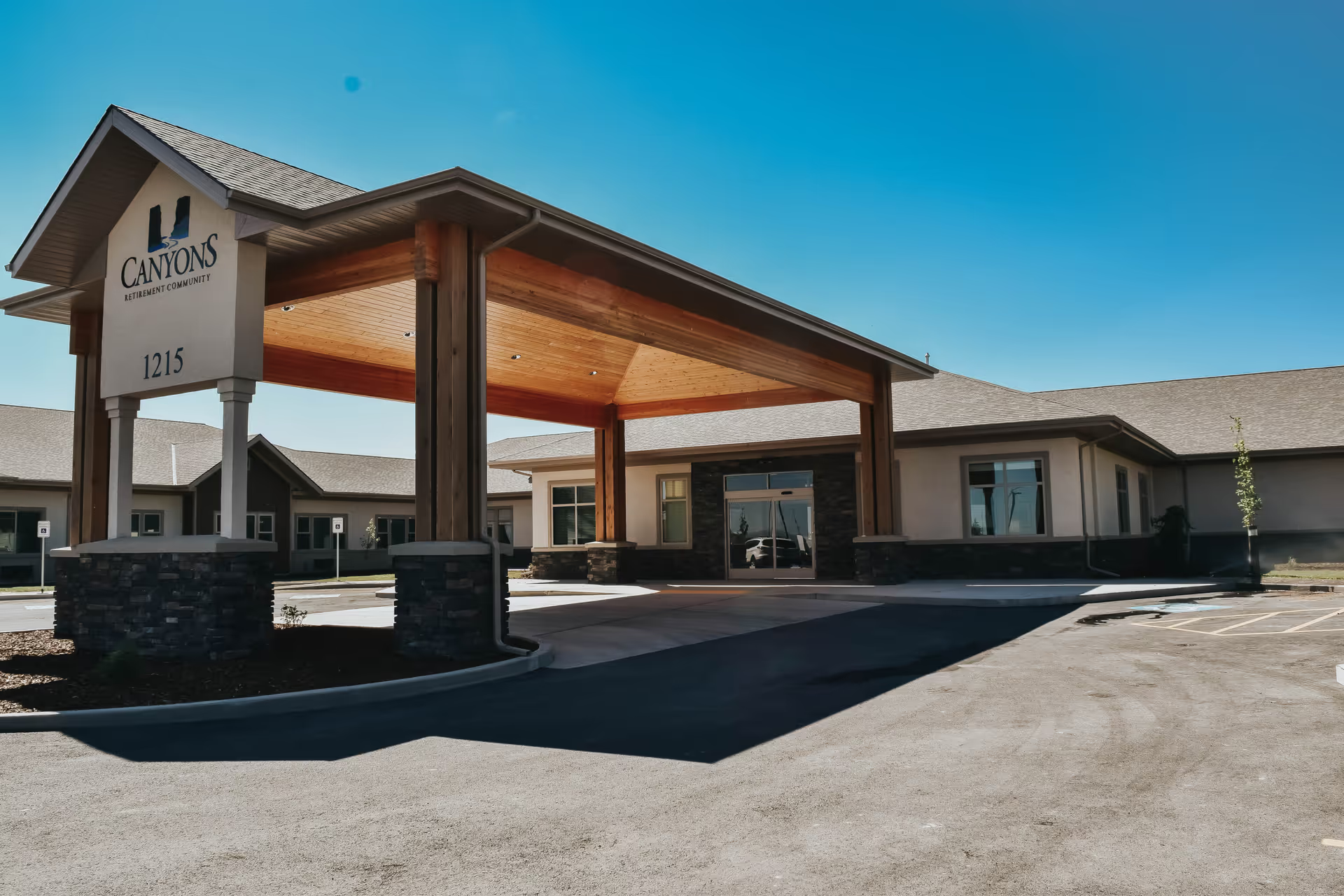
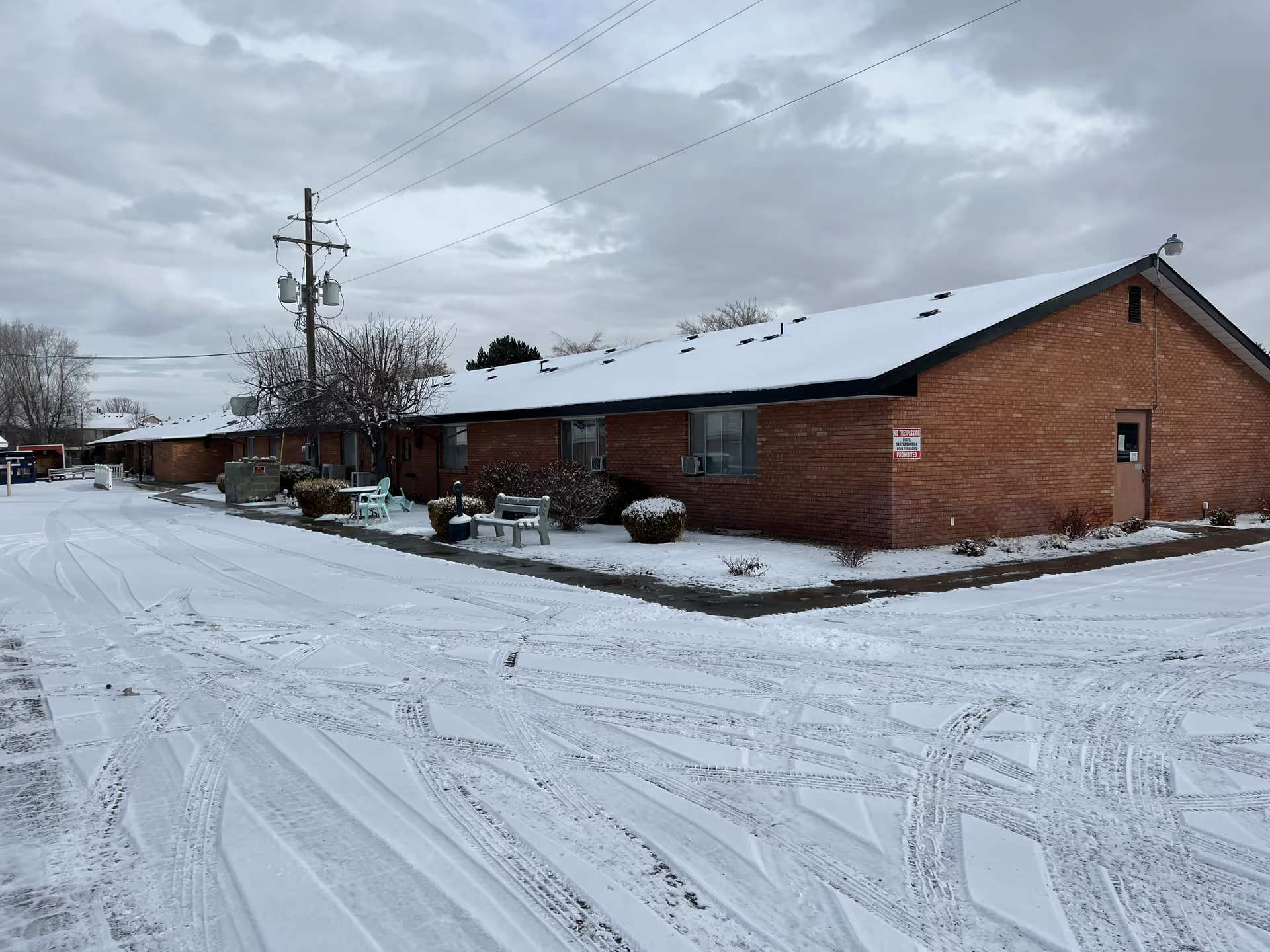
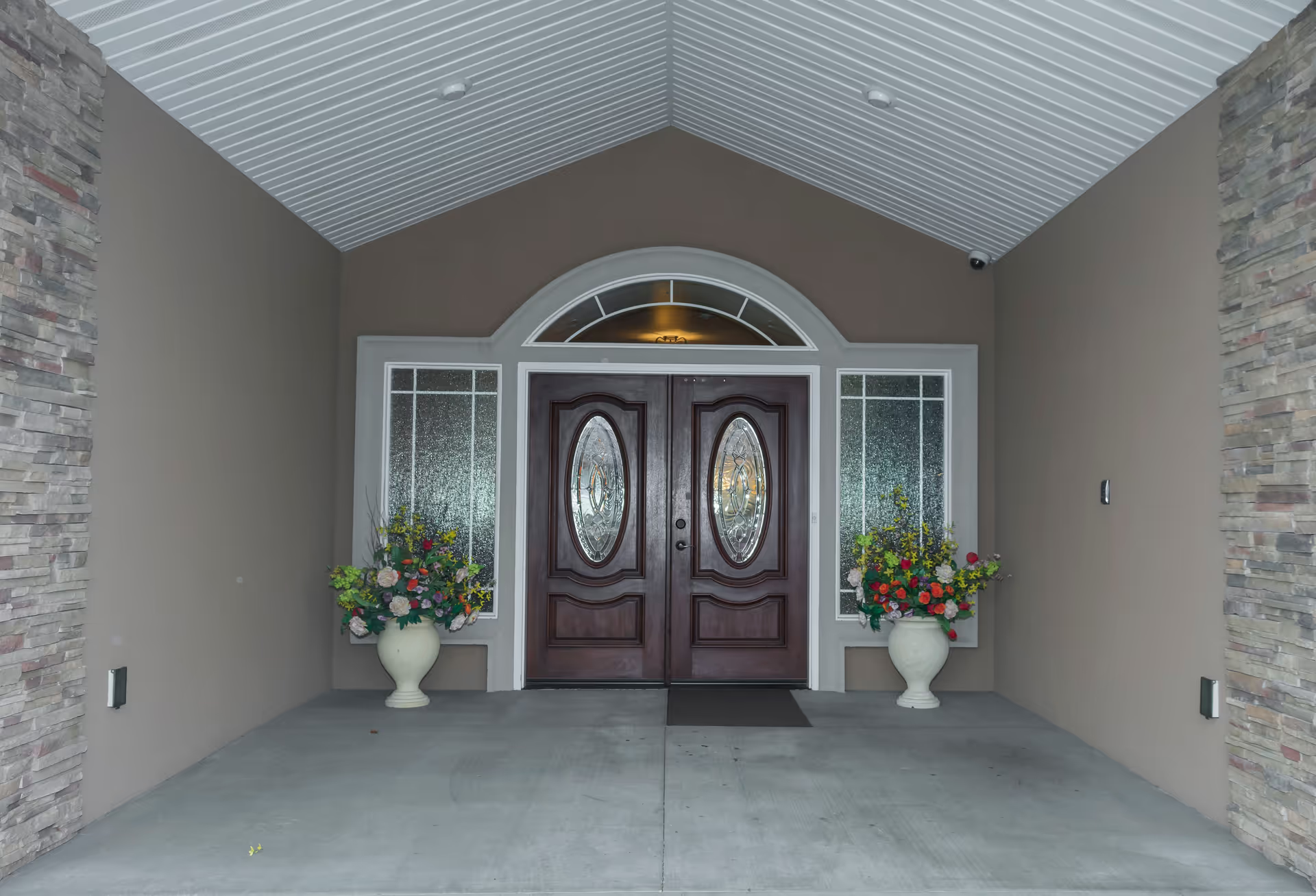
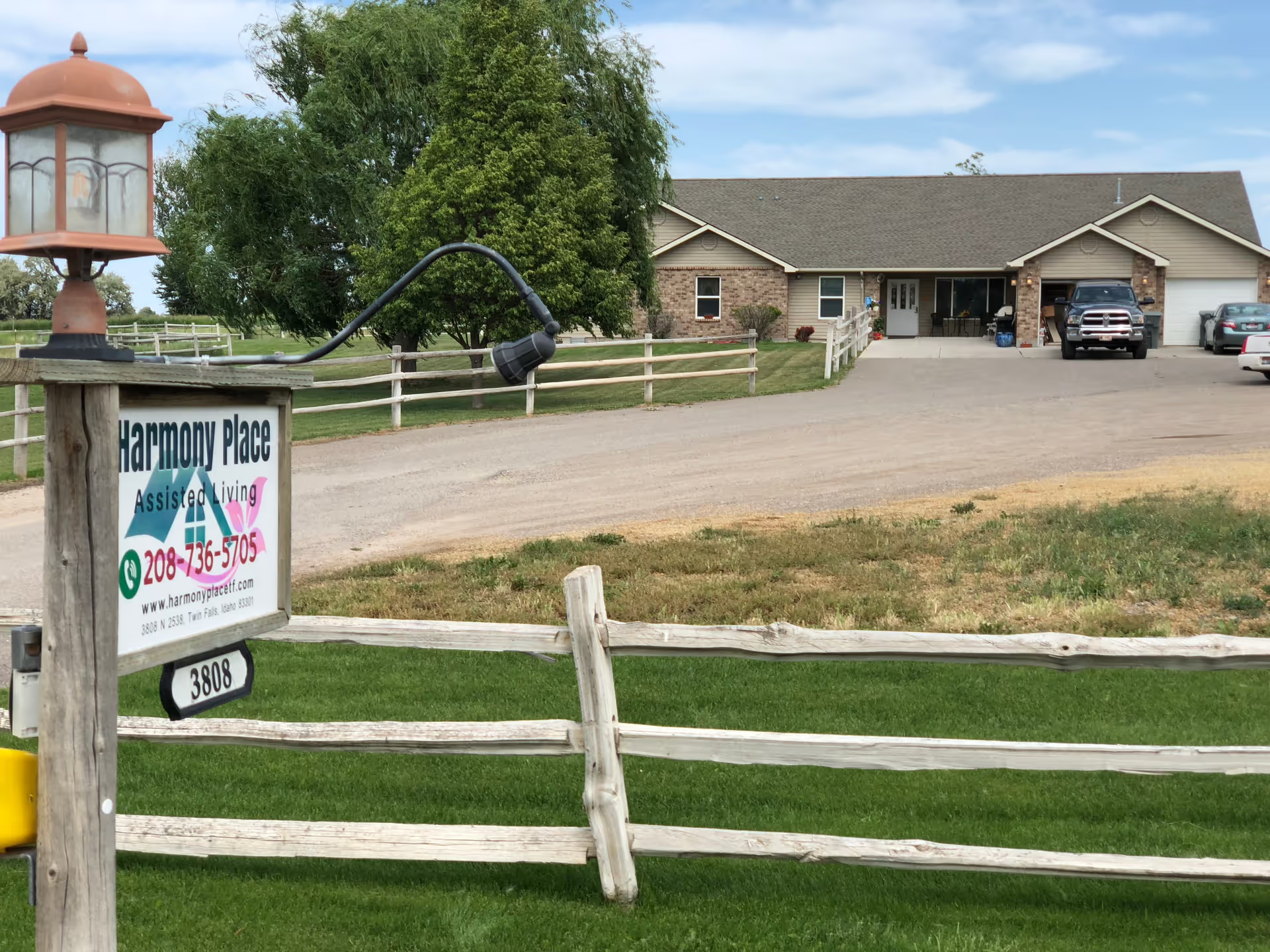
Facilities and management: The facility itself is characterized as clean, bright, and well-maintained, with spacious rooms, pleasant grounds, and easy outdoor access. Families often note a safe, peaceful atmosphere and a welcoming entrance. Management and ownership presence is frequently mentioned as a plus: owners and managers who are visible, transparent, and willing to work with outside advocates contribute to trust. A few operational limitations appear — limited weekend maintenance coverage and occasional rigid visitation controls — which may affect experience during off-hours or specific institutional events.
Notable patterns and cautions: The overall pattern is positive, with recurrent praise for individualized care, strong family communication (including photo/video updates), and a community-oriented atmosphere. Counterbalancing that, several operational themes merit attention for prospective families: inconsistent responsiveness to routine care needs, concerns about incontinence-care protocols, episodic variability in staff professionalism, and times when visitation rules felt restrictive. These items indicate areas where the facility’s culture and procedures may not be uniformly applied. Prospective residents and their families should tour the property, meet the care team, ask about staffing ratios and weekend coverage, review incontinence and end-of-life care protocols, and clarify visitation policies to ensure alignment with their expectations.