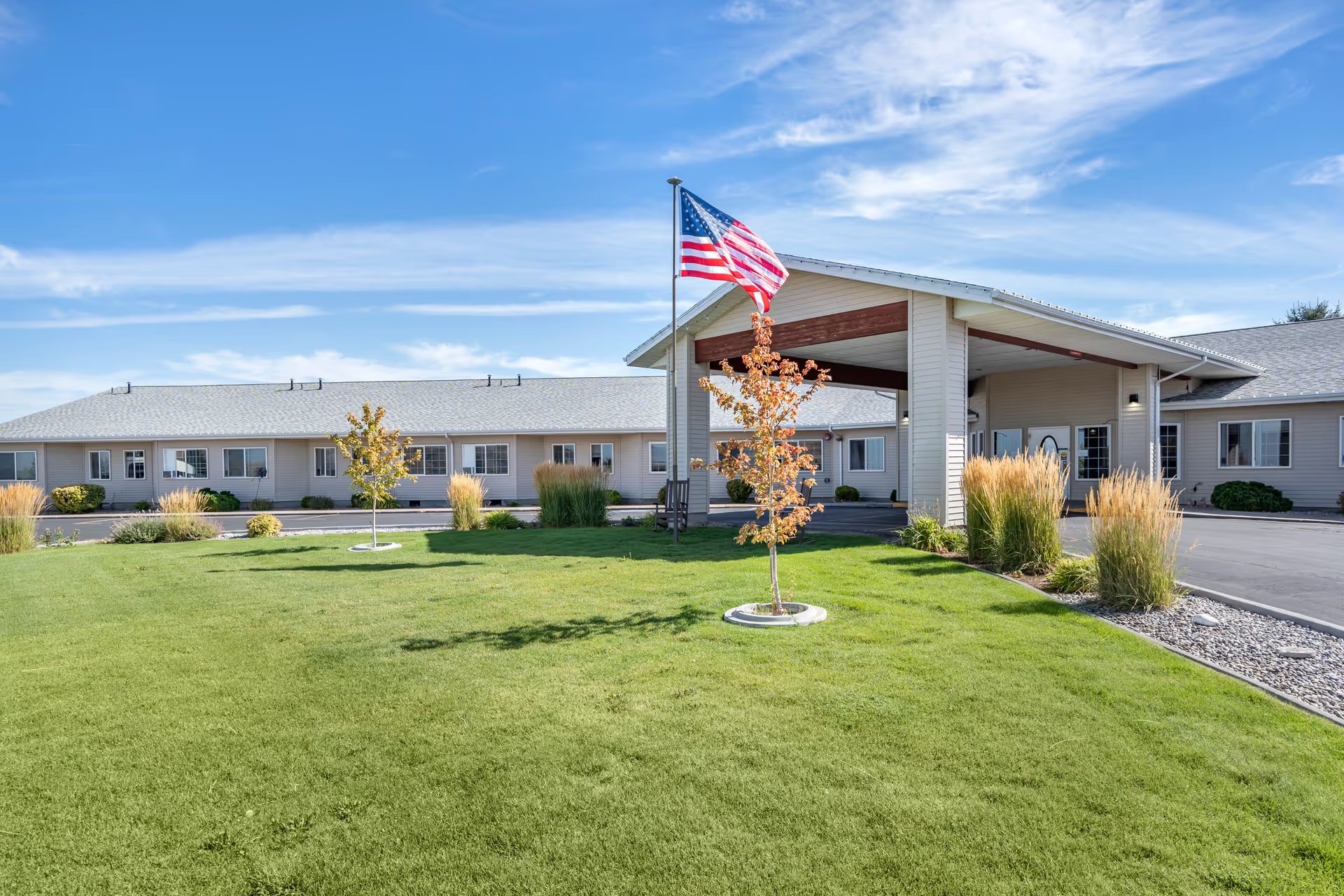
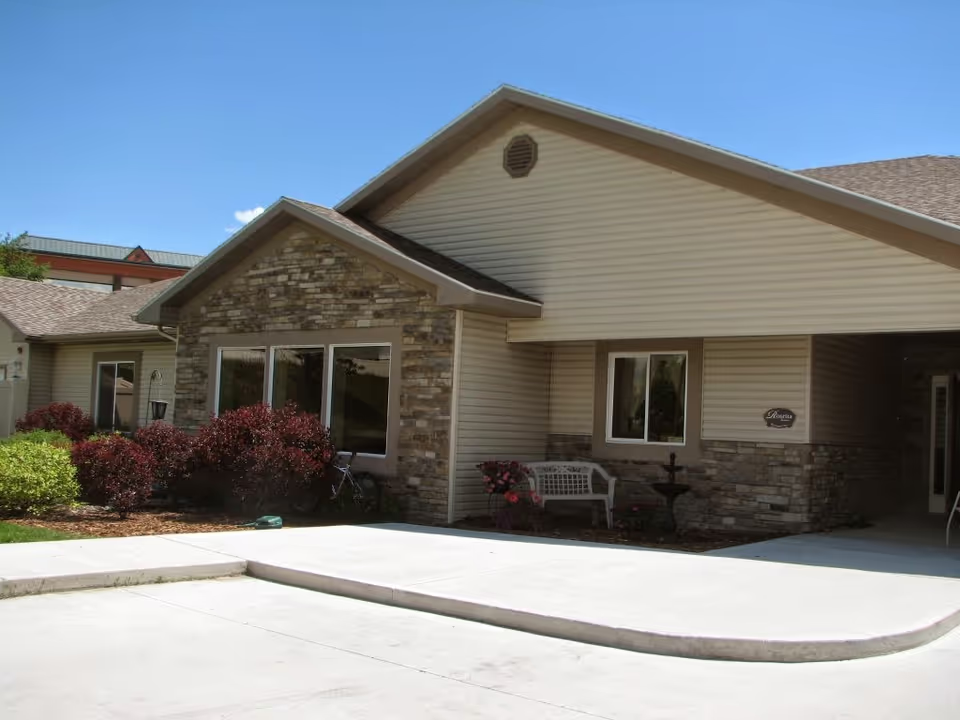
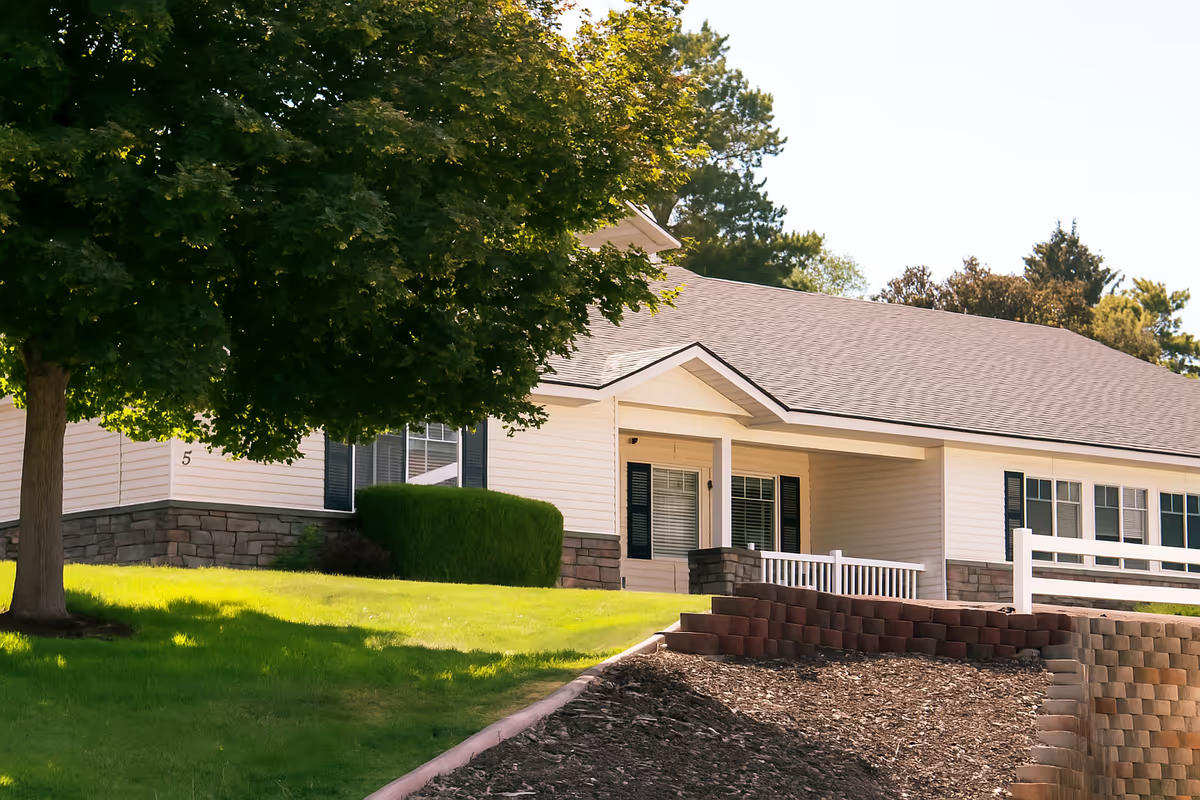
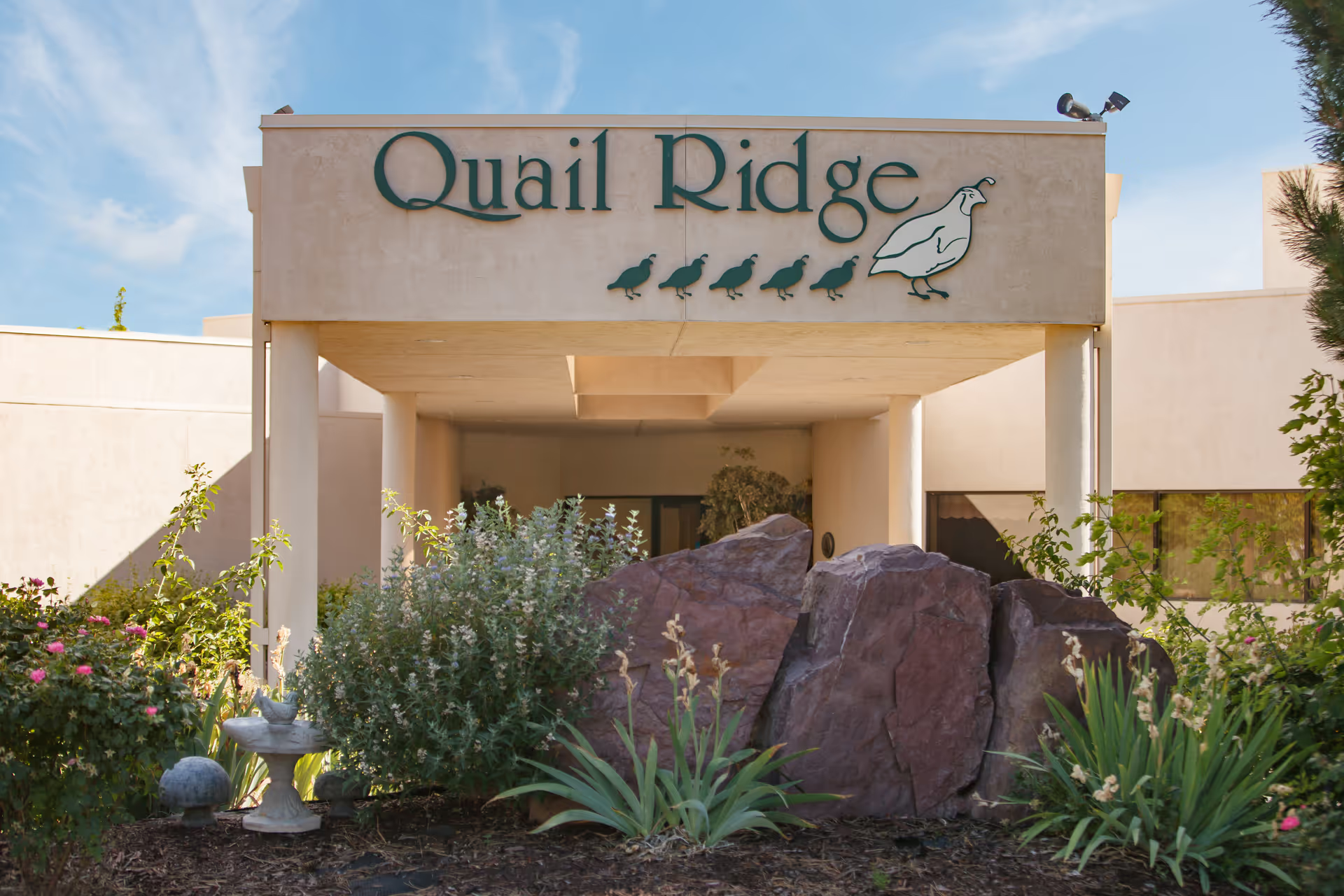
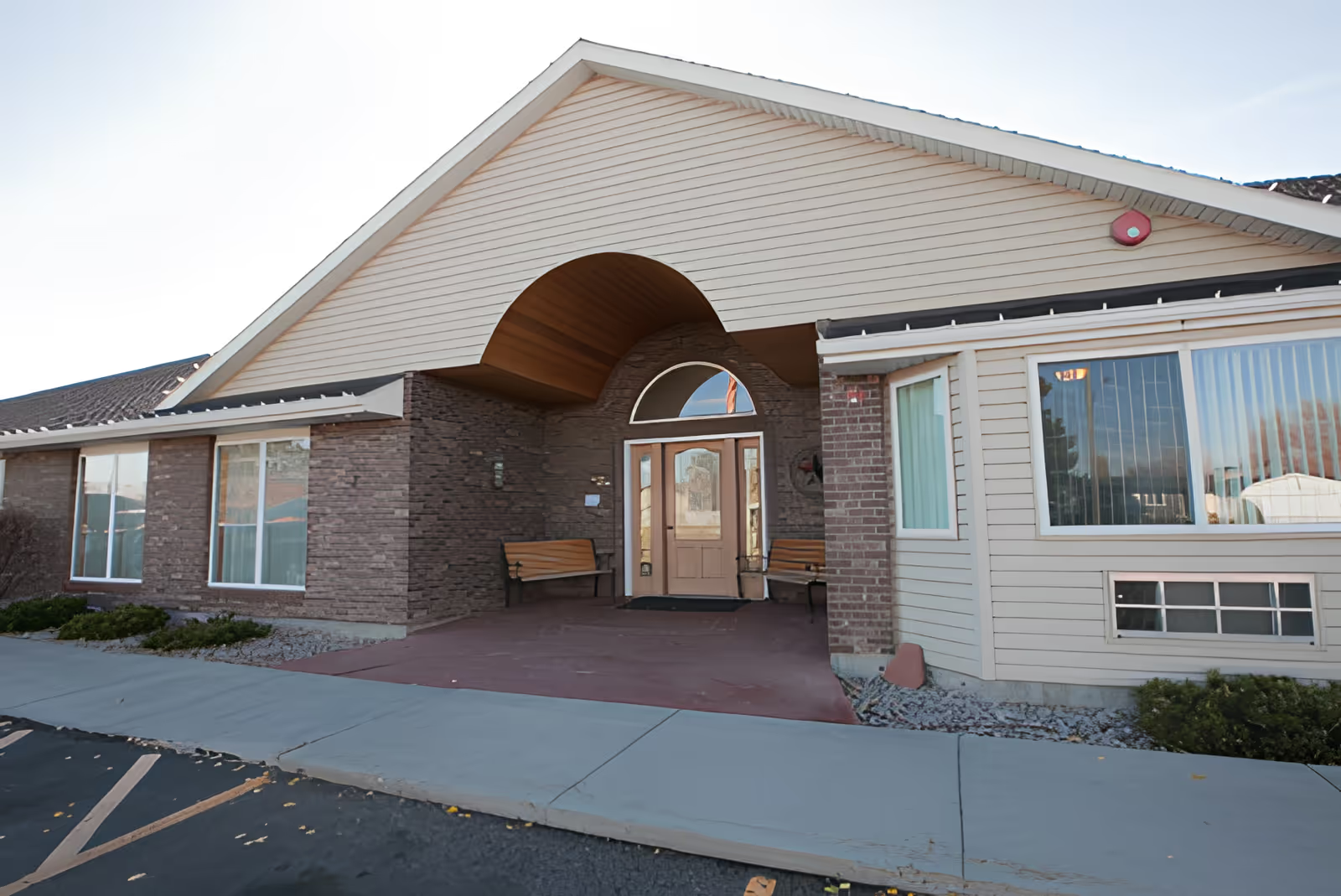
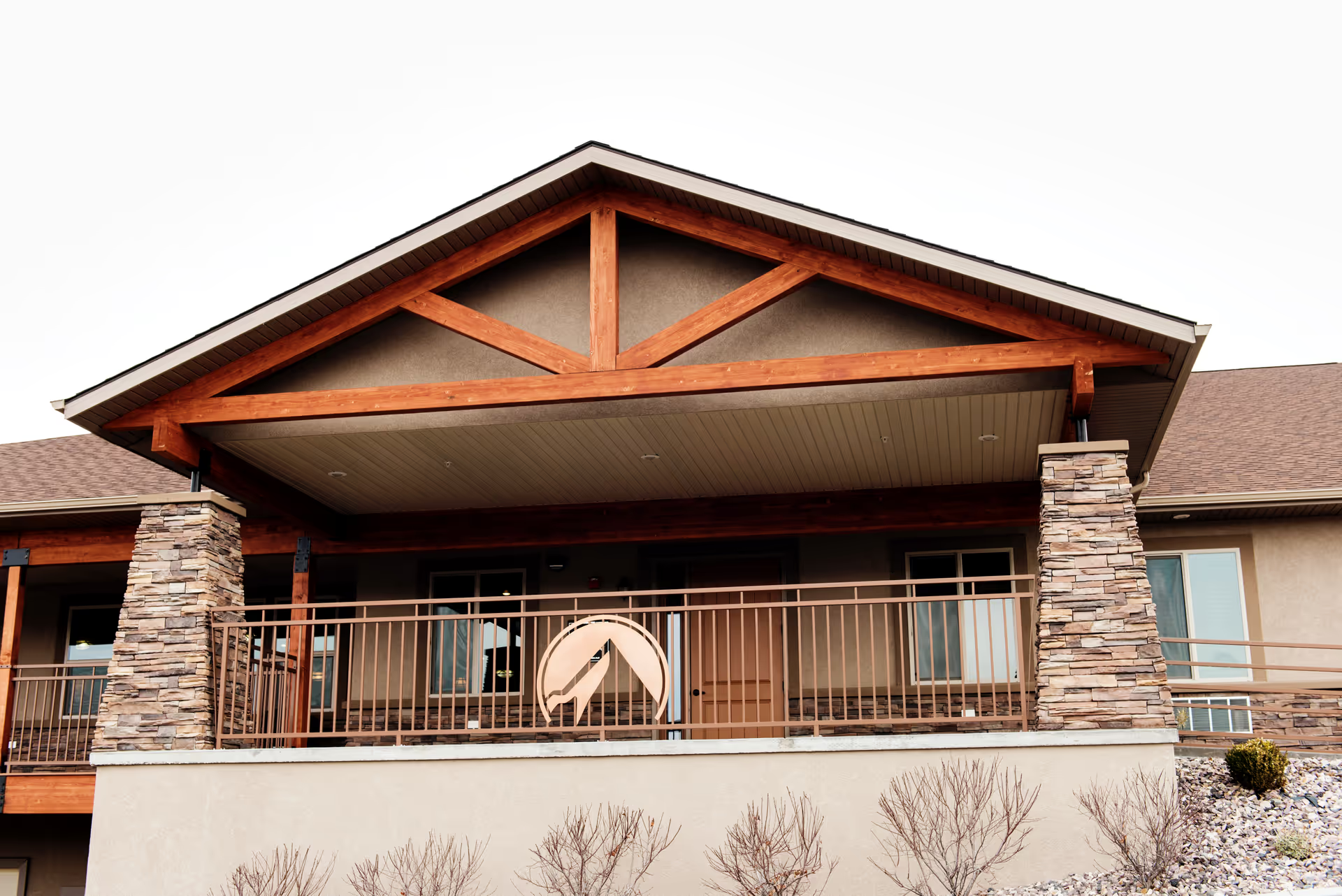
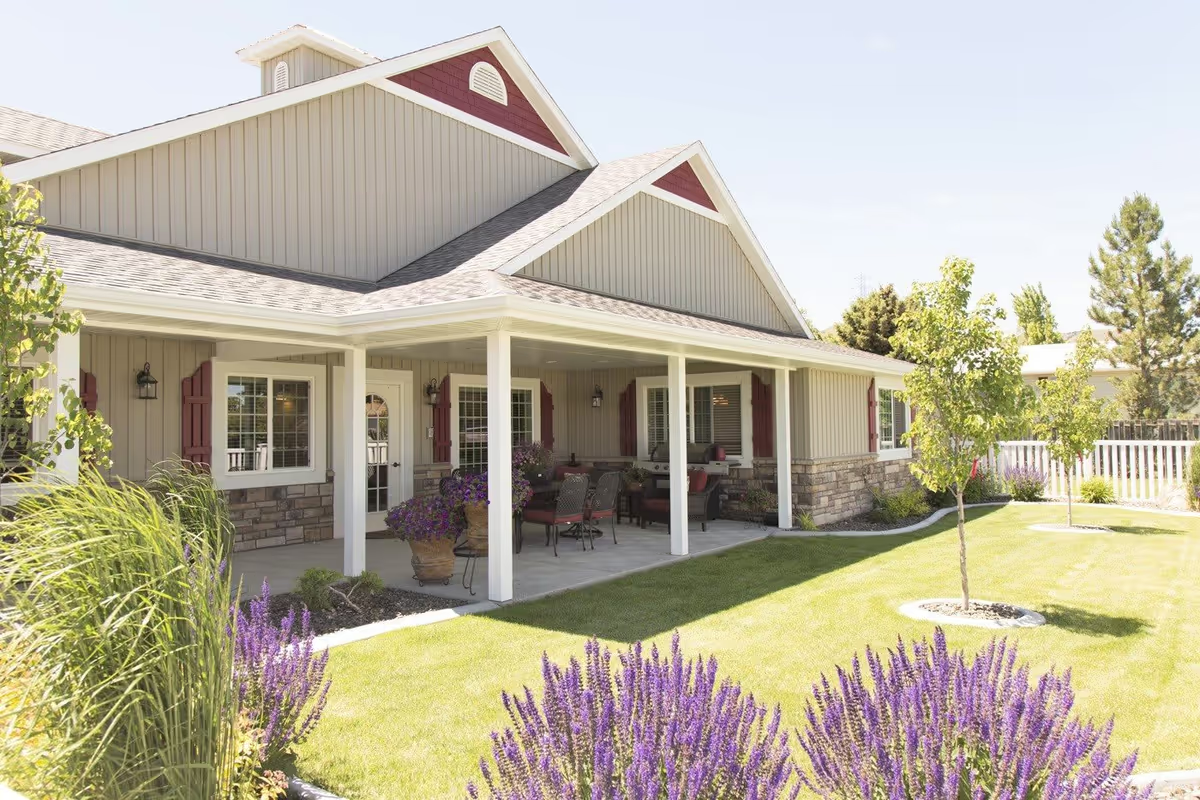
Brookdale Chubbuck elicits strong, recurring praise for its caregiving staff, cleanliness, and activity programing, while also showing several operational inconsistencies families should evaluate during a tour. Many families describe staff as compassionate, attentive, and communicative; nursing and caregiving teams are frequently credited with smoothing transitions from hospital to residence and providing reassurance during end-of-life moments. Housekeeping services (laundry, daily trash removal, weekly vacuuming) and a generally well-kept, sometimes recently upgraded physical environment contribute to an overall impression of a clean, hotel-like community with a spacious central dining room and welcoming common areas.
Care and staffing: The facility is characterized by responsive caregiving and round-the-clock coverage, and numerous reviews highlight specific staff members and nurses who go above and beyond. That said, operational strain appears intermittently: reviewers mention staffing shortages, turnover, and workload-related delays that can affect responsiveness. There are also isolated, serious allegations concerning medication administration and responsiveness in acute situations; these accounts are not the dominant narrative but represent a substantive concern families should discuss directly with management. Additionally, the community charges extra for medication-assistance services, so clarify which clinical supports are included in base pricing and which carry additional fees.
Dining and services: Dining receives mixed feedback. Several families praise the kitchen and hospitality staff for varied, nutritious meals and good service; others describe inconsistent food quality, portioning concerns, limited healthy options, or occasional lapses in meal-service practices. The community does demonstrate flexibility in accommodating special diets and individual requests, but prospective residents should confirm meal schedules, menu examples, and how special requests are handled. Ancillary services such as an on-site hair salon, transportation outings, and pet-therapy opportunities are frequently cited as positives.
Activities and memory care: Activity programming for the general population is a clear strength—daily boards, arts and crafts, games, exercise groups, movie nights, holiday events, and offsite lunches are common. These offerings support social engagement and family involvement. Reviews indicate a consistent difference in experience between the general assisted-living population and the memory-care unit. While some families found memory care compassionate and secure, others characterized it as less engaging or somber; there is a pattern of variability in programming intensity and atmosphere within the memory-support areas that merits direct inquiry.
Facilities and management: The physical plant is described as clean, often recently updated (carpet, furnishings), and arranged around a central hub that fosters social interaction. Safety elements such as locked exterior doors are in place. Management and the marketing team are frequently praised for clear explanations and follow-up, though there are periodic comments about leadership tone and isolated incidents that raise concerns about staff conduct. High points include visible administration involvement in events and regular family communication; low points include perceptions of busy staff and occasional inconsistency in operational practices.
Recommendation and next steps: For families prioritizing attentive, personable staff; regular activities; and a clean, community-oriented environment, Brookdale Chubbuck appears to be a strong candidate. Prior to moving in, ask specific questions about medication administration protocols, staffing ratios and turnover, how memory-care programming is structured, fee schedules for medication assistance or higher levels of care, meal-service policies (portions, special-diet accommodations), and the availability of private rooms. An in-person visit focused on these operational points—plus speaking directly with nursing leadership about clinical oversight—will help determine whether the facility’s strengths align with a prospective resident’s needs.