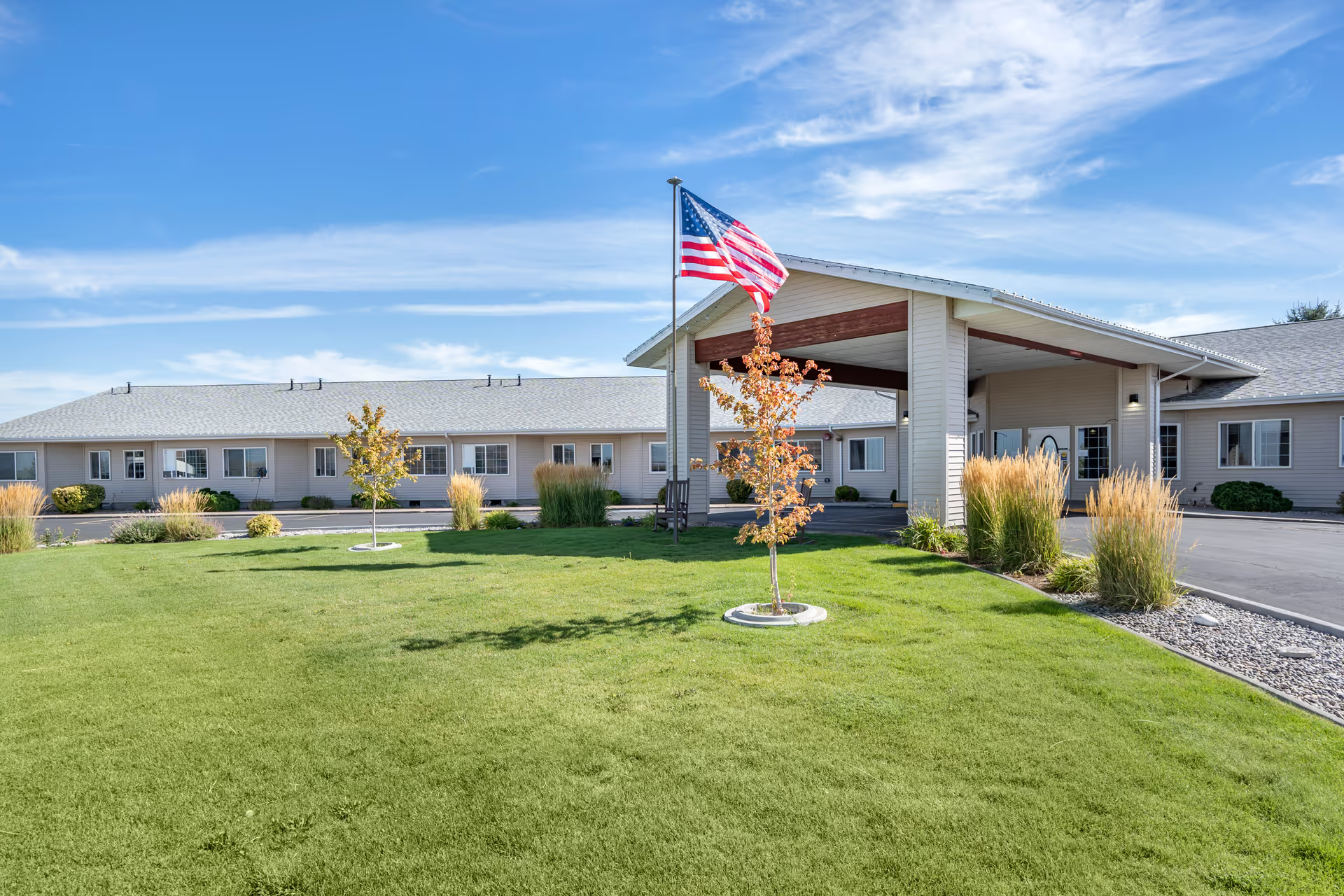
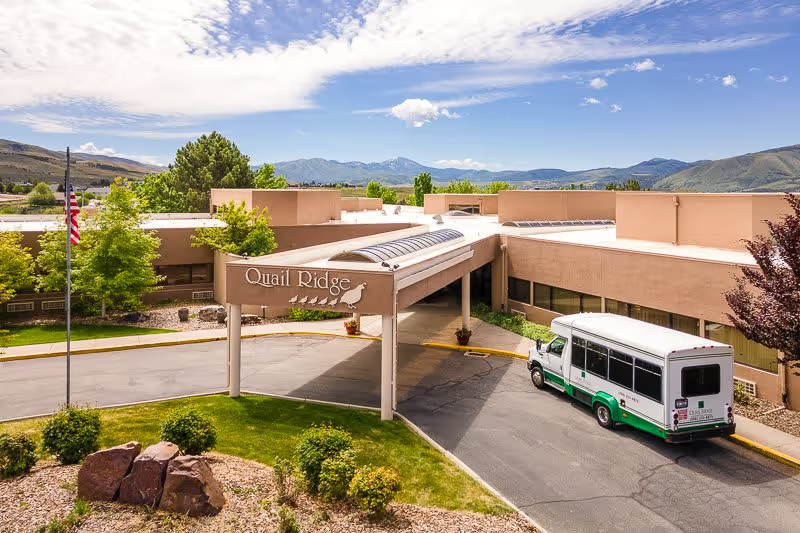
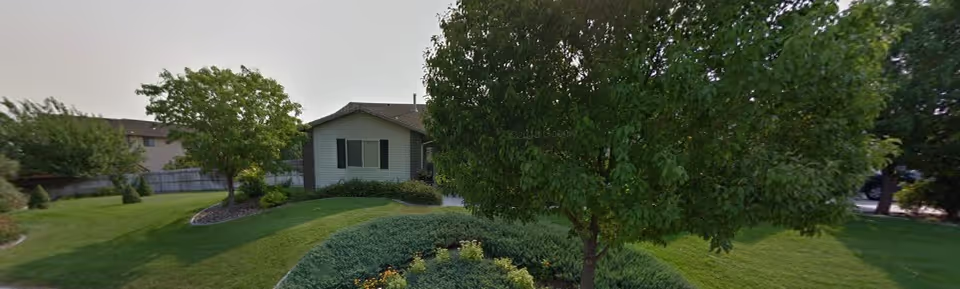
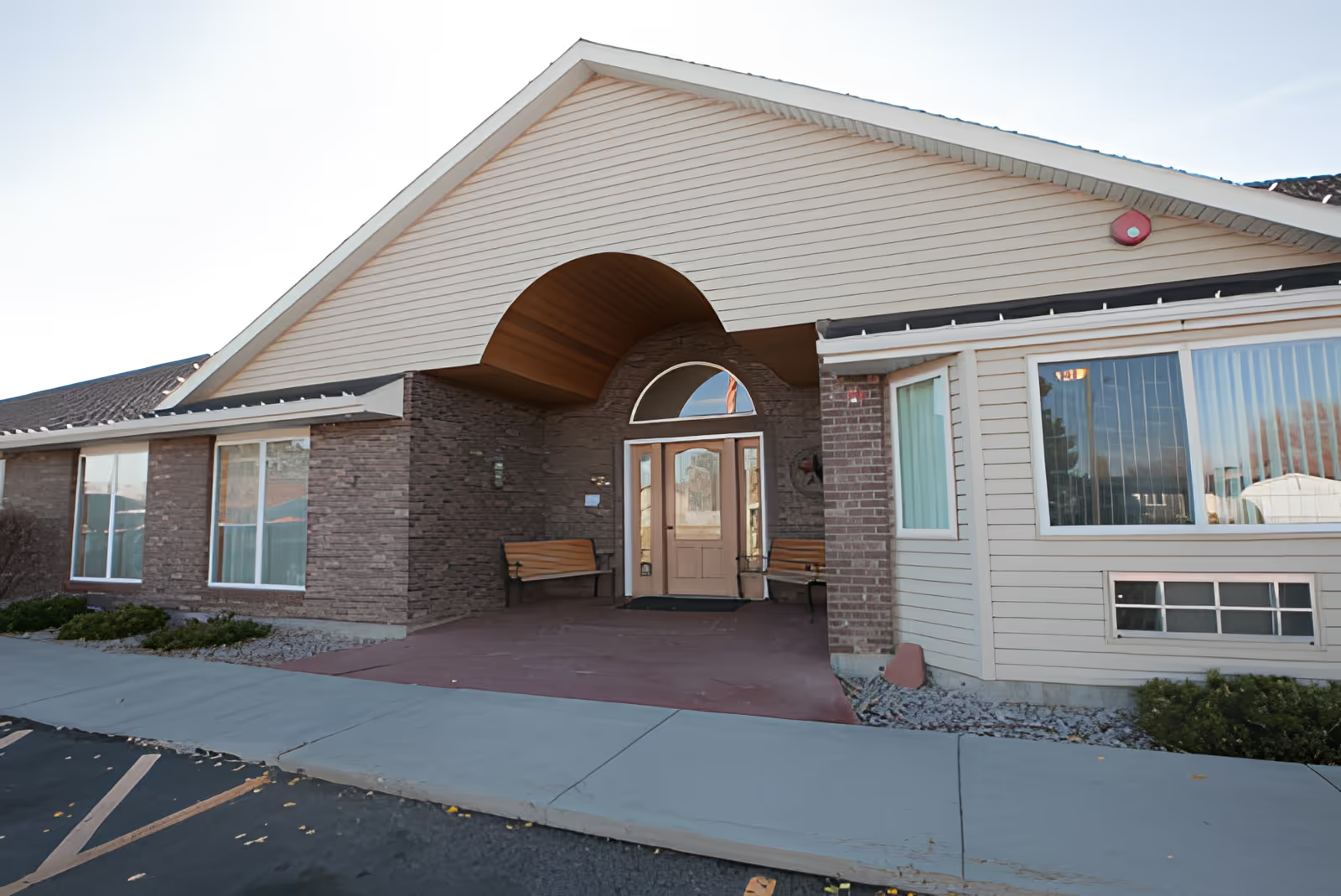
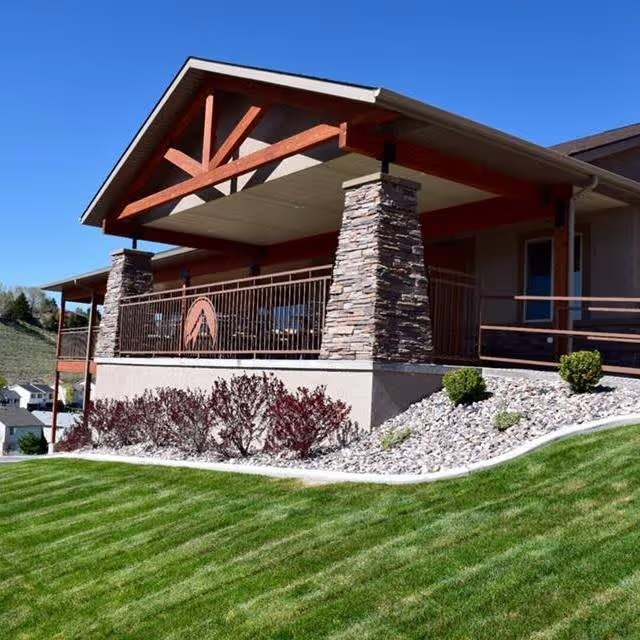
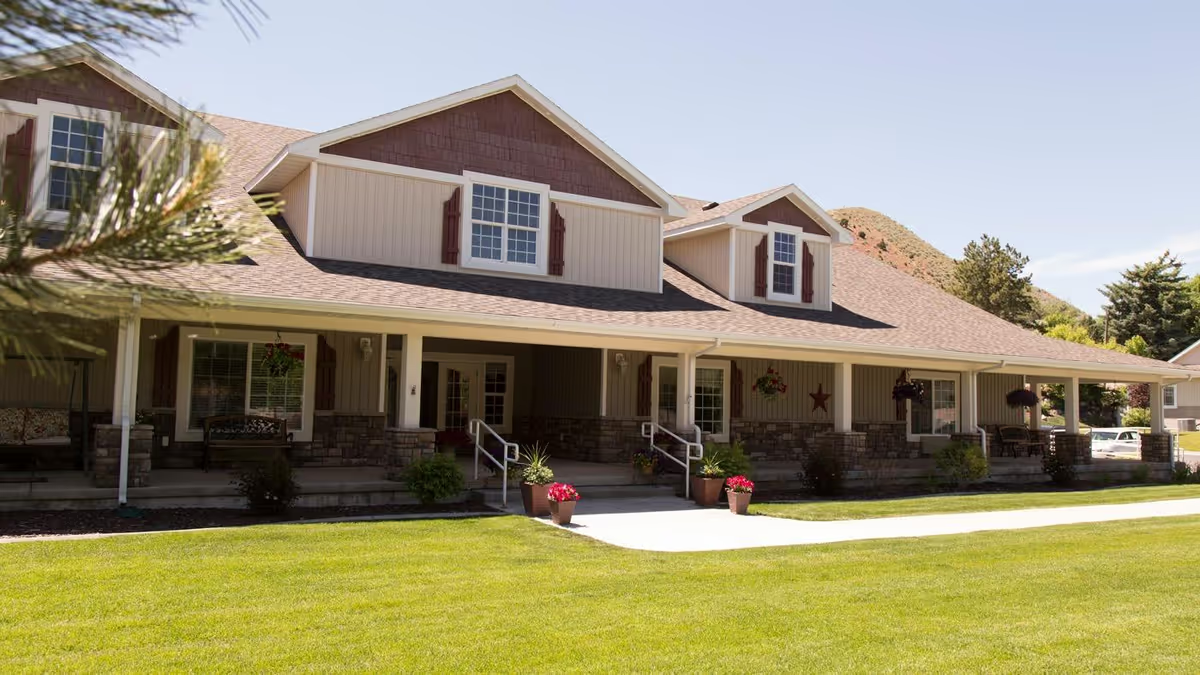
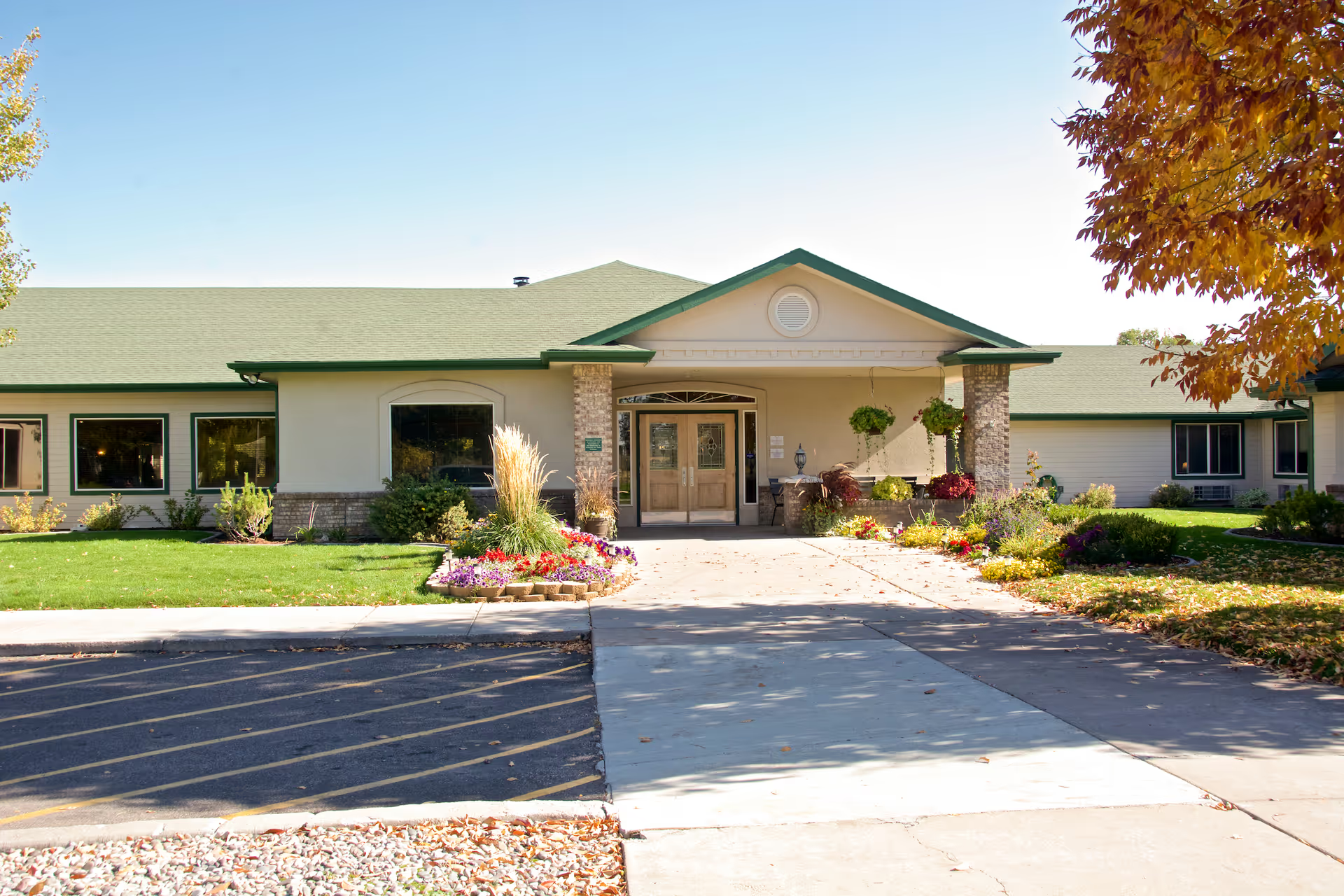
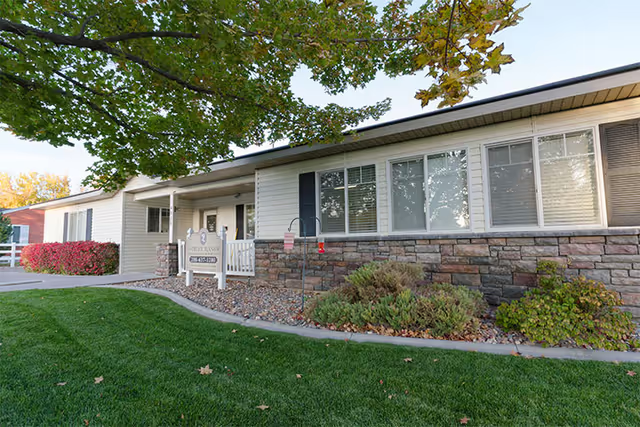
Overall impression from reviewers is broadly positive with recurrent praise for the facility’s dementia-focused care and a genuinely home-like atmosphere. Many families emphasize compassionate, resident-centered attention and strong communication practices: staff and administrators are described as attentive, willing to update families on health status, and proactive in using tools like FaceTime to maintain family contact. The facility’s environment is consistently characterized as clean, well-maintained, and organized around communal spaces that encourage socialization.
Care quality for residents with cognitive impairment is a clear strength in the reviews. Commenters highlight staff familiarity with Alzheimer’s and dementia needs, continual observation in common areas, and a general willingness to go beyond routine duties to support resident well-being. Several families cited helpful administrative support during placement and transition — assistance moving belongings, help navigating assistance programs, and a straightforward admission process were all mentioned positively. There are multiple mentions of a particular administrator who has improved stability and family communication; reviewers depict management as engaged and accessible.
However, reviewers also describe operational weaknesses that prospective families should consider. Staffing patterns emerge as the principal concern: accounts indicate periods of understaffing, turnover, and variable coverage across shifts. Those patterns have been associated with inconsistent training and occasional lapses in responsiveness. Some reviewers expressed that activity programming could be limited or inconsistent, with fewer structured options than expected for memory-care residents. A small number of accounts raised concerns about privacy and dignity safeguards for certain residents, and others described gaps in how incidents were handled and communicated to families.
Facilities and daily life show mixed signals: while the physical environment and cleanliness receive consistent praise, the quality of care experience can vary depending on staffing levels and the specific team on duty. Dining and meal-service were not frequently discussed in the reviews provided, so no clear pattern emerged there; prospective families should request current menus and sample meal-service practices during a tour. Activities-wise, communal areas and staff encouragement of interaction are strengths, but families should ask for a detailed activities calendar and staffing ratios during peak social times.
In summary, this memory-care community presents strong dementia-specific care, an inviting home-like environment, and engaged administration with good family communication. At the same time, operational issues tied to staffing stability, training consistency, activity programming, and incident follow-up are areas to investigate further. Prospective residents and families would be well advised to tour during multiple shifts, review staffing ratios and training credentials, request the activity schedule, and ask about incident-reporting and family-notification procedures before making a placement decision.