Overview: Owyhee Health & Rehabilitation Center elicits strongly polarized impressions. Many families and former residents praise the facility for compassionate bedside care, a warm, family-like atmosphere, and a robust therapy program that helps patients regain mobility and independence. At the same time, several reviews raise operational concerns that center on clinical monitoring, responsiveness, and documentation. The overall pattern suggests a facility with notable strengths in rehabilitative services and interpersonal support, paired with episodic weaknesses in clinical systems and shift-level execution.
Care and staff: Positive comments consistently emphasize compassionate nurses and aides, frequent check-ins, and staff who take an emotionally supportive approach. Reviewers highlight an engaged administrative team and long-tenured nursing leadership that contribute to continuity and a welcoming culture; many described staff interactions as courteous and family-oriented. The therapy team receives repeated praise for effective, outcome-focused rehabilitation that led to measurable improvements in mobility and independence.
At the same time, several operational themes emerge around clinical safety and responsiveness. Reviews indicate inconsistent staffing coverage at certain times, which correlates with delayed responses to resident needs and gaps in supervision. Related concerns include weaknesses in fall-prevention and transfer-safety practices, and examples of inconsistent use of mobility aids. Additional clinical-process gaps cited include oxygen-monitoring protocols and pain-response assessment. Together these suggest opportunities to strengthen routine clinical monitoring, handoffs, and shift-level staffing practices to reduce safety risk.
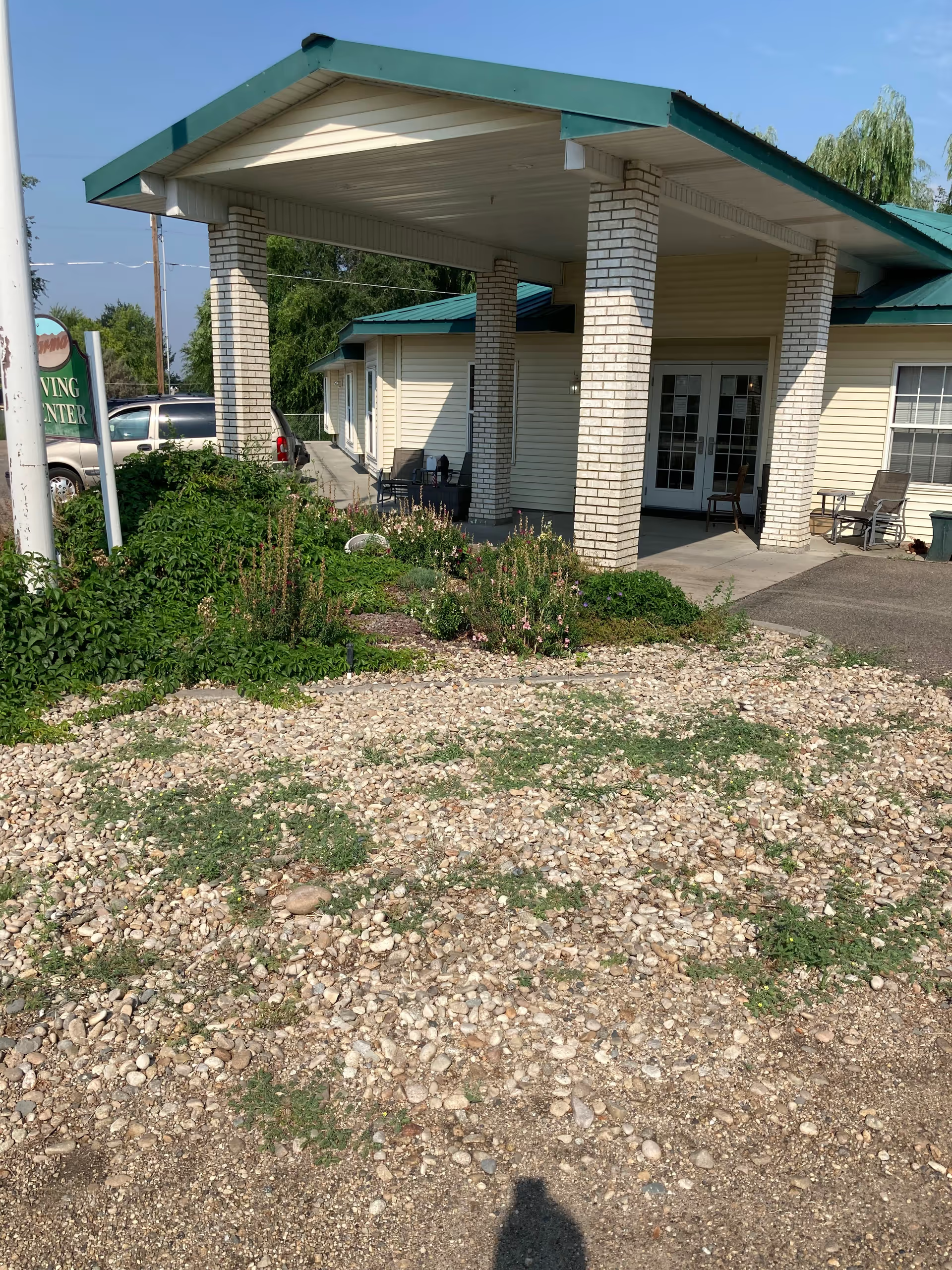
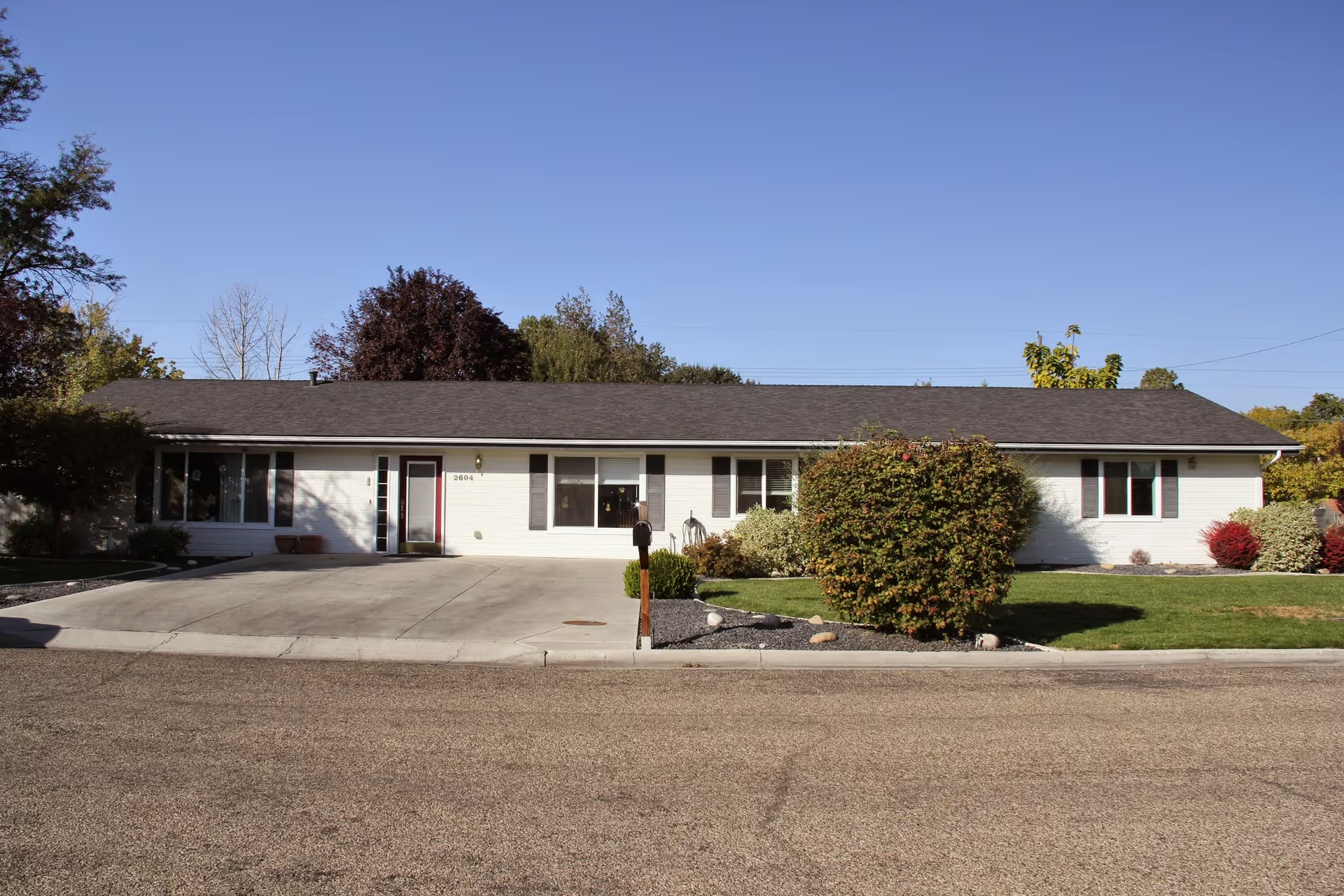
Dining, activities, and facilities: The facility’s physical environment and dining services receive favorable remarks. Multiple reviewers note a clean, well-maintained interior, pleasant odors, and generally good meals. The building and recent additions are described as modern and welcoming, and the site appears to support social engagement and community integration. Therapy spaces and rehab equipment are viewed positively and are credited with enabling successful recoveries.
Management, communication, and documentation: Administrative leadership and admissions/tour experiences are commonly cited as strengths; families report being impressed by the director and administrative responsiveness in many interactions. However, there are recurring comments about inconsistent communication and care coordination between staff and families, including lapses in timely updates and gaps in medical-record handling. These documentation and communication breakdowns can complicate family decision-making and erode confidence during clinical events. A small number of serious individual incidents prompted significant family concern, including issues that followed a resident transfer and subsequent adverse outcome; these have heightened sensitivity around incident response and post-event communication.
Notable patterns and recommendations: The dominant positive theme is interpersonal—staff who are caring, encouraging, and invested in resident well-being, supported by a strong therapy program and an appealing facility. The dominant negative theme is operational—variability in staffing, monitoring, and documentation that occasionally undermines clinical safety and family confidence. Prospective residents and families should weigh the facility’s rehabilitative strengths and supportive culture against the need to confirm staffing levels, care protocols (especially for oxygen and fall prevention), and family-notification practices. For the facility, prioritized improvements would include standardizing monitoring protocols, strengthening handoff communication, addressing incontinence-care workflows, and reinforcing documentation practices to align operational reliability with the facility’s evident strengths in compassionate care and therapy outcomes.