Overview: Gables of Ammon presents a mixed but actionable picture for prospective residents and families. Many accounts emphasize a clean, modern, and home-like environment with apartment-style rooms, a pleasant courtyard, secure entry, and a broad slate of activities. At the same time, several operational and clinical concerns recur that would warrant direct questions during a tour and candid conversations with management and current families.
Care and staff: The facility receives consistent praise for compassionate, attentive caregivers and staff who engage residents, tailor rooms to individual preferences, and provide hands-on support. Families describe staff who go above and beyond, provide comfort during bereavement, and create a family-like atmosphere. However, there are also repeated notes about inconsistent staffing levels, variable staff training, and uneven conduct or responsiveness; these issues appear to create variability in day-to-day care quality. There are concrete concerns about clinical oversight and medication/therapy processes that families should probe further, including communication after clinical incidents and how the team documents care decisions and consent.
Dining and kitchen services: Dining is a mixed area. Many reviewers praise nutritious meals, accommodating special diets, and frequent snacks, and several call out dedicated kitchen staff who will prepare extra meals when needed. Conversely, other accounts describe inconsistent food quality and weak kitchen leadership. Prospective families should sample menus, ask about meal planning and dietary accommodations, and inquire how kitchen staffing and supervision are handled.
Activities and community life: Activity programming is a strength when present: crafts, bingo, Wii bowling, exercise classes, outings, and memory-focused programming are frequently mentioned and contribute to resident engagement and socialization. Some reviewers noted busy daily schedules and good outreach to resident interests. That said, activity frequency and variety appear to vary at times, and families should ask for a typical weekly calendar and attendance levels for preferred programs.
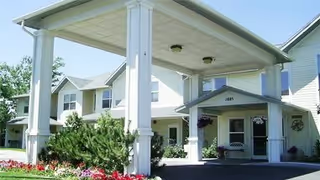
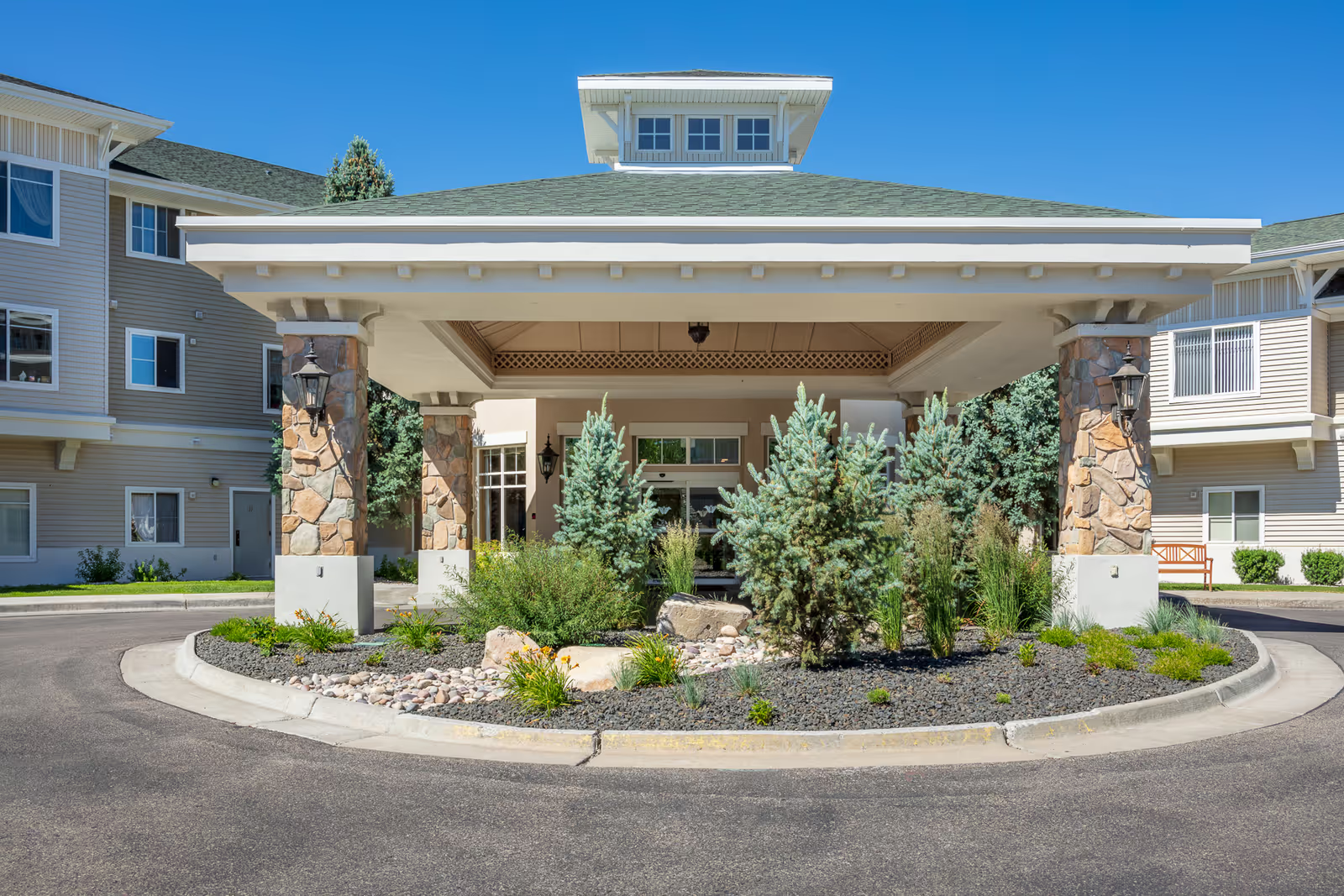
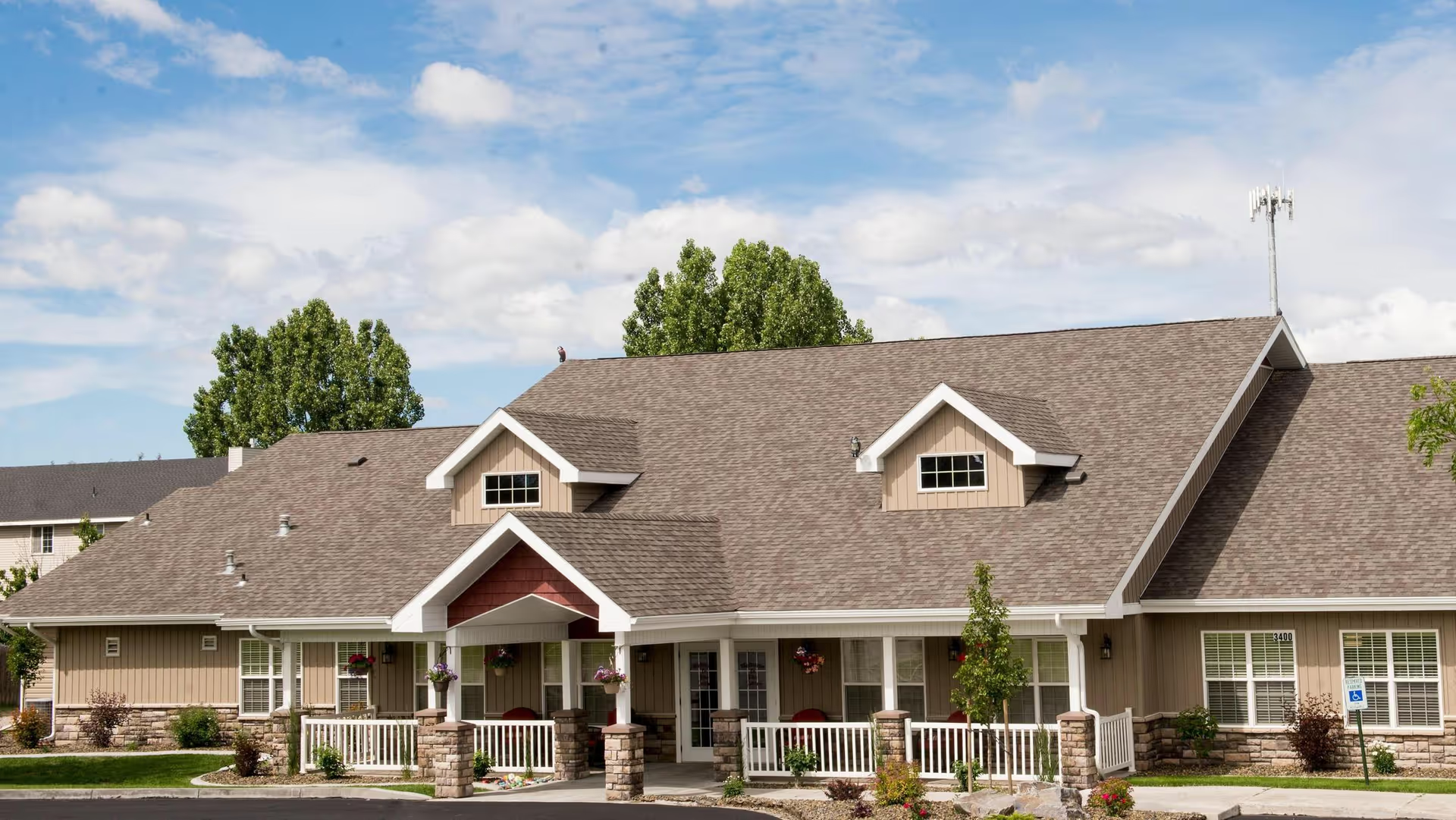
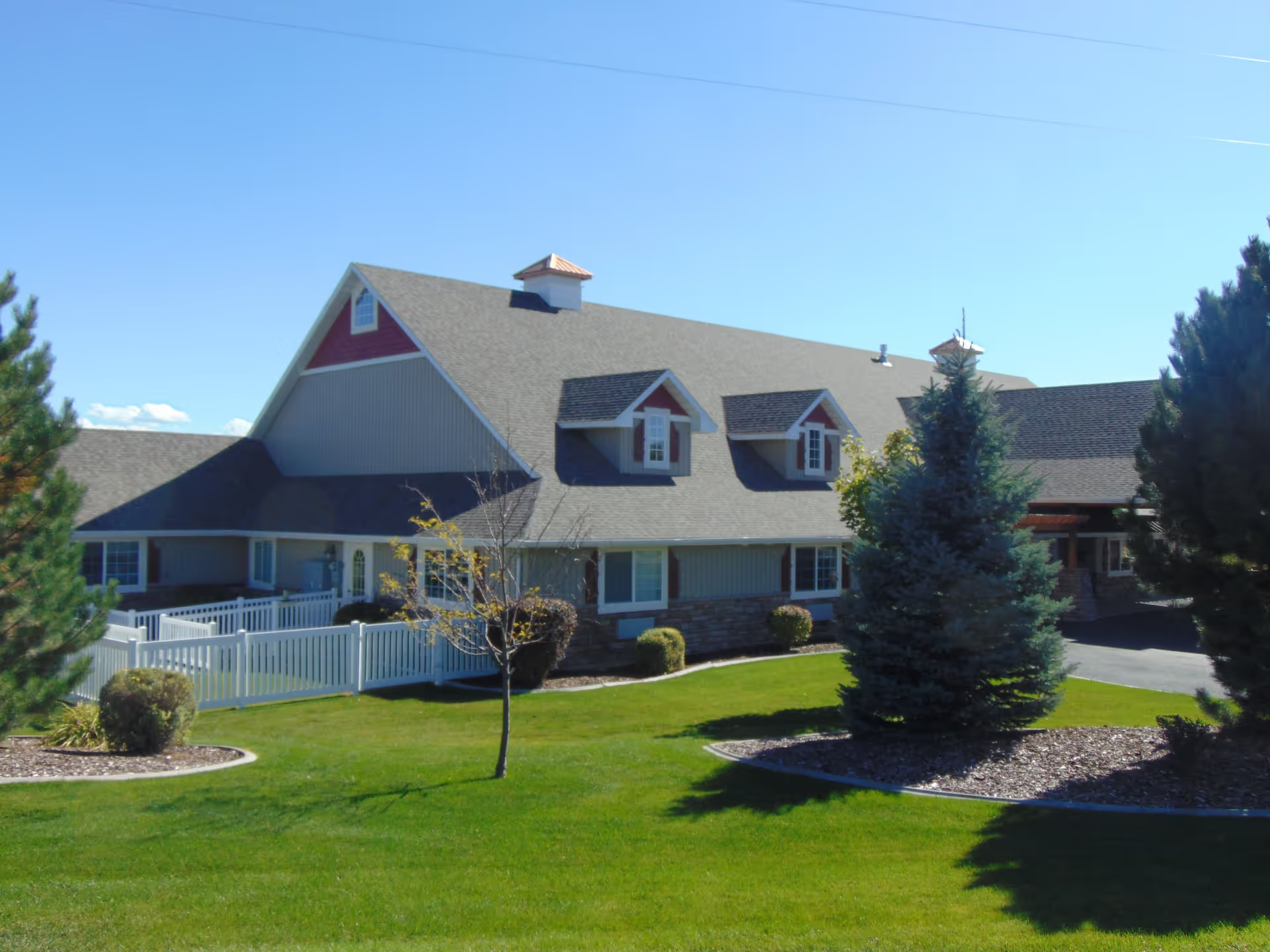
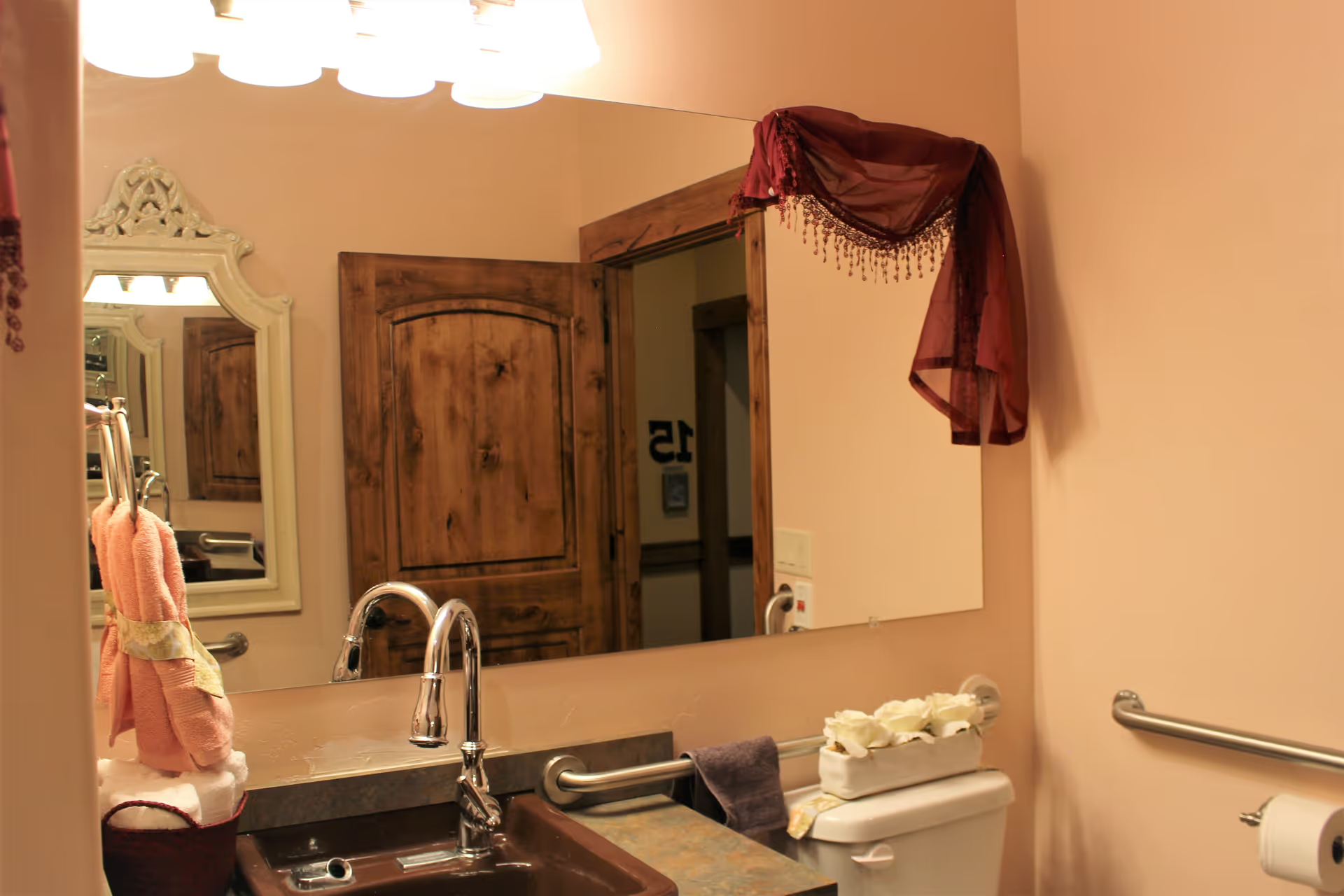
Facilities and safety: The physical plant is described as clean, modern, and cozy, with well-laid-out suites and apartment-like rooms. Memory-care options and a proactive fall-prevention policy are noted positively. Security features such as controlled entry and a secure courtyard contribute to a sense of safety. Maintenance responsiveness and thorough housekeeping are frequently cited as strengths.
Management, policies, and notable patterns: Management impressions are mixed. Some families praise an engaged executive director and proactive administration; others report weak transparency, poor communication, and concerns about leadership decisions. There are serious individual claims about abrupt residency changes and property-handling during moves; one such claim is characterized here as an allegation and should be investigated directly (ask for written policies on transfers, evictions, and property procedures). Financial and residency-policy clarity—especially for Medicaid placements—emerges as an important area for review.
Overall recommendation points: Gables of Ammon demonstrates many of the qualities families seek—compassionate direct-care staff, active programming, and an attractive, secure facility. However, variability in staffing, training, kitchen leadership, and management communication creates uneven experiences for some residents. Before making placement decisions, families should tour during activity times, meet direct-care staff and the director, request current staffing levels and turnover statistics, review clinical and medication-management protocols, examine written residency and eviction policies, and sample meals. These steps will help determine whether the facility's strengths align with the specific clinical, social, and policy needs of a prospective resident.