Reviews of MorningStar Senior Living of Idaho Falls present a mixed but informative picture. Many families and residents describe a warm, well‑maintained community with attentive, compassionate staff—particularly in memory care—alongside abundant activities, attractive dining spaces, and apartment‑style accommodations. At the same time, reviewers surface recurring operational concerns that suggest variability in day‑to‑day experience across staff and shifts.
Care and staff: Consistently praised strengths include staff who are personable, quick to learn residents’ preferences, and able to improve resident mood and engagement; memory‑care interactions were highlighted as a strength in several accounts. Reviewers also cite effective hospice support and demonstrable instances of high staff engagement. Offsetting those positives are repeated observations of uneven caregiver performance, inconsistent staffing levels, and relatively high turnover. Several reviews describe delays in attending to routine needs and raise questions about medication handling and clinical documentation; these point to gaps in clinical controls and recordkeeping that prospective families should clarify during a visit.
Dining and activities: Dining receives both strong praise and notable criticism. Many reviewers commend an attractive, remodeled dining room, servers who accommodate preferences, daily soup and dessert offerings, and an active dining atmosphere. Conversely, other accounts note variable food quality, frequent cook turnover, and periods when meals were unsatisfactory. Activities are a clear strength overall—staffed, diverse, and frequent programs (social events, outings, radio/entertainment nights, games, and shuttle trips) were repeatedly cited as supporting resident engagement without being overly demanding.
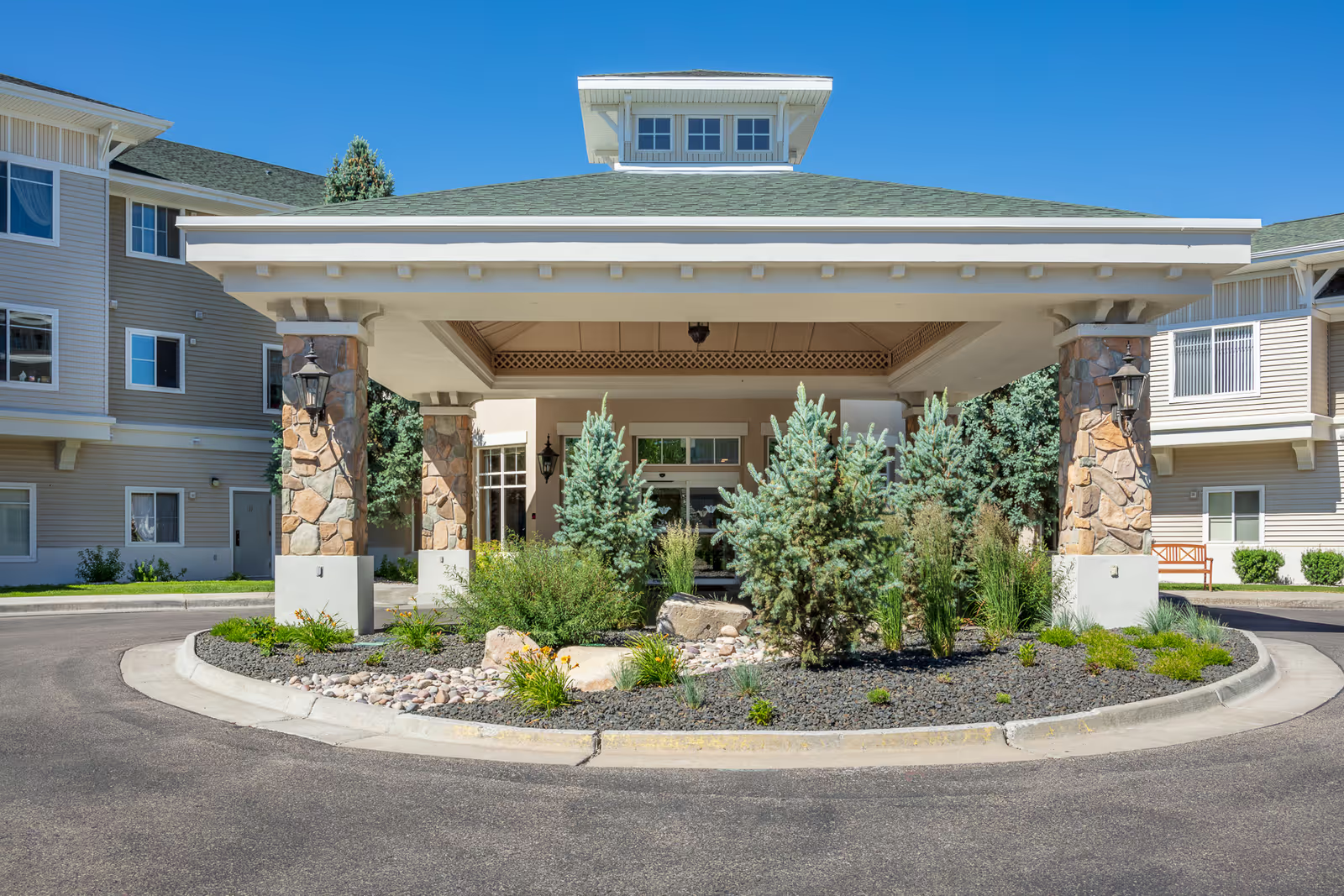
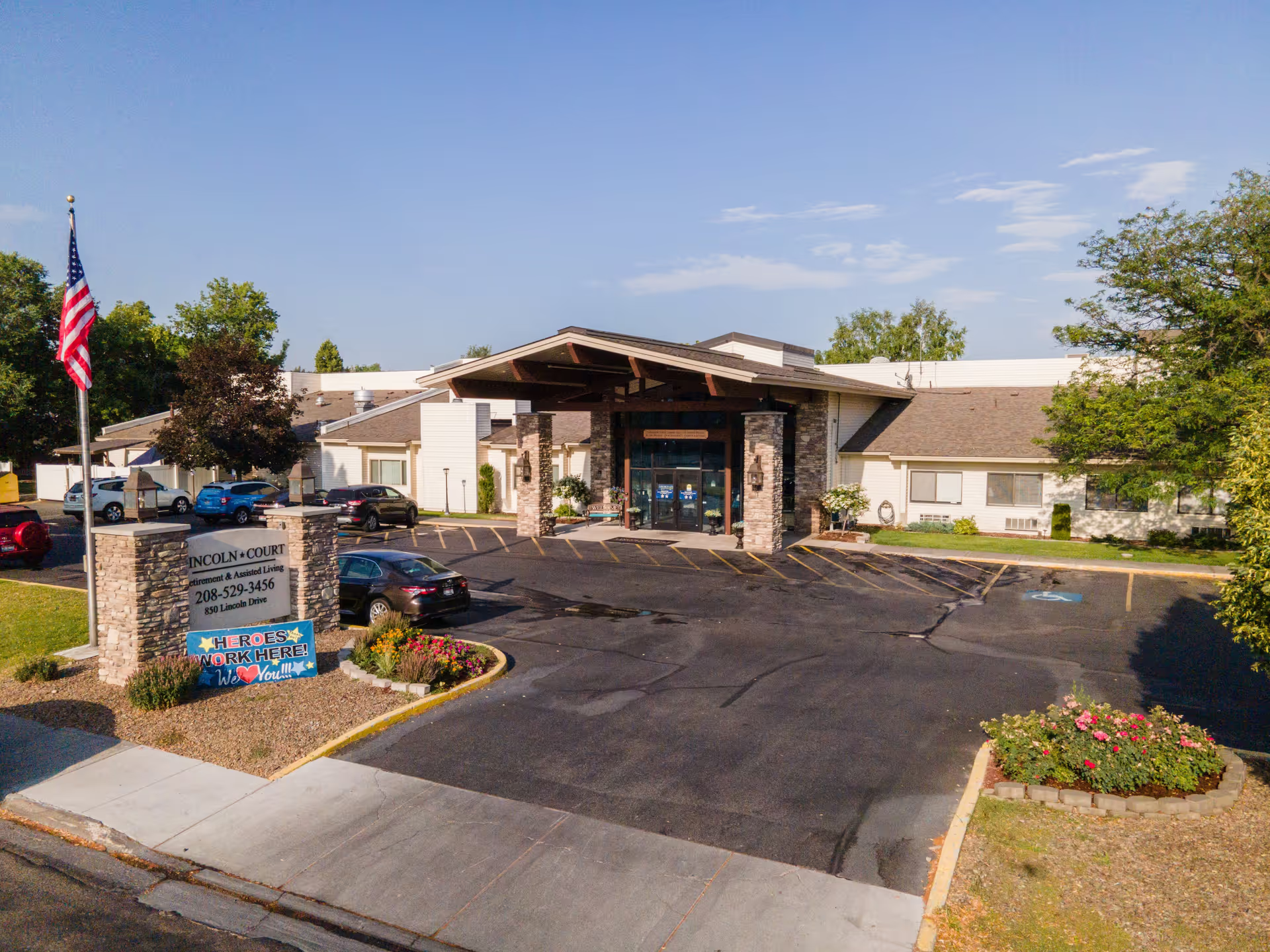
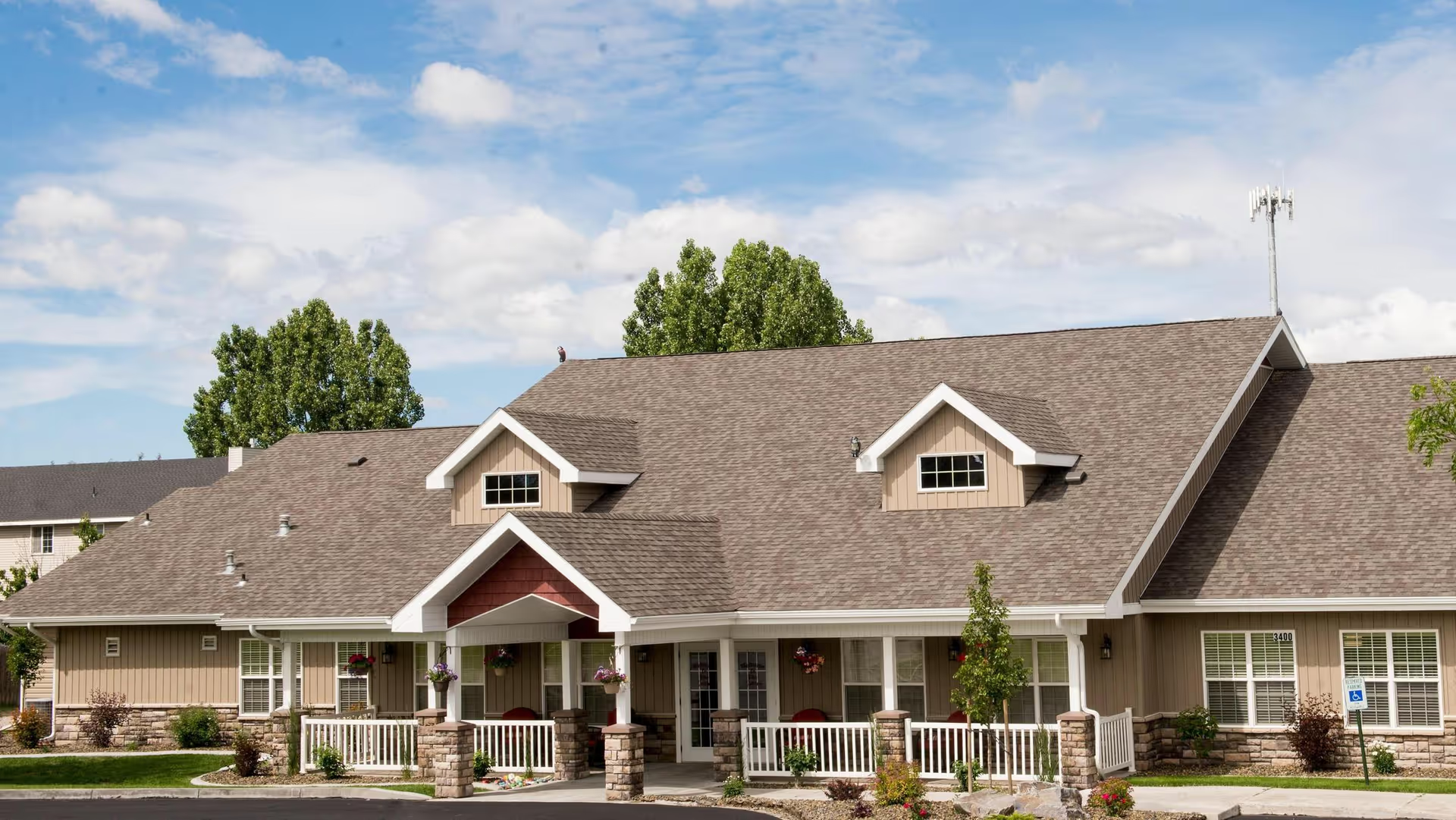
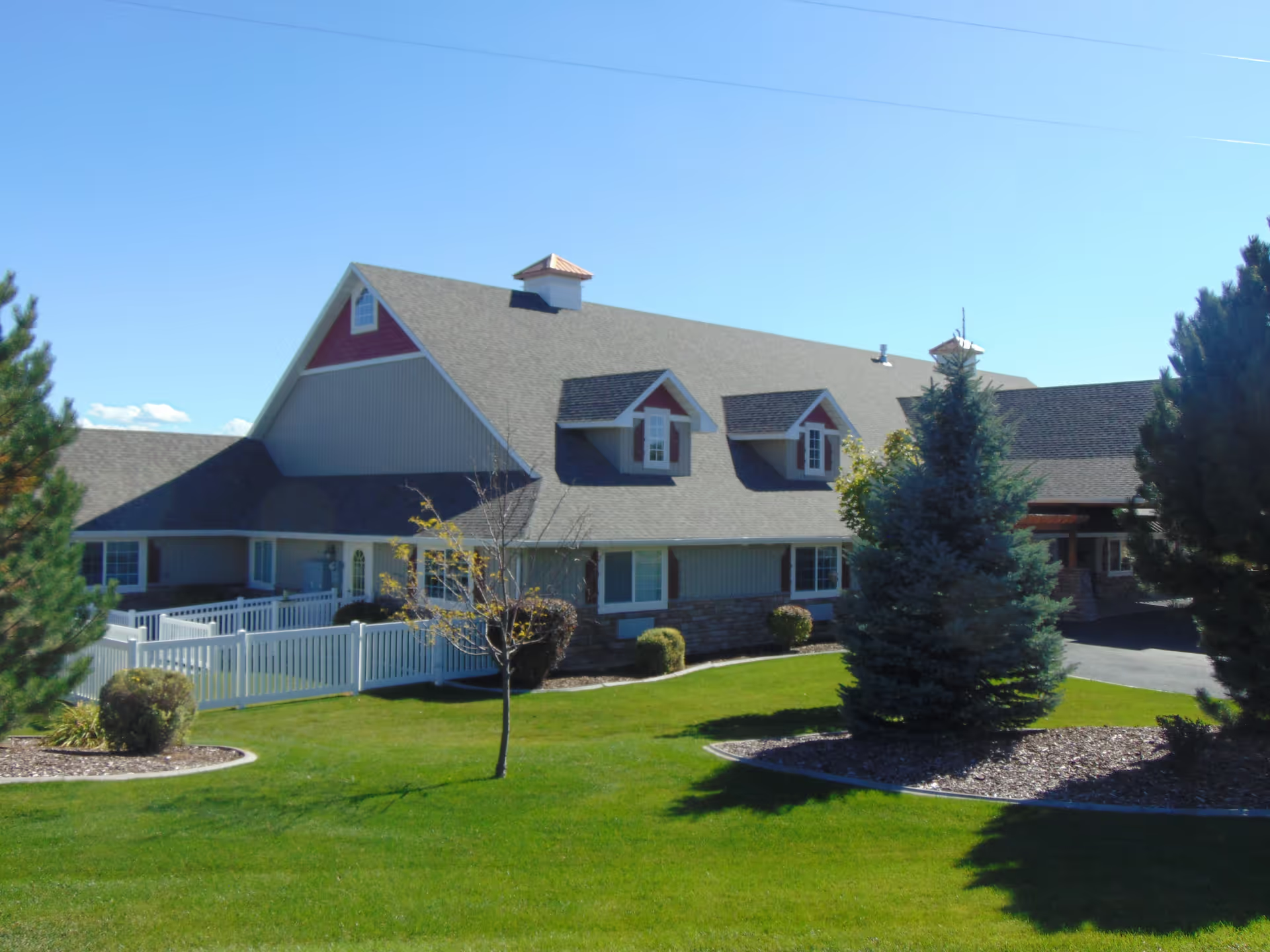
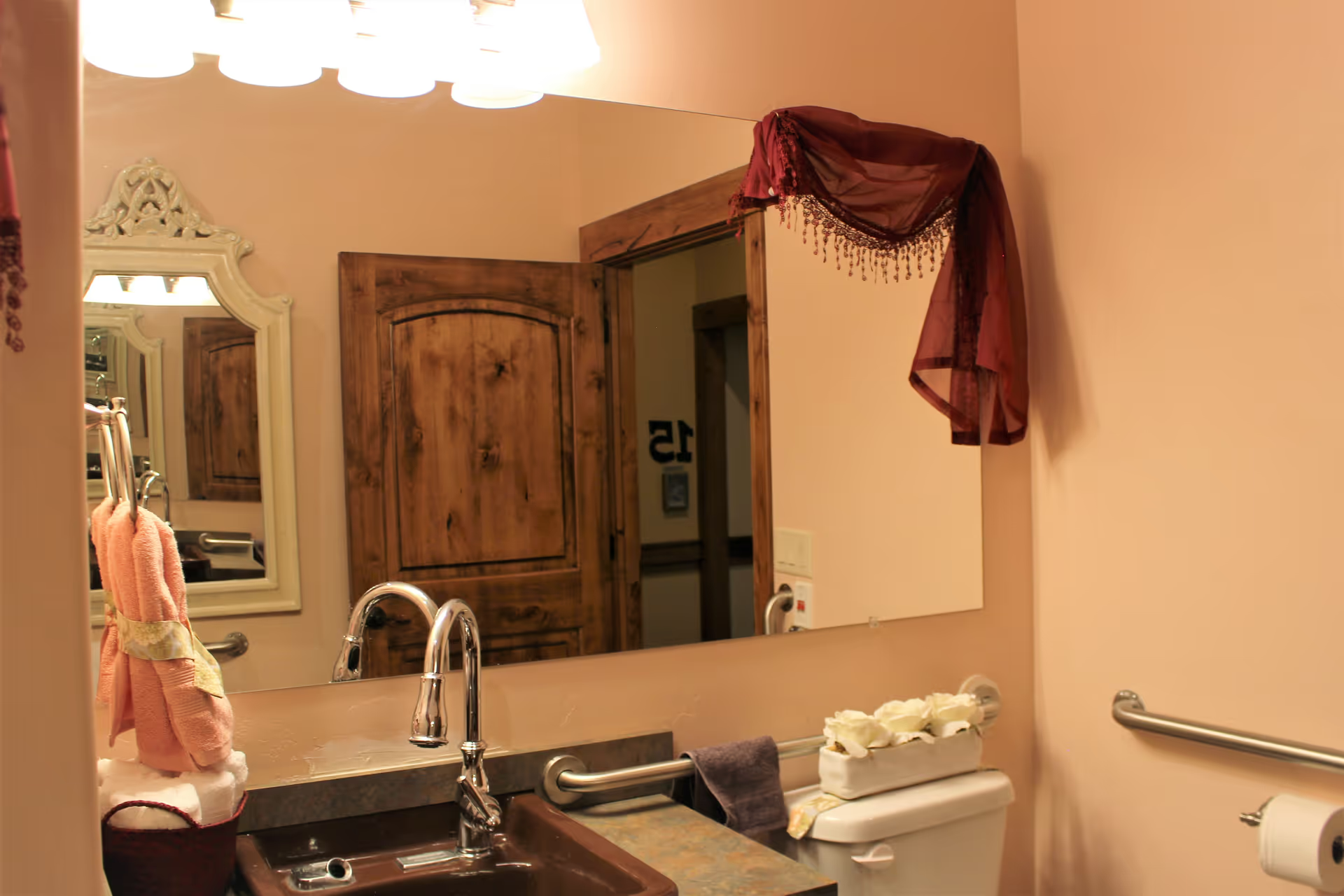
Facilities and amenities: The campus is regularly described as clean, modern, and well maintained, with numerous common spaces and amenities (salon, library, game rooms, outdoor garden, shuttle). Maintenance assistance with practical move‑in tasks is often noted positively. However, there are also reports that raise concerns about security and privacy processes (examples include door‑access delays and allegations of unauthorized entry or inappropriate use of vacant rooms); front‑desk coverage and alarm response times were also identified as operational vulnerabilities in some accounts.
Management and operational patterns: Management impressions vary widely. Several reviewers praise clear, communicative managers and helpful admissions staff who make move‑in straightforward. Others describe unresponsive leadership, gaps in billing and insurance communication, and inconsistent follow‑through on room setup promises. Pricing and perceived value are recurring themes—many find the facility costly and express concern about affordability and the balance between cost and consistency of care.
Notable patterns and considerations: Overall, the facility shows strong capabilities in creating an engaging, attractive environment with many staff who deliver compassionate care. The principal operational risks emerging across reviews are inconsistency: variability in staffing and caregiver engagement, kitchen staff turnover affecting dining continuity, gaps in clinical documentation and medication processes, and intermittent front‑desk or security protocol lapses. Prospective residents and families would be advised to evaluate staffing ratios and turnover, ask about medication‑administration and documentation practices, clarify security and emergency‑response procedures, review contract and billing transparency, and sample the dining program during different shifts to assess consistency.