Overall impression: Reviews describe a facility with a strong rehabilitative and activity-focused identity, staffed by many caregivers and therapists who are viewed as compassionate, skilled, and invested in resident progress. Families and patients frequently praise the physical and occupational therapy teams, wound-care competence, prompt bedside assistance, and an upbeat, home-like atmosphere. The activity program is repeatedly highlighted as a major strength: a dedicated activities director, interactive technology, sensory resources, Resident Council and Ambassador programs, and a busy calendar of outings and events contribute to high resident engagement.
Care and clinical oversight: Clinical care is described in polarized terms. Many accounts emphasize effective, attentive nursing and CNA support, skilled therapists who promote independence, and good coordination of rehabilitative goals. At the same time, there are serious concerns regarding clinical safety and medication management; the most severe reviewer statements include allegations about medication-administration failures. In addition, reviewers describe variability in physician involvement and follow-up, and specific gaps in coordination for medical equipment and higher-acuity needs (for example, arranging oxygen, patient lifts, or managing PIC-line issues). Prospective families should confirm current medication-administration safeguards, physician coverage, and processes for managing complex medical needs.
Staffing and responsiveness: A common theme is staff dedication and a positive workplace culture, with many staff noted by name for going the extra mile. However, several accounts point to intermittent short-staffing and inconsistent responsiveness to assistance requests, which can affect timeliness of care. Communication with families is generally reported as good when the administration is proactive, but there are also instances of administrative inconsistency in incident response and family communication that warrant direct questions during a tour.
Dining and dietary practices: Dining impressions are mixed. Some families describe generous, palatable meals and attentive kitchen staff; others cite inconsistent meal quality, late service, and at least one documented dietary/allergy handling error. Meal-service reliability and allergy-protection procedures are important inquiry points for visitors, especially for residents with strict dietary restrictions.
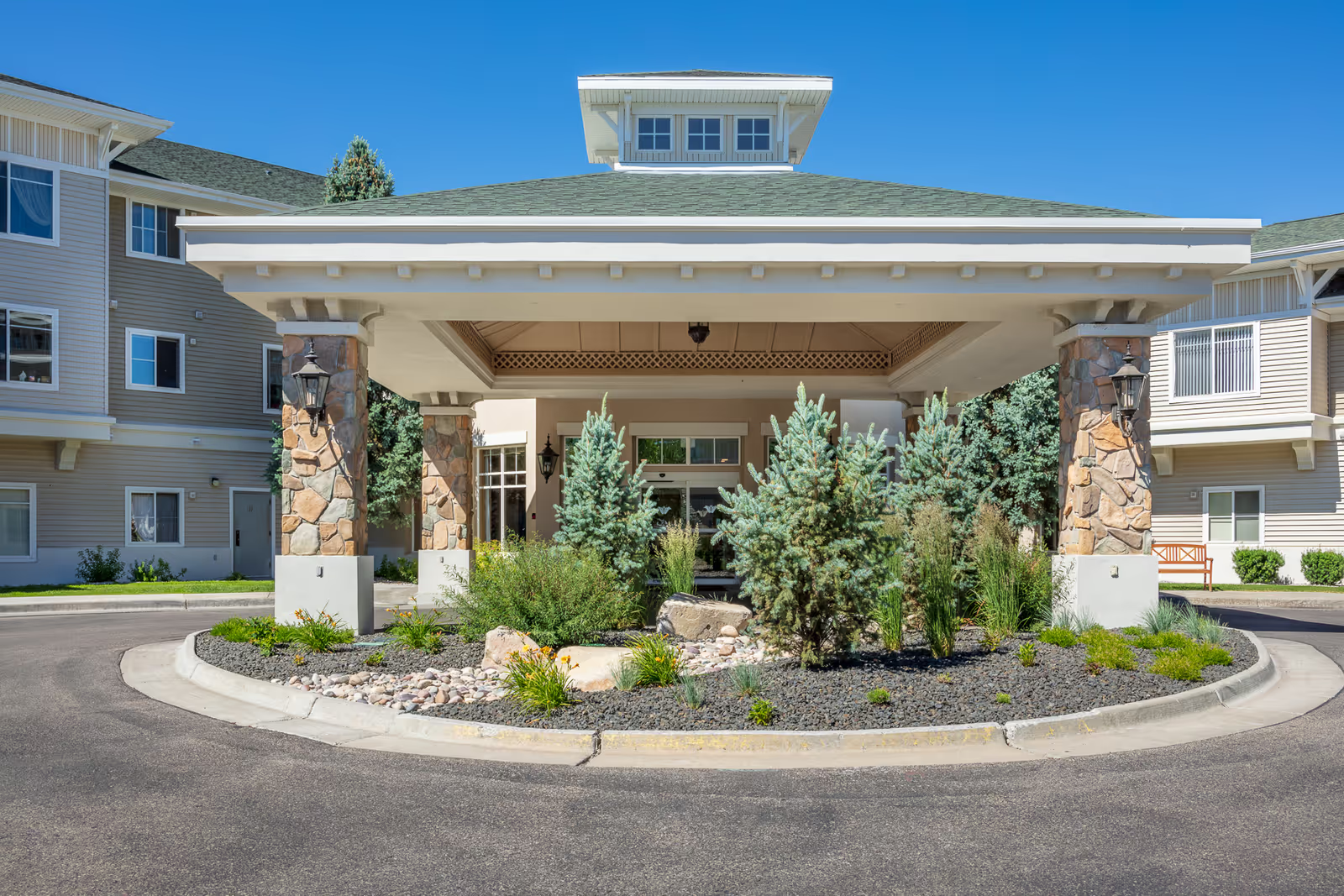
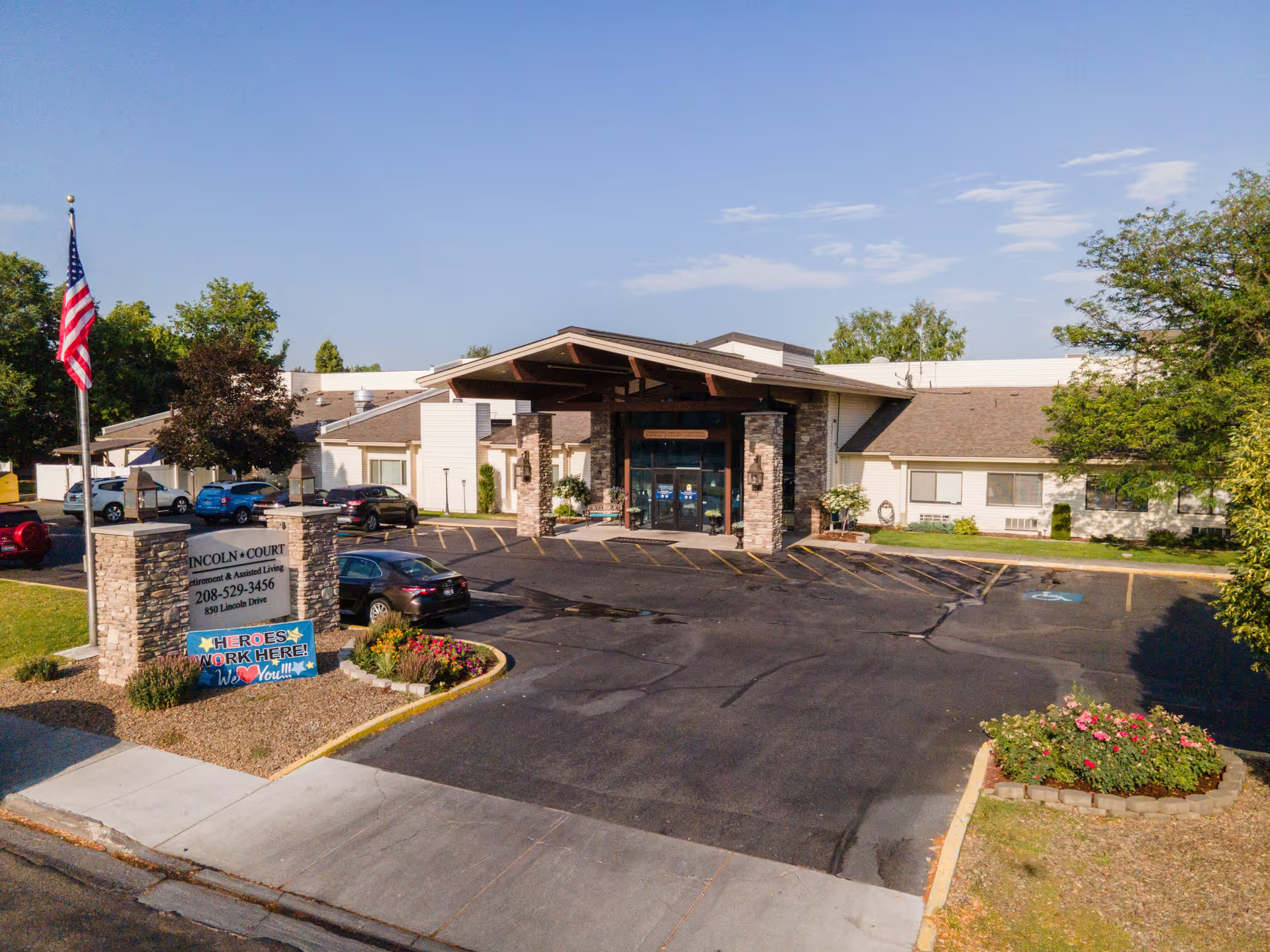
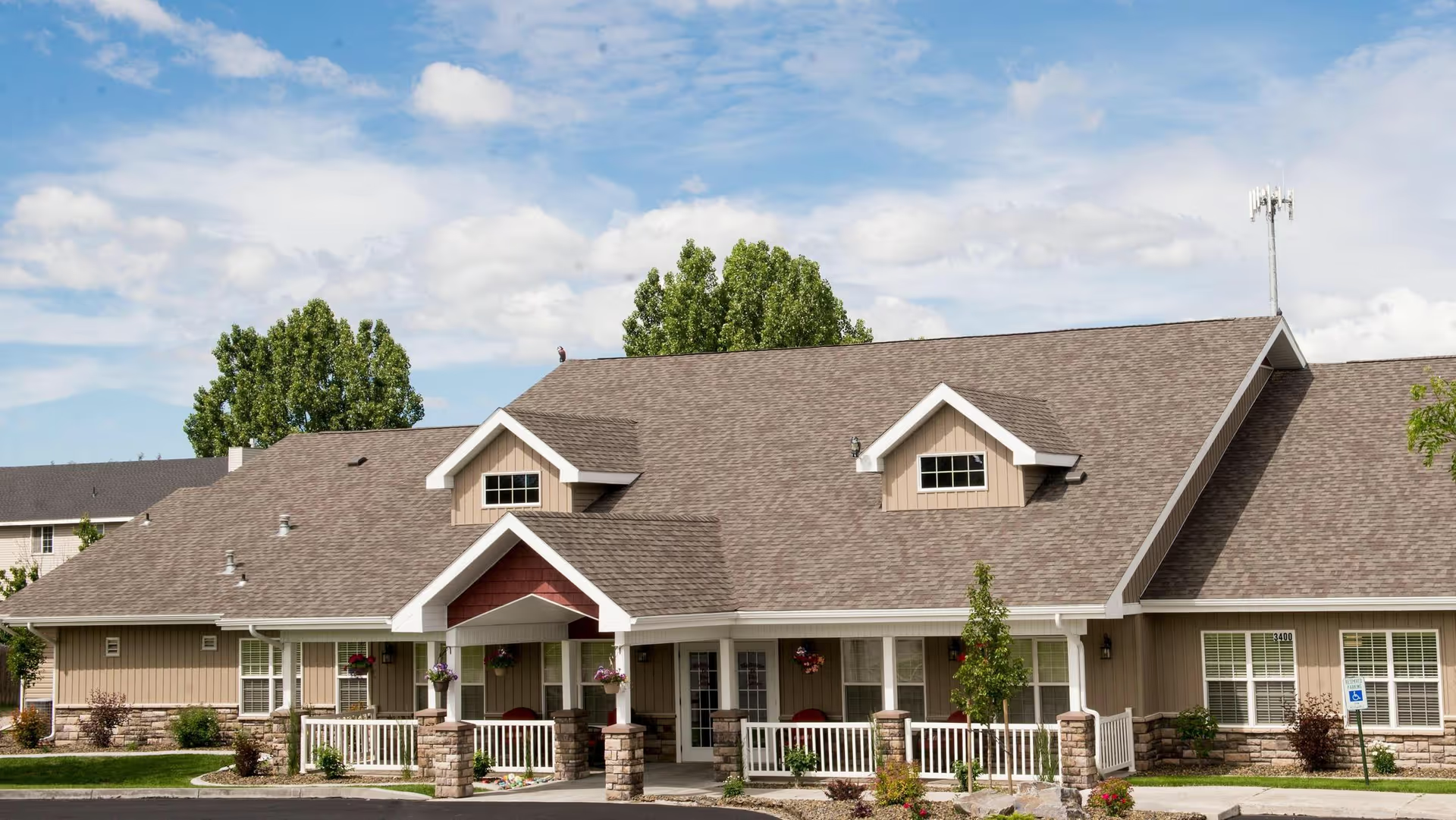
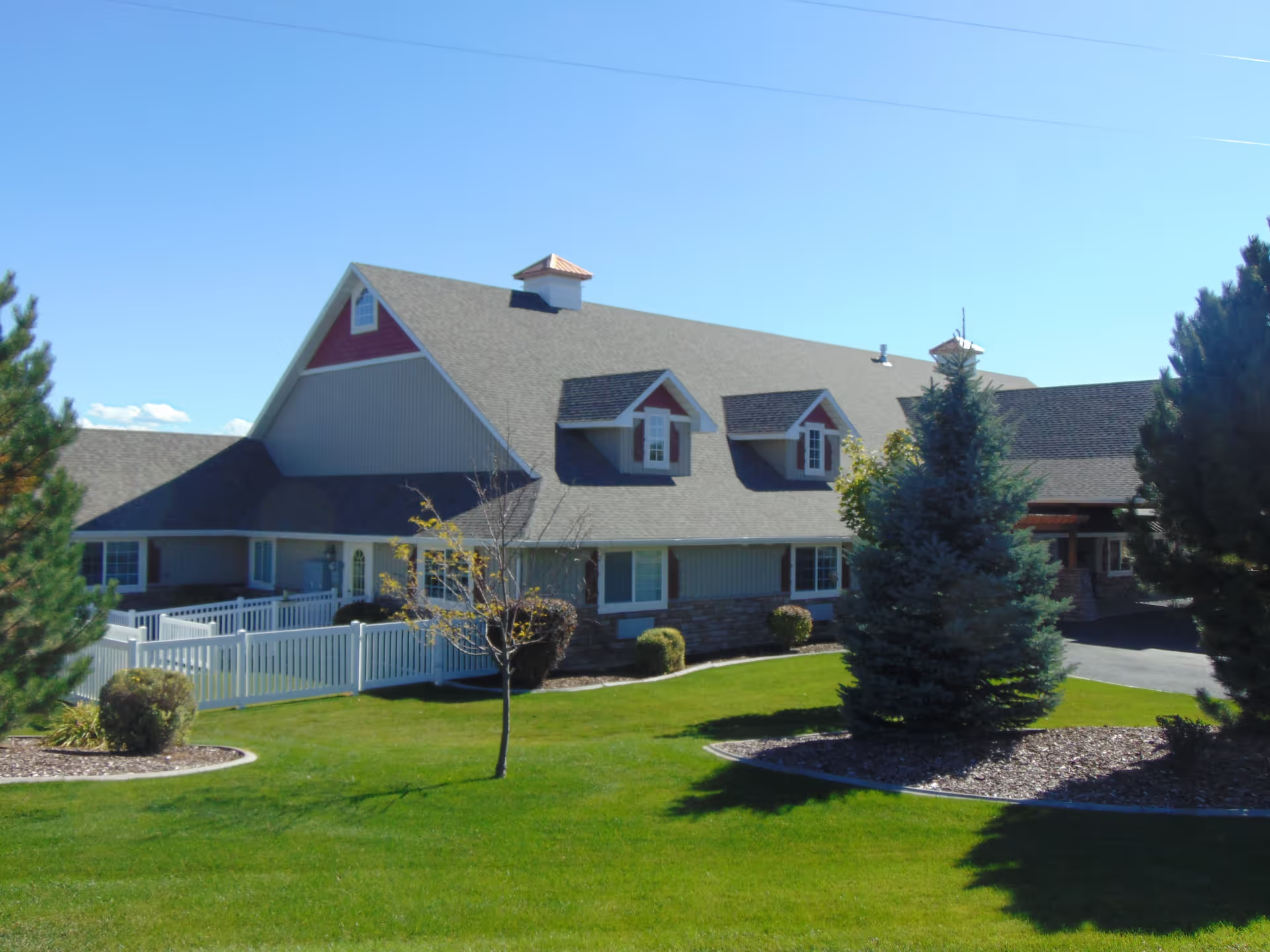
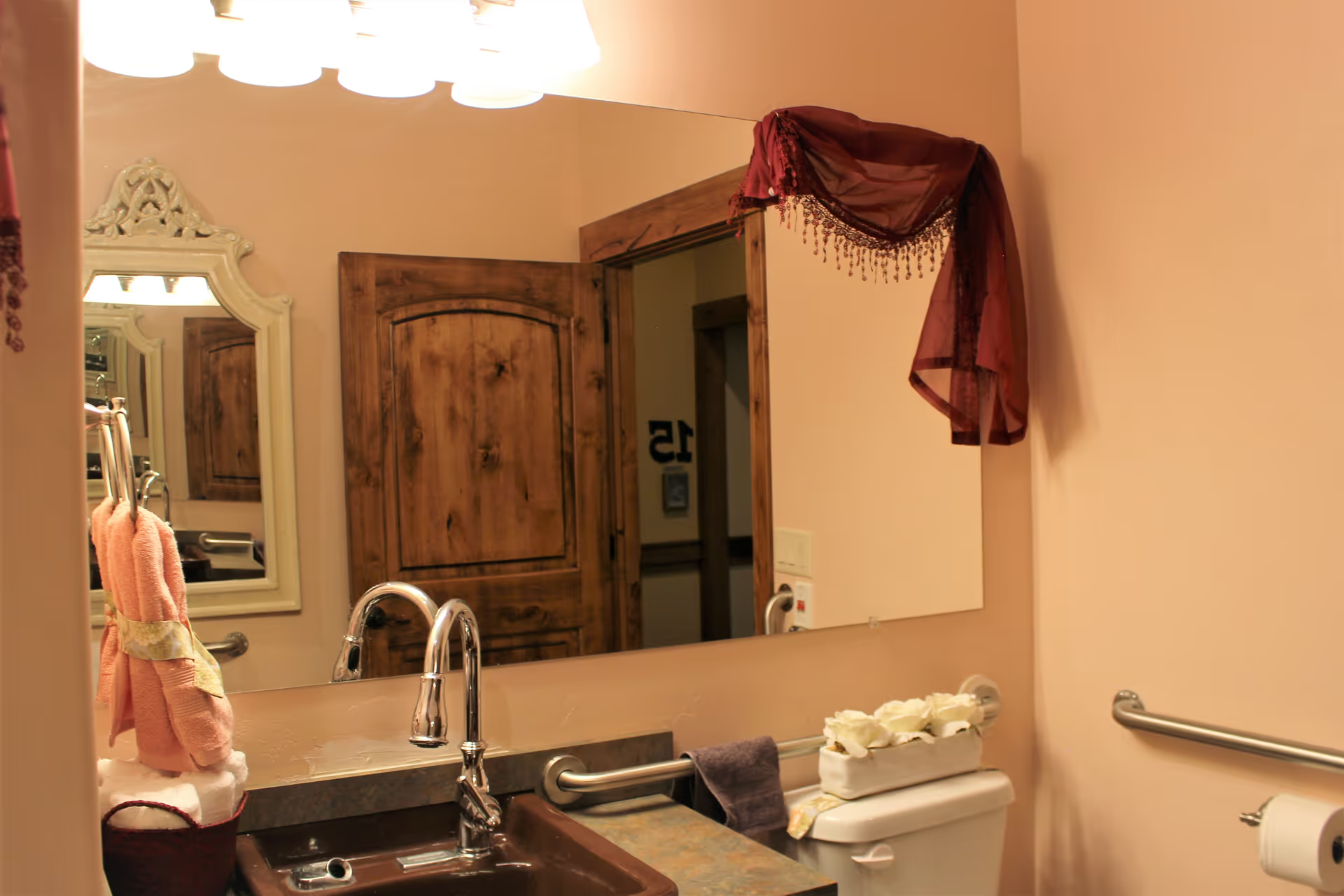
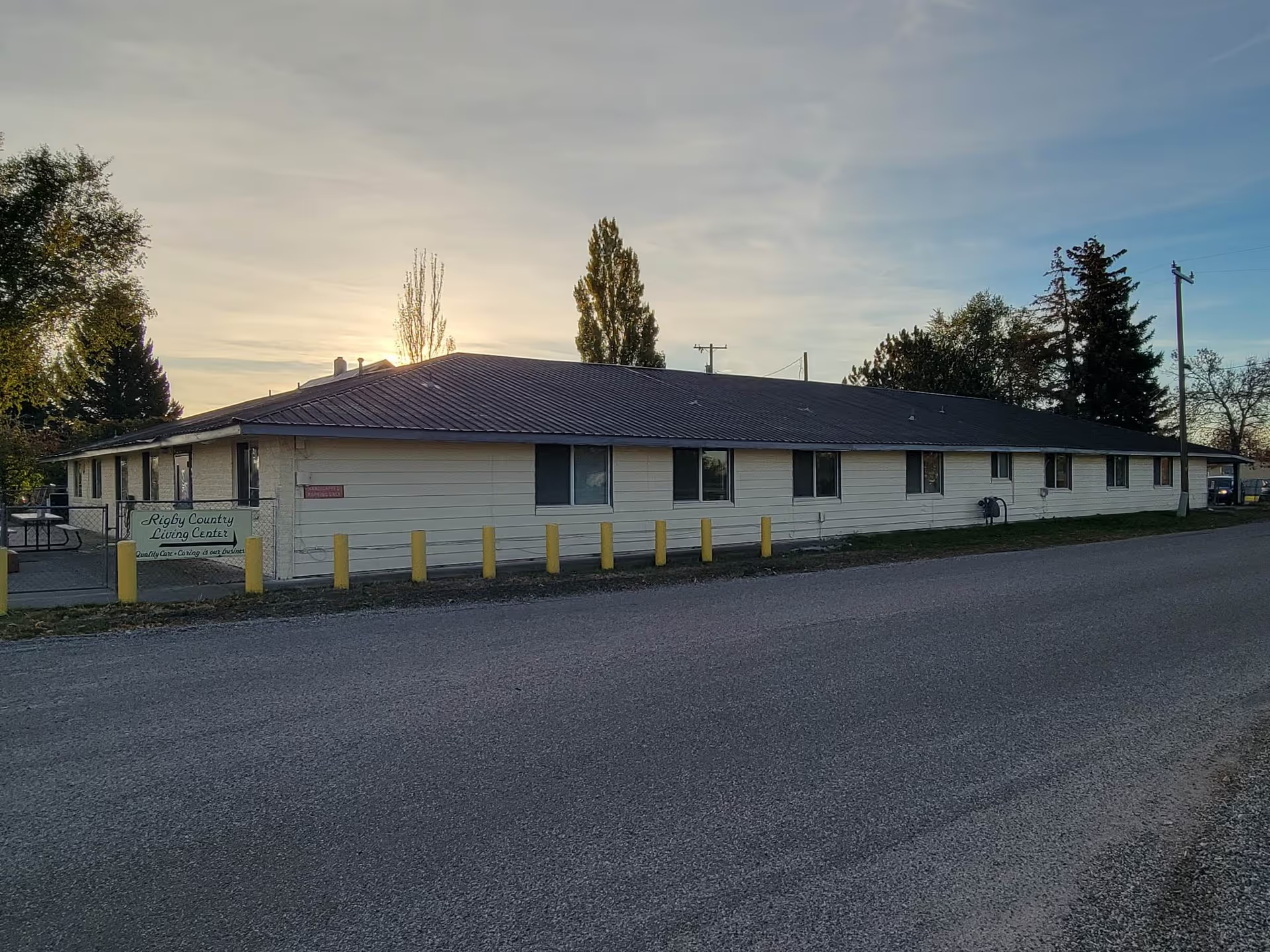
Environment and facilities: Many reviewers describe the facility as clean, organized, and home-like, with visible building improvements and management investment in making the residence cozier. At the same time, the plant is characterized as somewhat dated in areas, and a few reviewers report odor concerns or environmental control issues (for example, cold rooms or improvised heating/ventilation practices). The facility appears to be actively undergoing updates in some areas, according to several accounts.
Management and patterns: Newer management is frequently credited with improvements and proactive initiatives, including funding for enrichment, technology upgrades, and staff appreciation. Nonetheless, variability in administrative performance is evident across accounts — especially around how safety incidents and discharge decisions are handled. The overall pattern is polarized: many families describe successful rehabilitative stays, respectful staff, and strong activities, while a smaller but consequential set of accounts raises clinical-safety and operational concerns.
Guidance for prospective families: Given the mix of strong rehabilitative and engagement-focused strengths alongside serious clinical and operational concerns, prospective residents and families should verify current practices in person. Recommended topics to confirm during a visit include medication-administration protocols and oversight, staffing ratios and typical response times, physician coverage and clinical follow-up, equipment and oxygen coordination procedures, meal-allergy handling, sanitation and odor-control routines, and how management documents and communicates incidents or complaints.