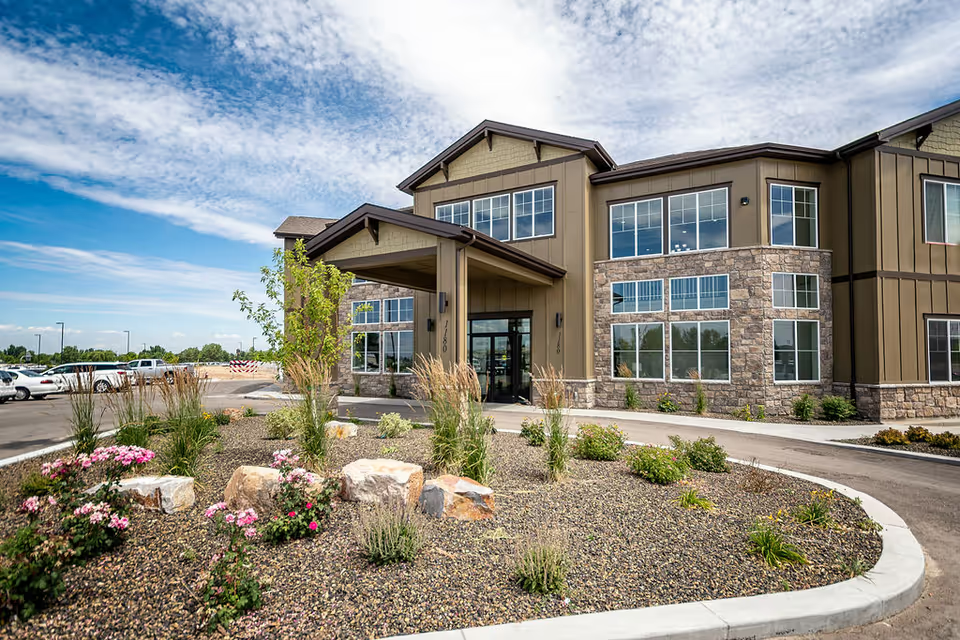
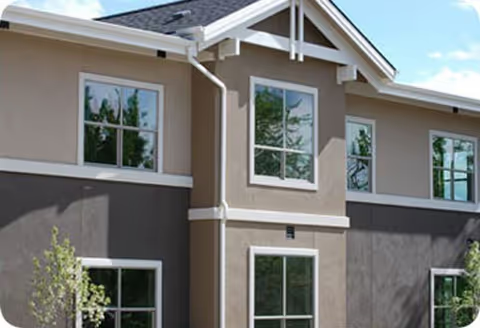
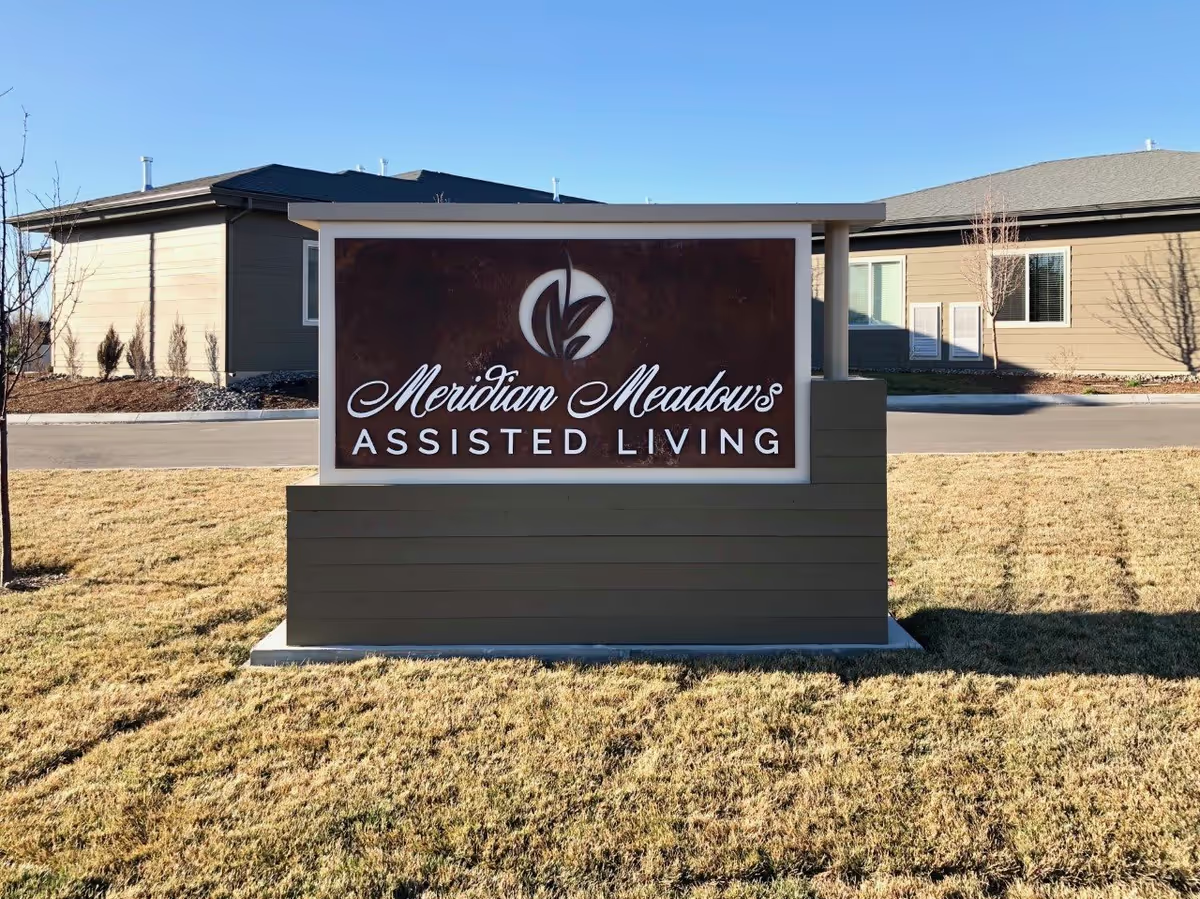
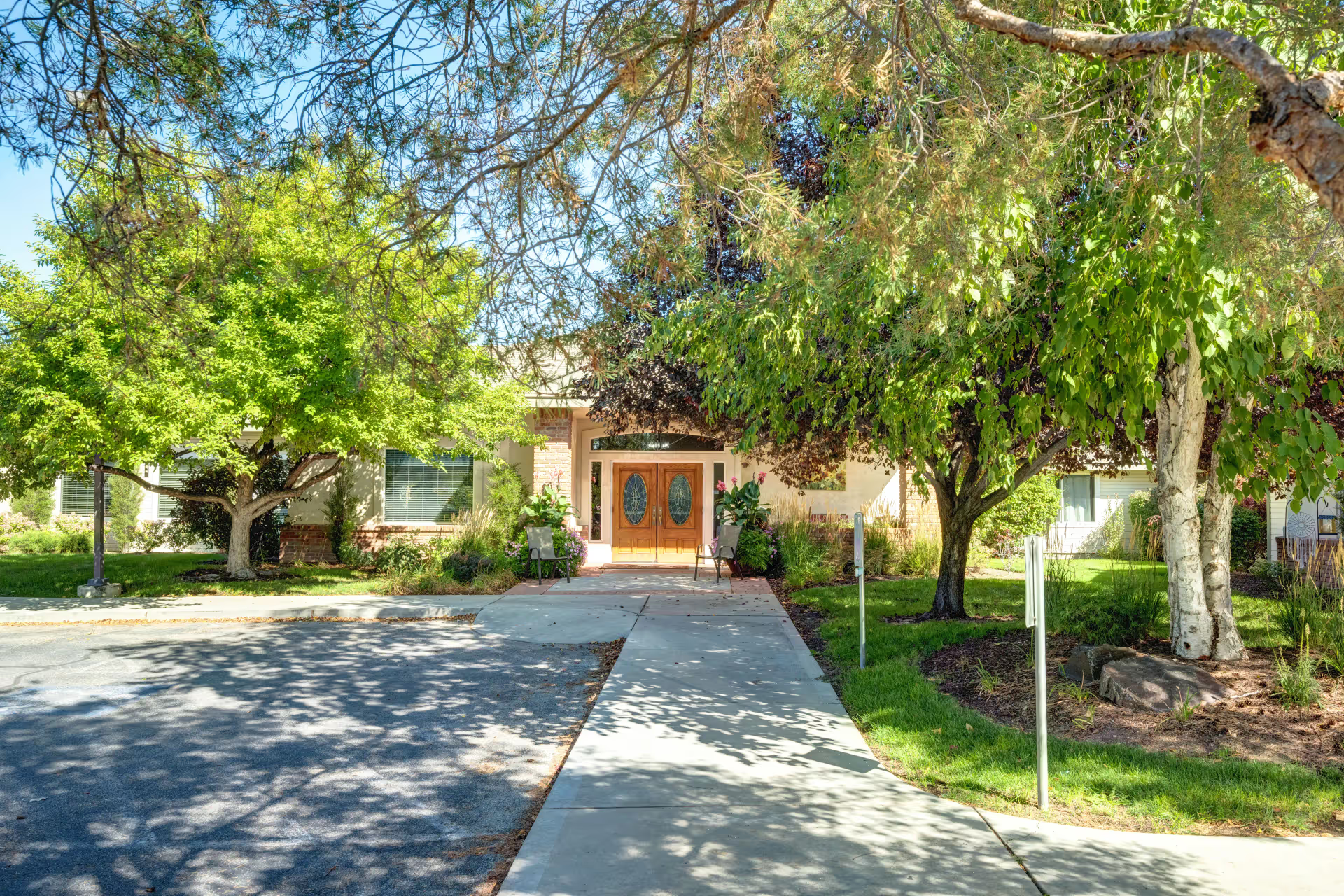
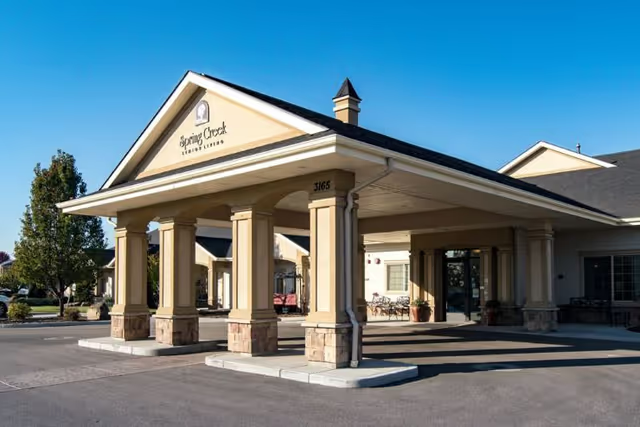
The reviews present a mixed but distinct pattern: many families praise warm, attentive caregiving, robust memory-care skills, and a strong activities and dining program, while other accounts identify operational and safety concerns that warrant careful inquiry. Strengths frequently cited include a homelike environment with private rooms and en‑suite bathrooms, home‑cooked meals with accommodations, an active calendar of outings and on‑site programs, and staff who build close, compassionate relationships with residents. Multiple reviewers also noted an on‑site nursing presence, knowledgeable med‑techs in some shifts, and ongoing facility upkeep and renovations in several buildings.
Care and staffing are areas of contrast. Positive descriptions emphasize personalized attention, high staff‑to‑resident interaction, and caregivers experienced in dementia and end‑of‑life guidance. Conversely, other reviews allege serious conduct and safety issues: concerns about staff fitness for duty (including claims of substance use while on shift), inconsistent staff performance, and workforce strain. These accounts suggest variability in supervision, training follow‑through, and shift coverage that can affect day‑to‑day reliability.
Clinical-safety themes appear repeatedly and should be assessed directly by prospective families. Several reviews point to medication‑administration and documentation weaknesses (examples cited include medication errors, insulin‑pen safety risks, unsecured pills, and gaps in electronic medication records). Related operational gaps include inconsistent medication pass practices and questions about staff training for medication tasks. There are also specific sanitary and laundry concerns: some units were described as having sanitation inconsistencies, and the laundry process has been linked to skin‑safety concerns due to detergent handling. Property and privacy controls were also questioned in a few accounts, including handling of resident belongings and communication after a resident’s death.
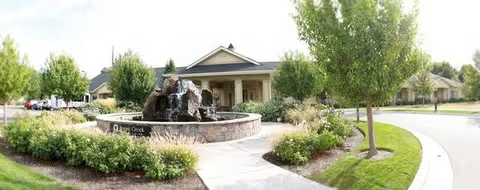
Dining, activities, and environment are frequent reported strengths, but with variability. Many residents and families praise scratch‑cooked meals, accommodating dietary service, engaging musical and movement programs, patio and walking paths, transportation to stores and outings, and a cottage‑style layout that supports a home‑like feel. At the same time, a smaller set of reviews describe unacceptable meal quality at times and inconsistent readiness for tours, indicating uneven service continuity across buildings or shifts.
Management and organizational culture show divergence in perception. Several reviewers commend responsive ownership, helpful administrators, and staff who go above and beyond. Other reviews describe communication lapses, perceived favoritism, disciplinary turnover that affected programming (for example, activity‑staff changes), and difficulty obtaining satisfactory resolution to complaints. A subset of comments is severe enough to be characterized as allegations (for example, on‑shift substance use); these merit direct verification with facility leadership and, if needed, regulatory sources.
For families evaluating this facility, the pattern suggests clear strengths in relational care, memory‑care capability, and activities/dining offerings, but also identifiable operational risks in medication safety, staff fitness and supervision, sanitation consistency, laundry chemical controls, and property/privacy processes. Recommended steps prior to placement include observing a medication pass or asking for policy and training documentation, reviewing incident and staffing turnover records, touring the specific unit(s) of interest during a med‑pass and meal service, asking about laundry and housekeeping chemicals/procedures, and requesting written policies on substance‑use prevention, background checks, and complaint resolution. These targeted inquiries will help determine whether the facility’s positive practices are consistently implemented in the unit where a prospective resident would live.